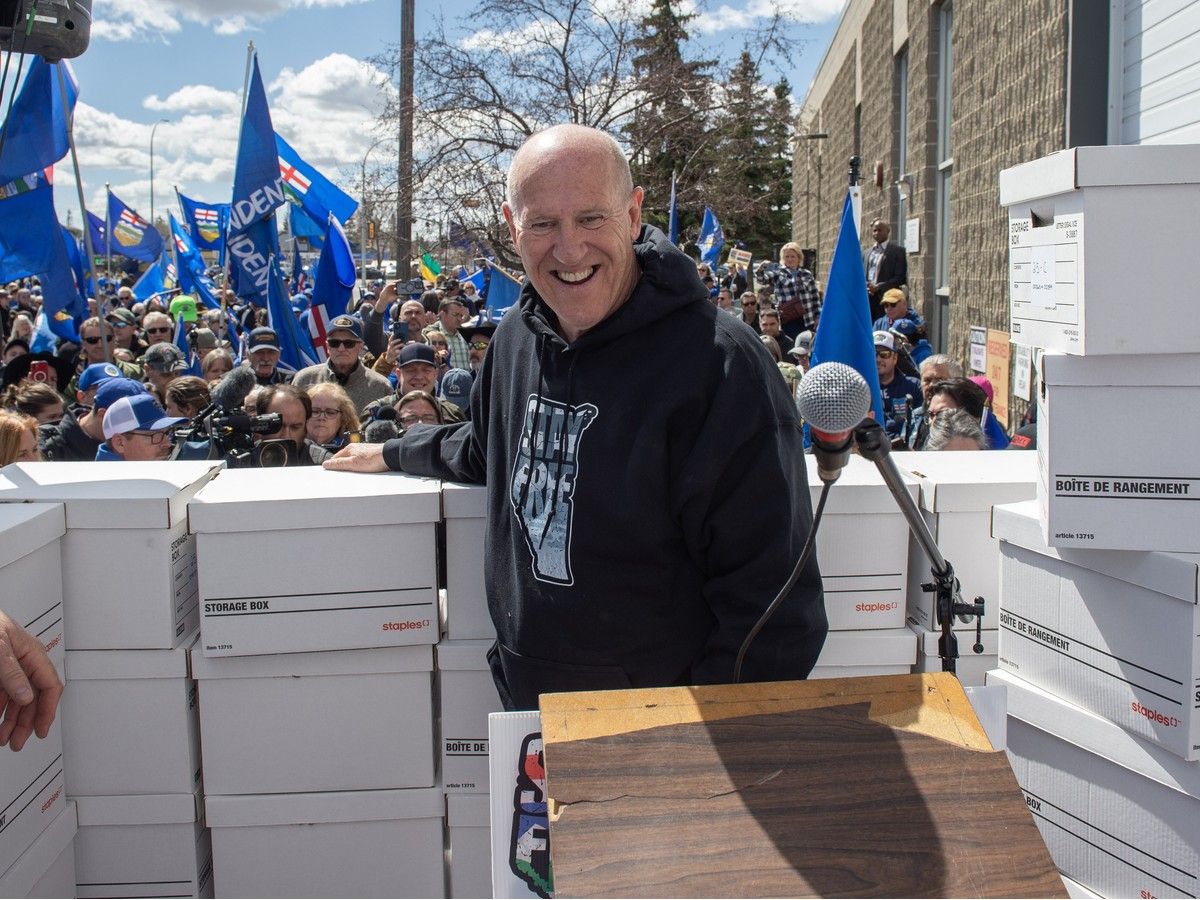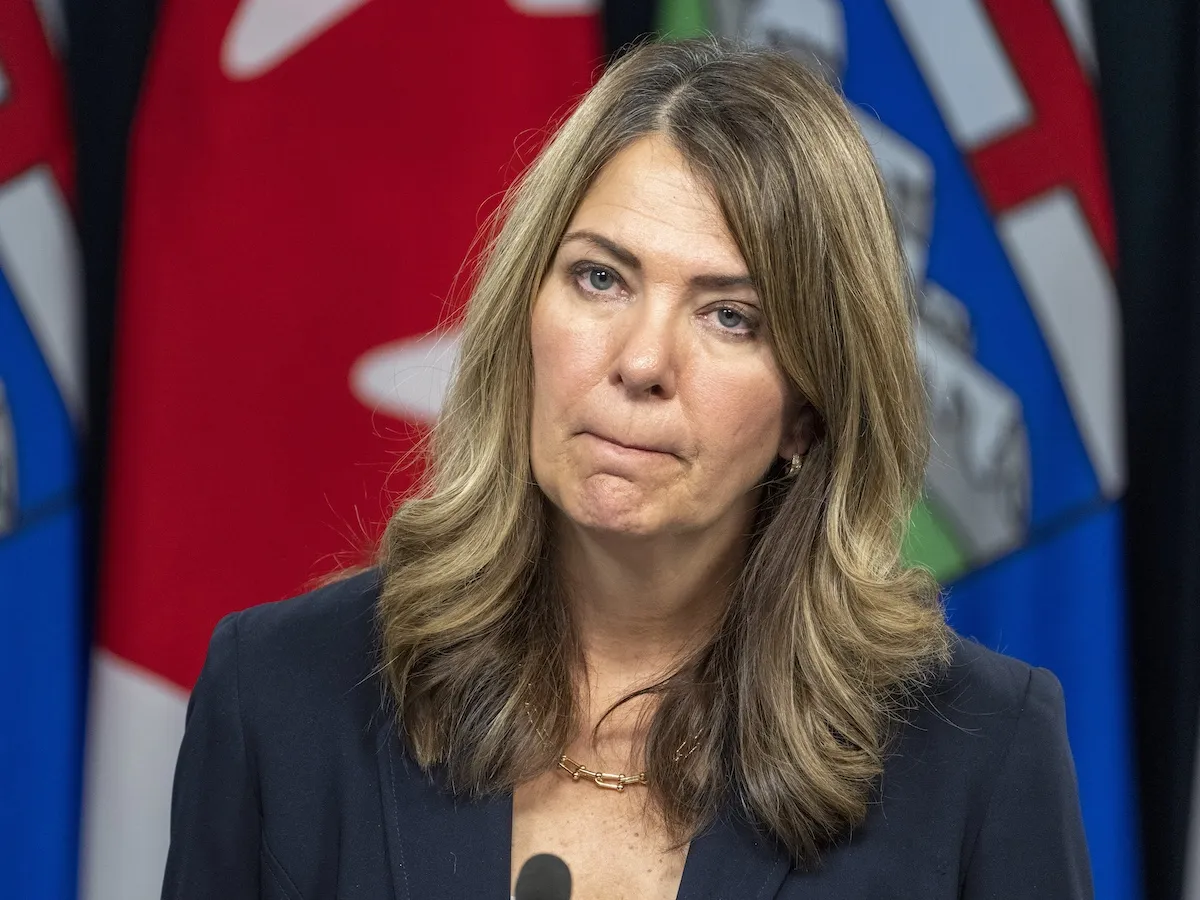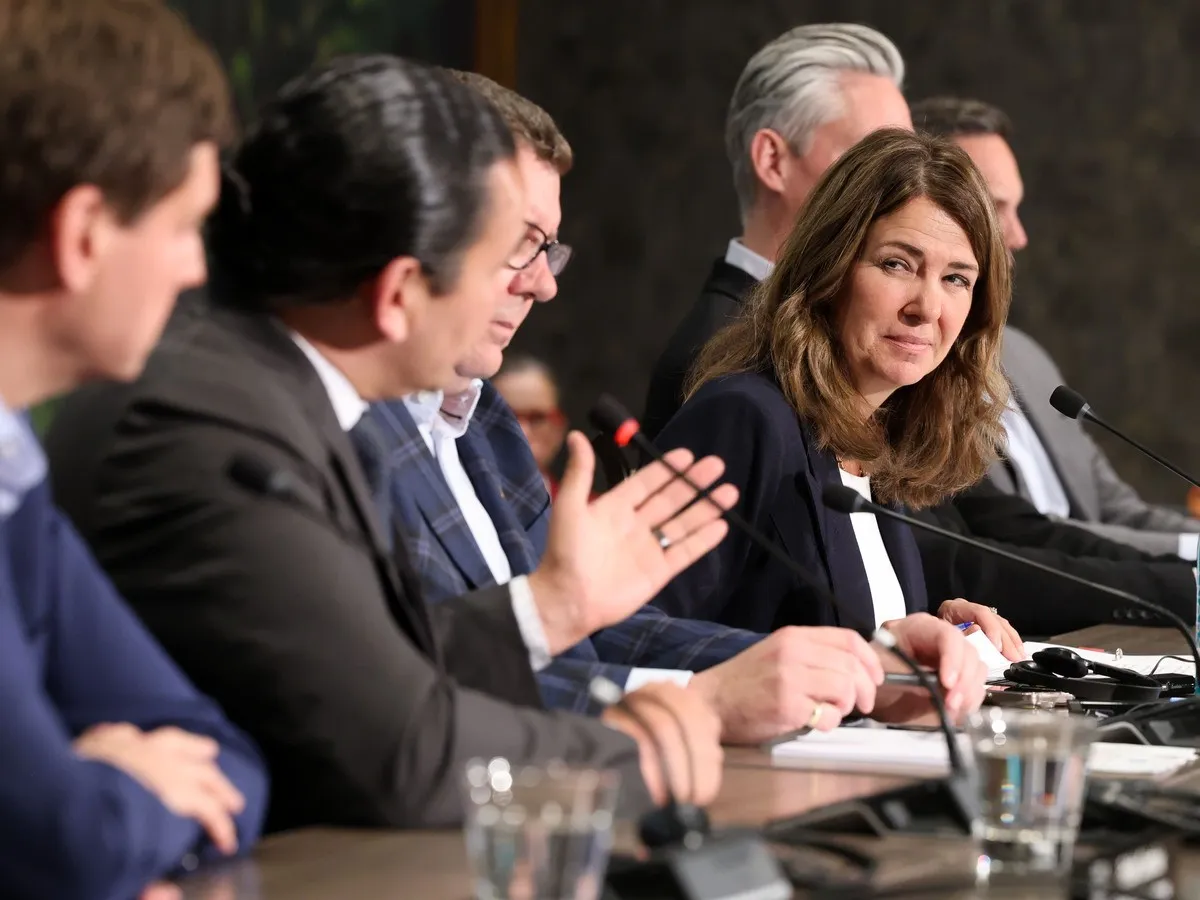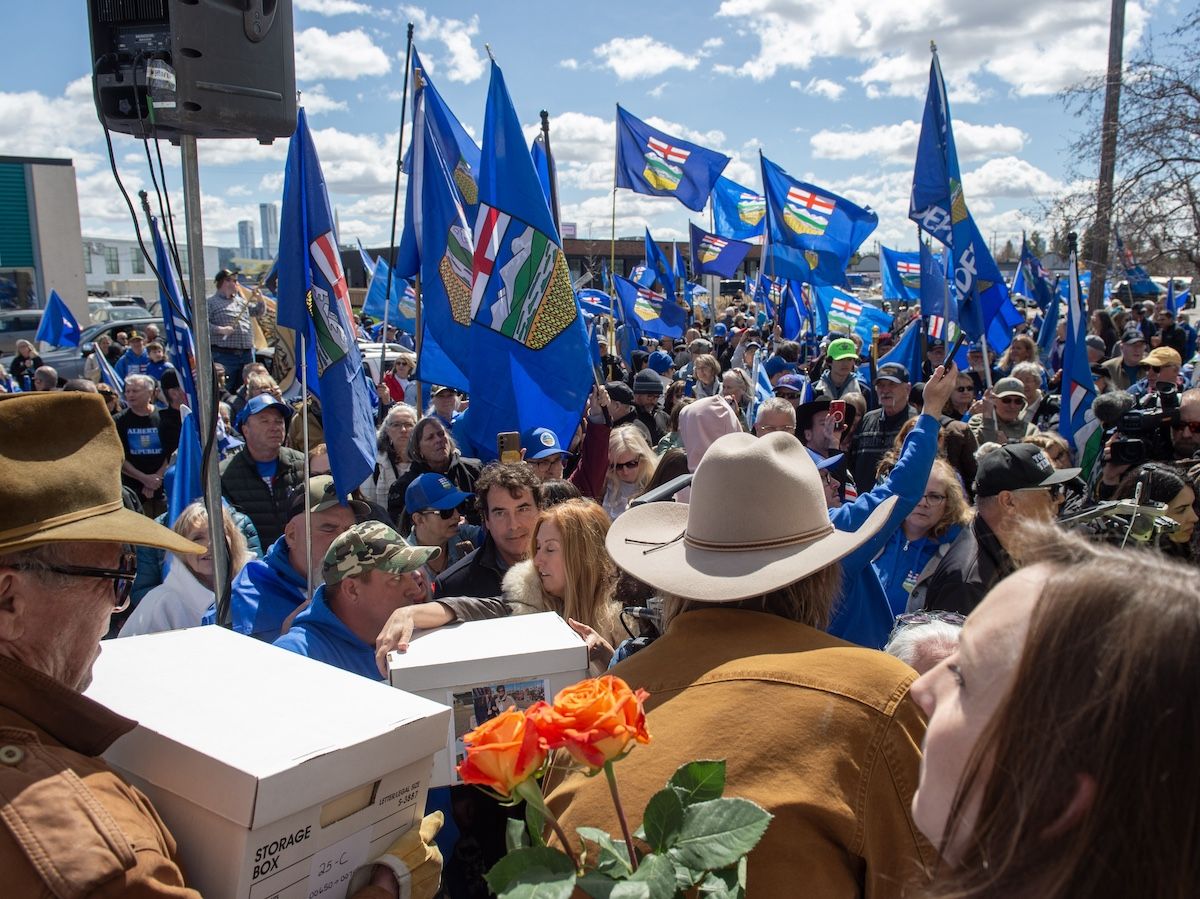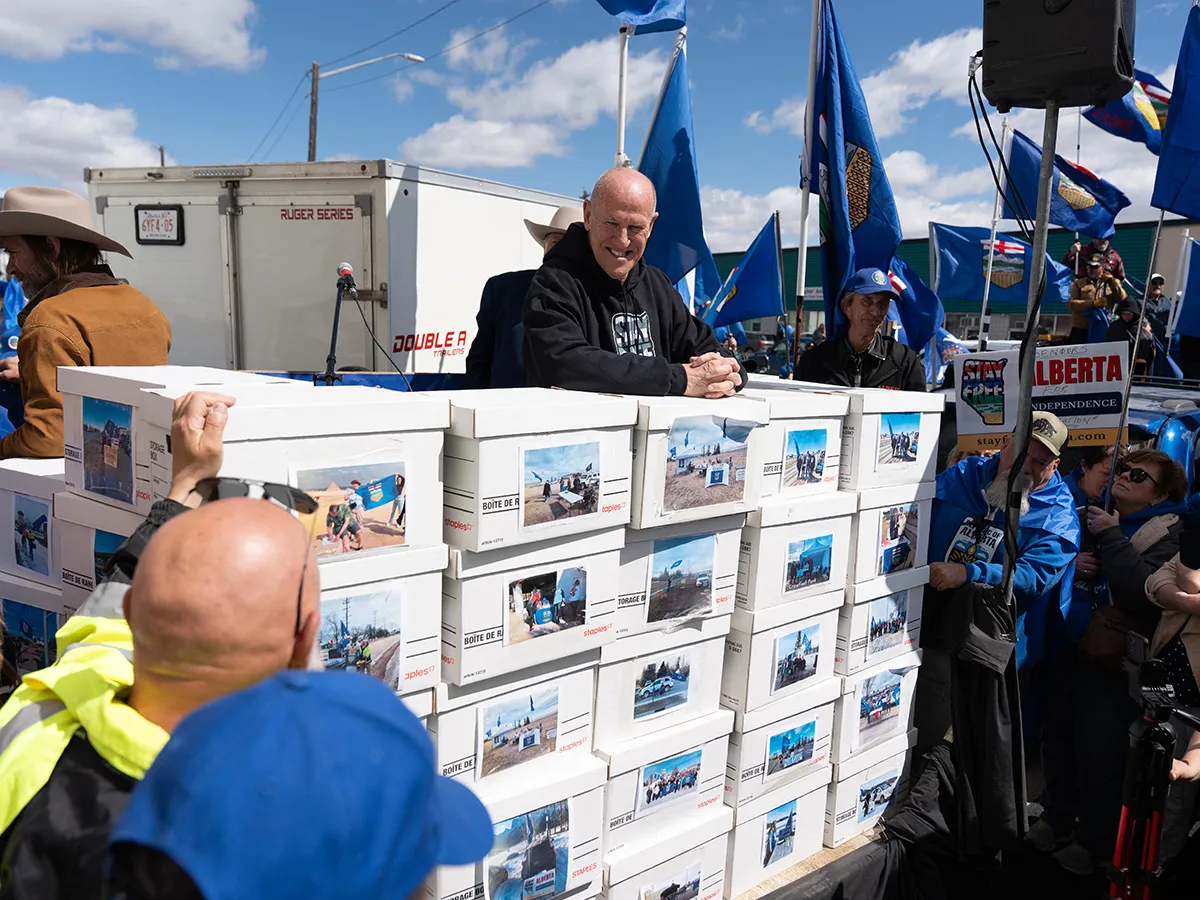
Skip to Content Subscribe Our Offers My Account Manage My Subscriptions FAQ Newsletters Canada Canadian True Crime Canadian Politics Health World Israel & Middle East Financial Post NP Comment Longreads Puzzmo Diversions Comics NP News Quiz New York Times Crossword Horoscopes Life Eating & Drinking Style Sponsored Play for Ontario Travel Travel Canada Travel USA Travel International Cruises Travel Essentials Culture Books Celebrity Movies Music Theatre Television Business Essentials Advice Lives Told Tails Told Shopping Buy Canadian Home Living Outdoor Living Tech Style & Beauty Kitchen & Dining Personal Care Entertainment & Hobbies Gift Guide Travel Guide Deals Savings National Post Store More Sports Hockey Baseball Basketball Football Soccer Golf Tennis Driving Vehicle Research Reviews News Gear Guide Obituaries Place an Obituary Place an In Memoriam Classifieds Place an Ad Celebrations Working Business Ads Archives Healthing Epaper Manage Print Subscription Profile Settings My Subscriptions Saved Articles My Offers Newsletters Customer Service FAQ Newsletters Canada World Financial Post NP Comment Longreads Puzzmo Diversions Life Shopping Epaper Manage Print Subscription HomeNewsCanadaCanadian Politics'It was predictable': Court ruling doesn't slow this Alberta separatistAnalysis: Keith Wilson says ruling throwing out independence referendum was a ‘results-focused decision’ in an era of politicized judiciaryLast updated 4 hours ago You can save this article by registering for free here. Or sign-in if you have an account.Alberta separatist leader Mitch Sylvestre submits boxes of signatures during a rally outside of Elections Alberta headquarters in hopes of triggering an independence referendum, in Edmonton on May 4, 2026. Photo by enry Marken/AFP via Getty ImagesA court has struck down one Alberta independence petition,” says Keith Wilson, the St. Albert lawyer and advocate for Alberta’s separation from Canada. “This does not mean the referendum is over.”Enjoy the latest local, national and international news.Exclusive articles by Conrad Black, Barbara Kay and others. Plus, special edition NP Platformed and First Reading newsletters and virtual events.Unlimited online access to National Post.National Post ePaper, an electronic replica of the print edition to view on any device, share and comment on.Daily puzzles including the New York Times Crossword.Support local journalism.Enjoy the latest local, national and international news.Exclusive articles by Conrad Black, Barbara Kay and others. Plus, special edition NP Platformed and First Reading newsletters and virtual events.Unlimited online access to National Post.National Post ePaper, an electronic replica of the print edition to view on any device, share and comment on.Daily puzzles including the New York Times Crossword.Support local journalism.Create an account or sign in to continue with your reading experience.Access articles from across Canada with one account.Share your thoughts and join the conversation in the comments.Enjoy additional articles per month.Get email updates from your favourite authors.Create an account or sign in to continue with your reading experience.Access articles from across Canada with one accountShare your thoughts and join the conversation in the commentsEnjoy additional articles per monthGet email updates from your favourite authorsSign In or Create an Accountor“The legal path to an Alberta independence referendum remains open,” he declares on his YouTube channel, “and Alberta’s cabinet still has the authority to put the question to voters in October.”The First Nations that launched the legal challenge see it differently. Athabasca Chipewyan First Nation, together with the Blackfoot Confederacy representing the Siksika, Kainai, and Piikani Nations, calls the ruling a clear win. Justice Shaina Leonard of the Alberta Court of King’s Bench ruled that the government breached its duty to consult when it enabled the citizen-initiated process.“It was predictable,” Wilson told me, calm and measured. “One of the concerns many have is that our courts have become politicized. This reads like a results-focused decision.”He doesn’t sound bitter. He simply walks me, a strong opponent of separation, through the 37-page judgment released Wednesday — a dense, technical ruling that can leave you cross-eyed. What matters are its real-world implications.First, it casts doubt on the future of Stay Free Alberta’s petition, driven by Mitch Sylvestre and backed by the Alberta Prosperity Project. More than 300,000 signatures were gathered — well above the threshold. The decision may hobble this round of direct democracy. But it does not kill the referendum itself. Albertans still have the right to decide their future, Wilson argues.“The legal foundation for a province’s right to vote on independence comes from the 1998 Supreme Court of Canada Secession Reference,” Wilson explains. “Alberta’s cabinet retains the power under the Referendum Act to place the question on the October 19, 2026, ballot.”From the start, Wilson warned supporters the citizen petition would face challenges — and likely lose some. “It’s always been incumbent on the provincial cabinet to choose the question,” he notes, pointing to Premier Danielle Smith’s planned October referendum on immigration, the Senate, and judicial appointments.The ruling feels anti-democratic to many. Premier Smith said exactly that and pledged an immediate appeal. But the deeper concern, Wilson argues, lies in how the court expanded the duty to consult with First Nations.Justice Leonard wrote: “As a matter of logic and common sense, there can be no doubt that Alberta’s secession from Canada will have an impact on Treaties 7 and 8.” She ruled the petition process itself triggered the duty to consult — and that Alberta failed to meet it.Wilson agrees consultation makes sense when a specific project threatens treaty rights. “But the court seems to say that before elected governments can even consider new laws or policies, they must first consult First Nations and seek their blessing …That turns parliamentary democracy and supremacy on its head. That has never been the law of Canada.”“I don’t think it’s legally accurate. I think it’s a legal stretch,” he concludes. Some observers say the ruling puts Premier Smith in a political pickle. She has pledged to appeal the decision as “anti-democratic,” yet much of her UCP base now expects her to step up and call the separation question herself under the Referendum Act.Wilson’s role in this movement is fascinating. While a card-carrying UCP member, he belongs to no separatist organization — not the Alberta Prosperity Project, not Stay Free Alberta, and not any separatist party. Yet he’s the independent voice chosen to debate former premier Jason Kenney twice: once privately in Edmonton on May 1, and publicly in Calgary on May 25.This remains a grassroots campaign, he argues, not a political party. The court decision, he believes, will only energize the 7,000 trained volunteers already door-knocking. Signature drives will ramp up. He urges supporters to form affinity groups: Seniors for Independence, Farmers for Independence, Energy Workers for Independence, and so on.This week, the Alberta Transition Council held its first meeting in Calgary to prepare white papers on what a post-separation Alberta would look like — passports, infrastructure, services, the works.Wilson expects cabinet could order, in a matter of weeks, a separation question for the October ballot. Appeals and consultation debates may delay things, but he isn’t worried. In the event of a referendum vote in favour of separation, he says, the Supreme Court of Canada has made it clear that First Nations, other premiers and the federal government will be under a positive duty to negotiate with Alberta. “It’s a built-in consultation process.” Goodstoney First Nation has signalled it would strongly oppose any government-led referendum on separation, highlighting the tenor of those negotiations.The court seems to say that before elected governments can even consider new laws or policies, they must first consult First Nations and seek their blessingIt’s easy to dismiss Wilson’s confidence. I don’t. He’s no career politician. At 61, this constitutional and property-rights lawyer has a lifelong habit of tackling what he sees as wrong. In 2009, he formed the Alberta Landowners Council and helped repeal bills he believed threatened farmers’ and ranchers’ property rights. He challenged Ralph Klein on the Water Act and grazing leases. During COVID, he fought travel mandates for the unvaccinated and supported convoy-related cases, including challenges to the Emergencies Act.Now he has reduced his client load by 75 per cent and stopped taking new ones — to devote himself fully to this cause. “Those in the independence movement recognize we’re entering a new phase,” he says. “It’s about winning hearts and minds — convincing the majority of Albertans who aren’t yet comfortable with the idea.”Wilson, not surprisingly, believes the numbers are moving in the separatists’ favour. In his view, roughly 40 per cent of Albertans support independence. Of the 60 per cent who want to stay in Canada, many — he argues — are deeply angry at how Ottawa treats Alberta and makes decisions contrary to our interests. He estimates that at least 20 per cent of that frustrated group could be persuaded over the next five months to vote for independence.The public opinion polls tell a different story, suggesting support tops out around 30 per cent. But momentum is a funny thing; look at the Quebec 1995 referendum, or the 2016 Brexit vote in the U.K. Things can turn on a dime.I remain firmly opposed to separation, no matter how frustrated I am with Ottawa. That is why I pay close attention to what Wilson says: people like me are exactly who the movement now targets.Although I discount Wilson’s projections on support for separation in Alberta, I don’t discount the challenge ahead.Our website is the place for the latest breaking news, exclusive scoops, longreads and provocative commentary. Please bookmark nationalpost.com and sign up for our daily newsletter, Posted, here. Join the Conversation This website uses cookies to personalize your content (including ads), and allows us to analyze our traffic. Read more about cookies here. By continuing to use our site, you agree to our Terms of Use and Privacy Policy.
'It was predictable': Court ruling doesn't slow this Alberta separatist
Analysis: Keith Wilson says ruling throwing out independence referendum was a "results-focused decision" in an era of politicized judiciary.
1,594 words~7 min read