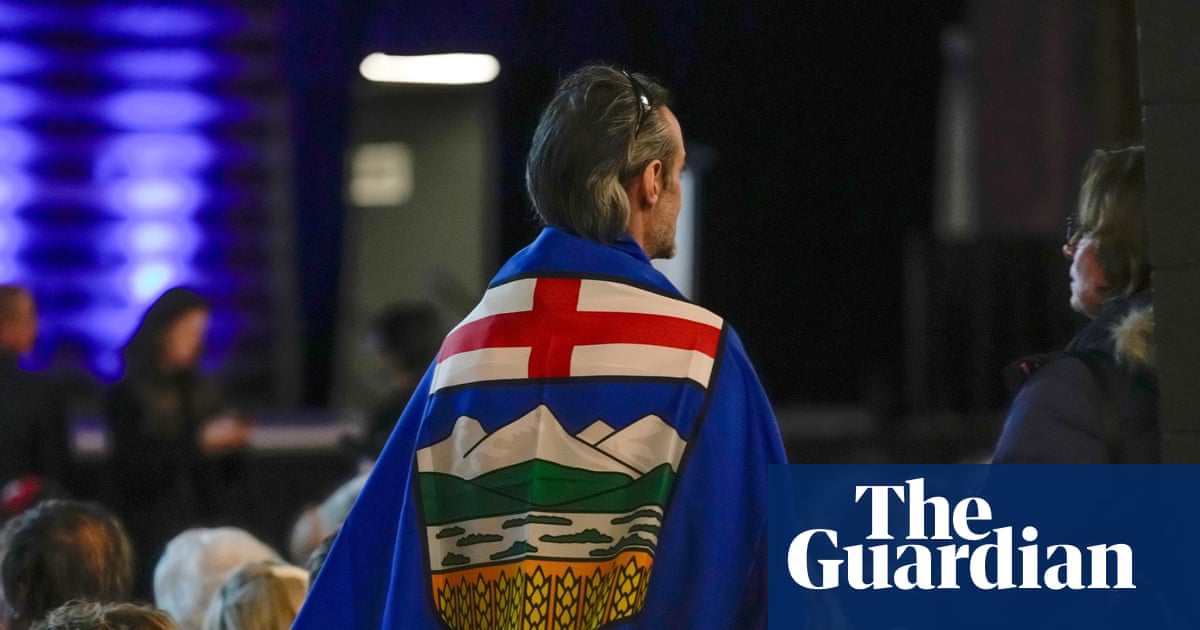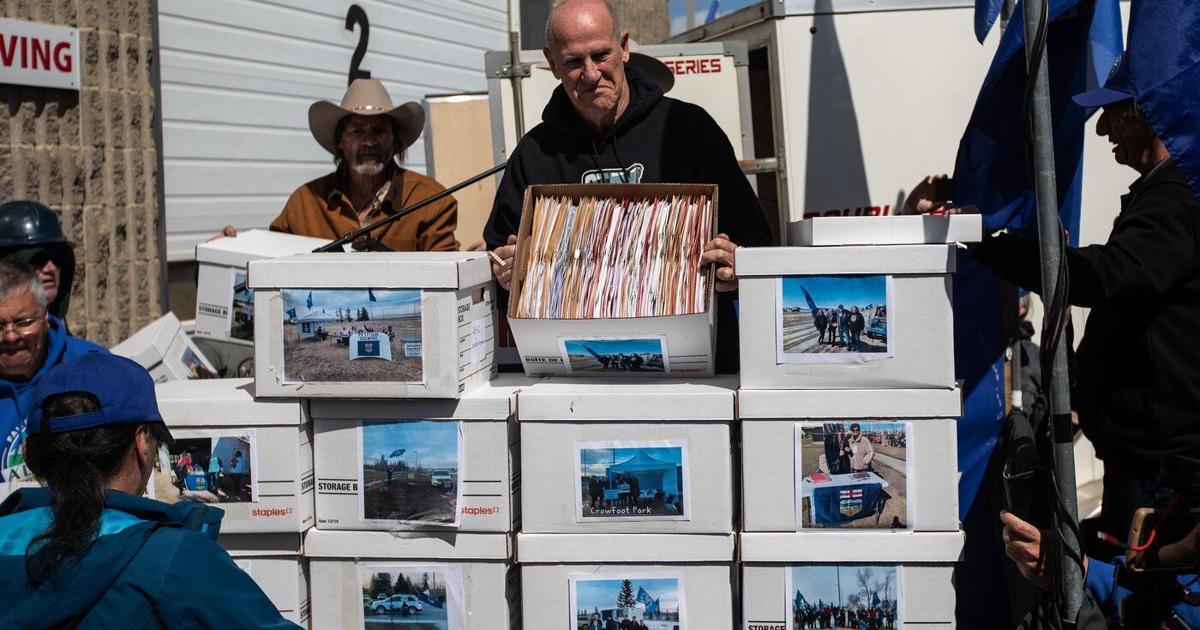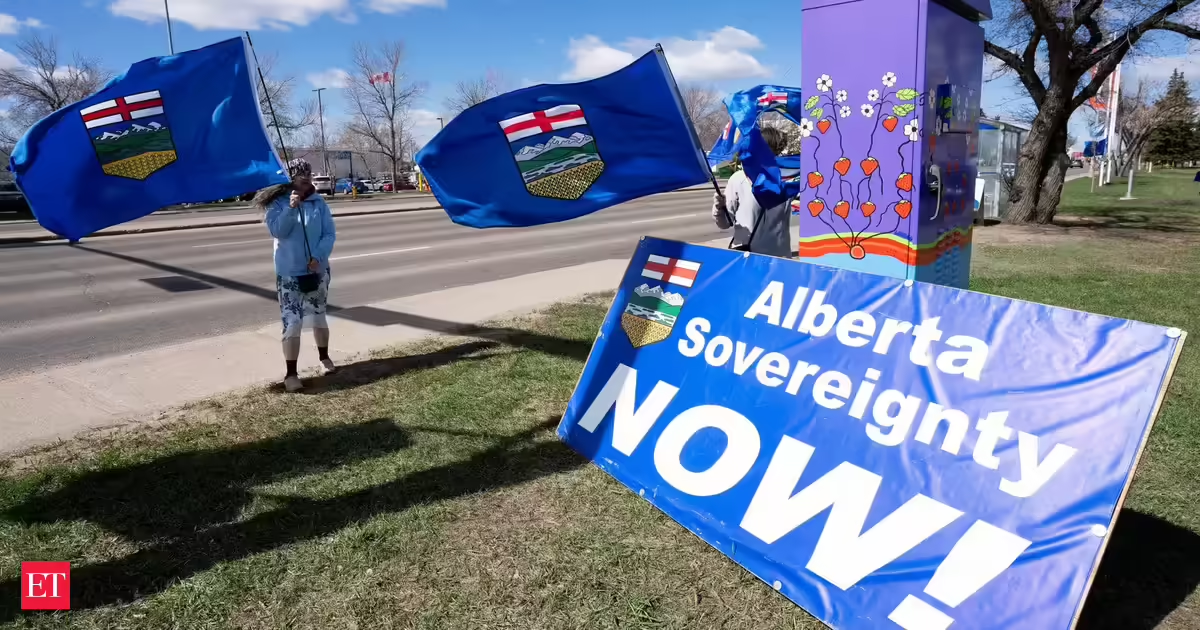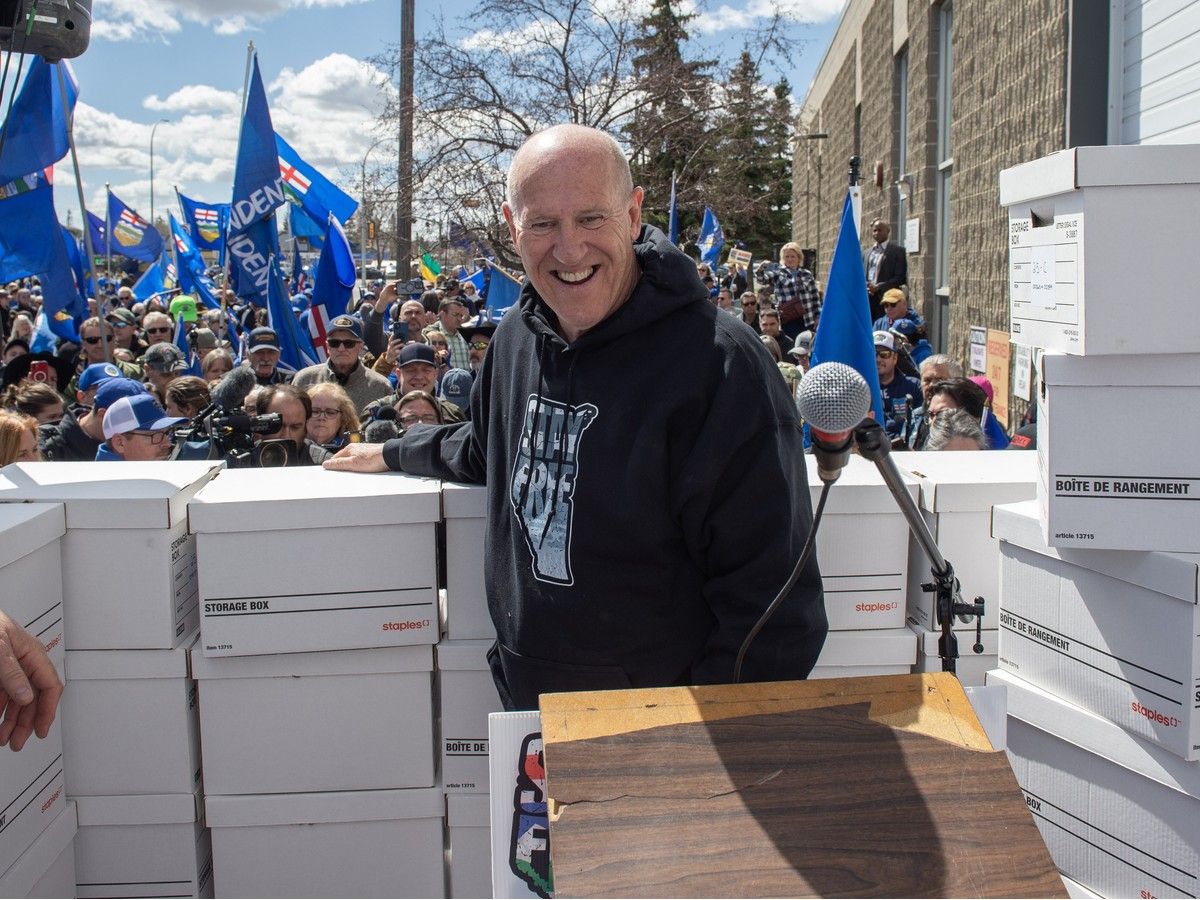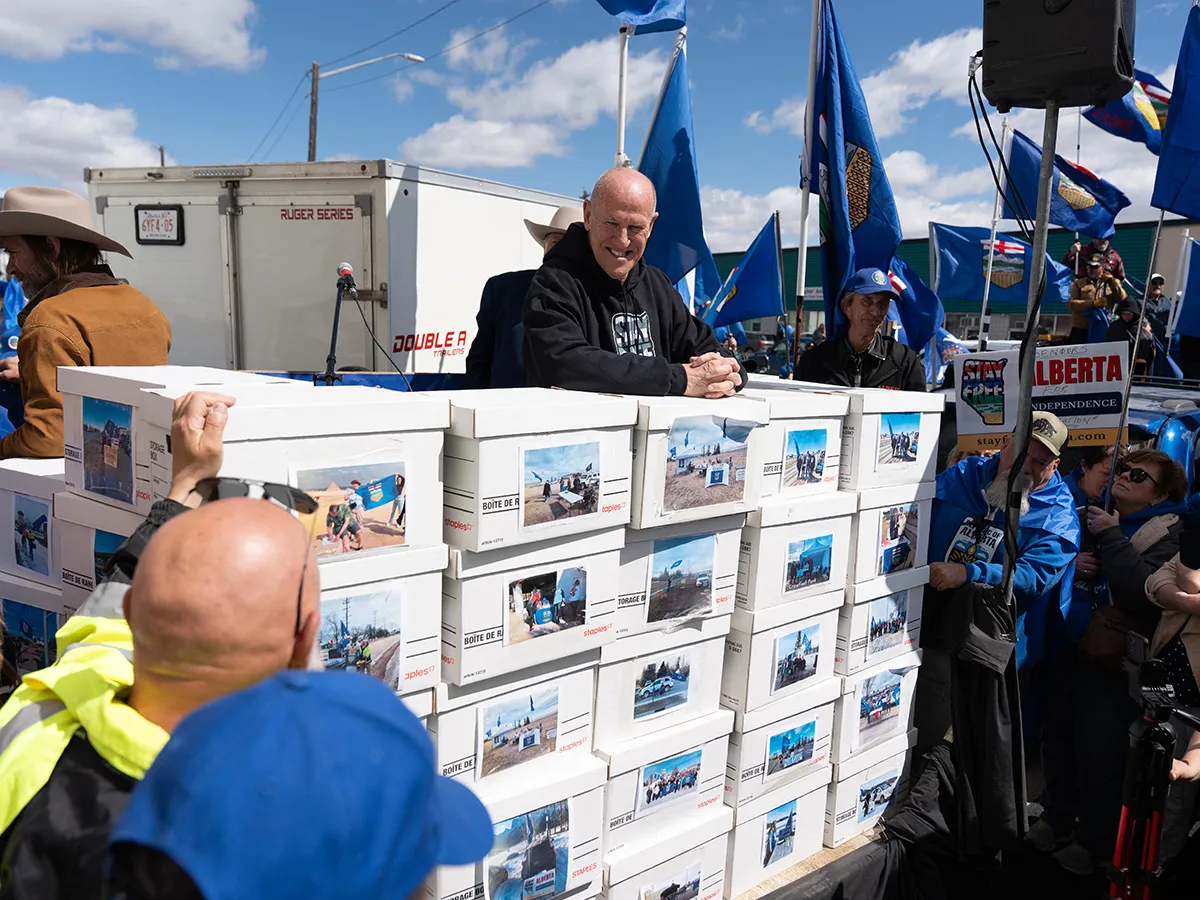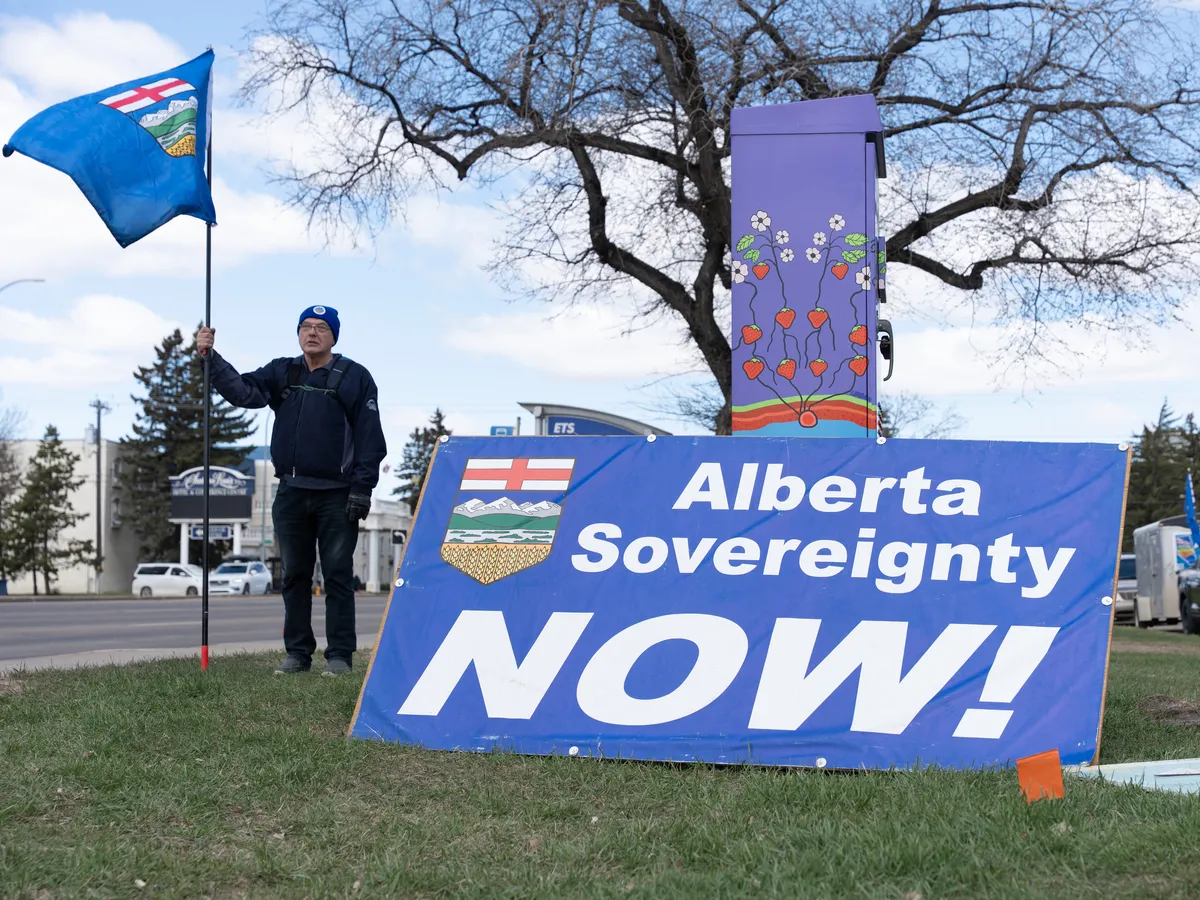
Skip to Content News Archives Economy Energy Oil & Gas Renewables Electric Vehicles Mining Commodities Agriculture Real Estate Mortgages Mortgage Rates Finance Banking Insurance Fintech Cryptocurrency Work Wealth Smart Money Wealth Management Investor Personal Finance Family Finance Retirement Taxes High Net Worth FP Comment Executive Women Puzzmo Newsletters Financial Times Business Essentials More Innovation Information Technology FP500 Podcasts Small Business Lives Told Tails Told Shopping Financial Post Store Obituaries Place a Notice Advertising Advertising With Us Advertising Solutions Postmedia Ad Manager Sponsorship Requests Classifieds Place a Classifieds ad Working Profile Settings My Subscriptions Saved Articles My Offers Newsletters Customer Service FAQ News Economy Energy Mining Real Estate Finance Work Wealth Investor FP Comment Executive Women Puzzmo Newsletters Financial Times Business Essentials HomeNewsCourt quashes Alberta separatists' bid for referendumThe decision from the Court of King’s Bench is a major setback for the independence movement in AlbertaAuthor of the article:Last updated 1 day ago You can save this article by registering for free here. Or sign-in if you have an account.A separatist supporter holds a flag during a rally near the Elections Alberta headquarters in Edmonton, Canada, on May 4, 2026, as they submit boxes of signatures in the hope of triggering an independence referendum. Photo by Henry MARKEN / AFP via Getty ImagesAn Alberta court ruled that political activists can’t proceed with a petition to force a vote on seceding from Canada because the government failed to meet its duty to consult with Indigenous peoples. Subscribe now to read the latest news in your city and across Canada.Exclusive articles from Barbara Shecter, Joe O'Connor, Gabriel Friedman, and others.Daily content from Financial Times, the world's leading global business publication.Unlimited online access to read articles from Financial Post, National Post and 15 news sites across Canada with one account.National Post ePaper, an electronic replica of the print edition to view on any device, share and comment on.Daily puzzles, including the New York Times Crossword.Subscribe now to read the latest news in your city and across Canada.Exclusive articles from Barbara Shecter, Joe O'Connor, Gabriel Friedman and others.Daily content from Financial Times, the world's leading global business publication.Unlimited online access to read articles from Financial Post, National Post and 15 news sites across Canada with one account.National Post ePaper, an electronic replica of the print edition to view on any device, share and comment on.Daily puzzles, including the New York Times Crossword.Create an account or sign in to continue with your reading experience.Access articles from across Canada with one account.Share your thoughts and join the conversation in the comments.Enjoy additional articles per month.Get email updates from your favourite authors.Create an account or sign in to continue with your reading experience.Access articles from across Canada with one accountShare your thoughts and join the conversation in the commentsEnjoy additional articles per monthGet email updates from your favourite authorsSign In or Create an AccountorThe decision from the Court of King’s Bench on Wednesday is a major setback for the independence movement in Alberta, the western Canadian province that holds most of the country’s known oil reserves and exports millions of barrels a day of crude to the U.S.But Alberta Premier Danielle Smith said her government intends to appeal the ruling, as did the leaders of a pro-independence group known as Stay Free Alberta.Breaking business news, incisive views, must-reads and market signals. Weekdays by 9 a.m.By signing up you consent to receive the above newsletter from Postmedia Network Inc.A welcome email is on its way. If you don't see it, please check your junk folder.The next issue of Posthaste will soon be in your inbox.We encountered an issue signing you up. Please try againAt a press conference, Smith said that although her government supports Alberta staying in Canada, the court judgment was “anti-democratic.” She didn’t rule out finding another way to ensure the separatist question is put to a provincewide vote, saying she’d consult with her party’s lawmakers.Stay Free Alberta submitted a petition earlier this month, claiming more than 301,000 signatures in favour of a referendum on the province breaking away from Canada. It’s seeking a vote on this question: “Do you agree that the Province of Alberta should cease to be part of Canada to become an independent state?”Polls currently show most Alberta residents aren’t in favour of the idea. But Smith is attempting to manage separatist sentiments within her United Conservative Party, which has been in power since 2019.The separatists’ efforts were challenged in court by several Indigenous groups. Justice Shaina Leonard sided with them, ruling that the province’s chief electoral officer made an error in law by allowing the Stay Free Alberta petition to go forward.The Canadian dollar did not move significantly in reaction to the court decision. Derek Holt, head of capital markets economics at Bank of Nova Scotia, called it a “positive development” but noted Smith’s intention to appeal.For a citizen-initiated referendum, Alberta requires about 178,000 verified signatures to advance to the next stage of the process. The province has a population of around 5 million.The Indigenous groups’ case targeted the provincial government, the chief electoral officer and separatist organizer Mitch Sylvestre, who led the Stay Free Alberta petition. It focuses on a provincial law that outlines the process by which groups of citizens can try to force a referendum on key issues through petitions.The Athabasca Chipewyan, Siksika Nation, Piikani Nation and Blood Tribe argued in court filings that Sylvestre’s petition should never have been allowed. Those First Nations have specific rights because they entered into treaties with the British Crown in the 1800s, before Alberta was made into a Canadian province in 1905.“A requirement to implement secession without prior involvement of the Applicants has the potential to adversely affect Treaty rights,” Leonard wrote in her decision.Jeffrey Rath, one of the organizers of the separatist movement, said the group will file an appeal. “We disagree fundamentally with the decision which appears on its face to violate principles of natural justice and contain numerous errors of law,” he said in a post on X.OFFICIAL STAY FREE ALBERTA STATEMENT CONCERNING THE RECENT JUDICIAL DECISION ON THE STAYFREE ALBERTA INDEPENDENCE PETITION :“We disagree fundamentally with the decision which appears on its face to violate principles of natural justice and contain numerous errors of law. We…— Jeffrey Rath (@JeffreyRWRath) May 13, 2026In an interview, he said that regardless of the petition being rejected, the judge’s decision made clear that Smith has the authority to call a referendum herself. “We expect the premier to put the question on the ballot regardless of any judicial decision.”Smith’s main political rival, Alberta New Democratic Party Leader Naheed Nenshi, demanded she call off the referendum.“This petition is dead. This referendum is dead. For the premier to spend taxpayer time and money to resurrect it would prove what we’ve always known: she’s a separatist,” Nenshi said.Longstanding disputes between Alberta and the federal government have coalesced into an independence movement that’s seeking to reap the rewards of the region’s vast natural resources. But surveys suggest separatism lacks broad appeal. A poll last month of 1,200 residents by Alberta-based Janet Brown Opinion Research found support for the separatist cause at 27 per cent, with 67 per cent saying they would vote against it.Still, separatist groups have been well-organized and preparing for a potential referendum vote in October.Kevin Hille, a lawyer at Olthuis Kleer Townshend LLP who represented the Athabasca Chipewyan First Nation, called the decision “a significant victory for the rule of law and the protection of constitutional rights in Alberta.”He said in an email that secession would “bisect and sever” the First Nation’s territory “with an international border, which would destroy their way of life that they have practiced there for the past 7,000 years.”Jon McKenzie, chief executive officer of Cenovus Energy Inc., told a Calgary audience before the ruling was issued that the roots of the movement were economic greivances, but that they were solvable issues.“The way I think about separatism in Alberta is there is a general feeling of disillusionment in Alberta that’s manifested itself over the past decade and it’s real,” he said. “I think the worst thing that we can do is chalk this up to a fringe element of society that shouldn’t be taken seriously.”With assistance from Robert Tuttle Join the Conversation This website uses cookies to personalize your content (including ads), and allows us to analyze our traffic. Read more about cookies here. By continuing to use our site, you agree to our Terms of Use and Privacy Policy.
Court quashes Alberta separatists' bid for referendum
An Alberta court ruled that political activists can’t proceed with a petition to force a vote on seceding from Canada. Read more.
1,410 words~6 min read