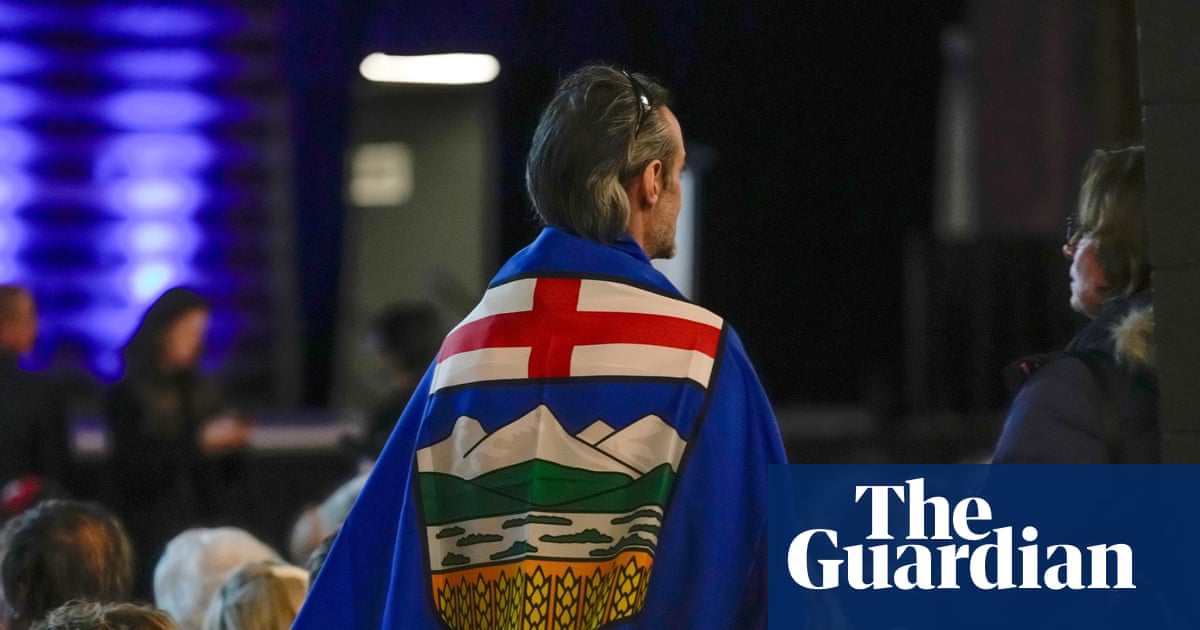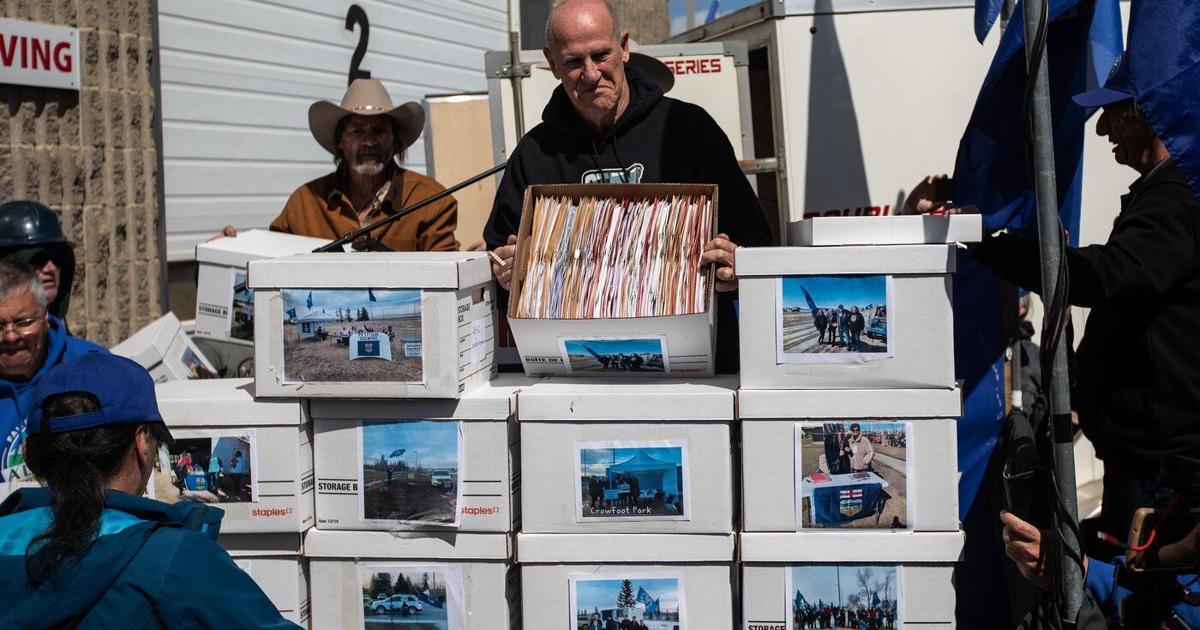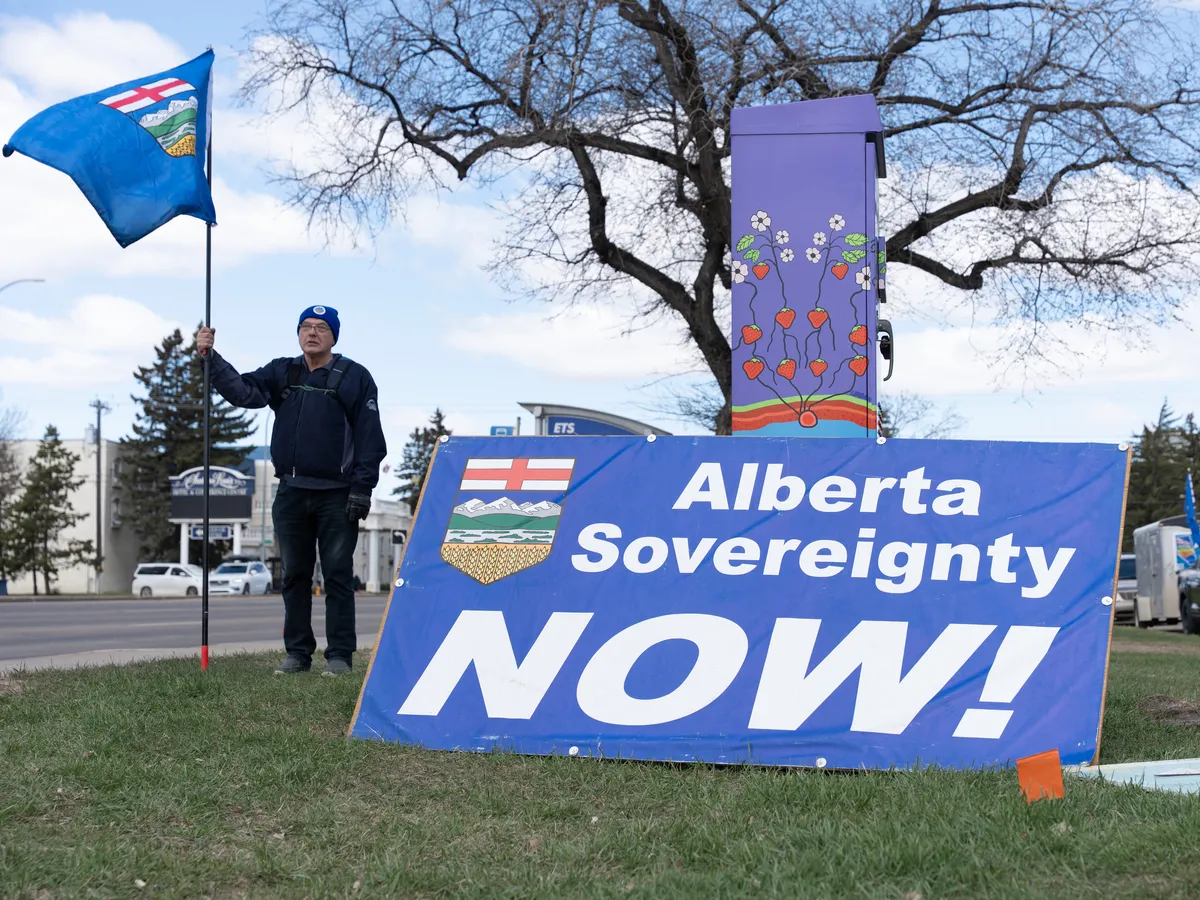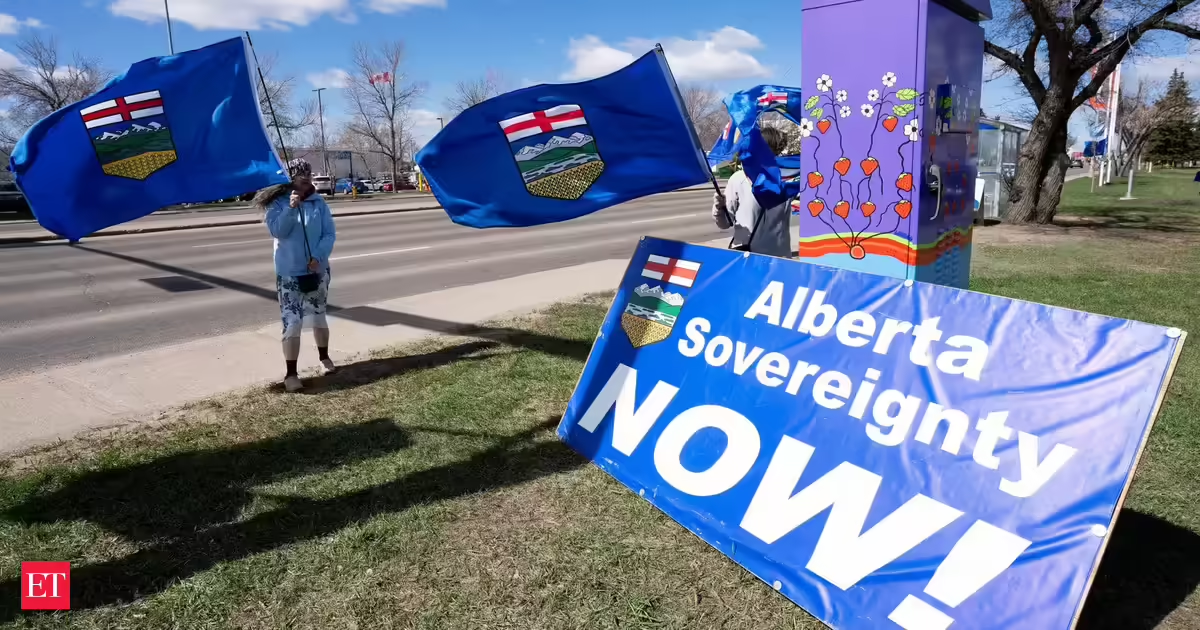
In a legal decision with major political and constitutional ramifications, a judge in Alberta has rejected a citizen-led petition seeking a referendum on provincial independence from Canada, citing that the process violated legal obligations to consult with Indigenous peoples whose treaty rights would be affected. The ruling delivered on May 13, throws the future of an Alberta separatist initiative into uncertainty.Justice Shaina Leonard of the Alberta Court of King’s Bench ruled that Elections Alberta should never have approved a petition process that could lead to a referendum on Alberta’s separation from Canada. The petition, organized by the group Stay Free Alberta, was reportedly backed by well over 300,000 collected signatures, far above the roughly 178,000 required under Alberta’s Citizen Initiative Act to trigger a referendum. However, Justice Leonard found that the provincial government and electoral authorities failed to consult with Indigenous nations whose treaty and aboriginal rights would likely be directly impacted by any move toward secession.In her 37-page ruling, the judge wrote that “as a matter of logic and common sense, there can be no doubt that Alberta’s secession from Canada will have an impact” on historical treaties signed between First Nations peoples and the Crown in the 19th century. The province’s actions breached its constitutional duty to consult those communities before advancing a process that could fundamentally affect their legal and territorial rights.First Nations legal challengeThe court action was brought by several Indigenous groups, including the Athabasca Chipewyan First Nation, the Blood Tribe, Piikani Nation and Siksika Nation, collectively represented through legal counsel. These nations argued that the petition and potential referendum could undermine their treaty rights and that meaningful consultation was a legal prerequisite before any initiative related to secession could proceed.Lawyers for the Indigenous applicants contended in court that Alberta’s referendum framework, as applied to a proposition on independence, violated constitutional obligations because it did not provide for sufficient consultation or protections for treaty rights, which are recognized and affirmed under Canada’s Constitution Act, 1982.Provincial government reactionThe decision was met with resistance by Alberta’s provincial leaders. Premier Danielle Smith described the ruling as “anti-democratic” and signalled that her government plans to appeal the decision, arguing that it wrongly blocks Albertans from exercising democratic expression through a petition that proponents say reflects genuine public sentiment. Smith indicated that cabinet and caucus members will review the ruling to determine next steps, including possible legal challenges aimed at overturning the judgment.Government lawyers had argued that it was premature to consult First Nations at the petition stage, asserting that constitutional duties to consult would only be triggered once concrete steps toward separation were underway. However, Justice Leonard questioned this timing, noting that consultation should have been part of the process long before reaching the signature-collection phase, particularly given longstanding Indigenous concerns about the initiative’s implications.Impact on the referendum timelineBefore the ruling, Elections Alberta had received the petition and was preparing to verify signatures, a necessary step before presenting the matter to the provincial government and potentially scheduling a referendum. The court’s decision not only nullified that approval but also halted the verification process, leaving the prospect of an independence referendum on shaky legal ground.The province had already scheduled a referendum for 19 October 2026 on a series of constitutional and policy questions, including issues related to immigration and provincial governance. Whether a question on Alberta independence can be added to that ballot now depends on the outcome of appeals and any potential changes in how the government engages with Indigenous consultation obligations.Albertan separatism, historically a fringe movement, has grown more visible in recent years, driven by regional grievances over economic, political and cultural issues, particularly surrounding federal policies on natural resources and climate legislation. Many proponents argue that Alberta, with its vast oil and gas wealth, contributes more to Canada than it receives in return and that its interests are frequently ignored by Ottawa.At the same time, other grassroots efforts such as the “Forever Canadian” petition, which reportedly garnered over 400,000 verified signatures in favour of Alberta remaining part of Canada, illustrate deep divisions within the province regarding its place in the federation.
Alberta’s move to secure independence from Canada fails, judge halts referendum bid despite 300,000 signatures, cites failure to consult First Nations
An Alberta judge has stopped a citizen-led petition for a provincial independence referendum. The court ruled the process violated legal duties to consult Indigenous peoples. Their treaty rights would be impacted by secession. The provincial government plans to appeal the decision. This ruling casts doubt on future independence efforts in Alberta.
683 words~3 min read