in History | May 11th, 2026 Leave a Comment
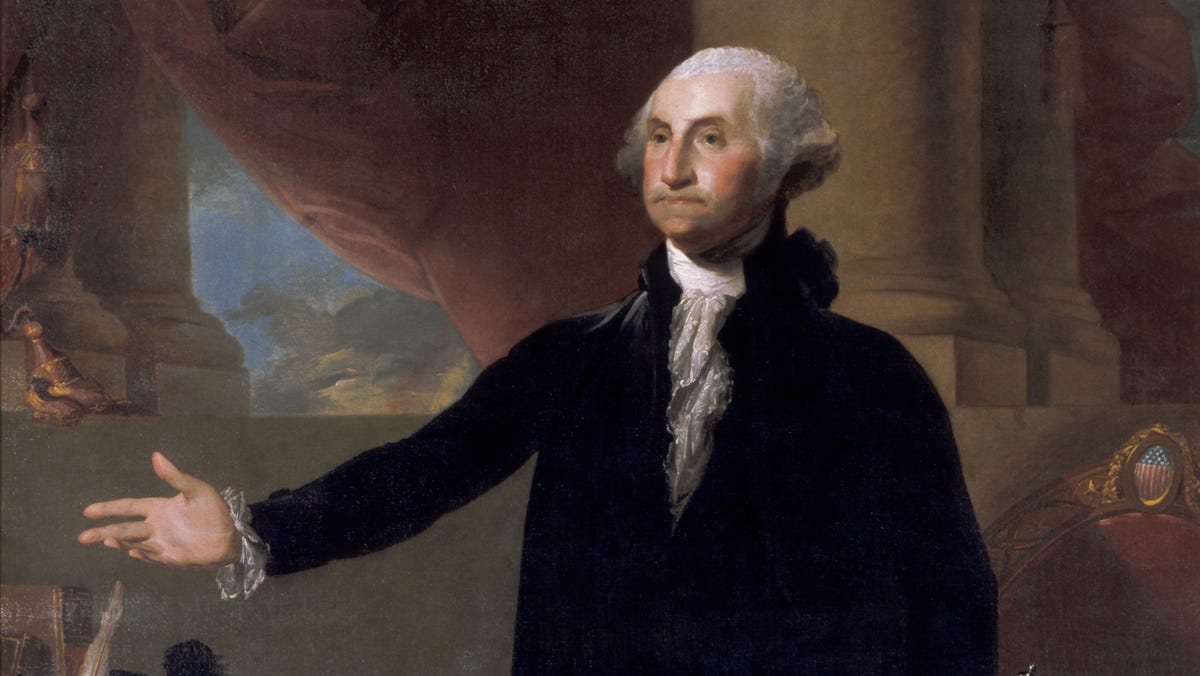
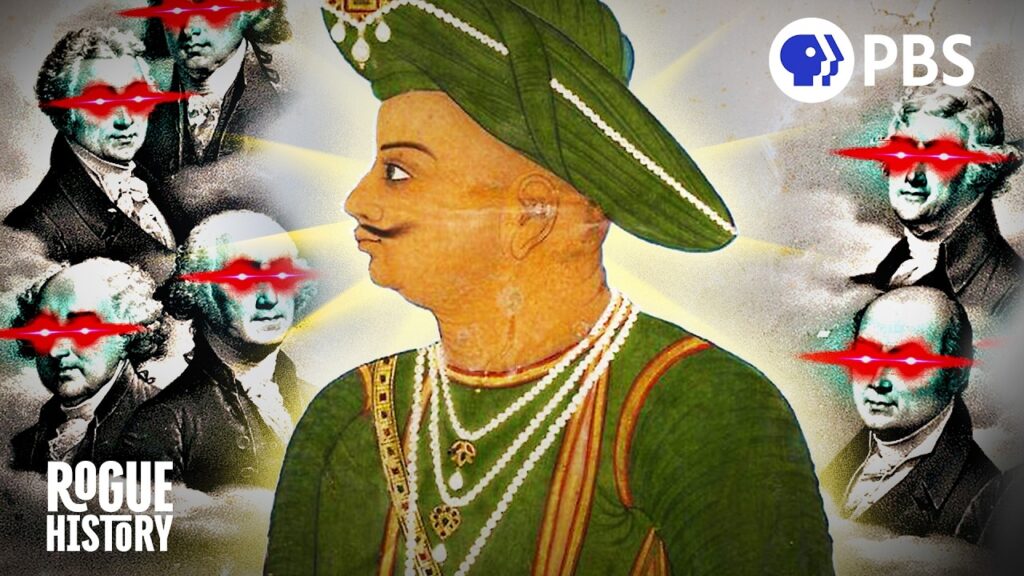
The writings of the Founding Fathers of the United States of America include many a reference to the likes of Cicero, Montesquieu, and John Locke. That the names Hyder Ali and his son Tipu Sultan never appear may not sound like much of a surprise, even if you happen to know that they ruled the Indian region of Mysore, now officially called Mysuru, at the time. But history records that more than a few Americans, including Thomas Jefferson and John Adams, followed with great interest the struggles of that father and son against the British. Those struggles took place from the mid-eighteenth to the early nineteenth century — a time when the American colonies, of course, had their own conflict brewing with the motherland.
Hyder became the Sultan of Mysore in the seventeen-sixties: “a dangerous time to come to power in South Asia,” writes Blake Smith at Aeon, given that “the British East India Company was expanding its power throughout the Subcontinent.” Allying with France, much like the rebelling American colonists, Hyder “held off the British advance for another two decades, dying in 1782, just a year before the US triumphed in its own rebellion against Britain.”