The king and the aristocrat
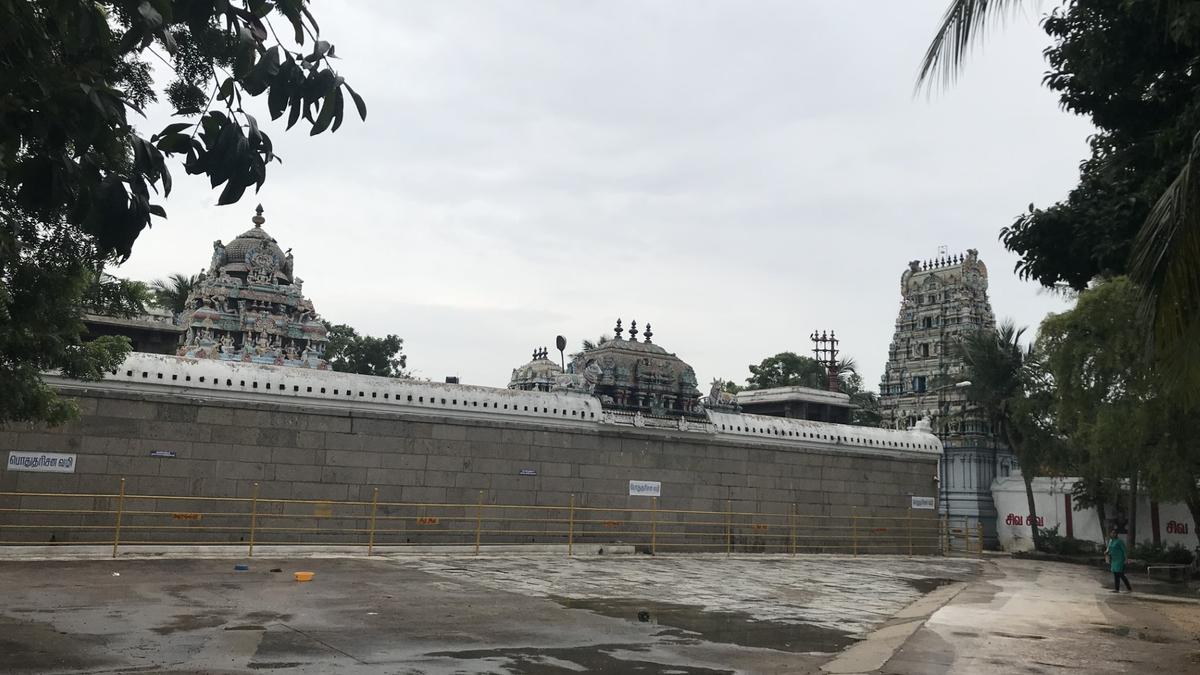
In the late sixth century CE, a dynasty formerly based on the Andhra coast—the Pallavas—arrived with their armies in present-day Tamil Nadu. In the region, especially the Kaveri delta, powerful peasants of the Vellala caste controlled most agricultural land, and were not interested in these new kings handing property out to their loyalists. And so, the early seventh-century king Mahendra-varman I, a playwright, aesthete, and patron of rock-cut temples, invested in a new mode of semidivine political branding. In his temple to Shiva at the Trichy Rock Fort, for example, he claimed that when he “made a stone figure in the wonderful stone abode on top of the King of Mountains, this ruler, ‘Vidhi’ [the creator], made Sthanu [Shiva] true to His name and became himself sthanu [fixed, immortal] together with Him, on earth.” Sanskrit puns of this sort could not be read by the average subject or devotee. Mahendra’s audience was other landed aristocrats, over whom he claimed preeminence through his proximity to Shiva.What followed, as historian Manu Devadevan demonstrates in his paper, ‘From the Cult of Chivalry to the Cult of Personality’ (2017), was a wholesale reinvention of royal identity. Temples were named after the king’s personal titles—for example, Mahendra-Vishnu-Griha, Mahendra’s Home for Vishnu. Cities were renamed: Mahallapuram, after king Mahamalla (“Great Wrestler”).Pallava court poet Dandin, whose Kavyadarsha or “Mirror of Poetry” shaped literary practice from Sri Lanka to Tibet, made explicitly urban and elite recommendations for good Sanskrit, maintaining a careful theoretical distance from the rural and the rustic. The infrastructure of Pallava kingship was calibrated to dazzle an audience of urban, literate elites. The eighth-century Pallava king, Narasimhavarman II, left a catalogue of 233 personal titles inscribed at Kanchipuram, celebrating his courage in battle, his beauty, his erotic energy, and his generosity to Brahmins. Not one of them meant anything to the effect of “he who built schools and hospitals”.Such political techniques were not unique to the Pallavas. As historian Ronald Inden argues in his book Imagining India (2000), the paramount medieval sovereigns—the Rashtrakuta emperors of the Deccan—presented themselves as descendants of the Moon, bringing order to the decadent Kali Age. Their prashastis catalogued military campaigns against recalcitrant kings, and described their lustrous fame expressed in jewels, royal parasols, and captured insignia. The Rashtrakuta imperial formation was a hierarchy of ranked kings and lords, bound to the Maharajadhiraja, the Great King-of-Kings, through the distribution of titles, honours, and symbolic privilege. The king’s subjects were other aristocrats, the only individuals with the resources to actually challenge him. Political energies were directed toward keeping them in line, through architectural, literary, and occasionally, military manifestations of power.