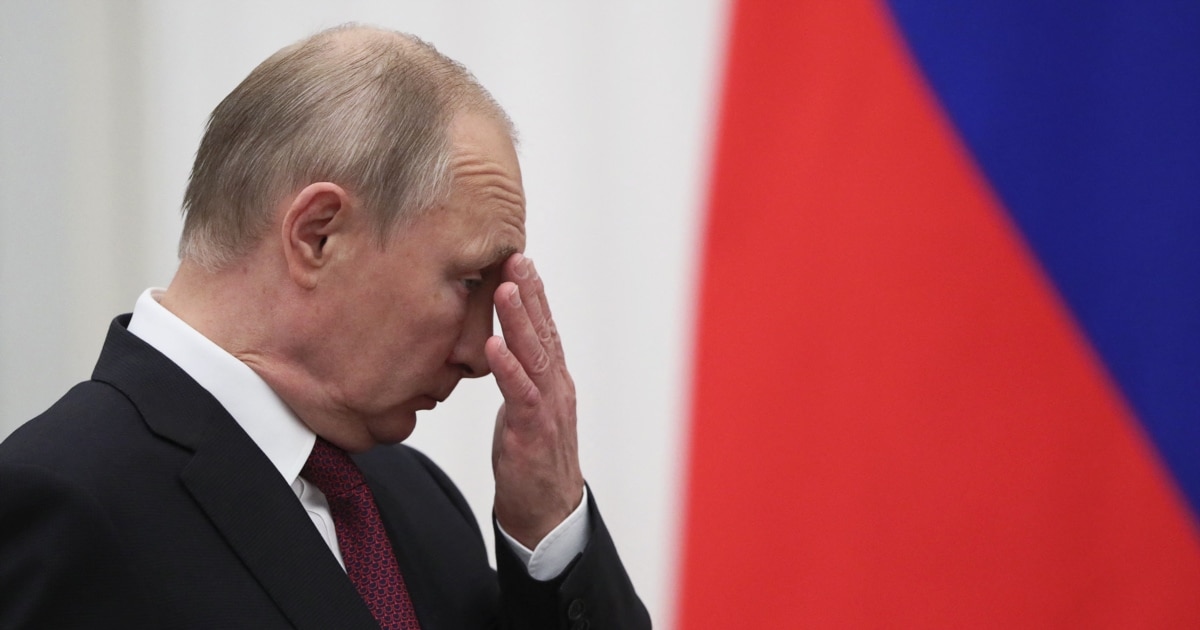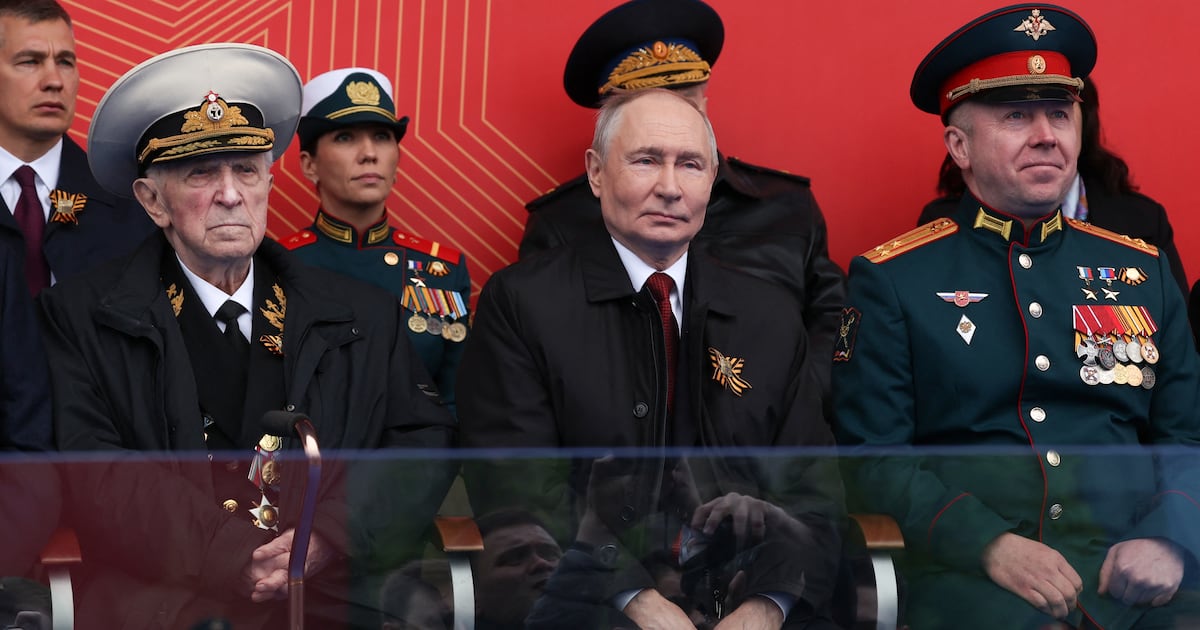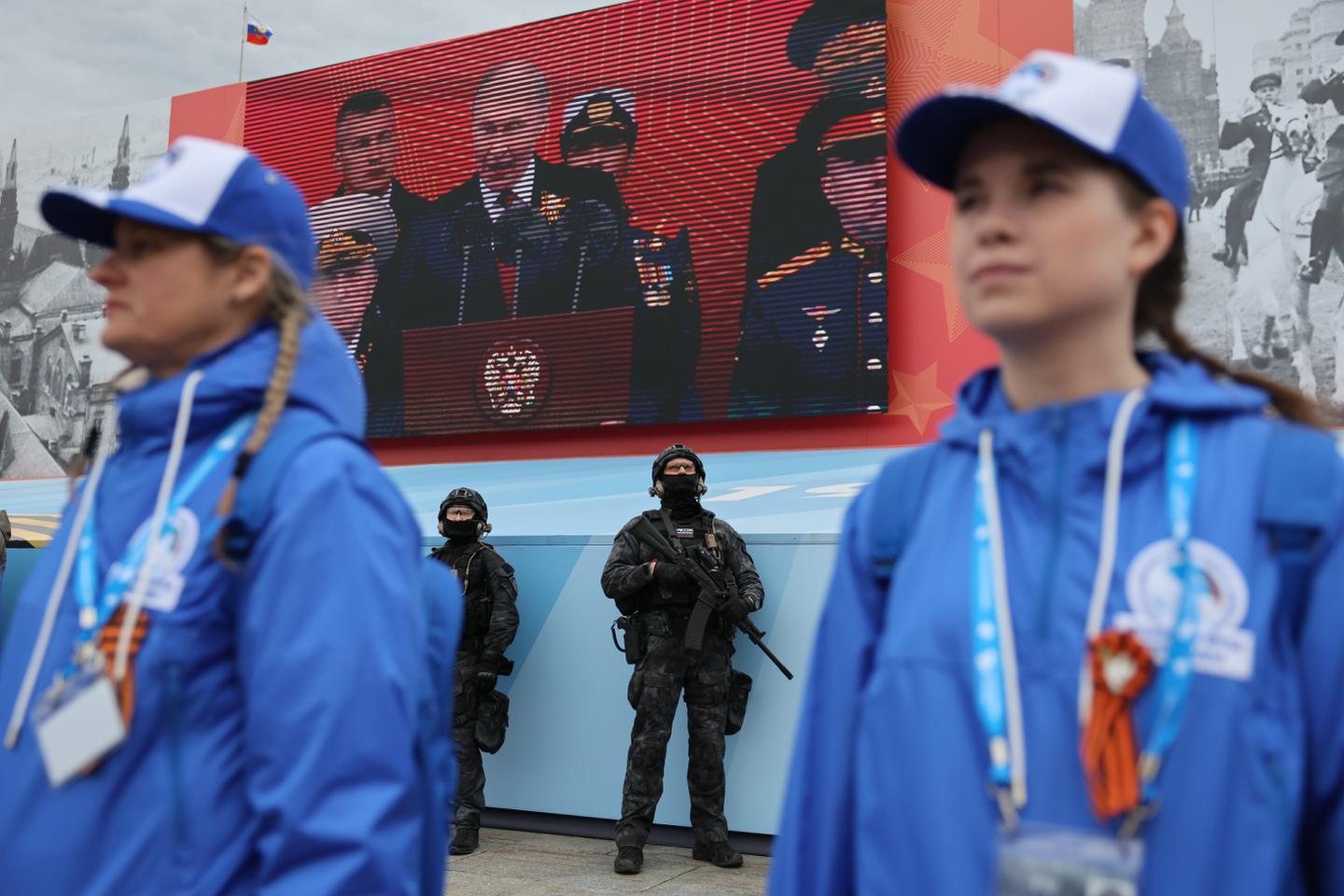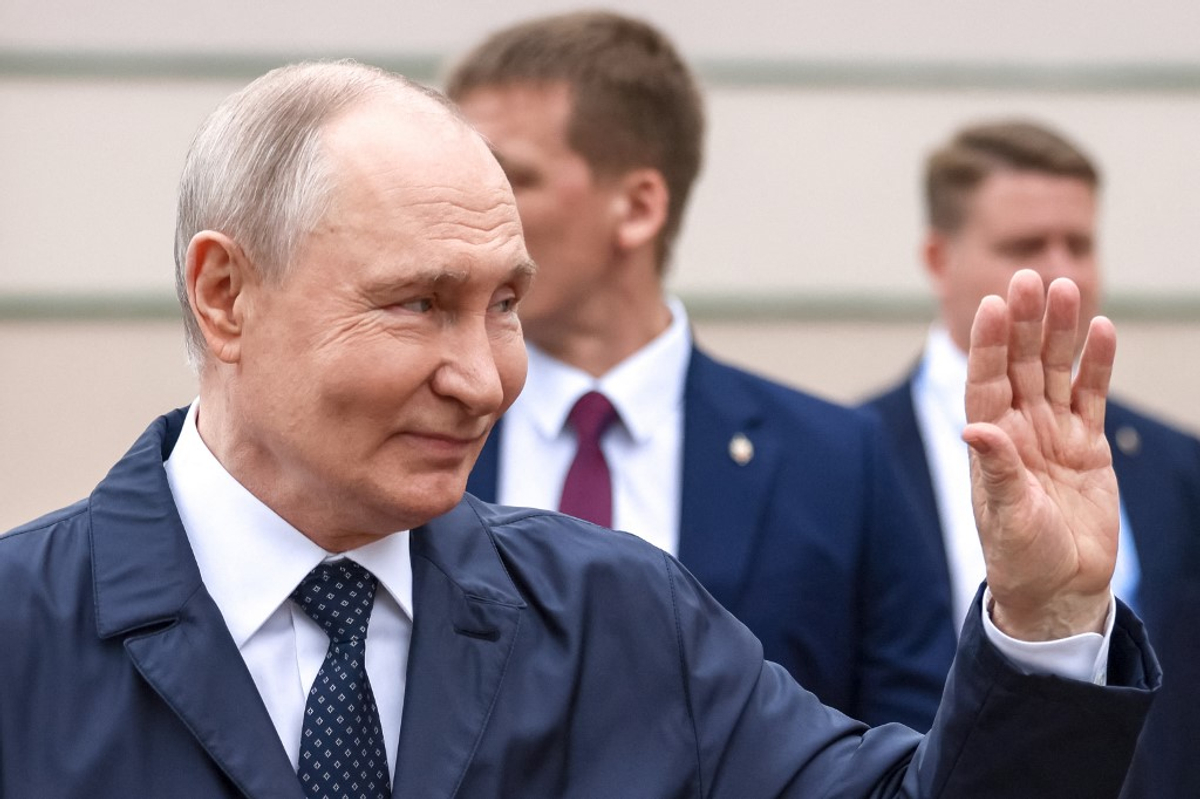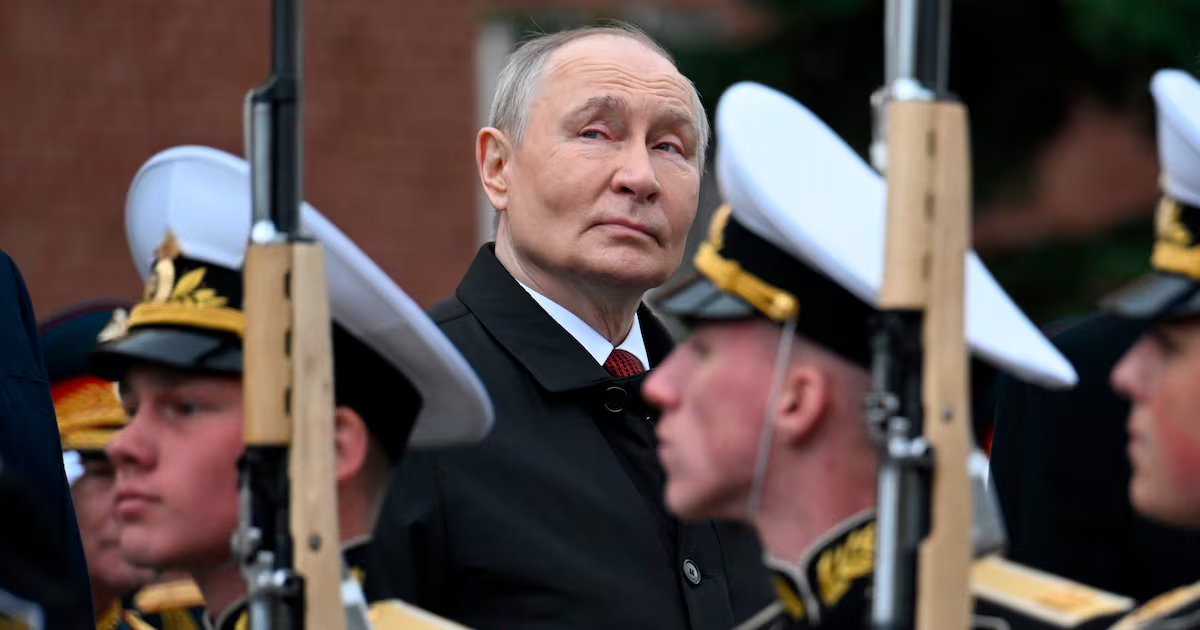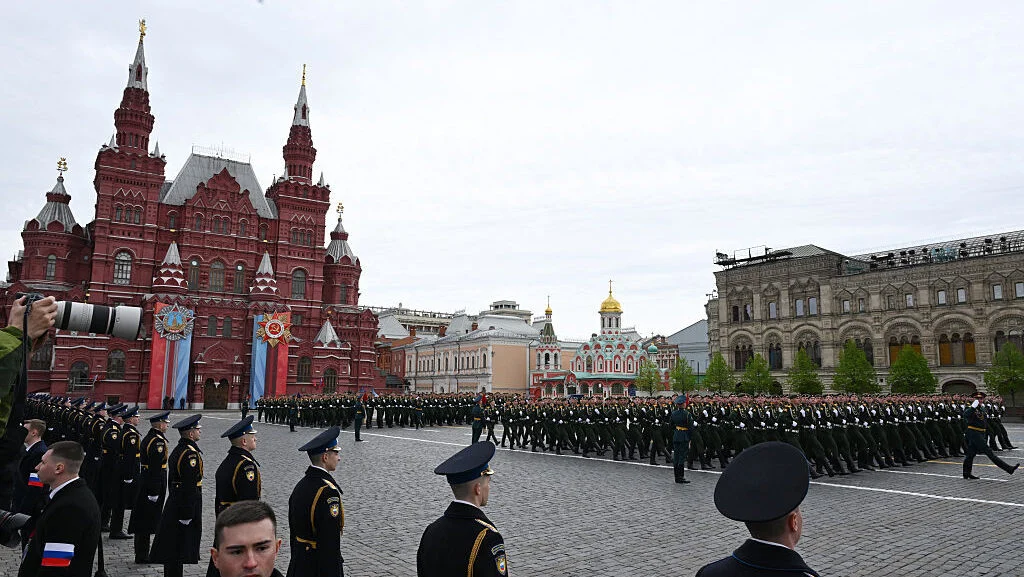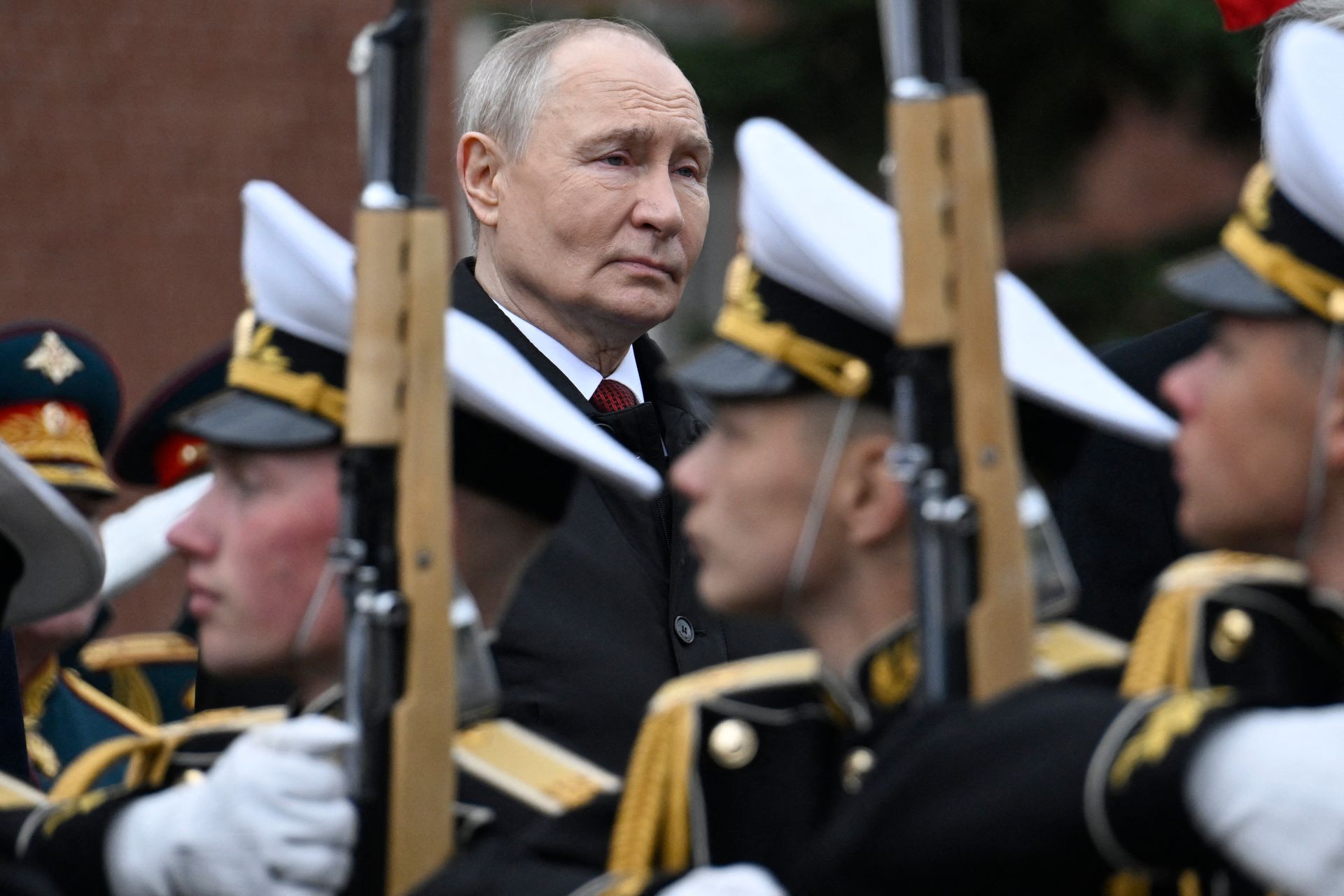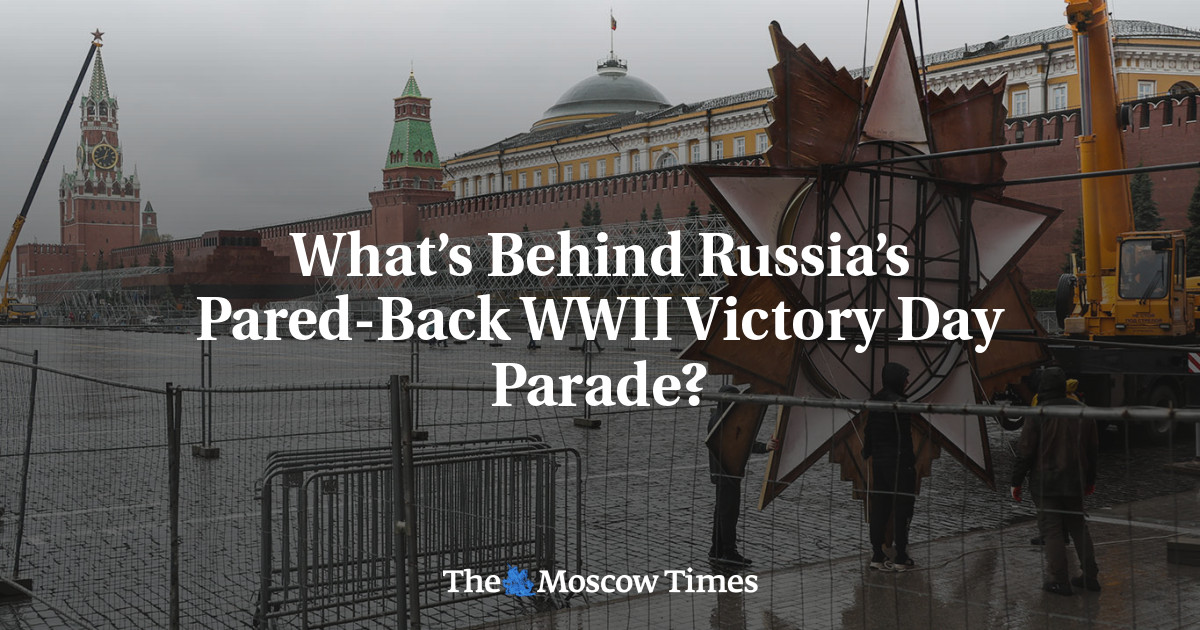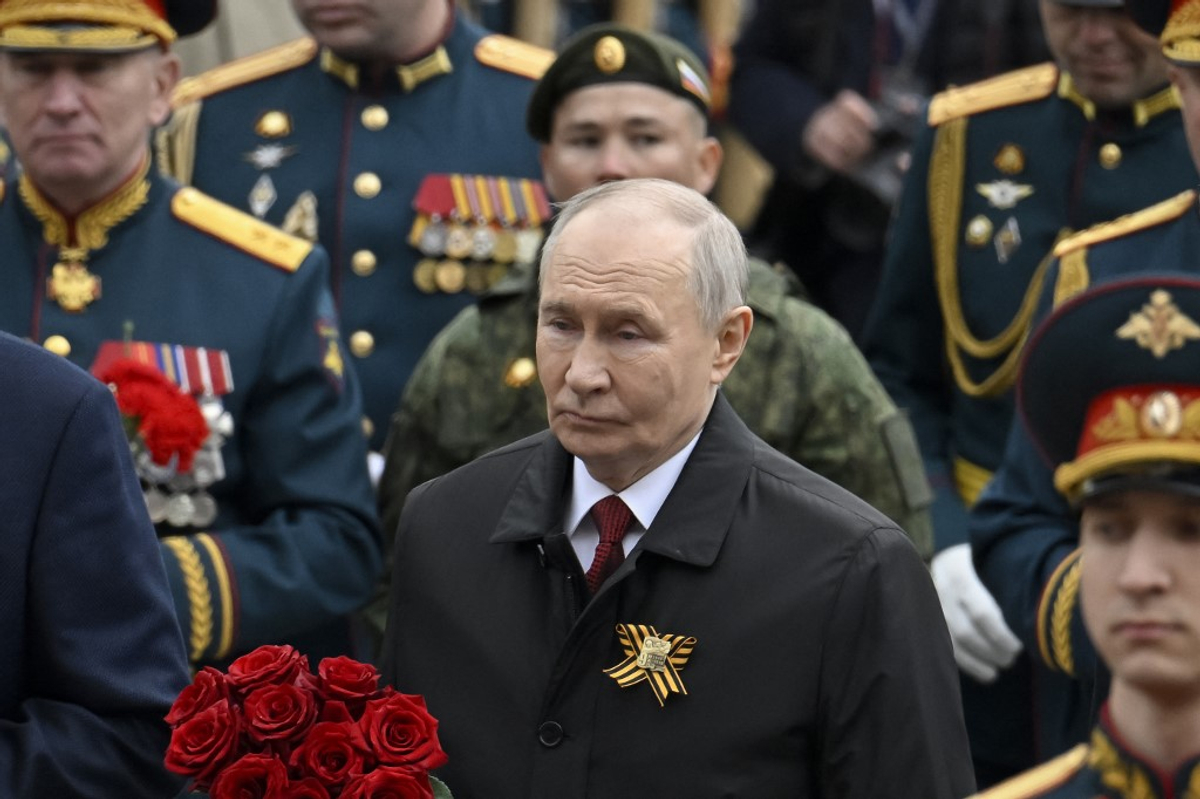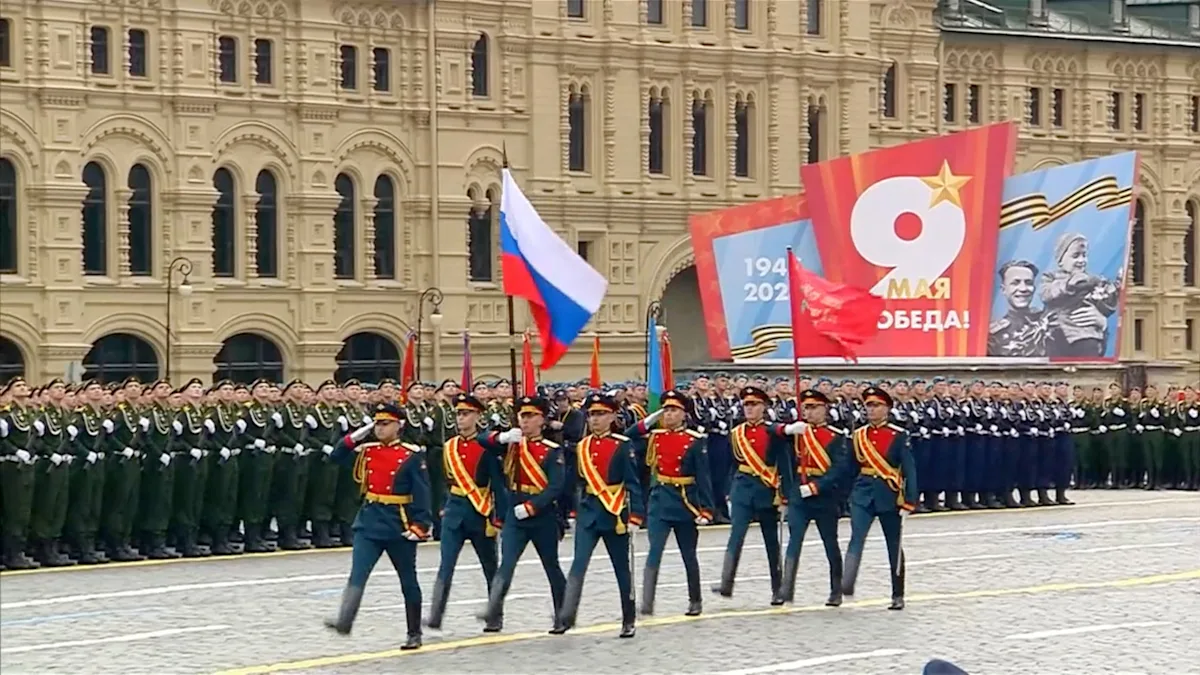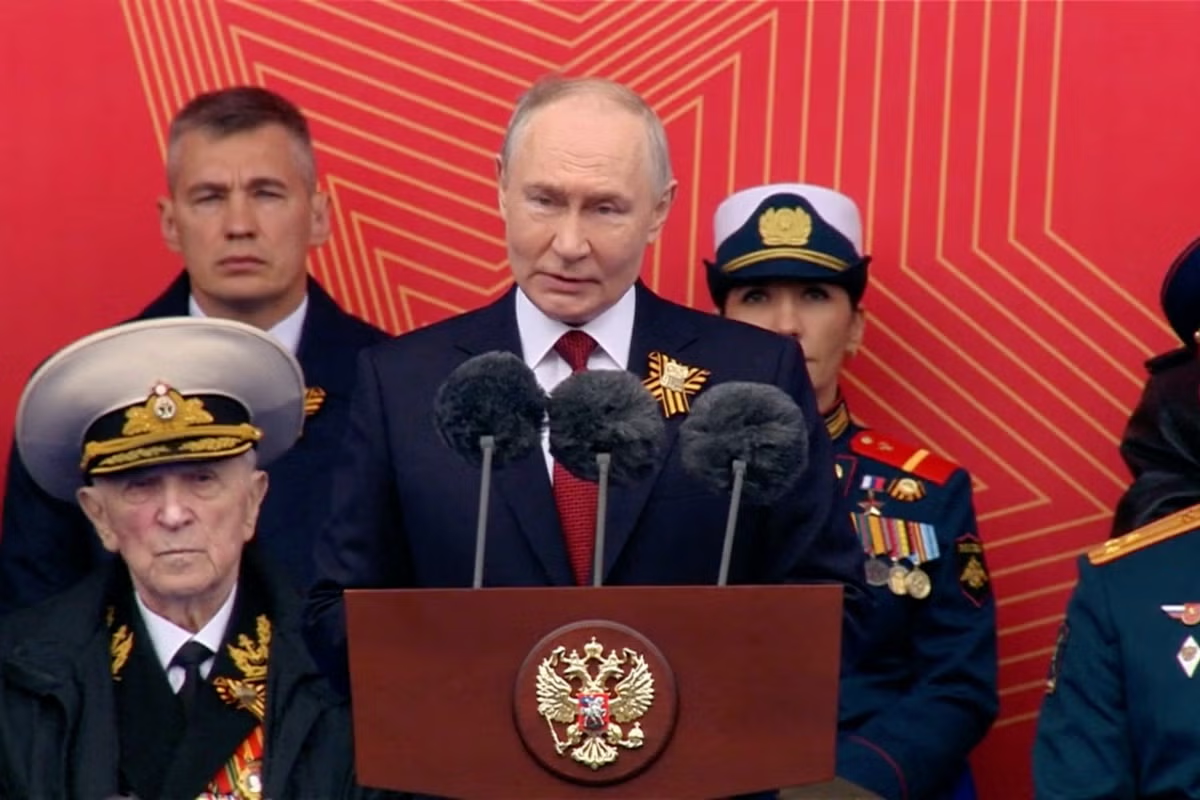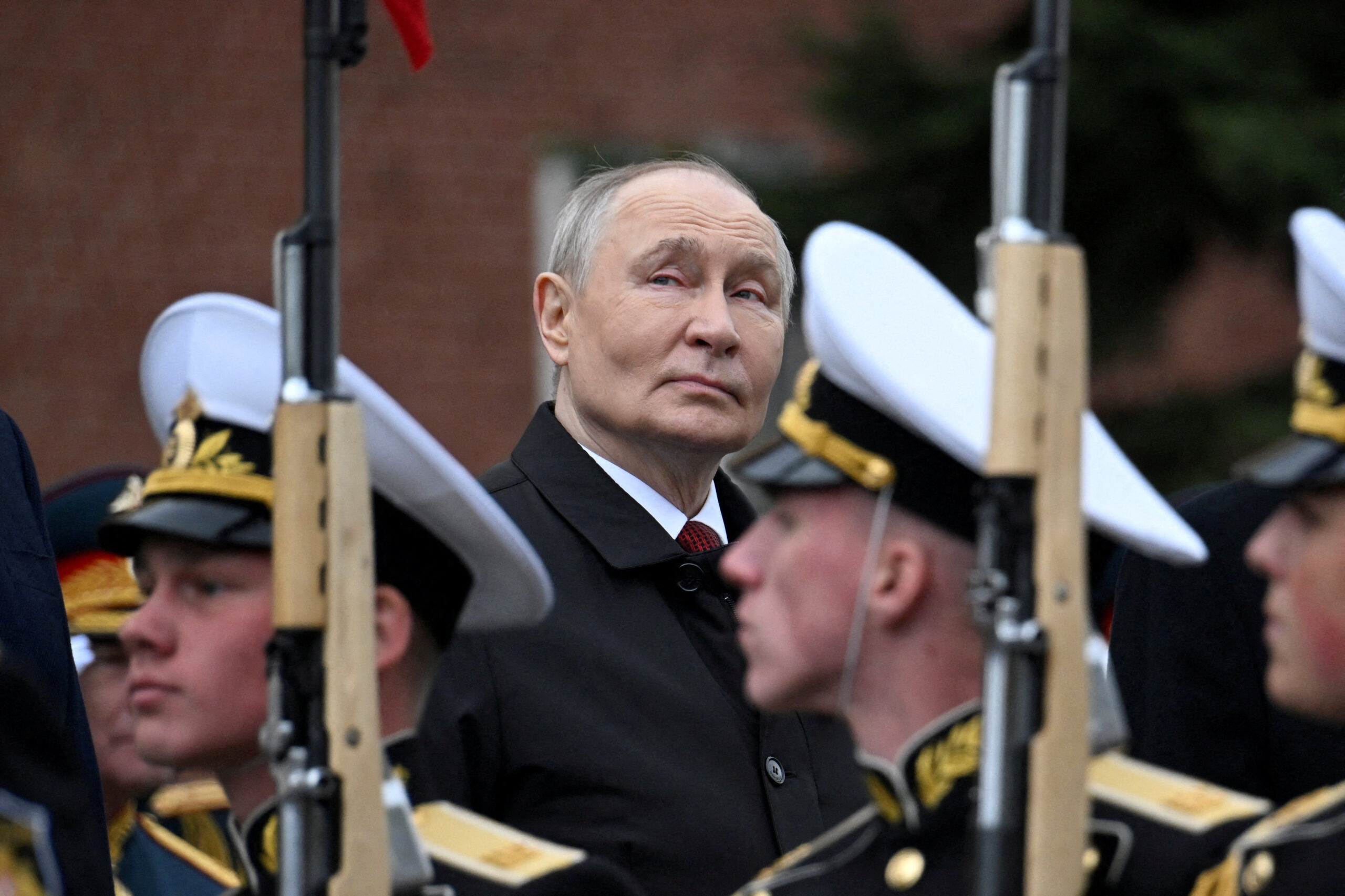
Since taking office in 2000, Russian President Vladimir Putin has transformed the country’s Victory Day celebrations into the most important holiday of the year. During the Soviet era, Victory Day had been a solemn occasion marking the defeat of Nazi Germany, with only four military parades held between 1945 and the collapse of the USSR in 1991. Under Putin, the Victory Day parade has become an annual affair that dominates the Kremlin calendar and is used to demonstrate modern Russia’s resurgence as a major military power.
This helps explain why last week’s muted celebrations in Moscow attracted so much international attention. Unlike previous years, the 2026 parade was dramatically scaled down and featured no military hardware at all amid reports of concerns about possible Ukrainian drone strikes. The downgraded holiday was preceded by days of wrangling over a possible Victory Day ceasefire, with Putin seeking US President Donald Trump’s help to secure Kyiv’s backing for a temporary pause in hostilities.
Most international media coverage of this year’s Victory Day parade reached the same conclusion: An event that was meant to project Russian strength had instead highlighted Putin’s weakness. However, this optimistic Western framing may be masking a far grimmer reality.