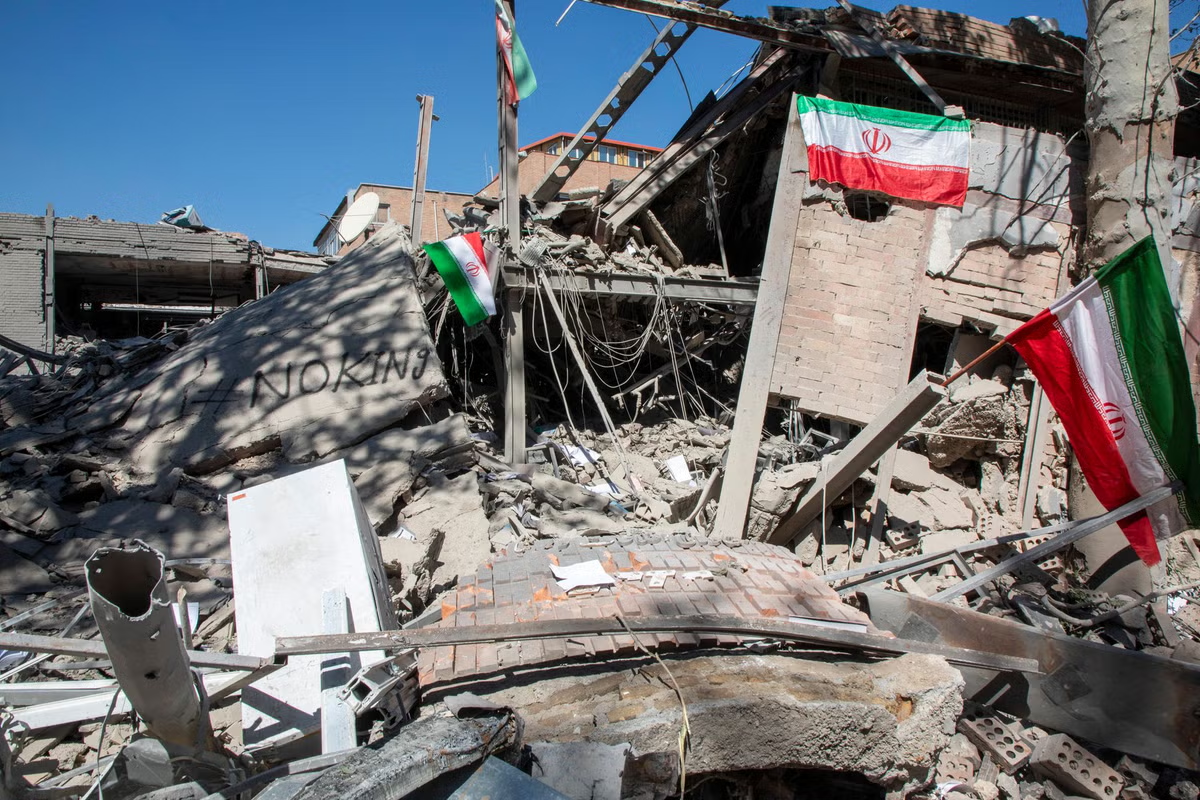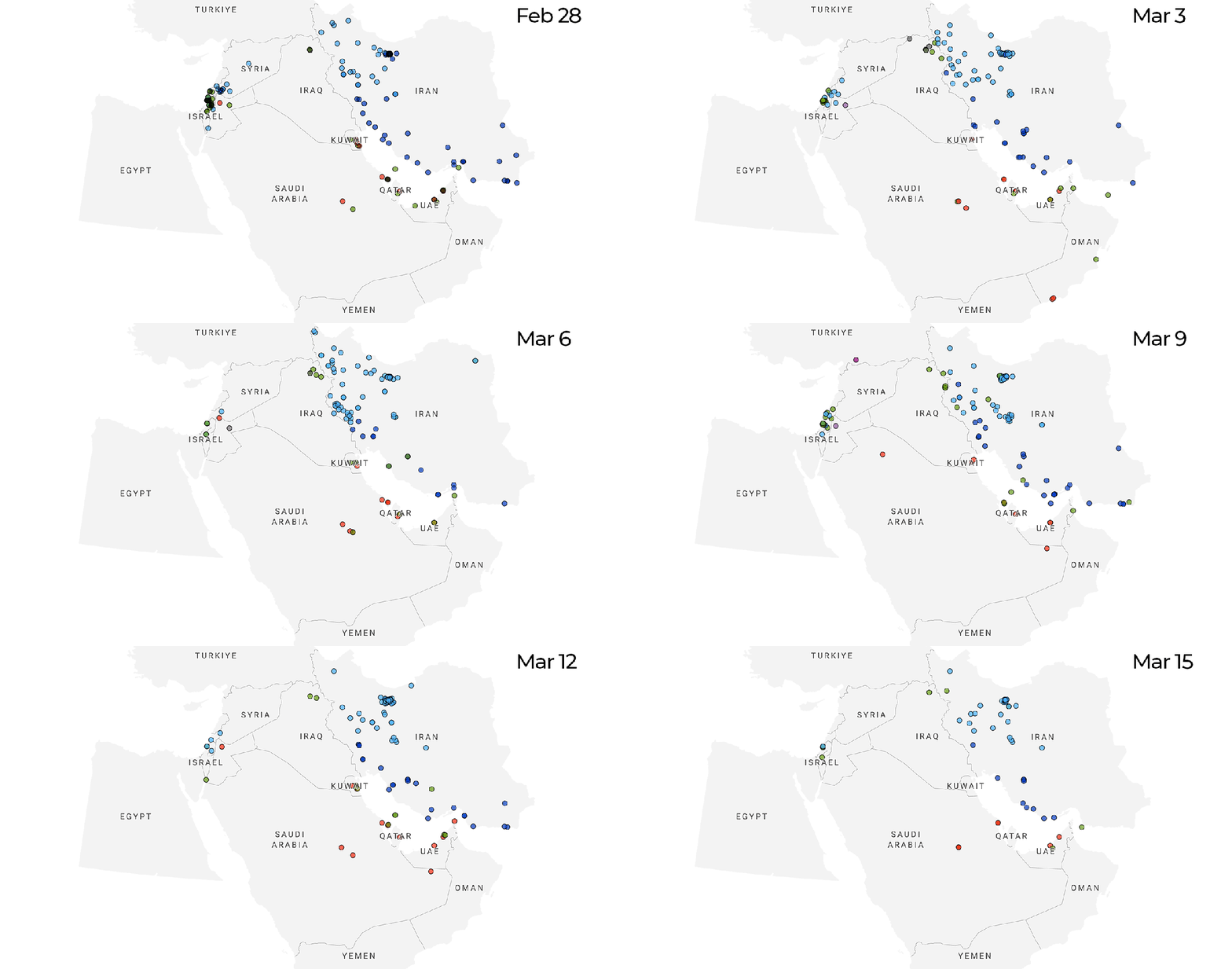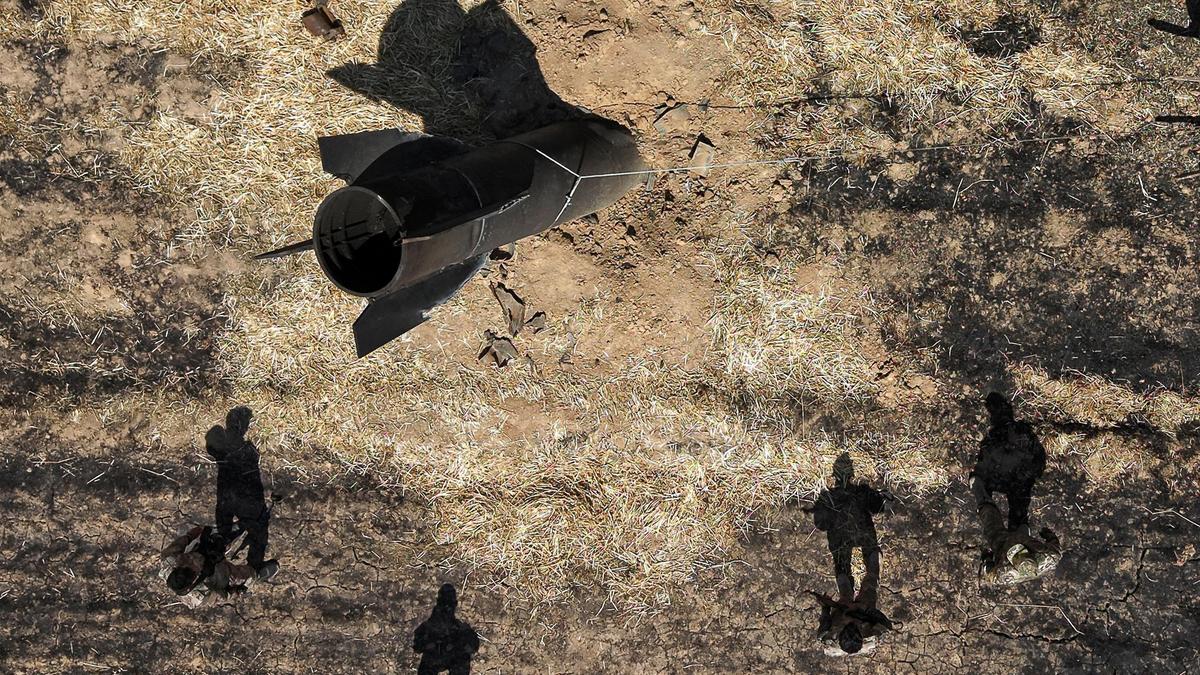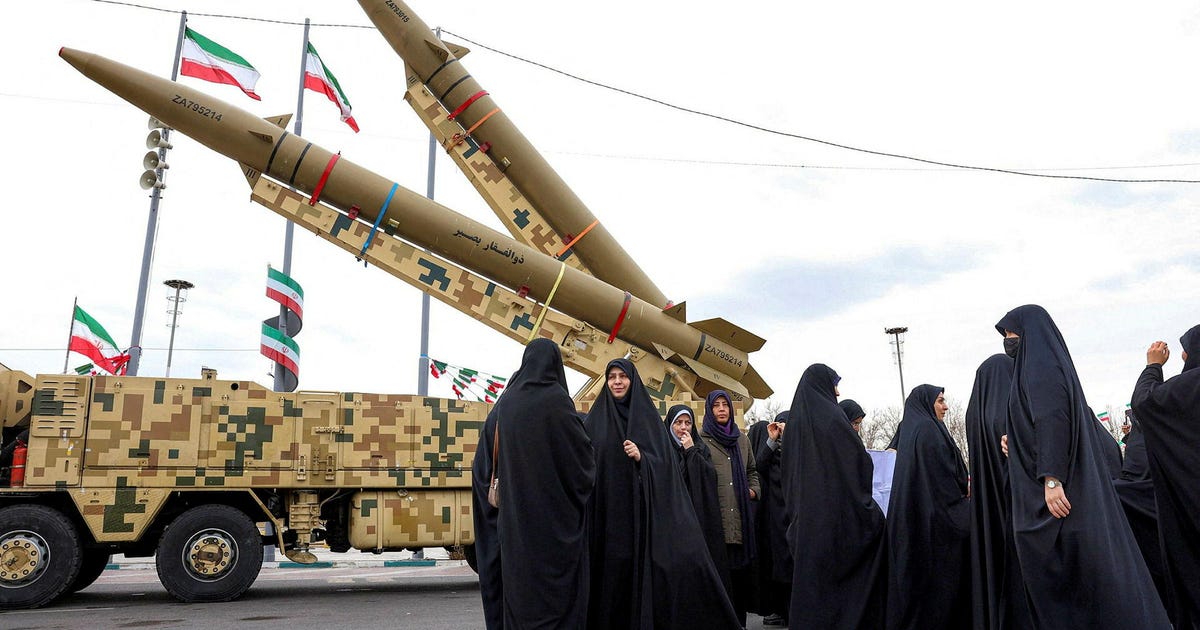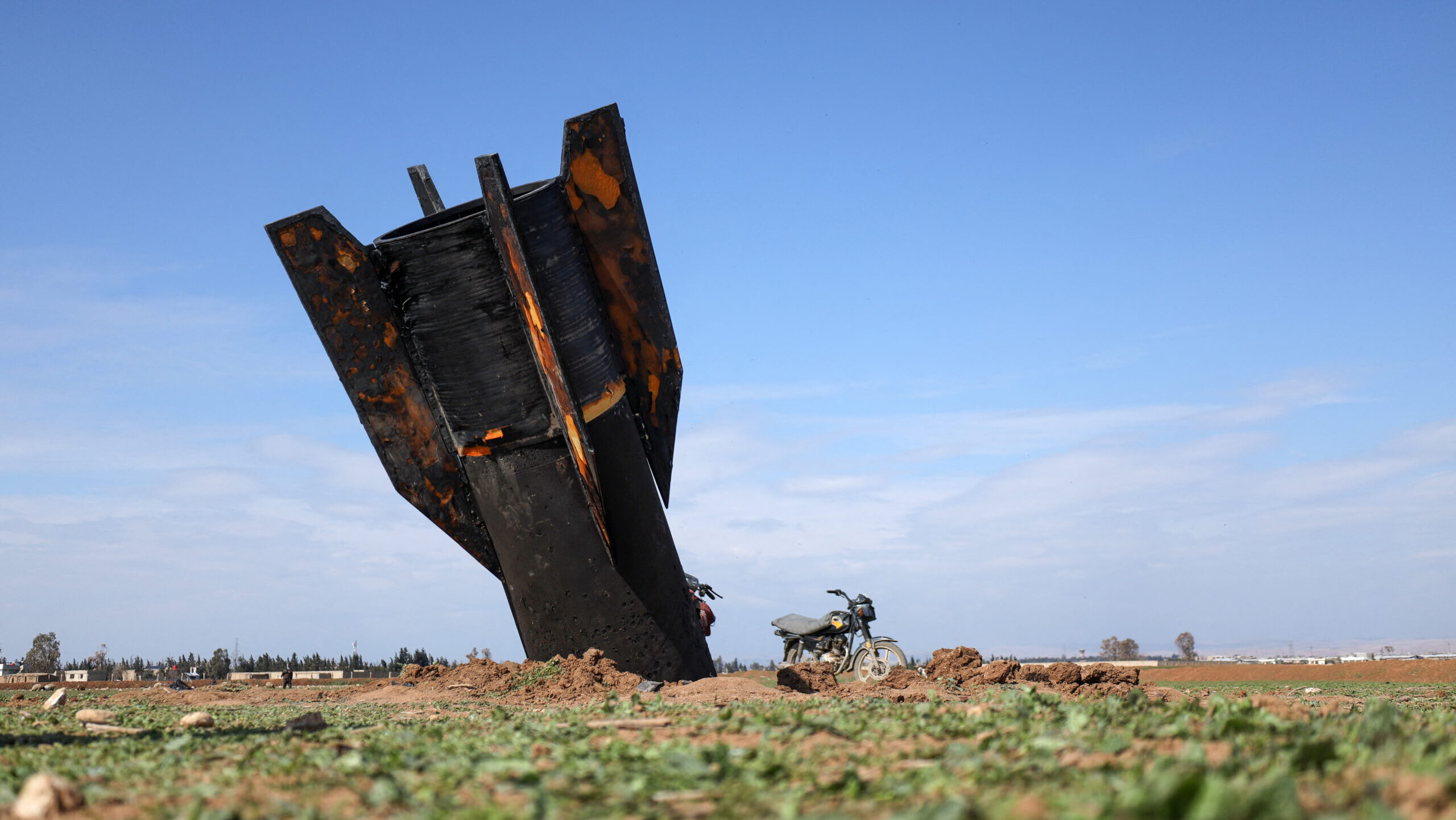
Since the Feb. 28 attack by the US and Israel kicked off the latest war in the Middle East, the conflict has ebbed and flowed. But no matter the claims of a ceasefire, the exchange of missiles and drones from Iran towards its neighbors has never truly stopped.
While that’s bad news for the region, it has provided a rare set of data: ten weeks of active warfare largely based around long-range strikes.
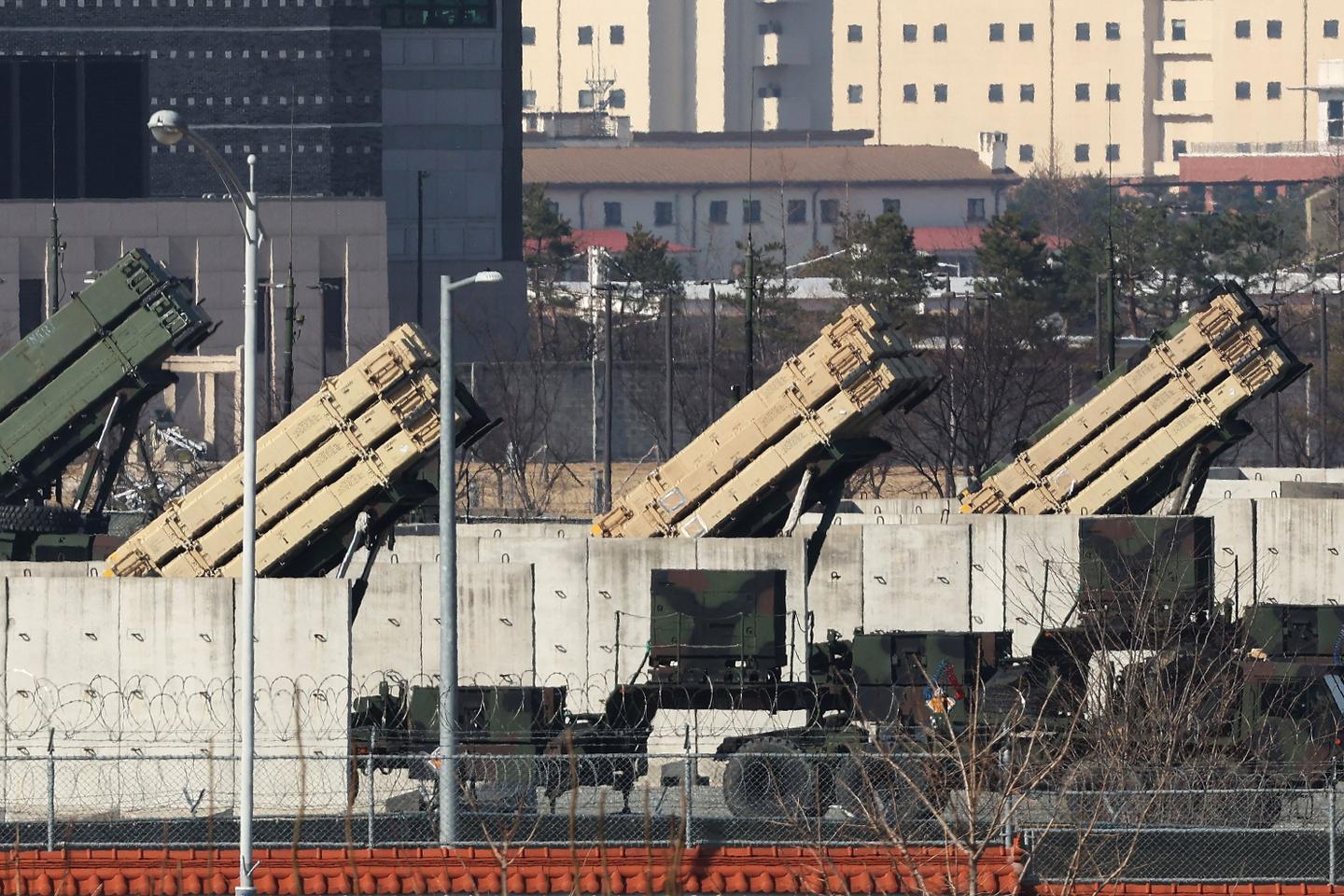
Iran responded to the Israeli-US attack by launching thousands of missiles and drones at Israel, the Gulf States, and US facilities in the region. Overall, missile defenses have been effective in limiting casualties. However, Iran may have exploited some weaknesses. Furthermore, defending Israel seems to have used a larger fraction of the available US interceptor missiles than of Iran’s medium-range ballistic missiles, and the numbers do not bode well if wholesale conflict were to begin again.
Here, then, are six key takeaways about Iran’s missiles, and what lessons they may portend for future conflicts.
Missile defenses were effective in preventing casualties