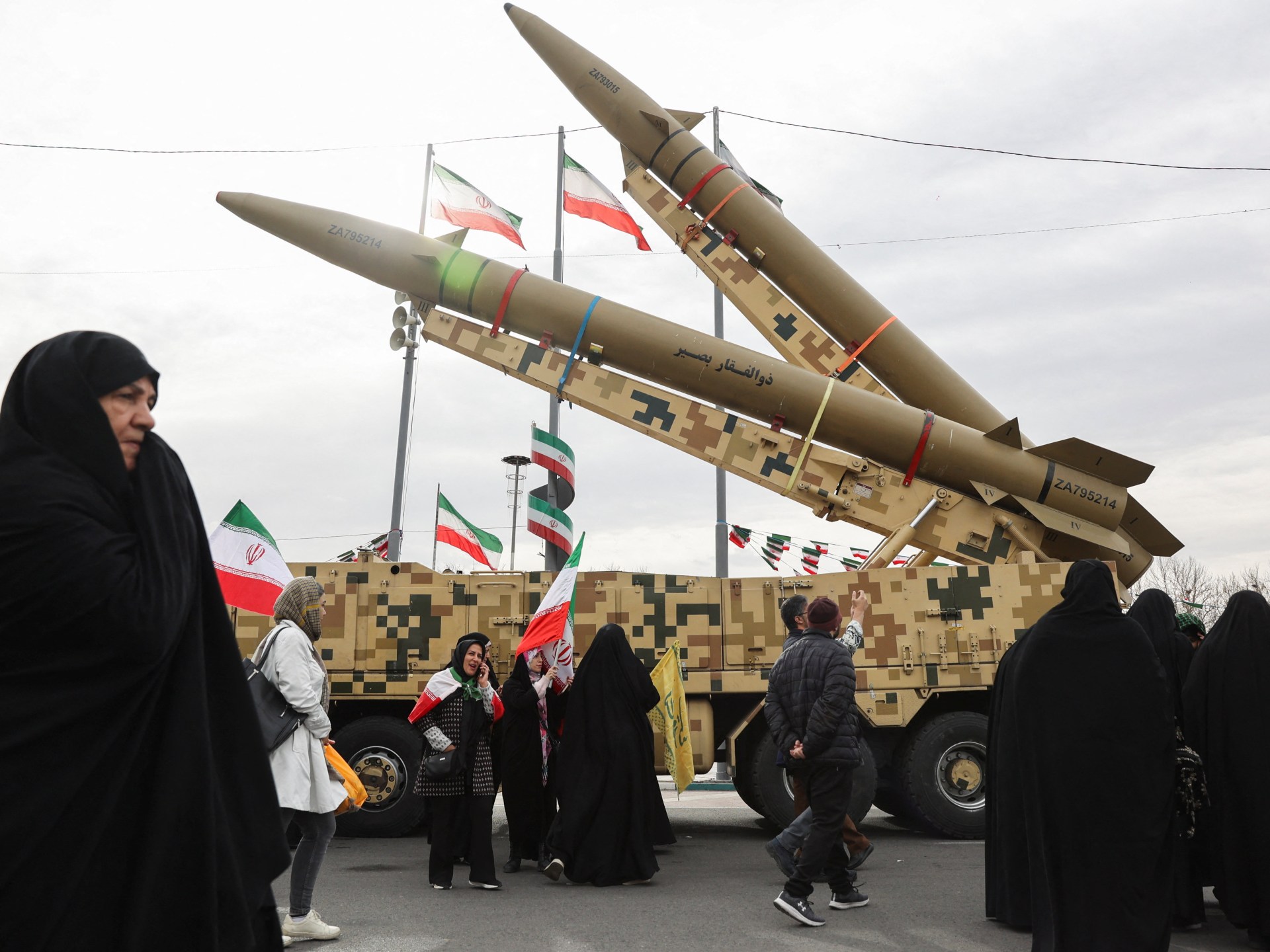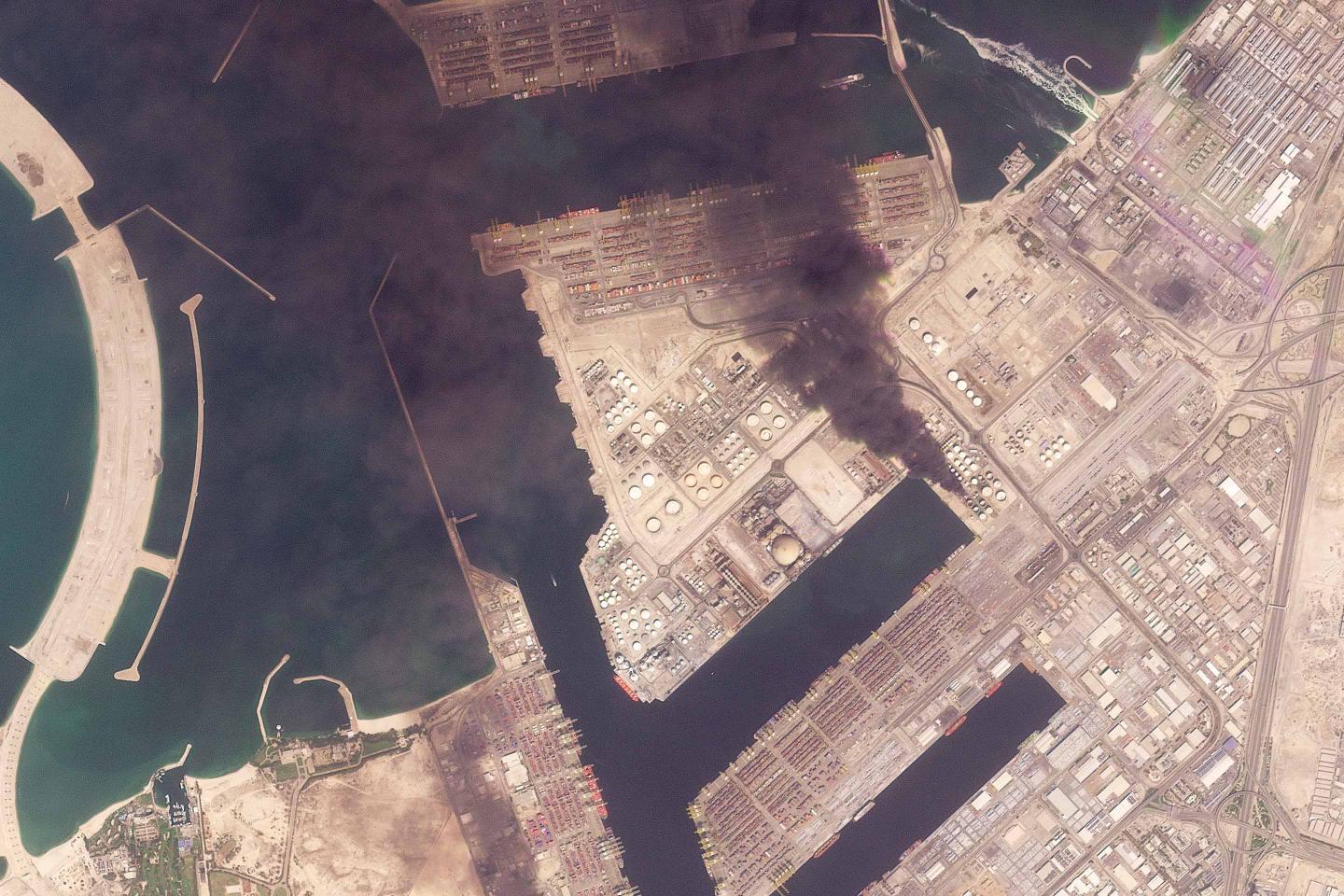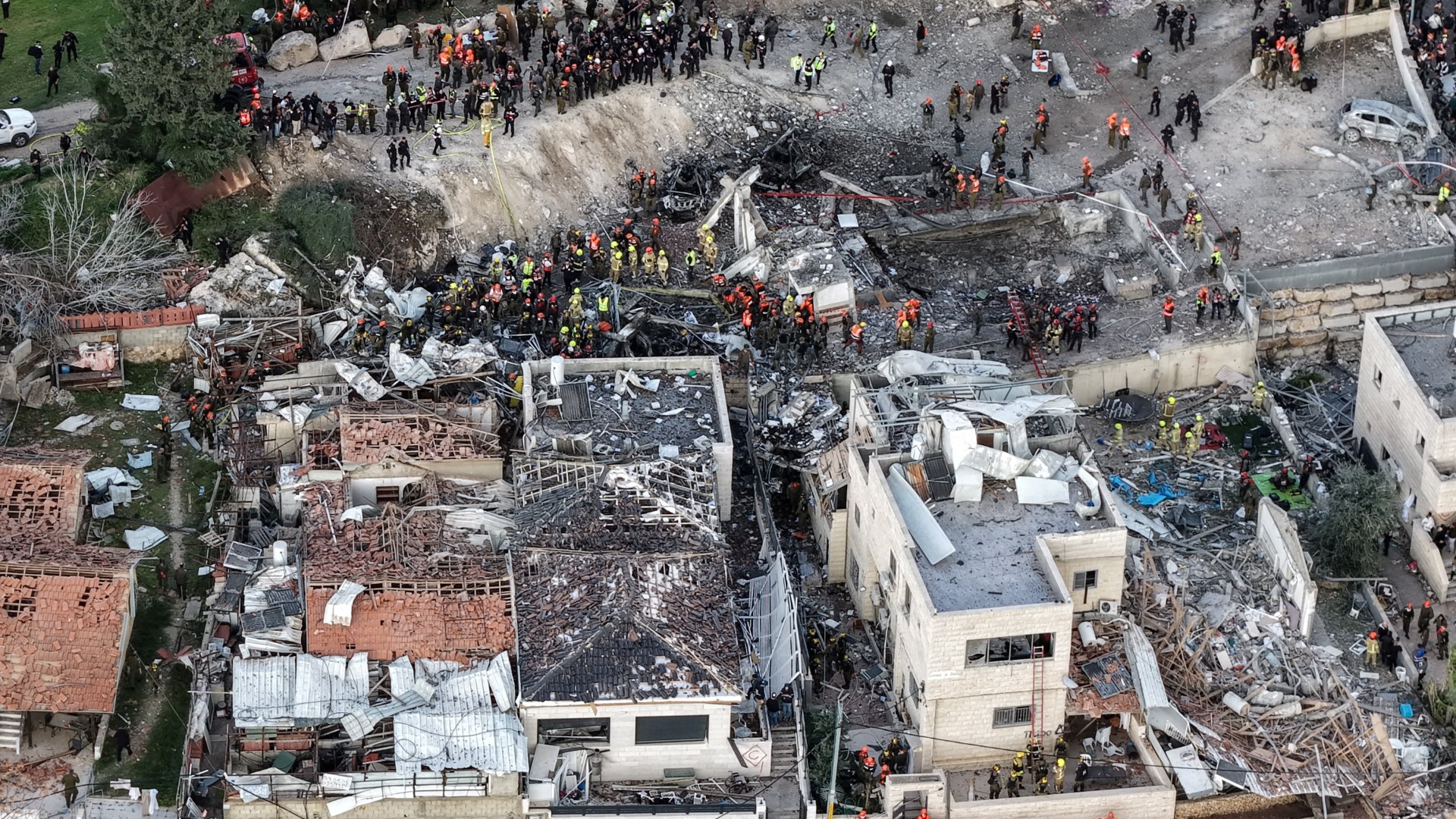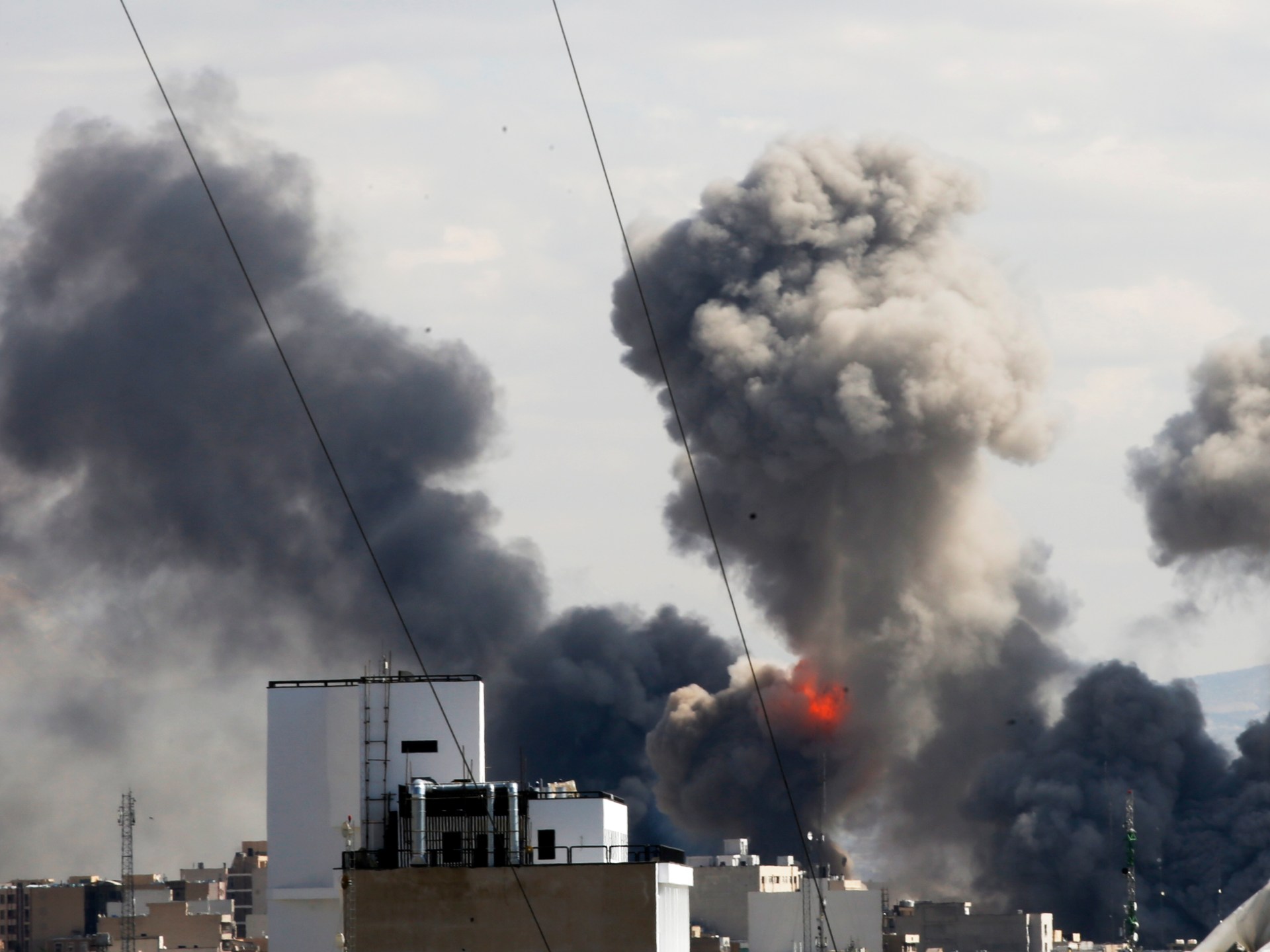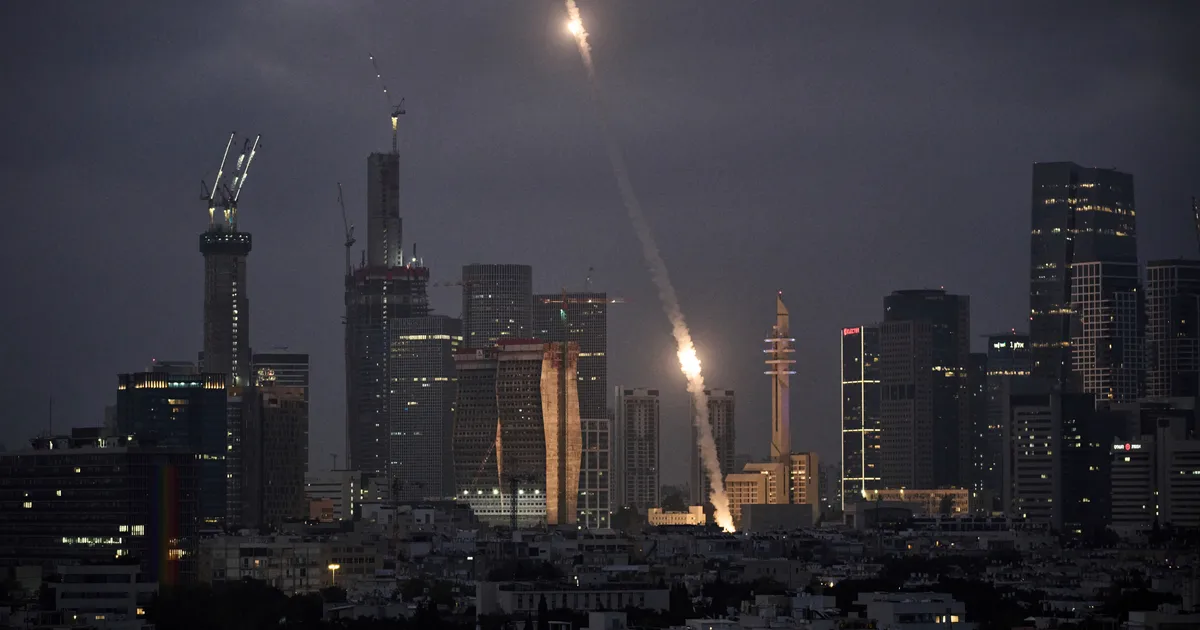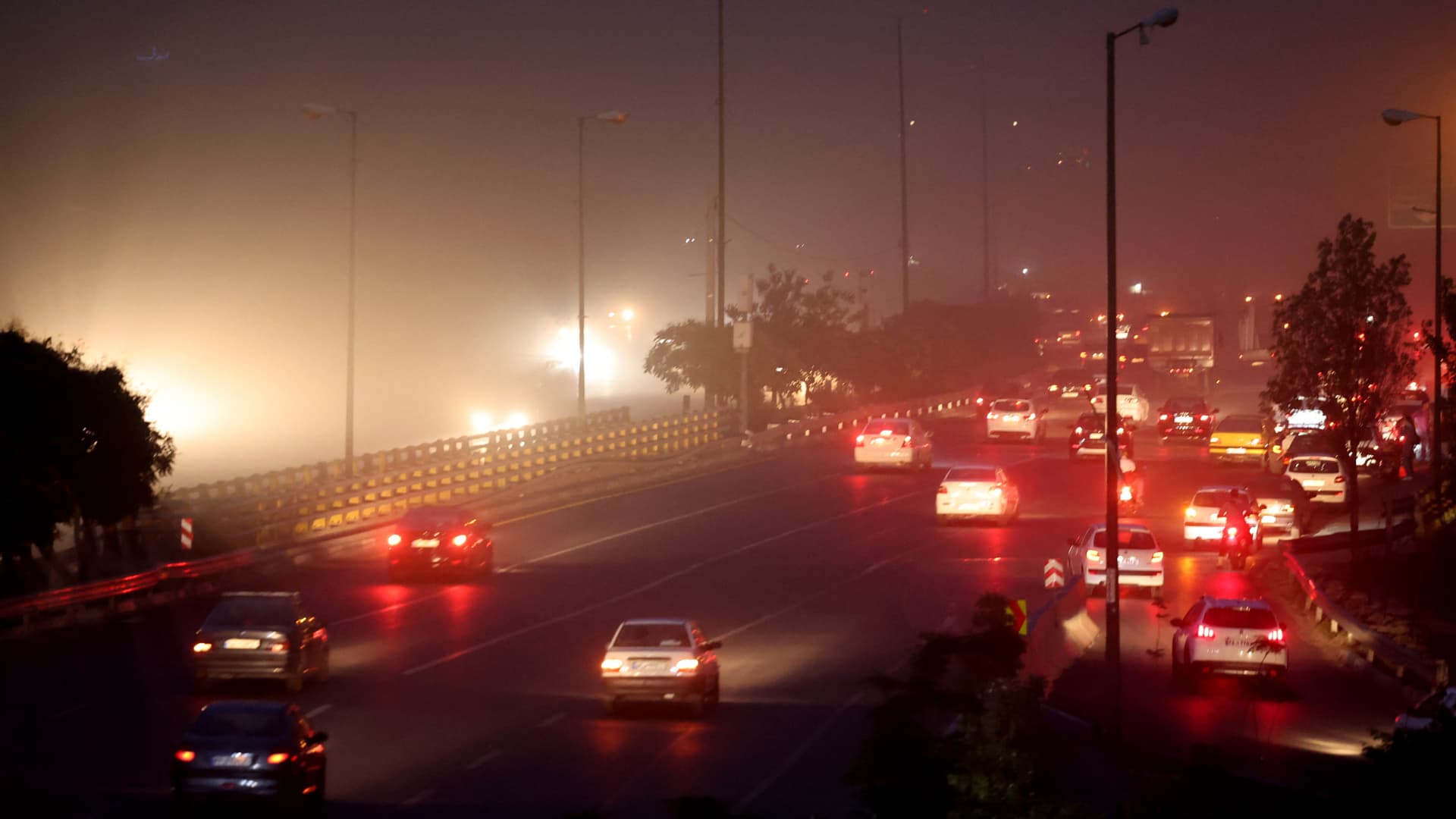
LONDON: When the US and Israel began striking Iran on Feb. 28, Tehran responded swiftly with waves of ballistic missiles and drones aimed at targets in Israel and neighboring Arab states, particularly those hosting US military bases.
For days afterward, despite the loss of senior leaders and significant damage to its military capacity, Iran has continued to launch missiles and swarms of kamikaze drones at multiple regional targets.
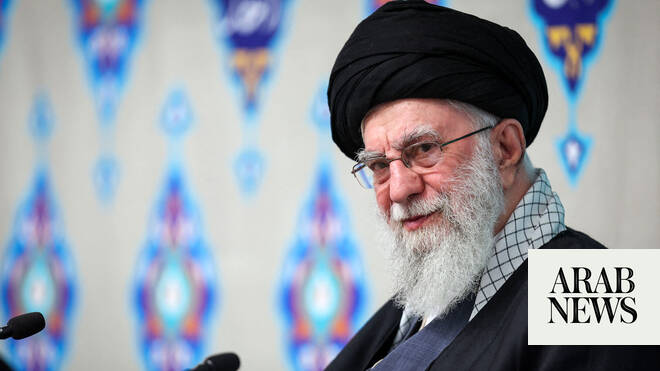
After Supreme Leader Ali Khamenei was killed on Feb. 28, Foreign Minister Abbas Araghchi announced that Iran had activated its “Decentralized Mosaic Defense” strategy.
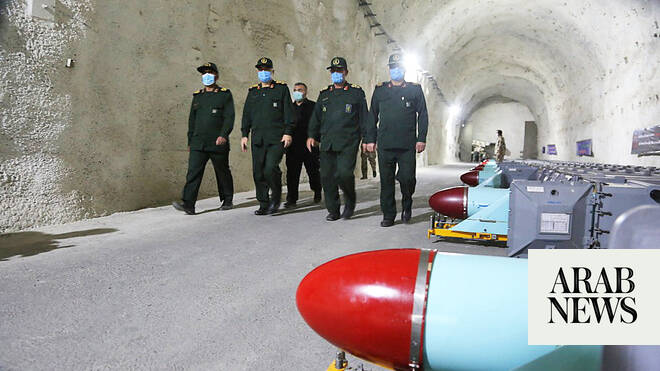
Developed over two decades by the Islamic Revolutionary Guard Corps, or IRGC, the strategy disperses command structures, weapons systems and operational units across vast geographic and organizational lines so that military functions can continue even under intense attack.
This handout photo provided by Iran's Revolutionary Guard Corps official website via SEPAH News on January 8, 2021, shows IRGC chief Major General Hossein Salami alongside navy commander Admiral Alireza Tangsiri unveiling an underground base for anti-ship missiles at an undisclosed Gulf location. (AFP/File photo)