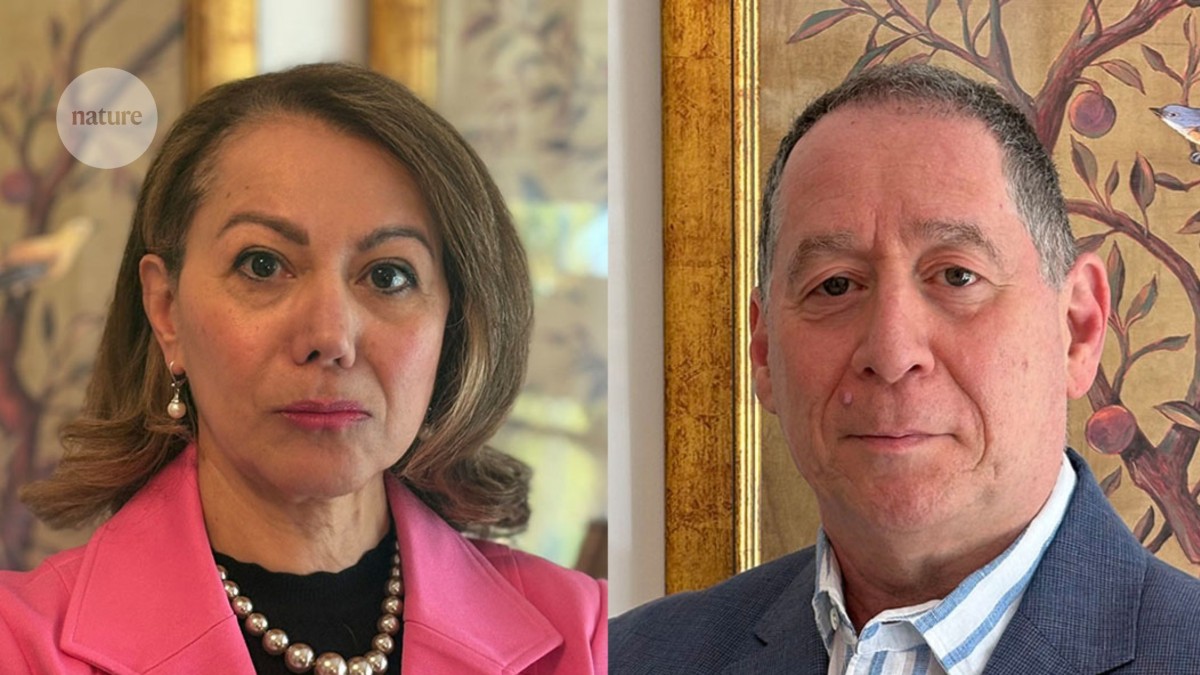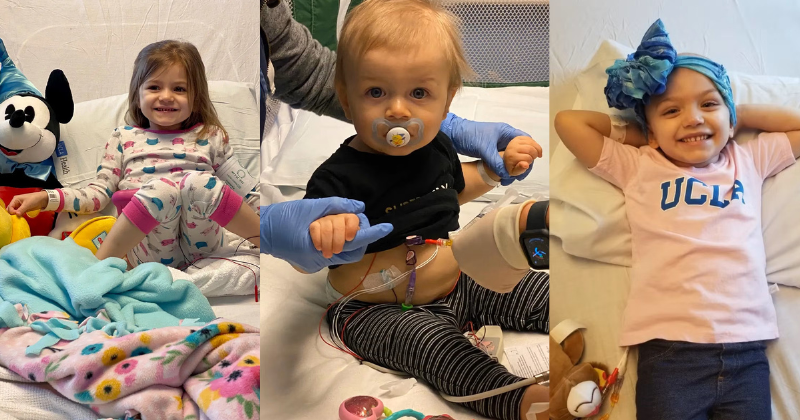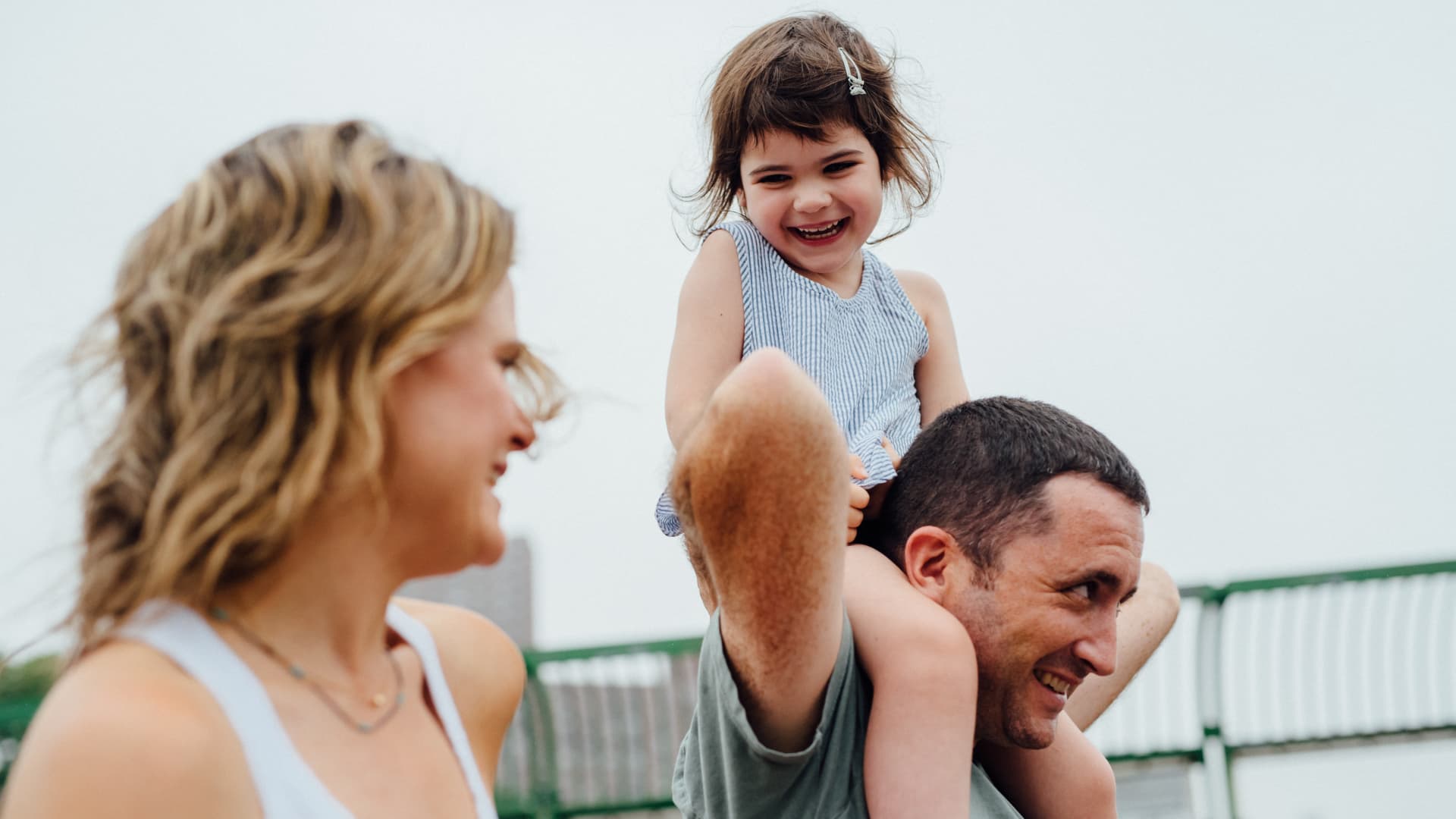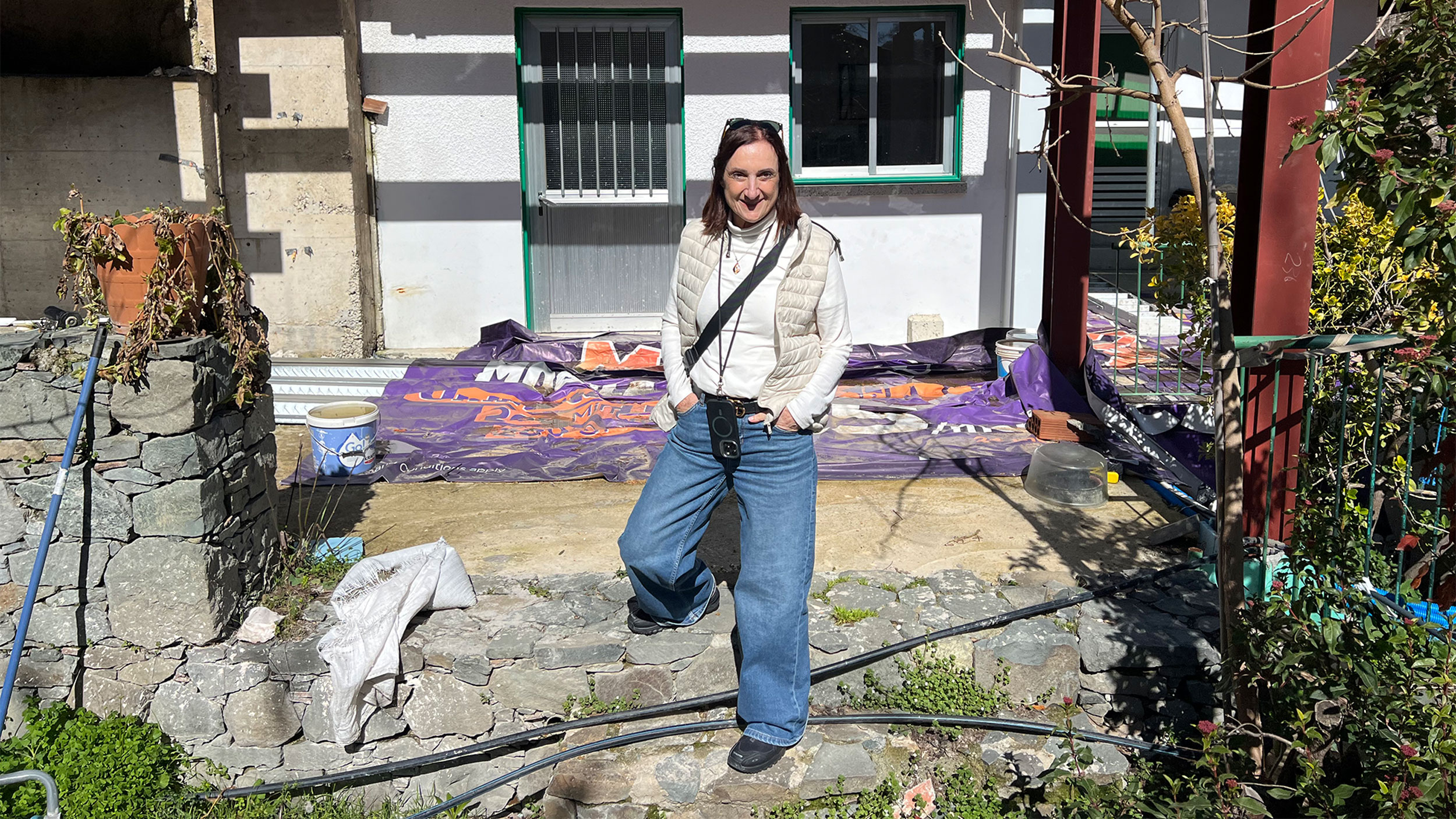
Some 25 million Americans live with rare genetic diseases — that’s nearly 1 in 13. More than half are children. The path to discovering what the condition is and finding treatments can take years. But for children who are medical mysteries, getting a diagnosis can be life-changing.Dr. Paola Nicolaides in her office where she sees patients at the American Medical Center in Nicosia, Cyprus.Deepa Fernandes/The WorldDr. Paola Nicolaides is the Cypriot pediatric neurologist behind the discovery of an ultra-rare genetic syndrome. She was early in her career when she encountered a very unusual patient. An encounter that would change the lives of 333 individuals who, today, have a diagnosis of a syndrome bearing her name, the Nicolaides-Baraitser syndrome, including reporter Deepa Fernandes’ daughter.Click on the player above to hear the full story.Within the past year, there have been dramatic cuts to science research grants. Particularly hard-hit has been rare disease research, which has always been difficult to fund, including research on Nicolaides-Baraitser syndrome. But global research collaborations are forging ahead, led by some of the most impacted people.Click on the player below to delve further into the world of Nicolaides-Baraitser syndrome.Funding for these reports were provided by the Pulitzer Center.Here is a photo gallery of some of the people battling through and promoting research for Nicolaides-Baraitser syndrome:Paul, Harley and Lisa Smith in Flitwick, England, February 2026. Harley has Nicolaides-Baraitser syndrome.Deepa Fernandes/The WorldCallum Reavey and Maya Rogers, both with Nicolaides Baraitser syndrome (NCBRS), visit a nature park in Marston Vale, England, in February 2026.Courtesy of Michelle ReaveyLee, Callum and Michelle Reavey in Flitwick, England, February 2026. Callum has Nicolaides-Baraitser syndrome. Lee and Michelle started the NCBRS Foundation after Callum was diagnosed as the 7th person with NCBRS in 2007.Deepa Fernandes/The WorldScientist Stephanie Efthymiou from the Institute of Neurology at the University College of London consults with lab technician and Biobank coordinator Aleksej Kubelka, who is examining a specimen in the Institute’s Biobank.Deepa Fernandes/The WorldArtist Paris Sergiou sits between two of his paintings at his solo exhibition in Nicosia, Cyprus, in February 2026. He is a patient of Dr Nicolaides but does not have NCBRS.Deepa Fernandes/The WorldA painting on display by artist Paris Sergiou during his solo exhibition in Nicosia, Cyprus in February 2026.Deepa Fernandes/The WorldThe story you just read is not locked behind a paywall because listeners and readers like you generously support our nonprofit newsroom. Now more than ever, we need your help to support our global reporting work and power the future of The World. Can we count on you?
Families organize amid government funding cuts into rare disease research - The World from PRX
Dramatic cuts to science research grants have particularly affected rare disease research. But some of the people most affected, including those with Nicolaides-Baraitser syndrome, are now organizing their own global research collaborations.
421 words~2 min read