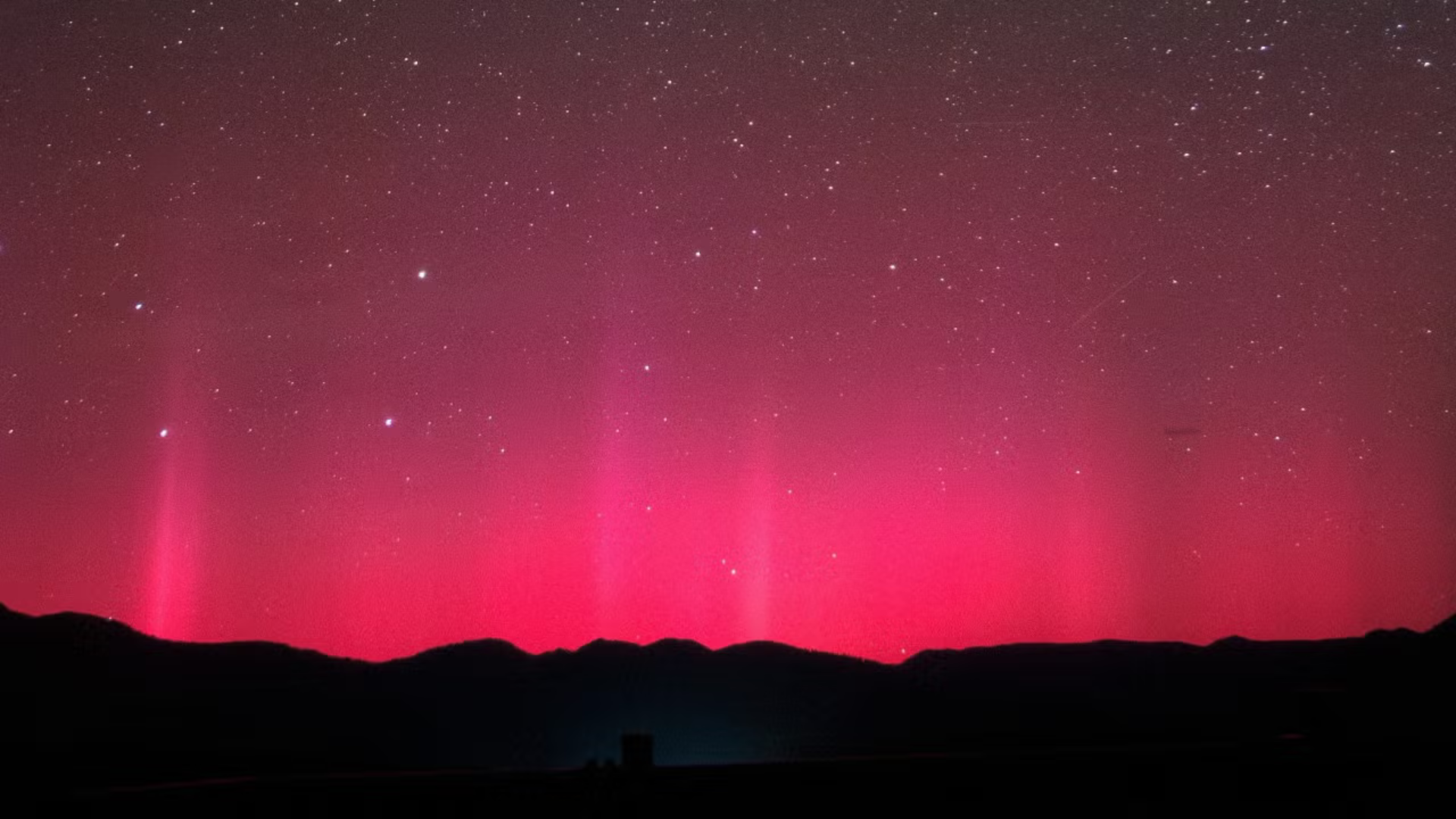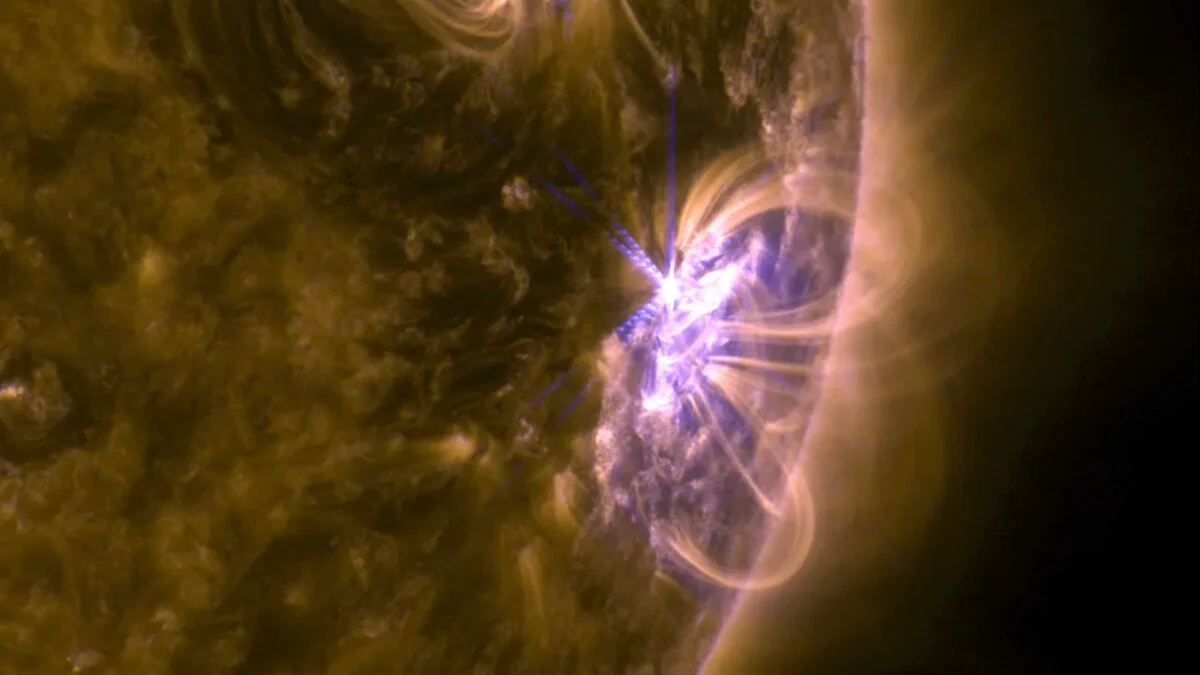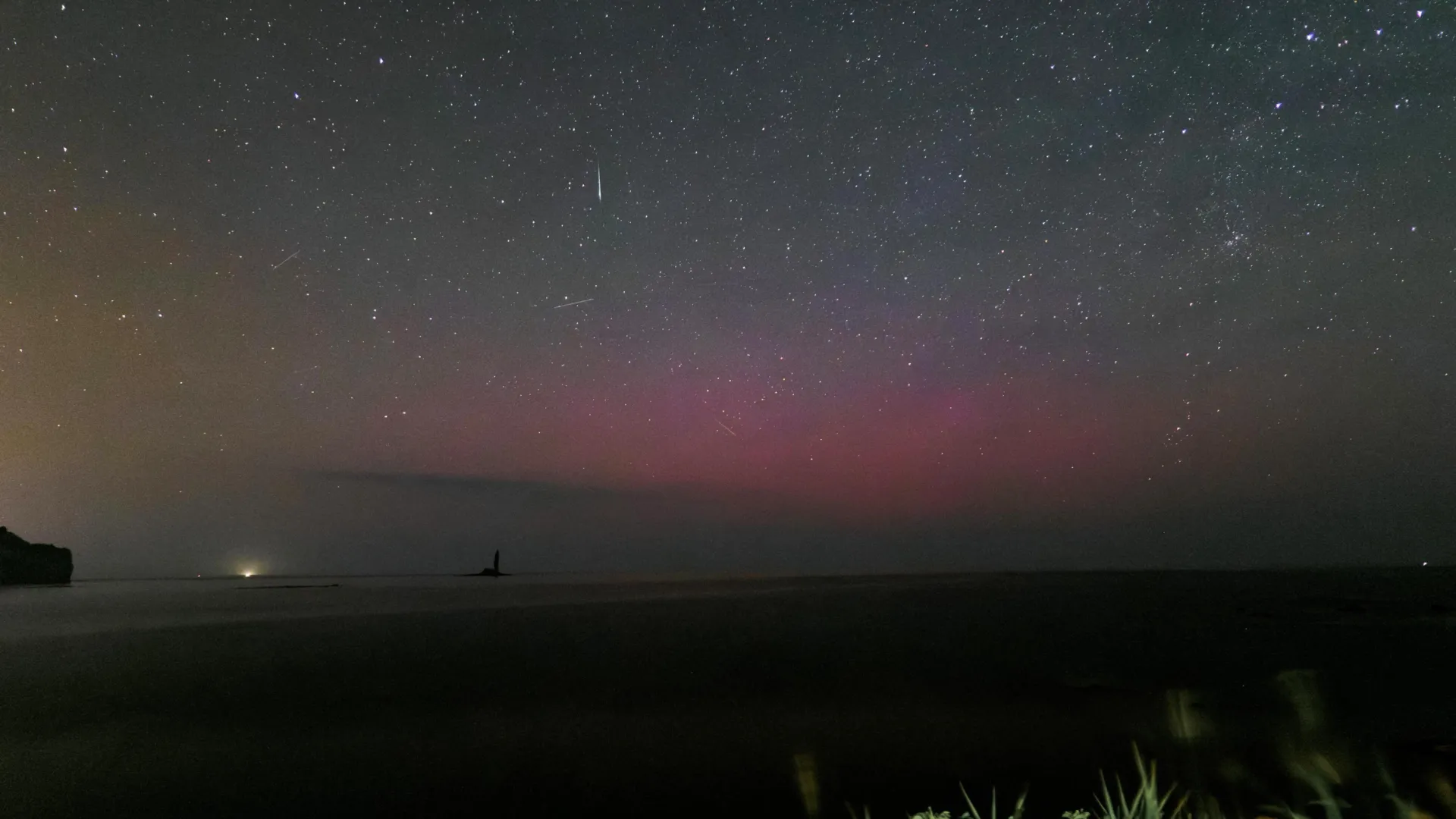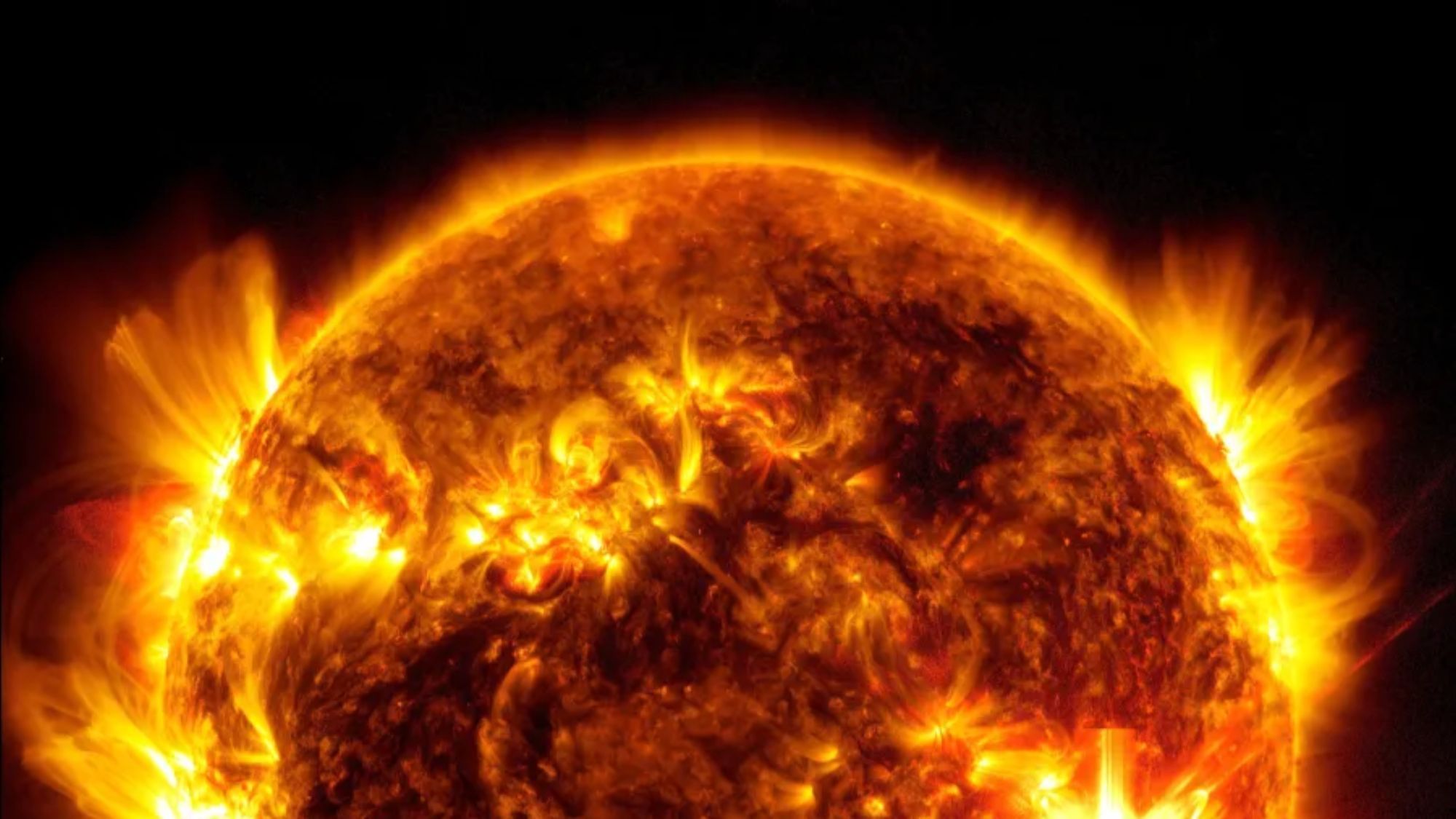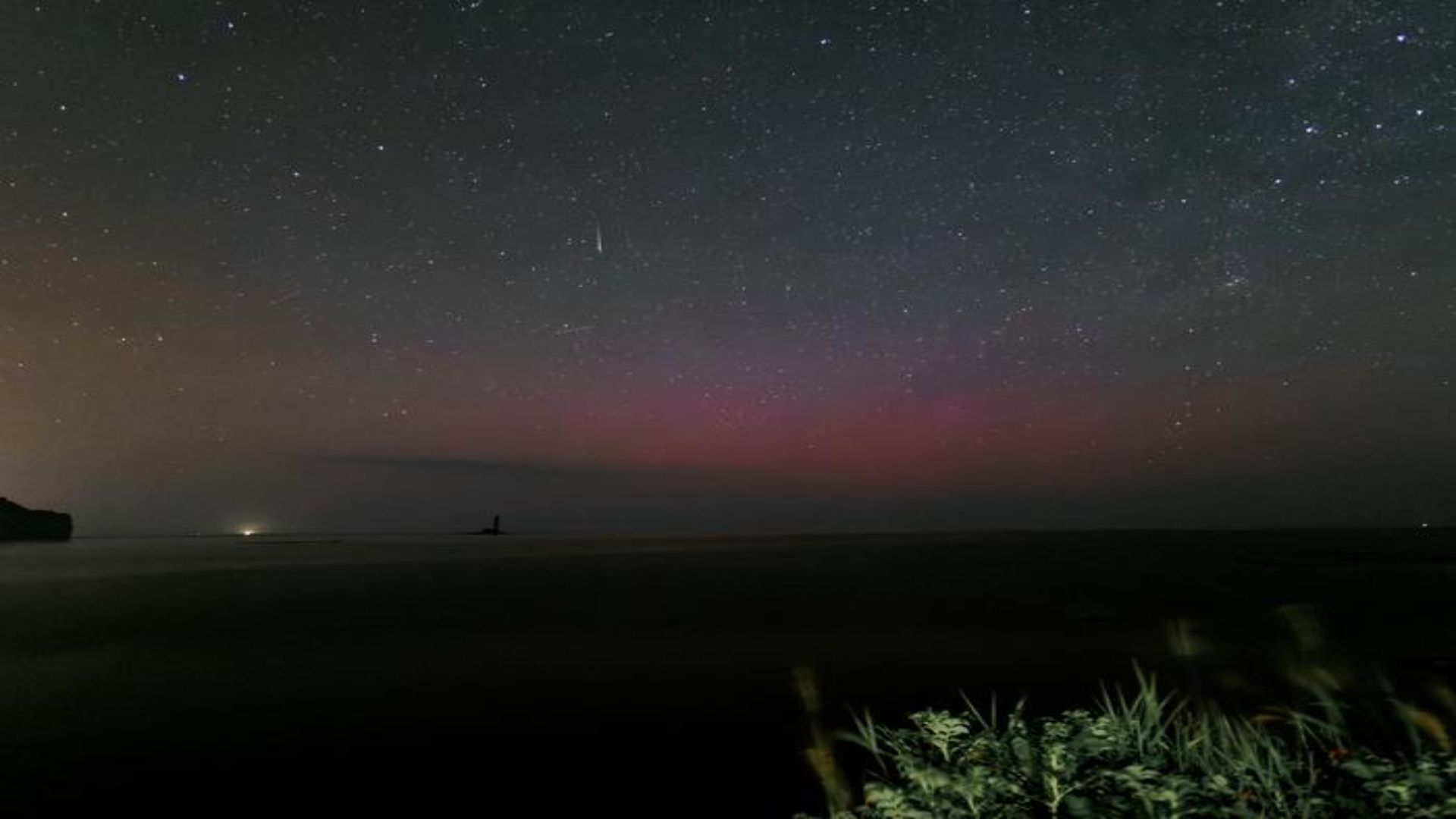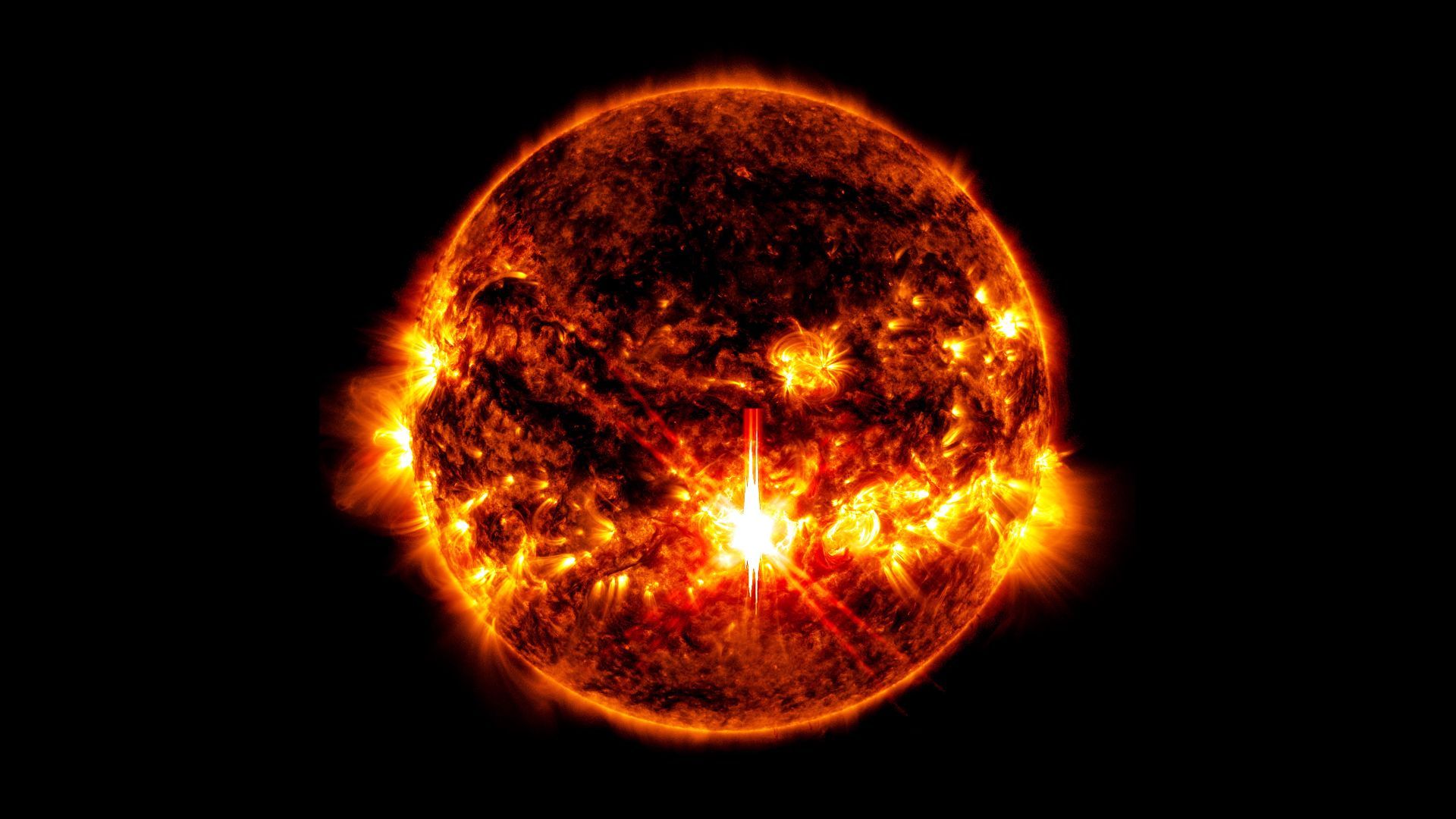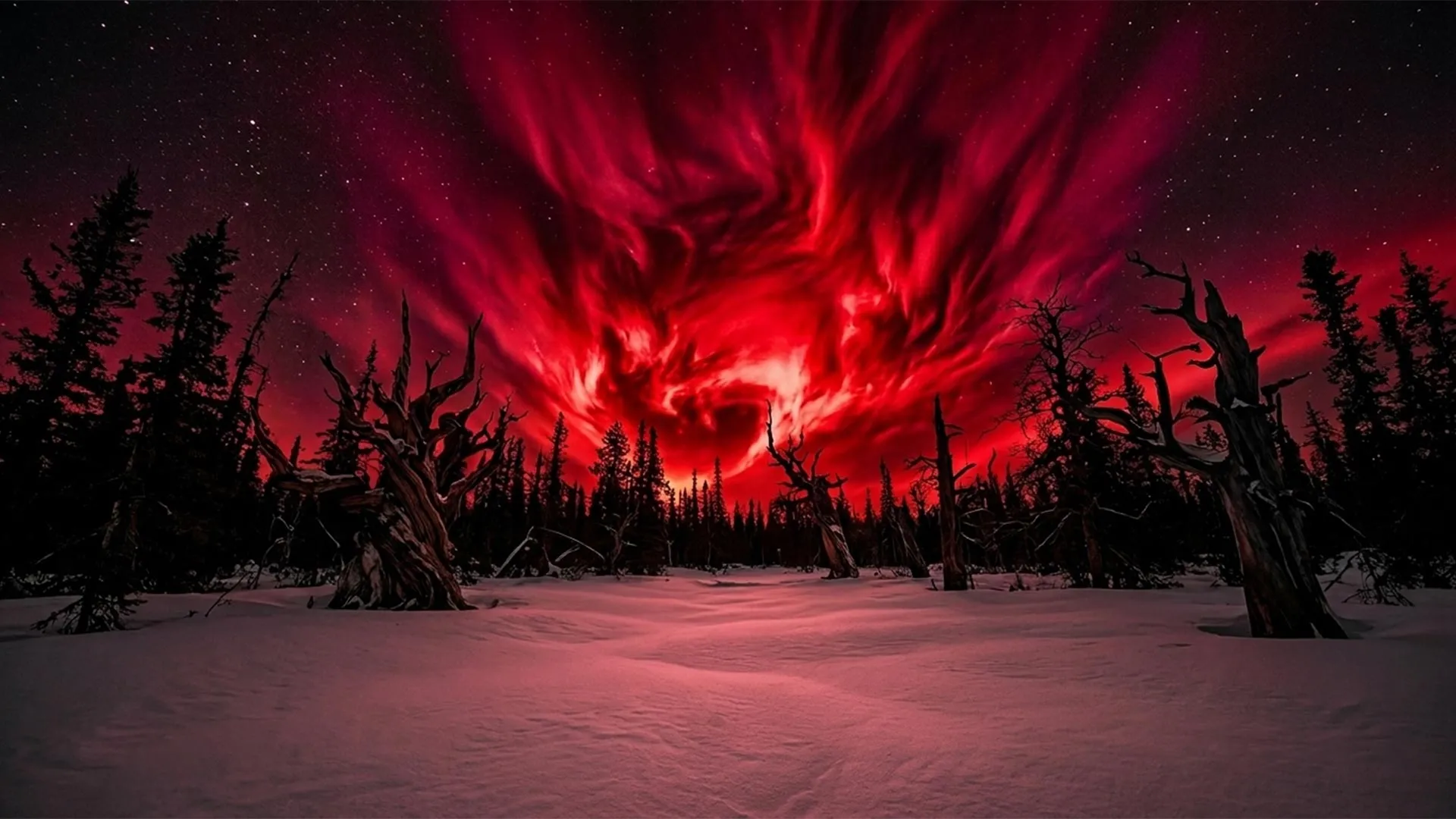
Powerful solar activity can create stunning auroras on Earth, but outside the protection of our planet's magnetic field, the Sun can become extremely dangerous. Violent eruptions such as solar flares and coronal mass ejections can blast high energy particles through space, creating serious risks for astronauts and spacecraft.
Some of these eruptions produce solar proton events (SPEs), during which charged particles race toward Earth at speeds reaching 90% of the speed of light. In 1972, several SPEs erupted between the Apollo 16 and Apollo 17 Moon missions. If astronauts had been exposed during a lunar mission, they could have faced lethal radiation levels. As space agencies prepare for future Moon exploration, scientists are working to better understand these unpredictable solar events.
Researchers at the Okinawa Institute of Science and Technology (OIST) have now developed a new way to uncover evidence of past SPEs. The team combined medieval historical records with ultra precise carbon 14 measurements taken from buried asunaro trees in northern Japan. Using this method, they identified a solar proton event that likely occurred sometime between the winter of 1200 CE and the spring of 1201 CE, a period marked by unusually intense solar activity. The findings were published in the Proceedings of the Japan Academy, Series B.