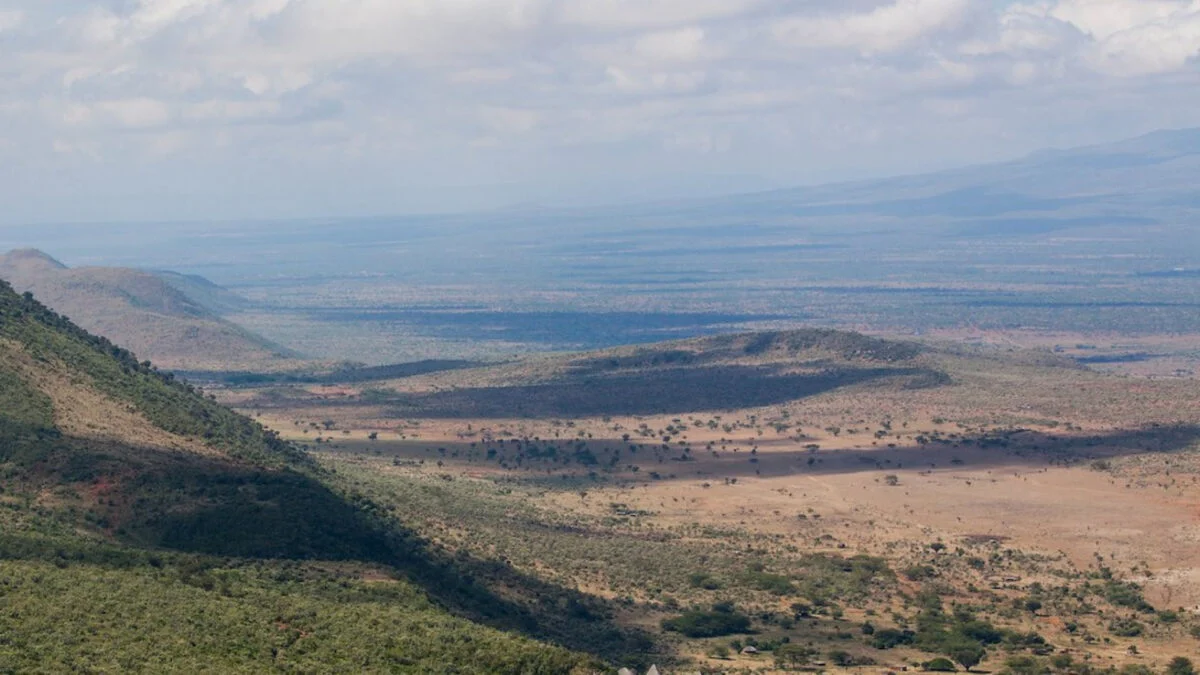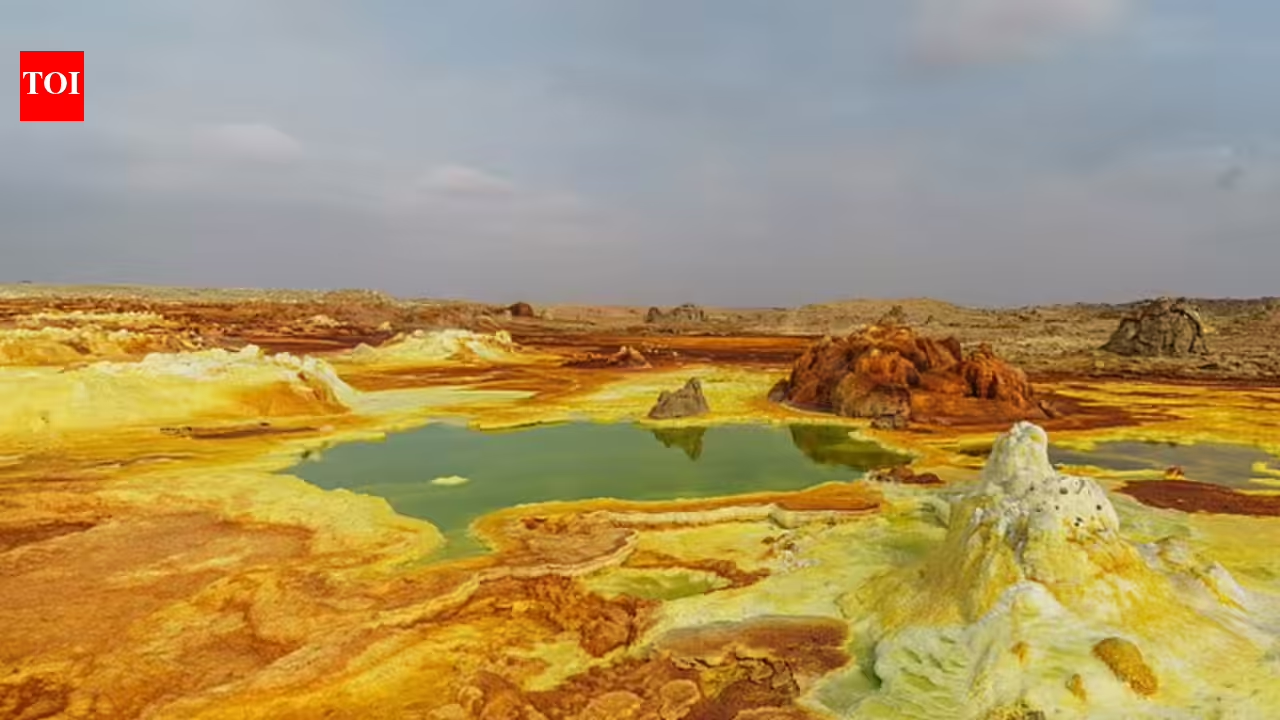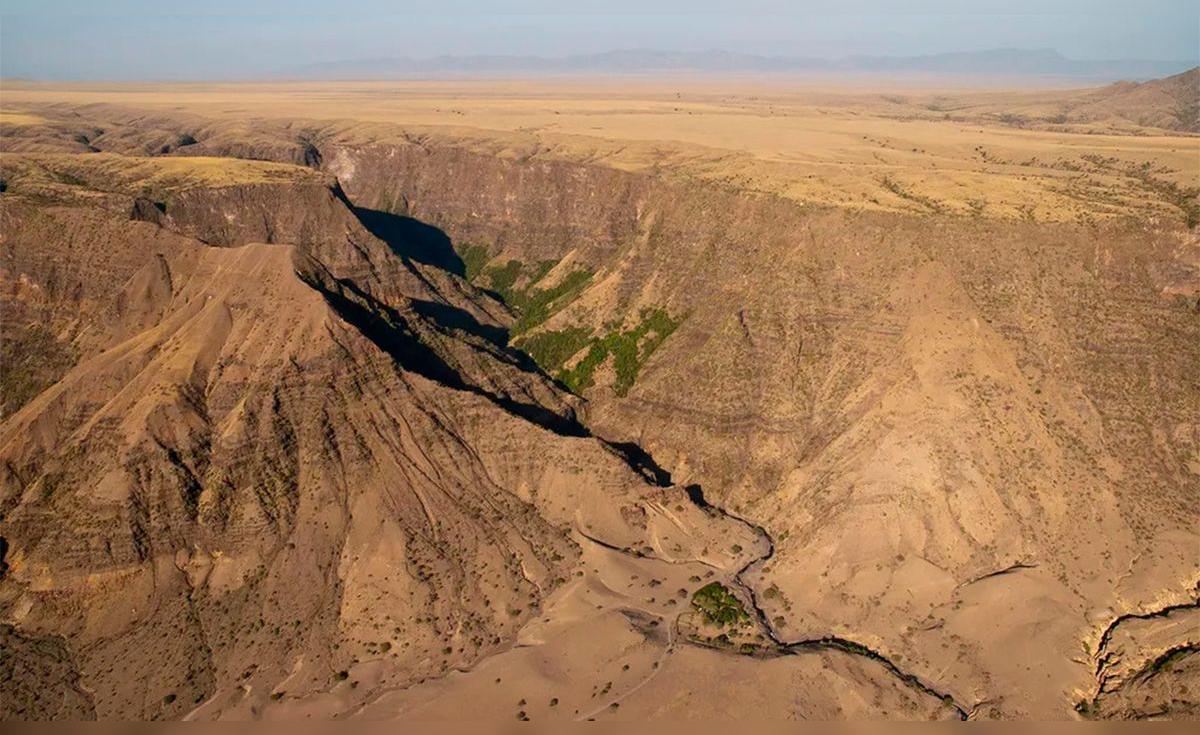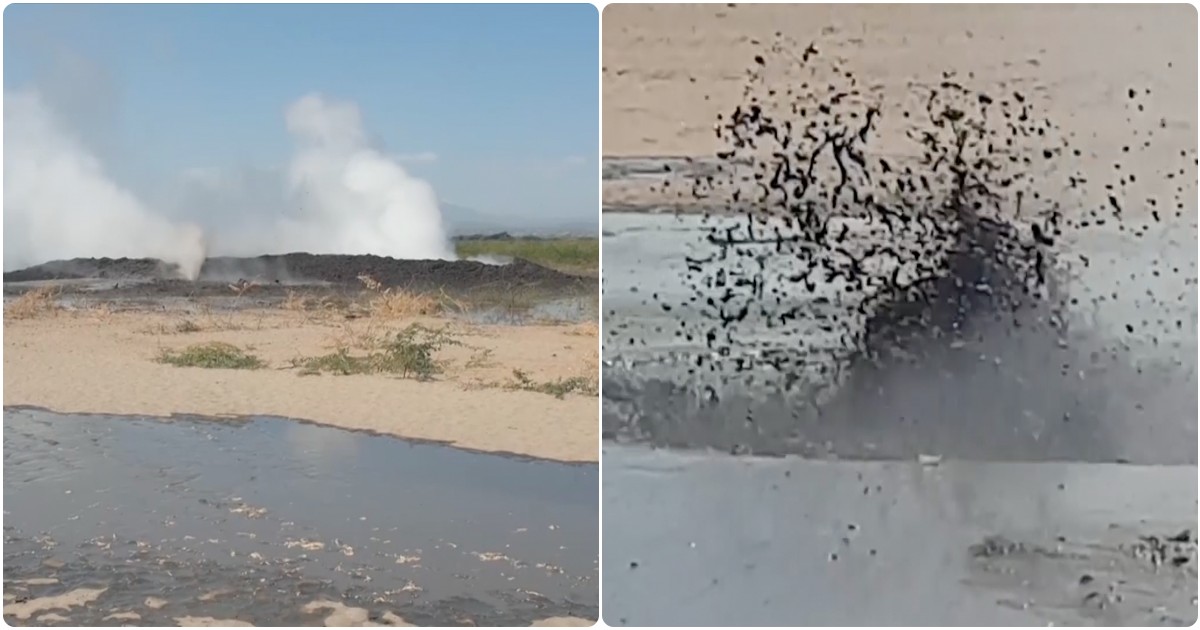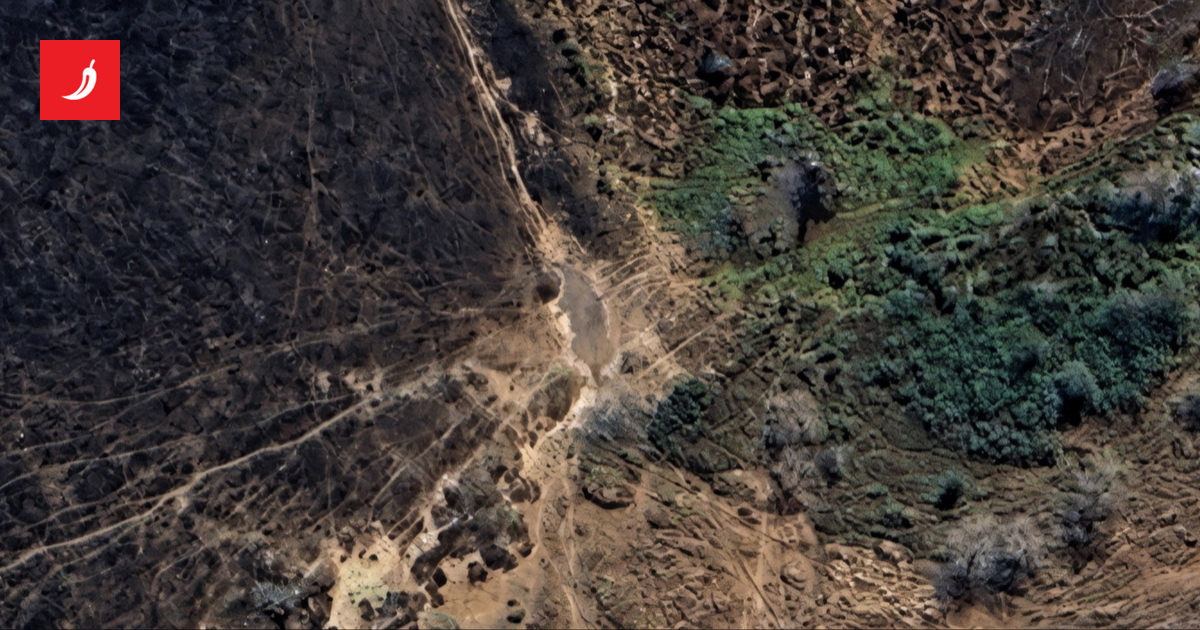
Eastern Africa's Turkana Rift is known both for its rich record of early human fossils and for intense volcanic activity driven by shifting tectonic plates. Now, scientists report that the crust beneath this region has thinned far more than previously understood, pointing to the long term breakup of the African continent and offering a fresh explanation for why so many ancient human remains were preserved there.
The findings were published in Nature Communications.
A Vast Rift Shaped by Moving Tectonic Plates
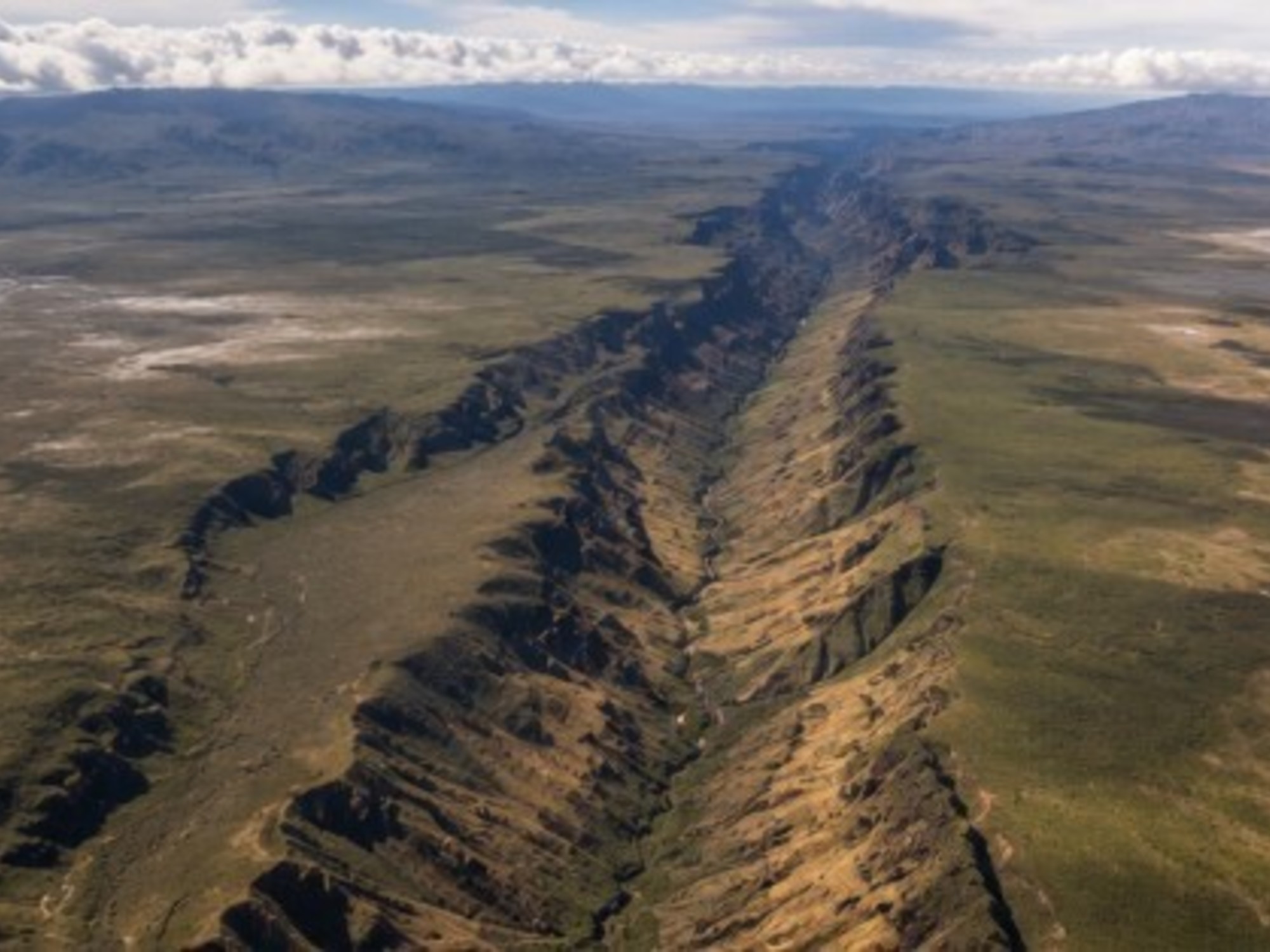
The Turkana Rift stretches roughly 500 kilometers across Kenya and Ethiopia and forms part of the larger East African Rift System. This massive system extends from the Afar Depression in northeastern Ethiopia all the way to Mozambique, separating the African tectonic plate from the Arabian and Somali plates. In the Turkana region, the African and Somali plates are slowly moving apart at about 4.7 millimeters per year.
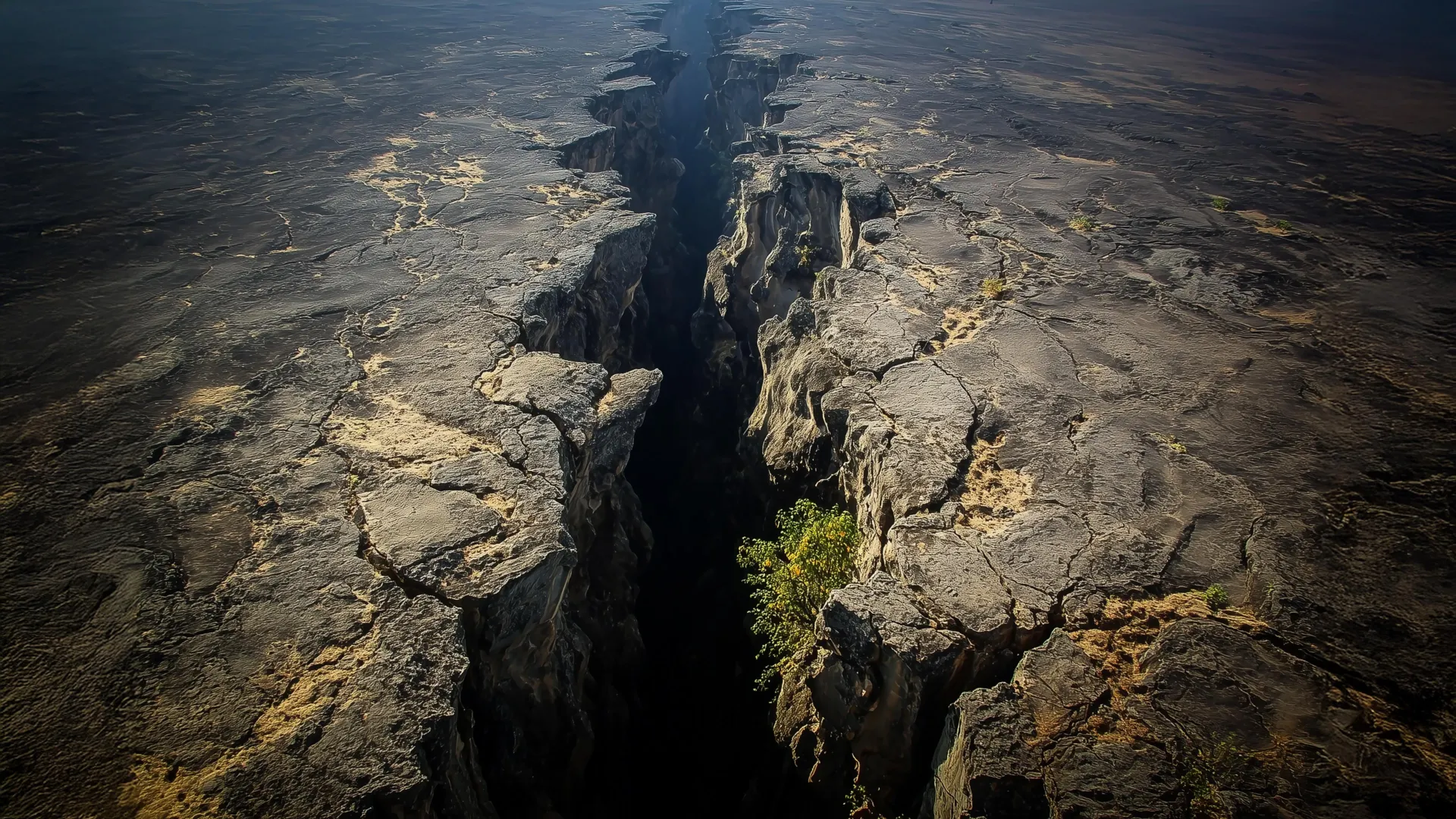
As this separation occurs, a process called rifting stretches the crust sideways. The strain causes the surface to buckle and crack, allowing magma from deep within Earth to rise upward.