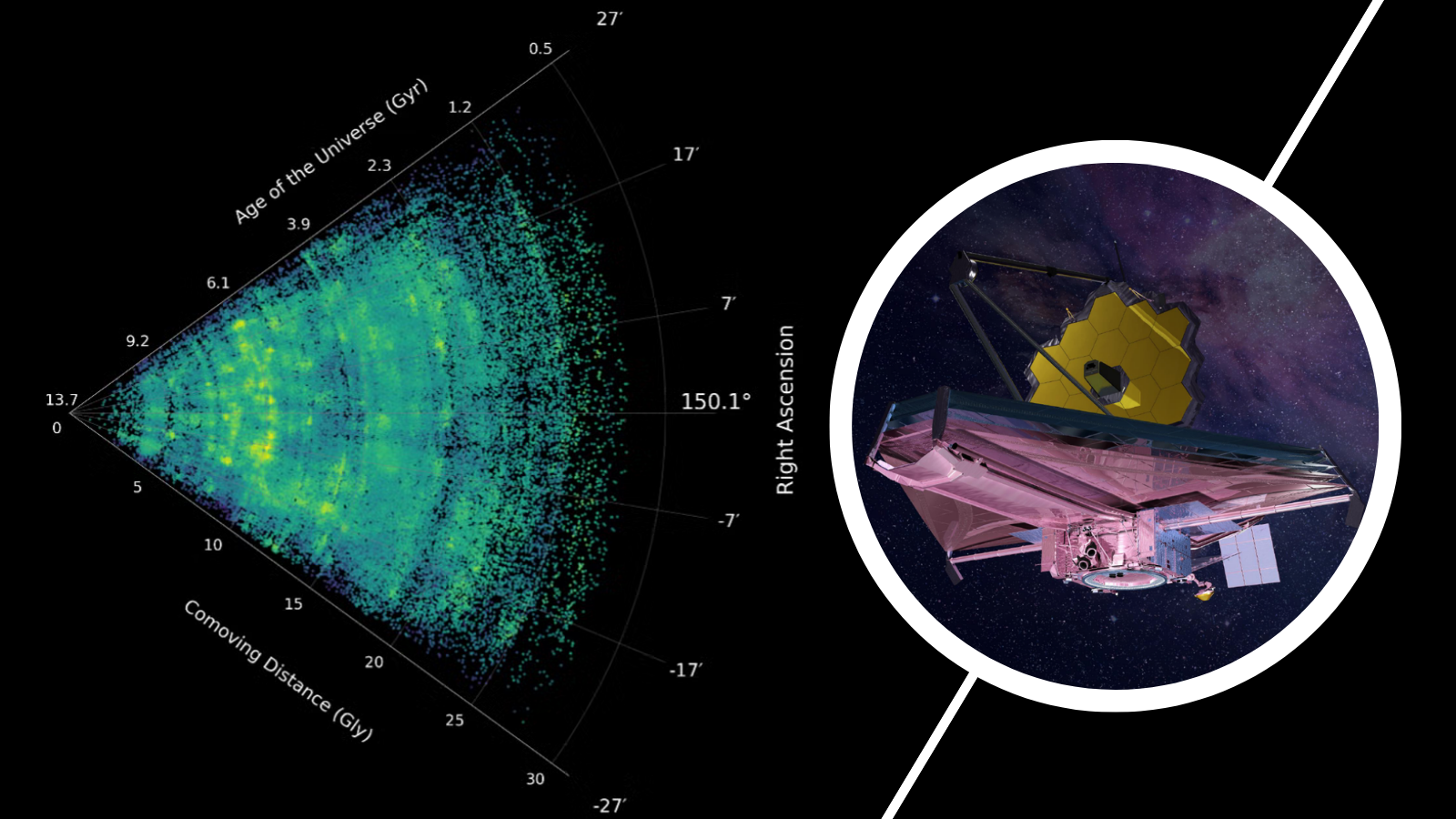
Astronomers using NASA's James Webb Space Telescope (JWST) have created the most detailed map ever made of the cosmic web, the enormous structure that connects galaxies throughout the universe. Led by researchers at the University of California, Riverside, the team traced this vast network back to a time when the universe was only about one billion years old.
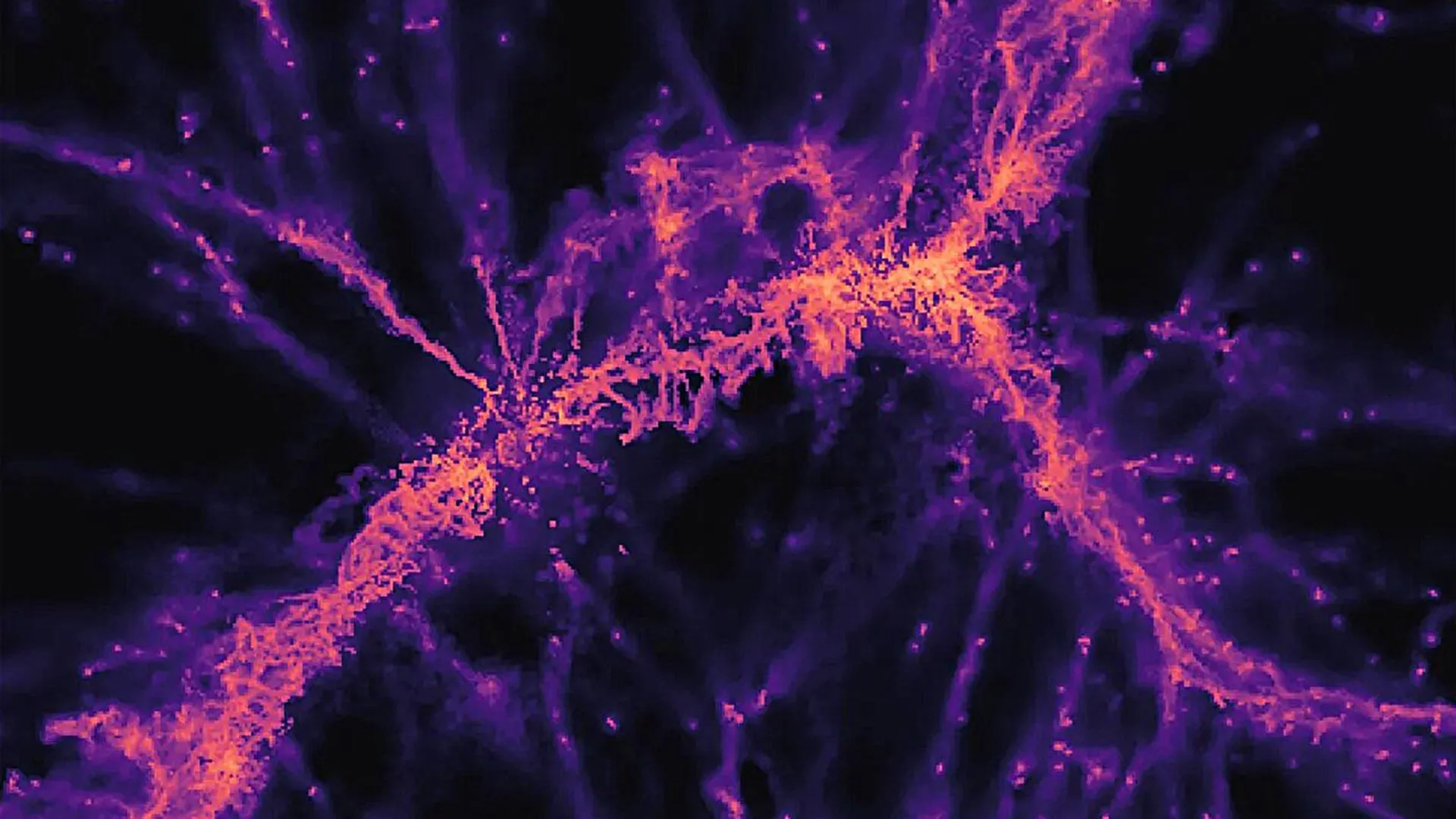
The cosmic web is the immense, skeleton-like framework of the universe. It consists of filaments and sheets made of dark matter and gas that surround gigantic, mostly empty regions of space known as voids. Together, these structures form the large-scale architecture of the cosmos, linking galaxies and galaxy clusters across enormous distances.
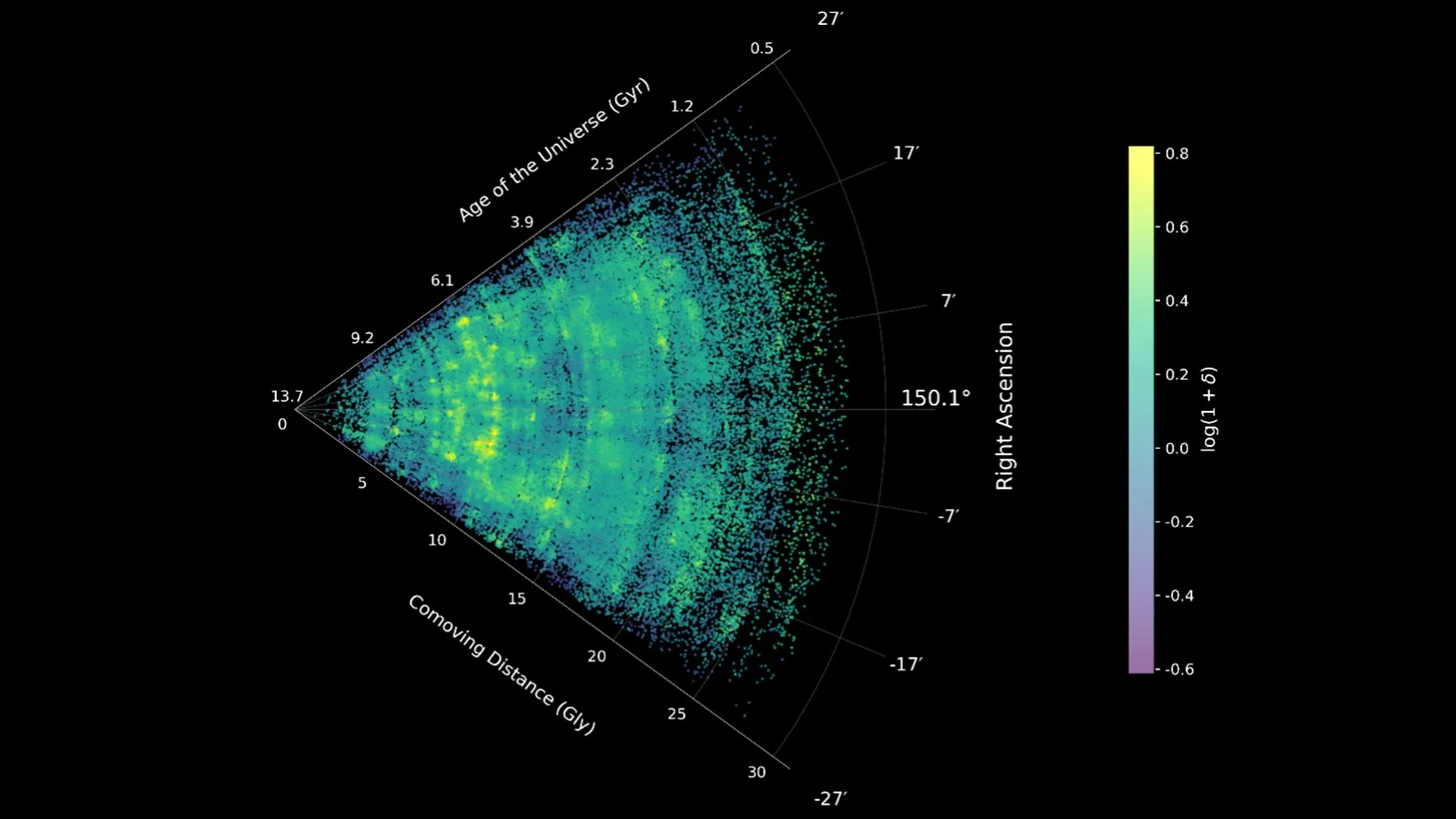
The findings were published in The Astrophysical Journal. Researchers relied on COSMOS-Web, the largest JWST survey carried out so far, to study how galaxies have been arranged within the cosmic web over 13.7 billion years of cosmic history.
JWST Opens a New View of the Universe
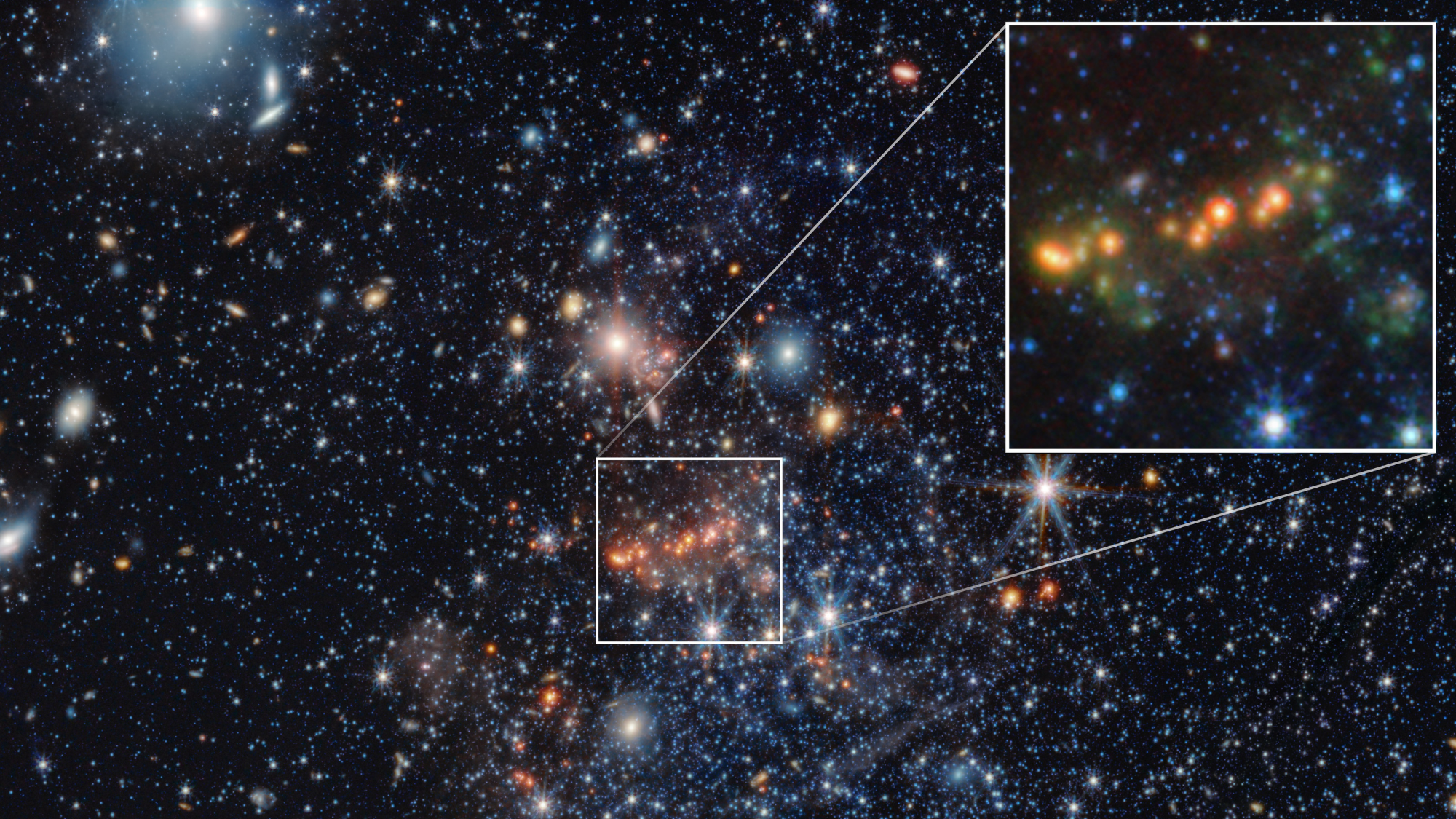
Since launching in 2021, JWST has dramatically expanded scientists' ability to study the distant universe. Its highly sensitive infrared instruments can detect faint galaxies that earlier telescopes could not see, allowing astronomers to peer farther back in time and through thick clouds of cosmic dust.