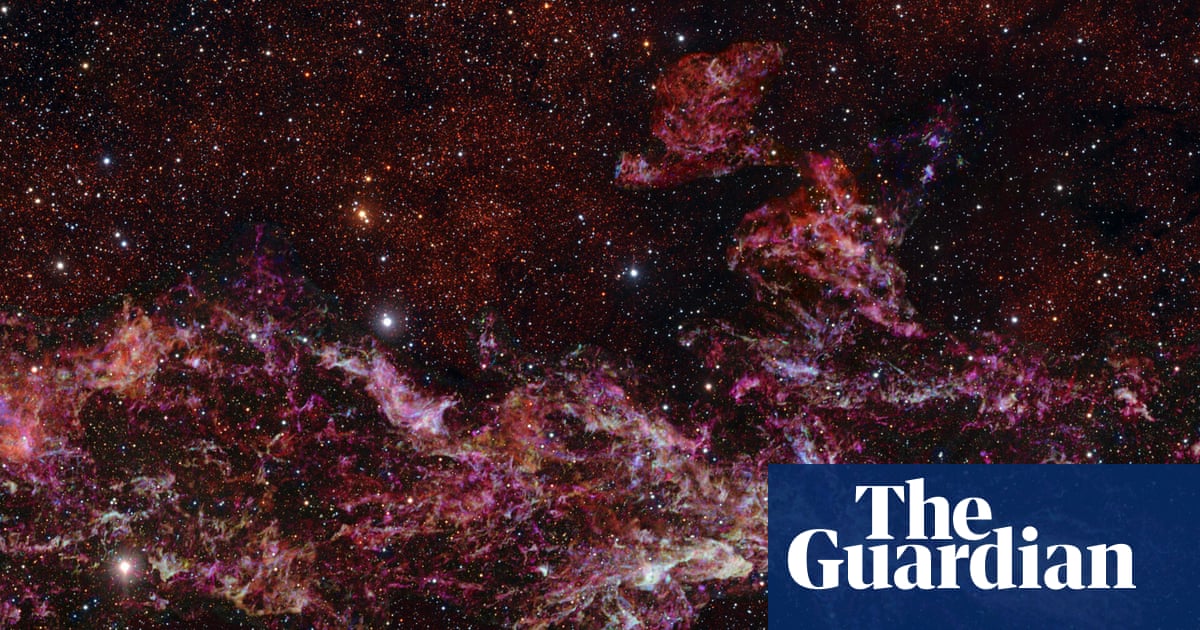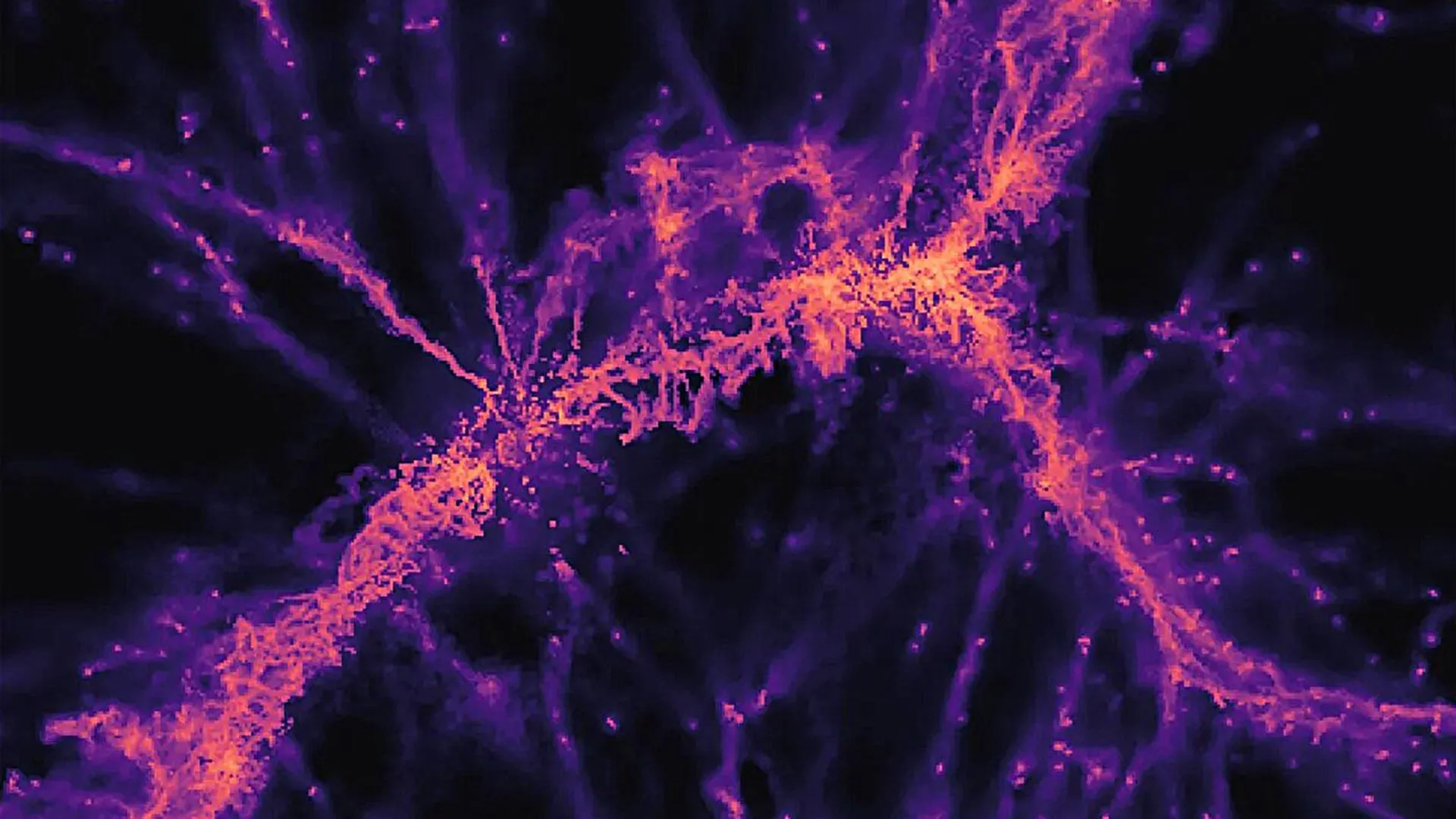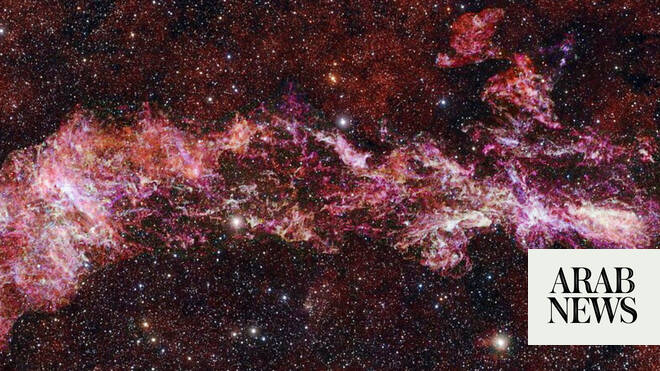
WASHINGTON: Astronomers have produced the largest and most detailed map ever made of the vast web of cold cosmic gas stretching across the heart of our galaxy, showing thread-like filaments resembling rivers of material flowing through space that sometimes converge into bright clouds where new stars form.
Using the Chile-based ALMA telescope, the researchers examined the dynamics and chemistry of the Milky Way’s central region, a chaotic and energetic expanse that serves as an enormous reservoir of raw material for making stars.
The region harbors dense clouds of gas and dust. The gas is mostly hydrogen, along with helium and others in trace amounts, all at frigid temperatures slightly above absolute zero. Stars form when clumps of gas and dust collapse under their own gravitational pull.
The region harbors dense clouds of gas and dust. The gas is mostly hydrogen, along with helium and others in trace amounts, all at frigid temperatures slightly above absolute zero.
The supermassive black hole called Sagittarius A* resides at the galaxy’s center. It sits within a region measuring about 650 light-years across that was observed using ALMA as part of a project exploring how gas condenses into stars in the extreme environment of the galactic core. A light-year is the distance light travels in a year, 9.5 trillion km.