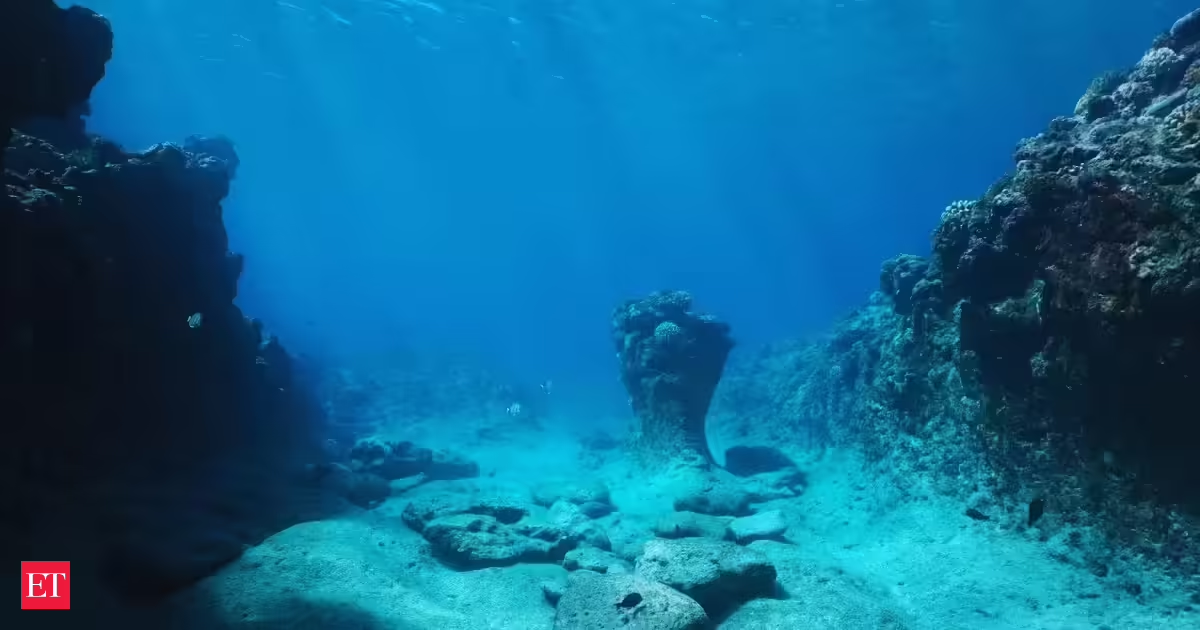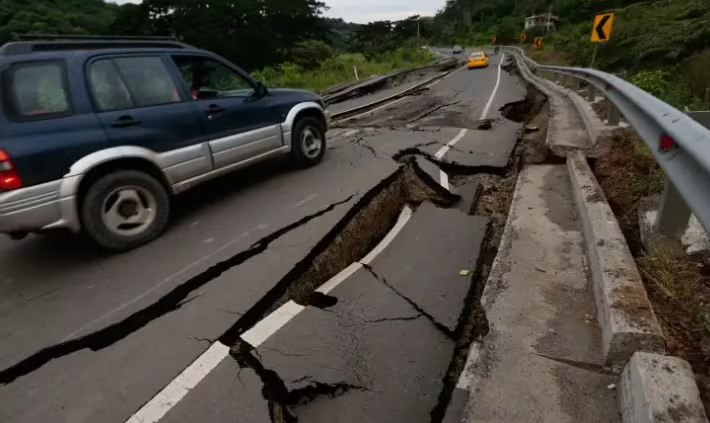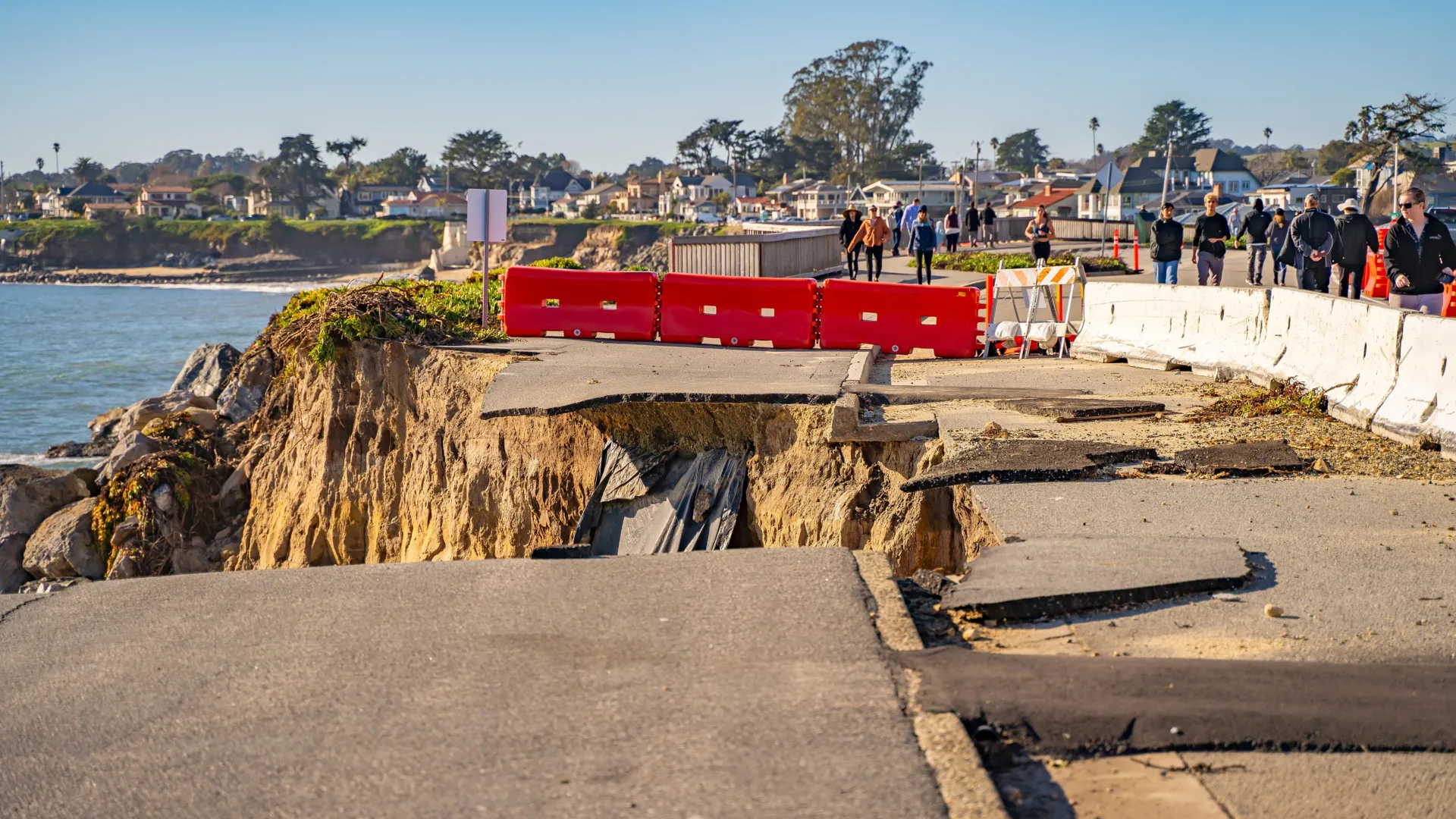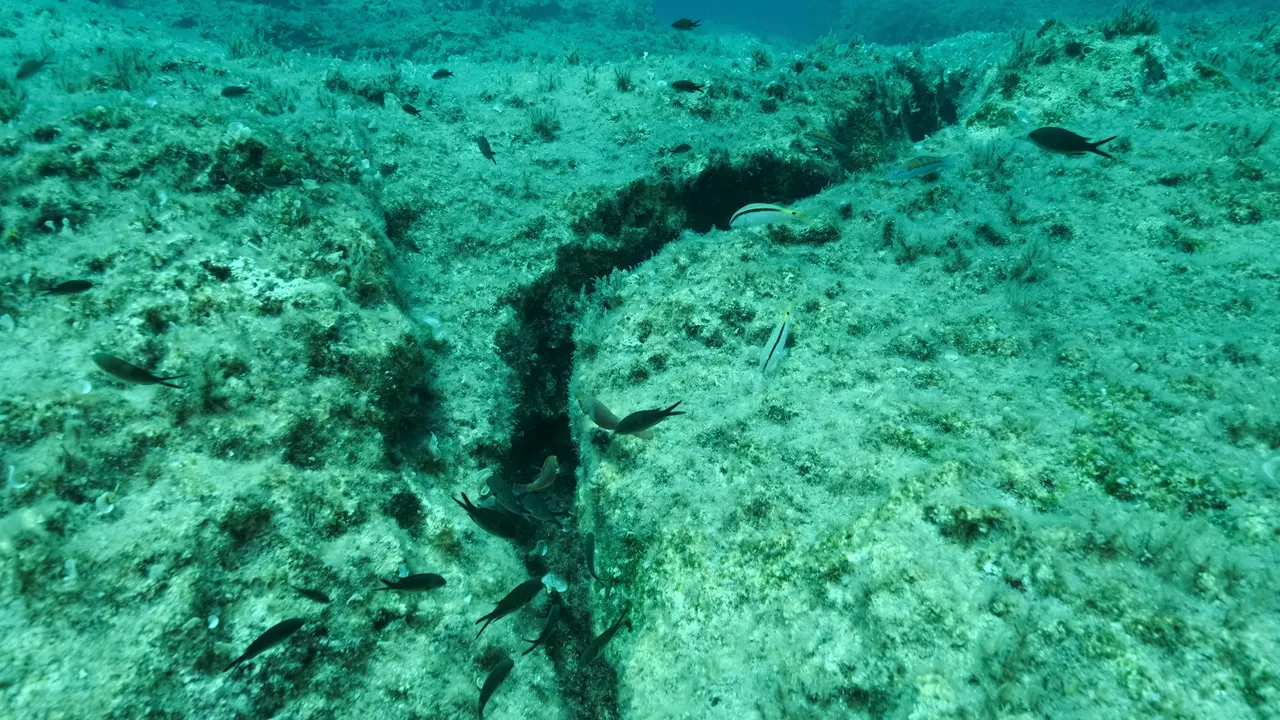
Deep beneath the eastern Pacific Ocean, roughly 1,000 miles west of Ecuador, a seafloor fault has been producing magnitude 6 earthquakes with striking regularity for at least 30 years. The quakes occur about every five to six years, repeatedly rupturing nearly the same sections of the fault and reaching nearly identical magnitudes.
Such consistency is extremely rare in earthquake science, and researchers have long struggled to explain how the pattern could continue so reliably.
Now, scientists say they have finally identified the reason. A new study published in the journal Science reveals that special regions within the fault itself act as natural braking systems that repeatedly stop earthquakes from growing larger.
"We've known these barriers existed for a long time, but the question has always been, what are they made of, and why do they keep stopping earthquakes so reliably, cycle after cycle?" said seismologist Jianhua Gong, lead author of the study and Assistant Professor of Earth and Atmospheric Sciences in the College of Arts and Sciences at Indiana University Bloomington.
Gong worked alongside researchers from the Woods Hole Oceanographic Institution, Scripps Institution of Oceanography at UC San Diego, the U.S. Geological Survey, Boston College, the University of Delaware, Western Washington University, the University of New Hampshire, and McGill University. Together, they focused on the Gofar transform fault, located along the East Pacific Rise off Ecuador's western coast, in an effort to solve a decades-long mystery surrounding these repeating underwater earthquakes.