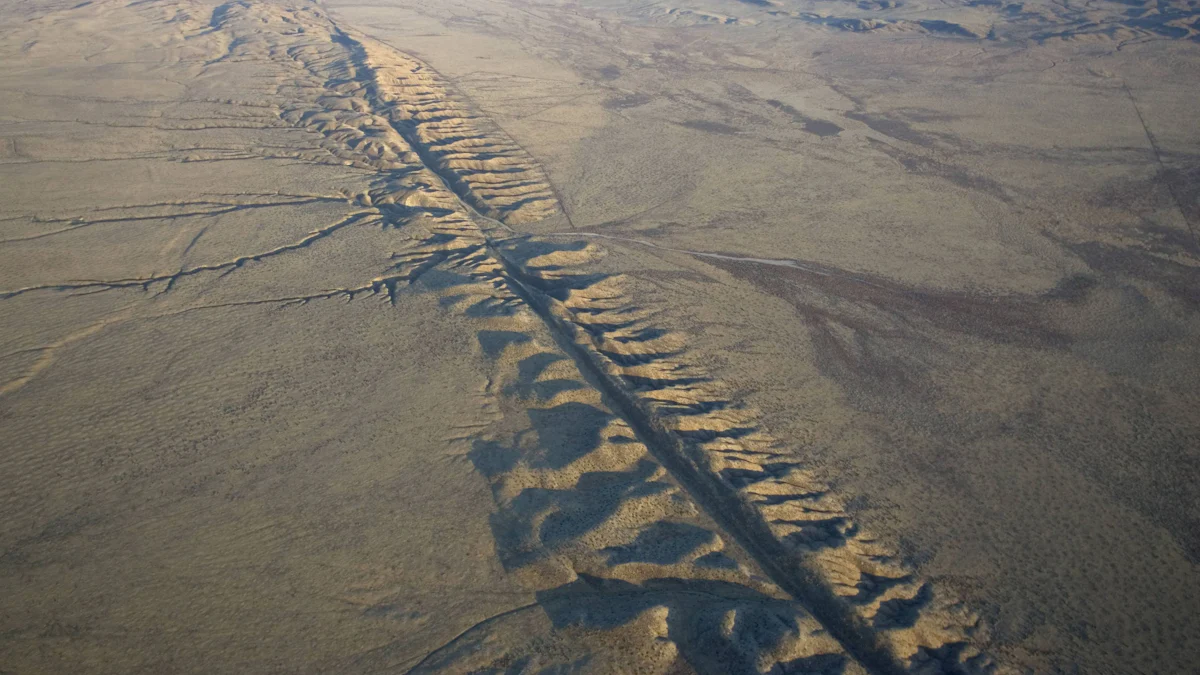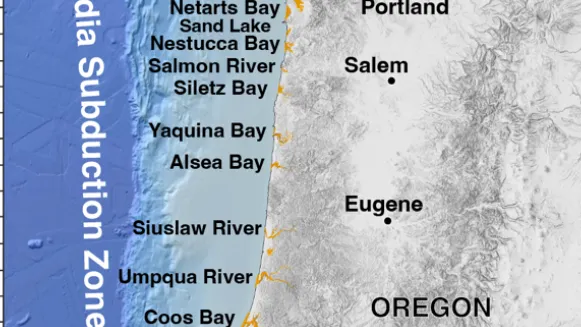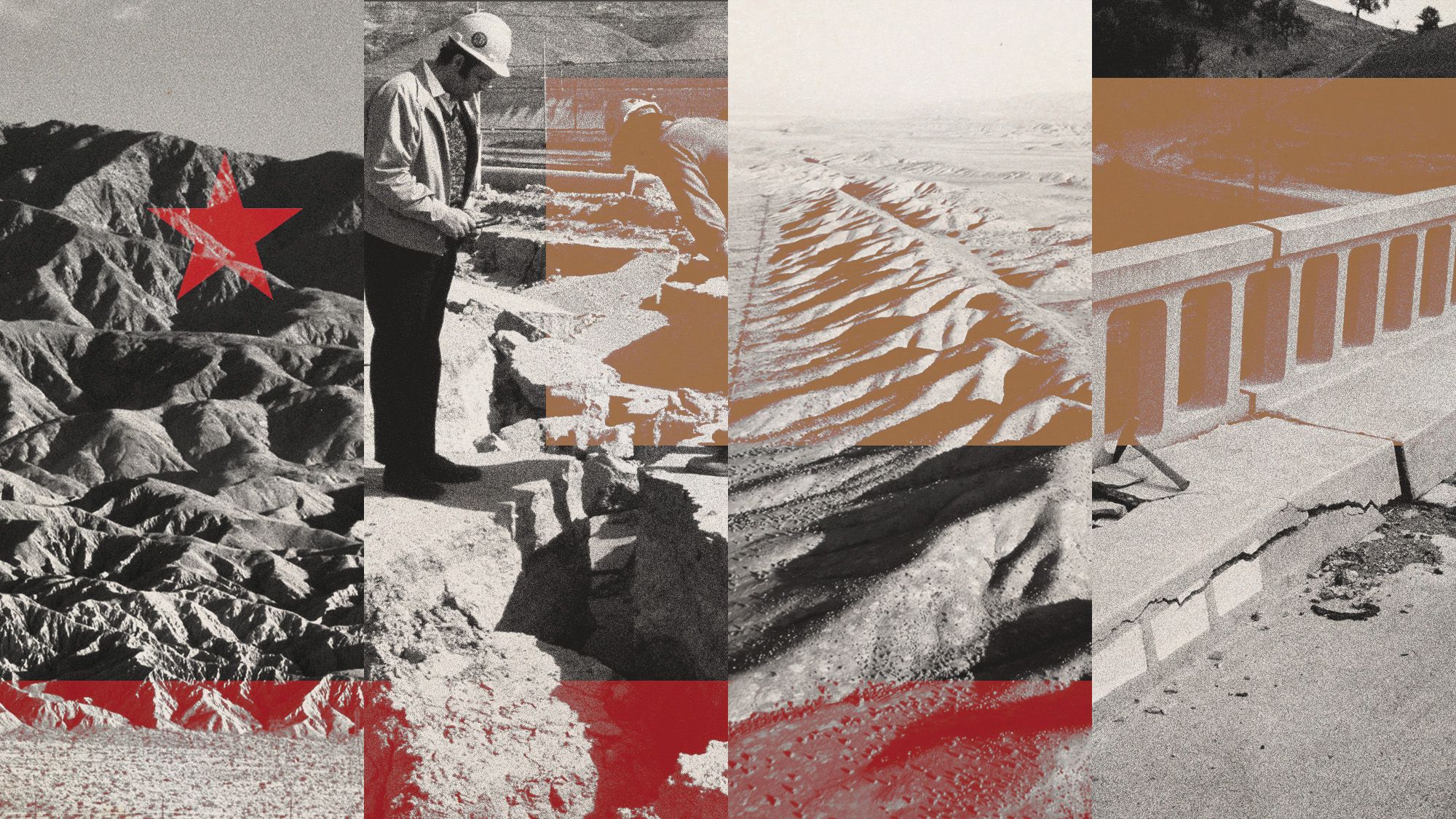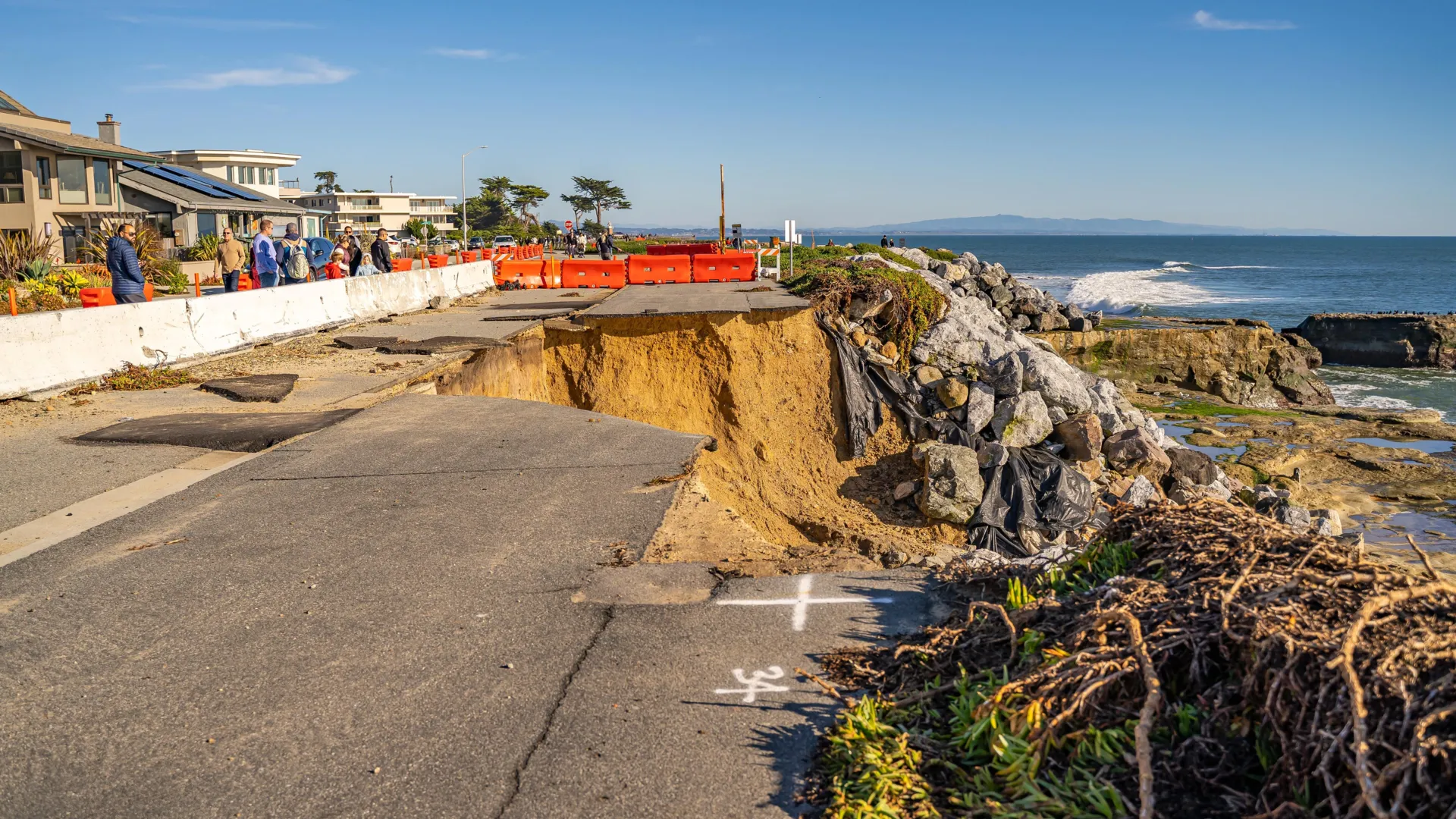
Two major fault systems along North America's West Coast, the Cascadia subduction zone and the San Andreas fault, may be more closely connected than previously believed. A new study suggests that activity on one fault could trigger earthquakes on the other, raising the possibility of closely timed seismic events.
"We're used to hearing the 'Big One' -- Cascadia -- being this catastrophic huge thing," said Chris Goldfinger, a marine geologist at Oregon State University and lead author of the study. "It turns out it's not the worst case scenario."
Deep-Sea Evidence Reveals a Hidden Pattern
To investigate this possibility, Goldfinger and his colleagues examined sediment cores taken from the ocean floor. These cores preserve about 3,100 years of geological history. The team focused on turbidites, which are layers of sediment left behind by underwater landslides that are often triggered by earthquakes.
By comparing turbidite layers from areas influenced by both fault systems, the researchers identified similarities in their structure and timing. These patterns point to a potential synchronization between Cascadia and the northern San Andreas fault.