view more
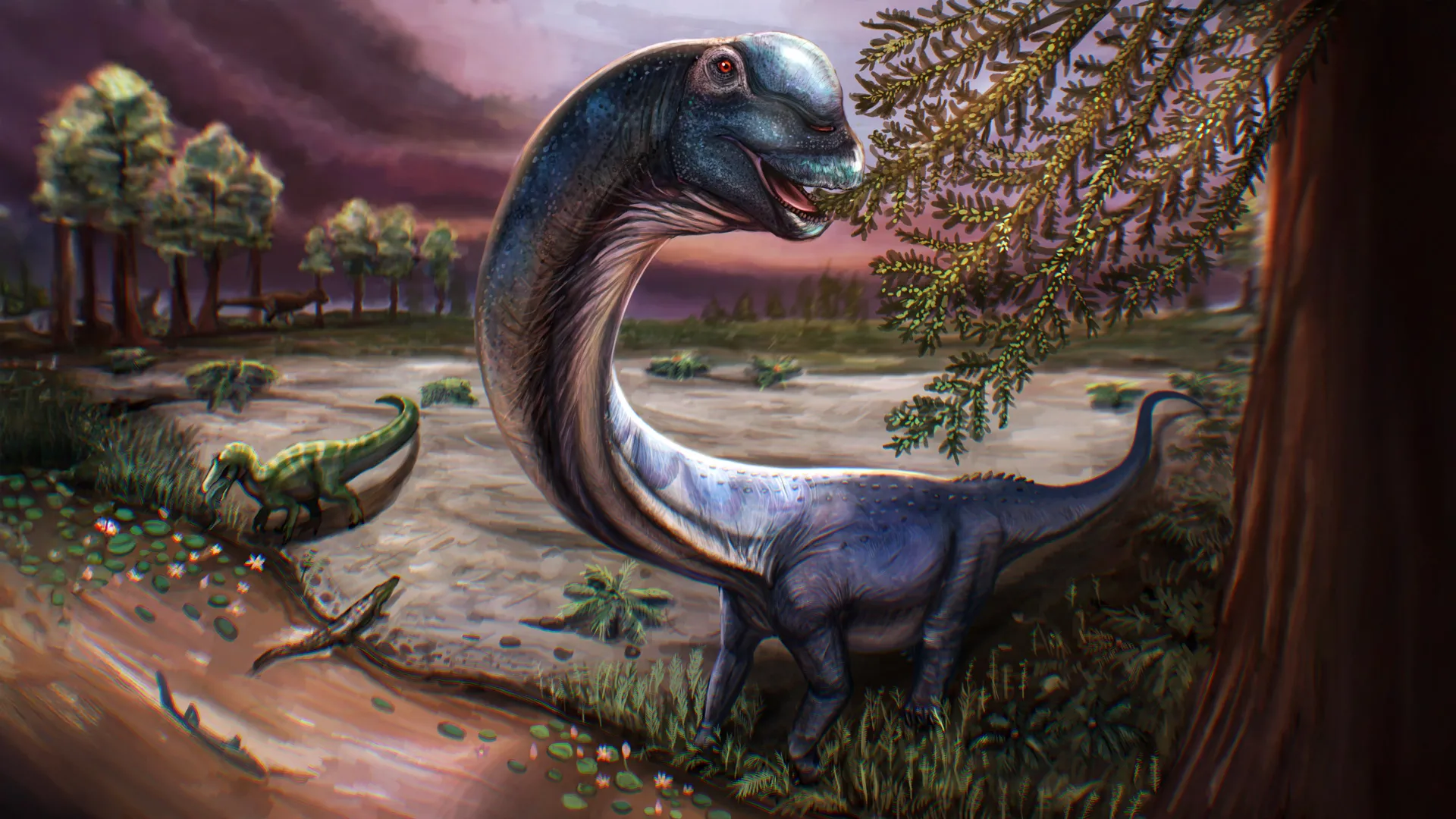
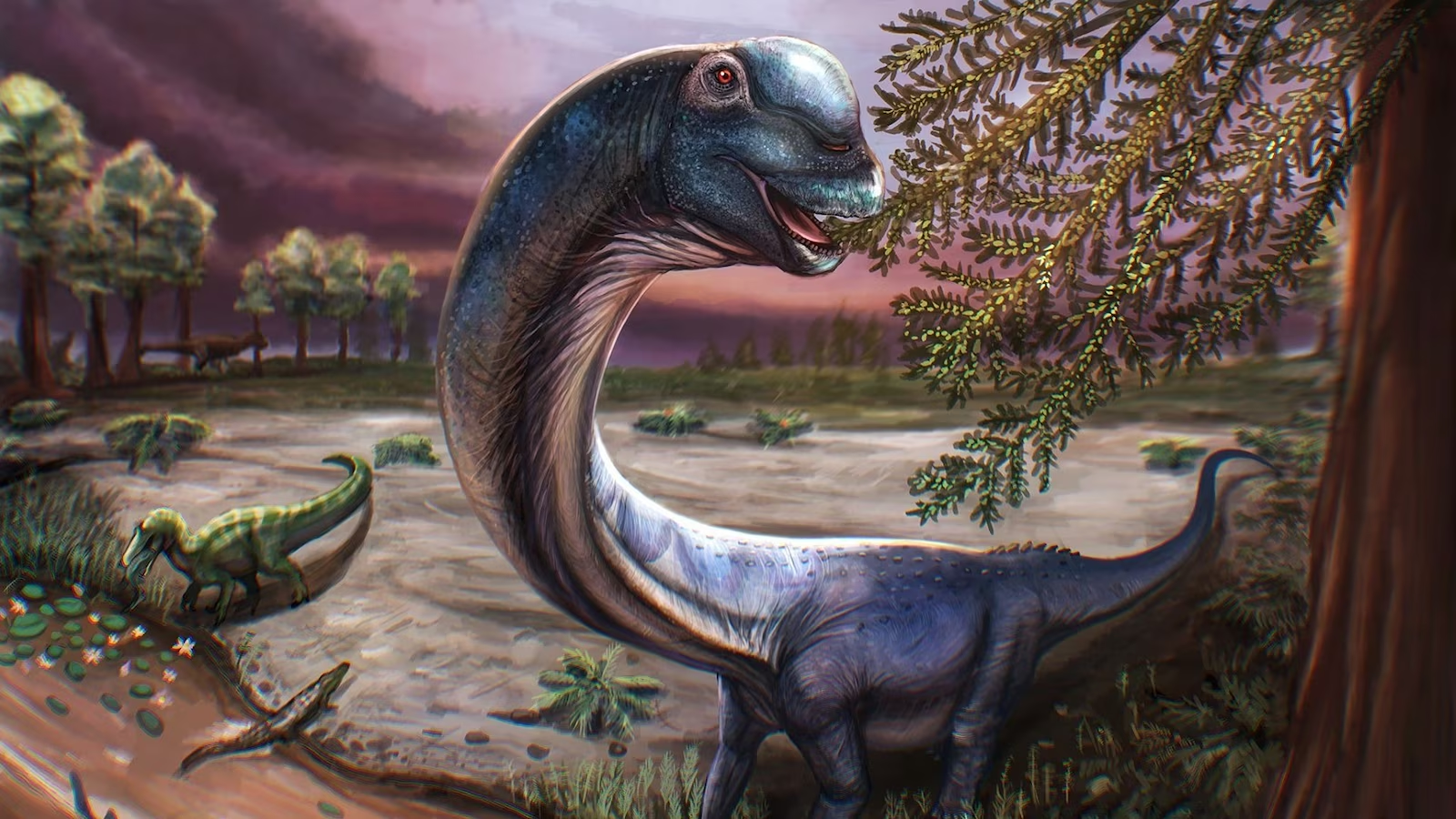
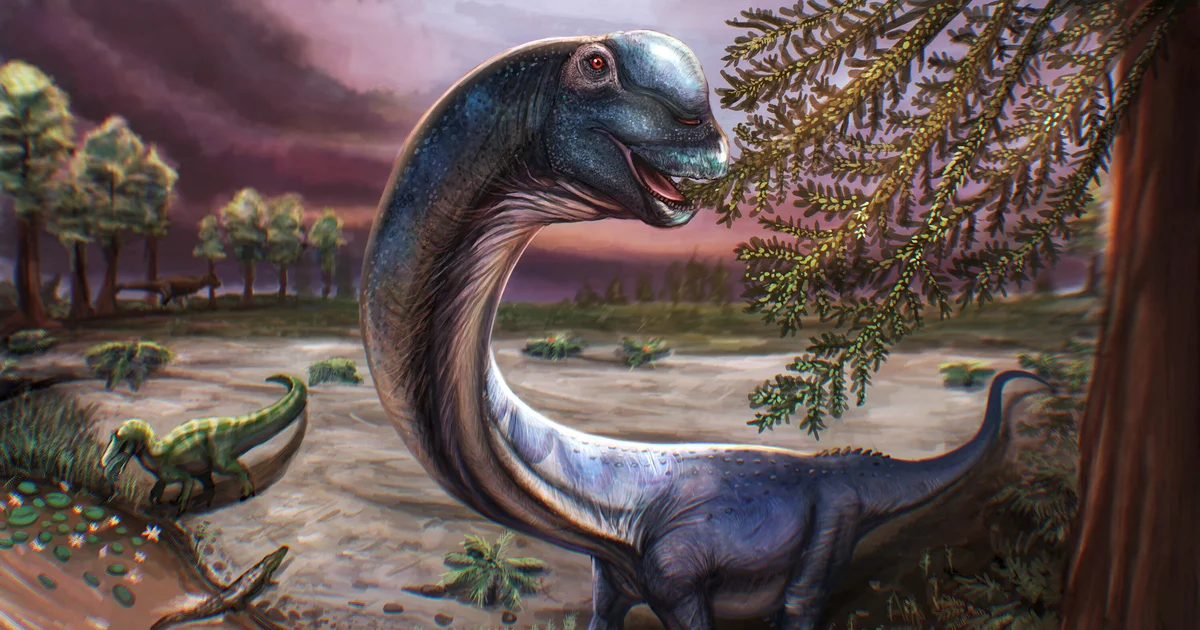
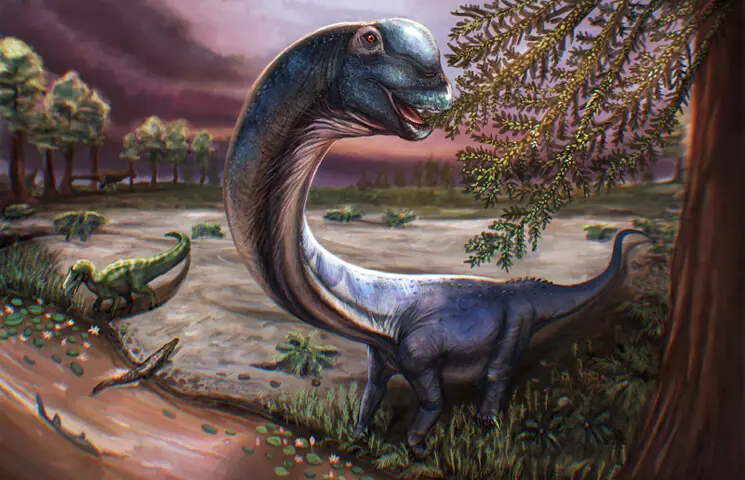
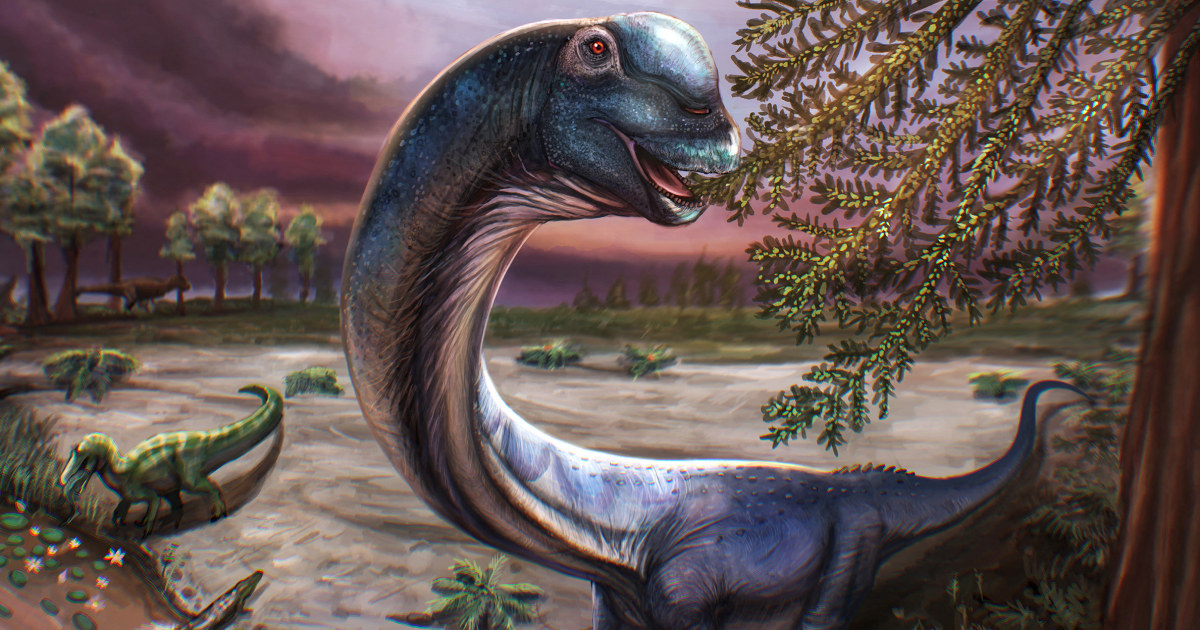
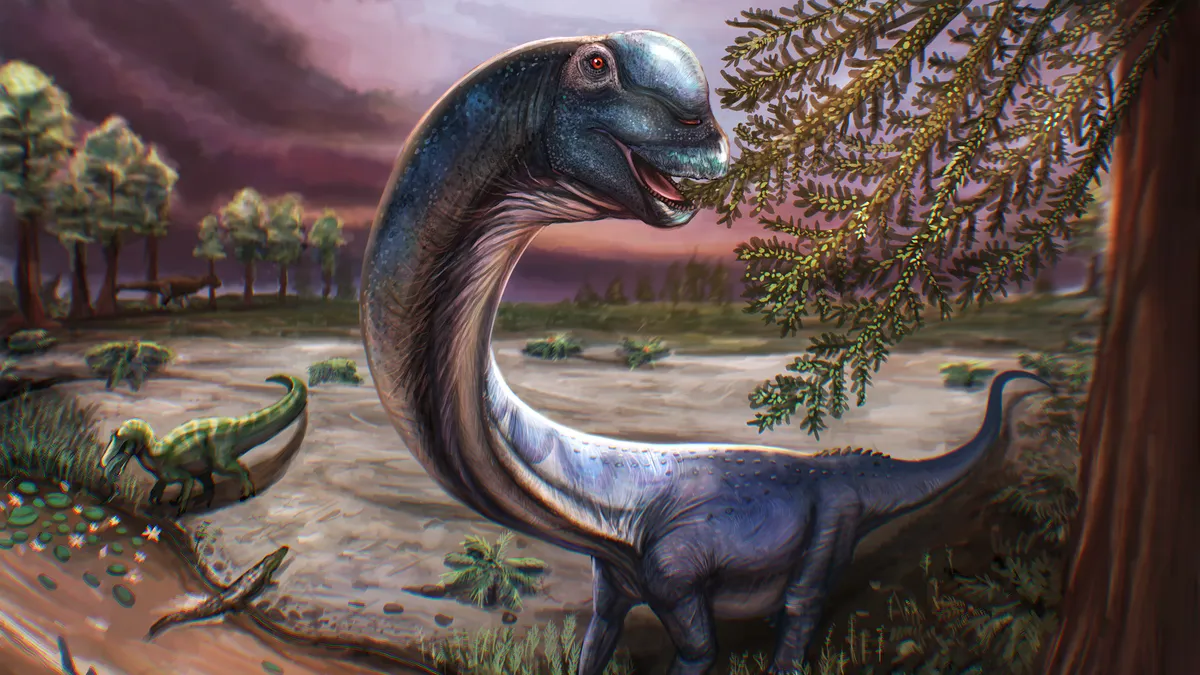
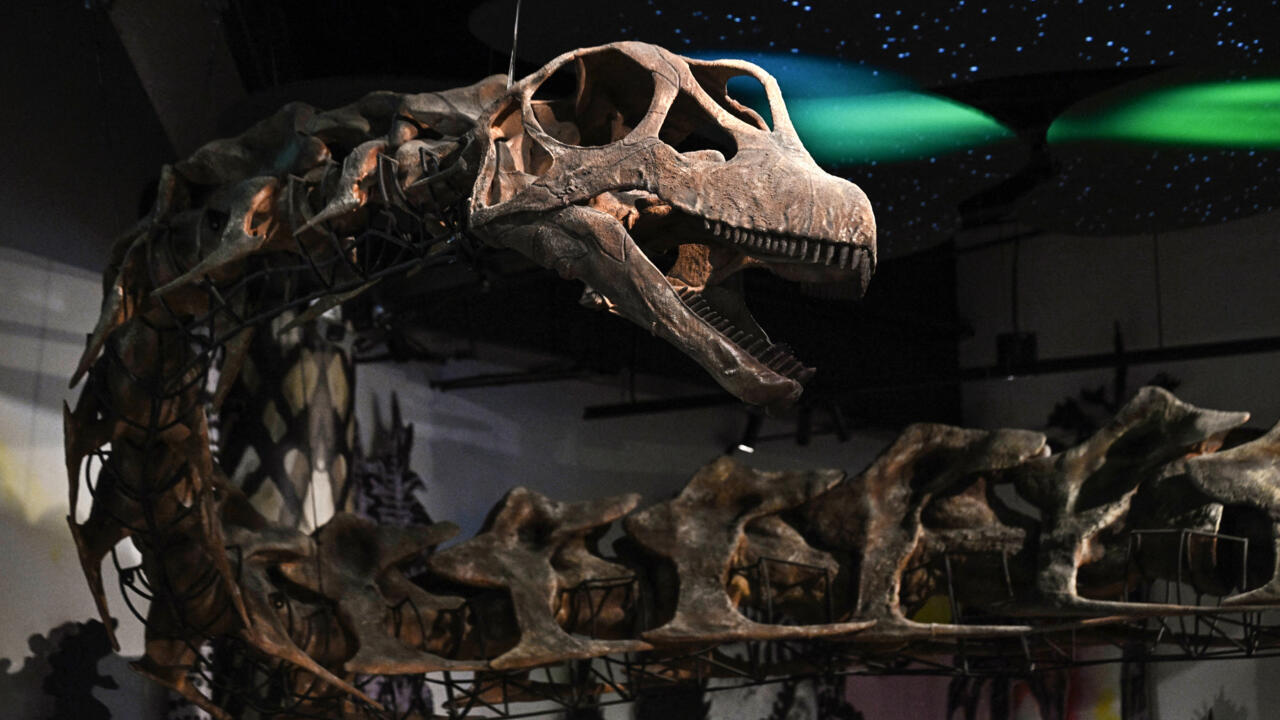
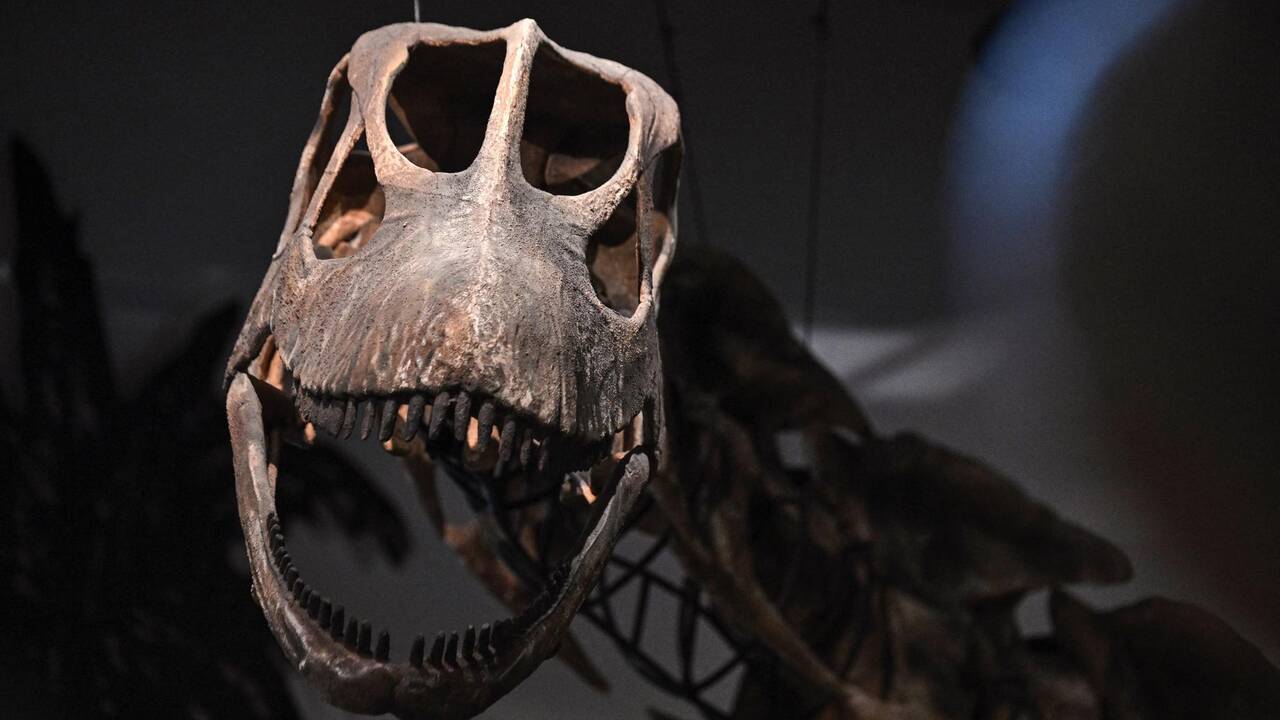
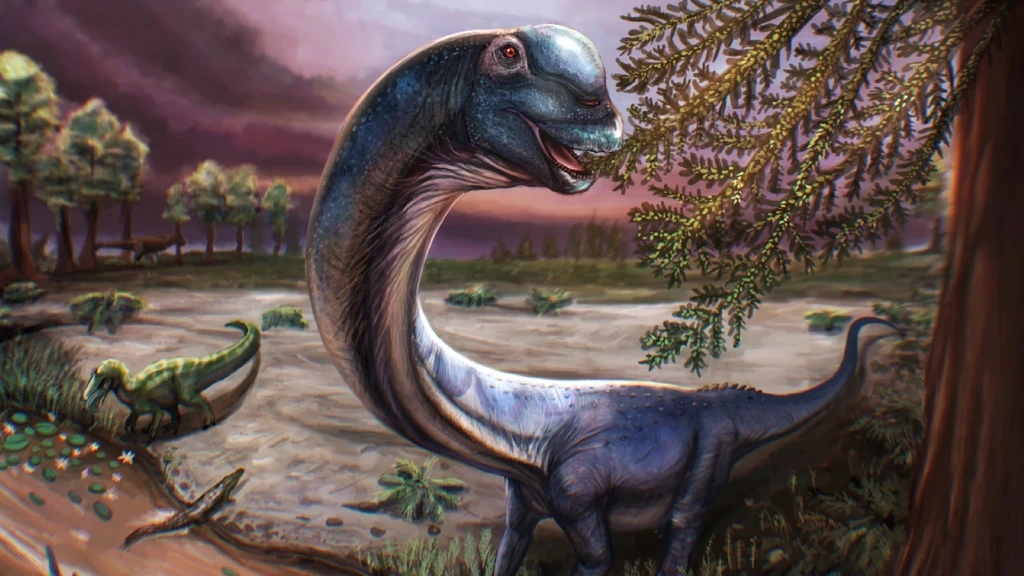
A new type of long-necked plant-eating dinosaur – the largest ever found in Southeast Asia – has been revealed in a study led by researchers at University College London (UCL), Mahasarakham University, Suranaree University of Technology and Sirindhorn Museum in Thailand.
The dinosaur, described in a new paper in the journal Scientific Reports, was identified from bones found at the edge of a pond in north-eastern Thailand 10 years ago.
Analysing spine, rib, pelvis and leg bones, including a front leg bone 1.78 metres long (as long as a human), the research team estimated that the dinosaur would have weighed 27 tonnes – about the same as nine adult Asian elephants – and measured 27 metres in length.
It has been named Nagatitan chaiyaphumensis, with “Naga” referring to a mythological aquatic serpent in Thai and Southeast Asian folklore, “Titan” referring to the giants of Greek mythology and chaiyaphumensis meaning “from Chaiyaphum”, the Thai province where the fossils were discovered. It is the 14th dinosaur to be named in Thailand.