Show Caption
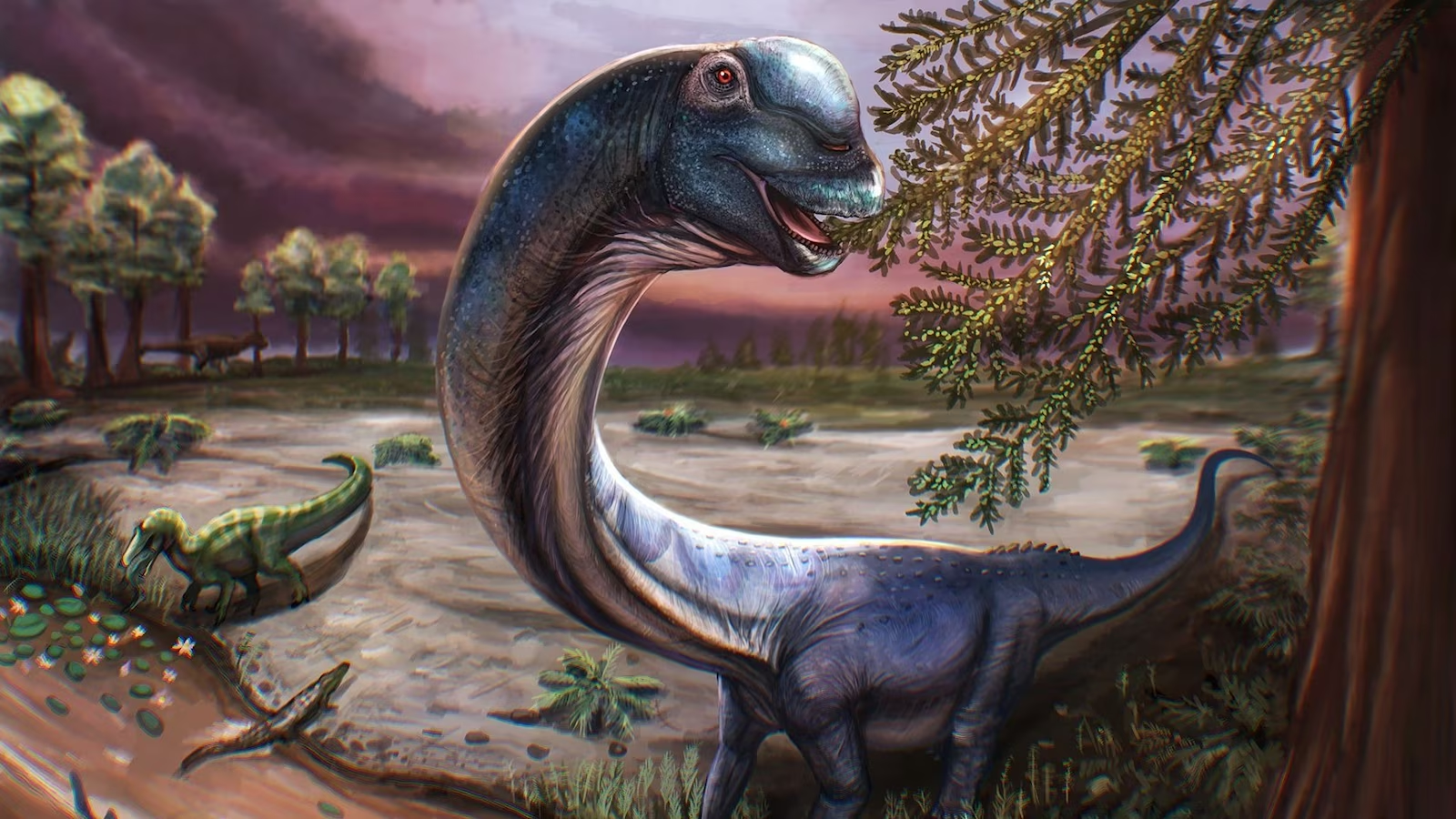
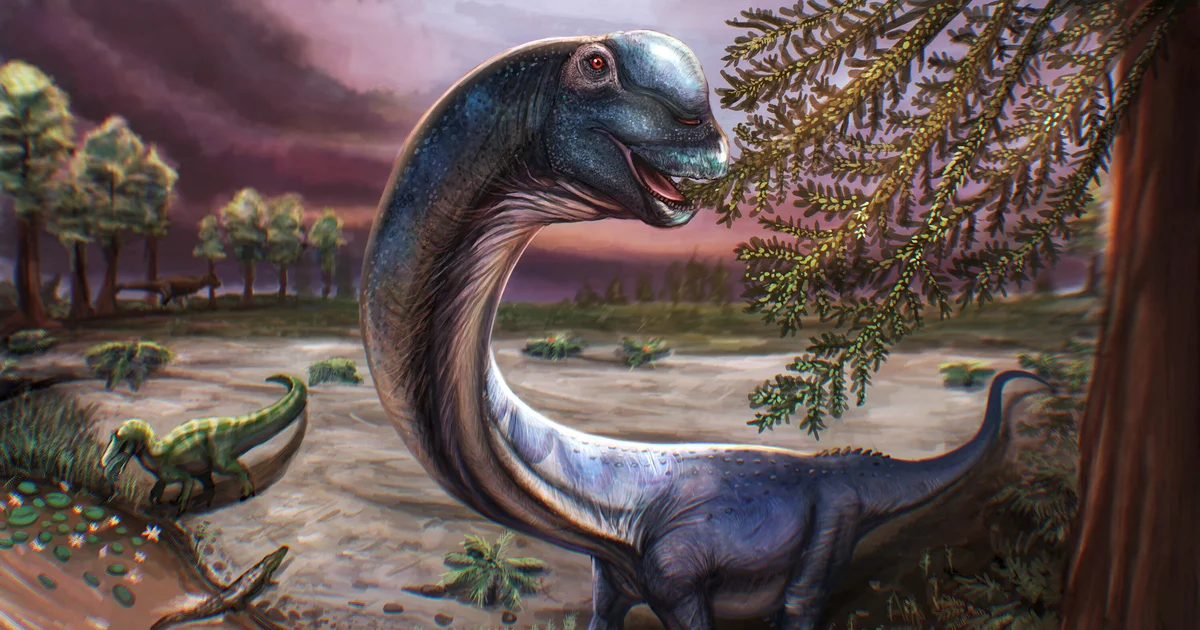
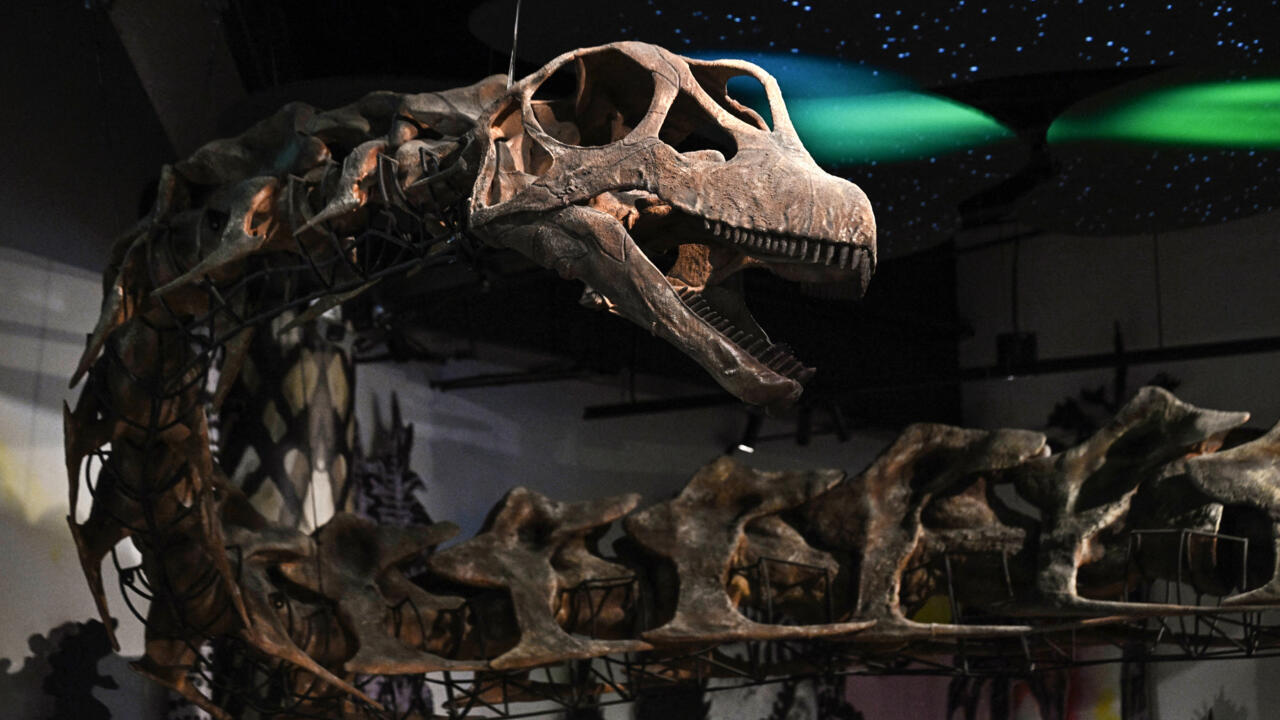
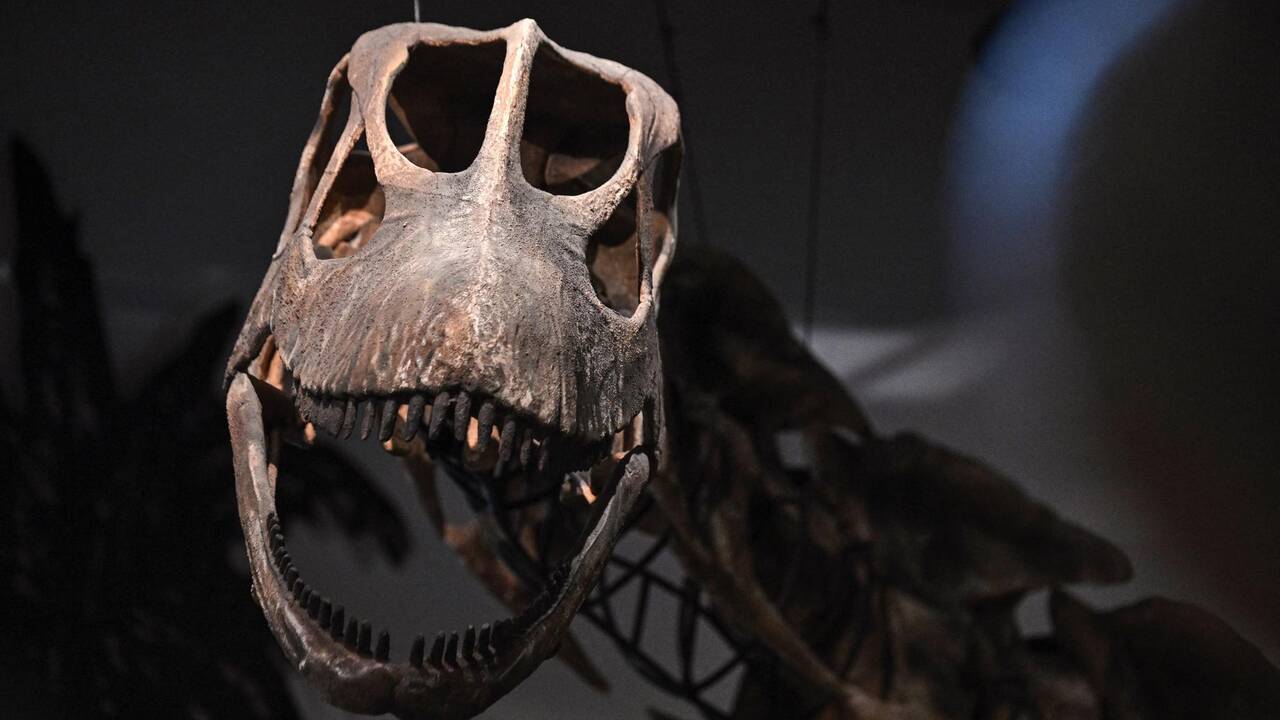
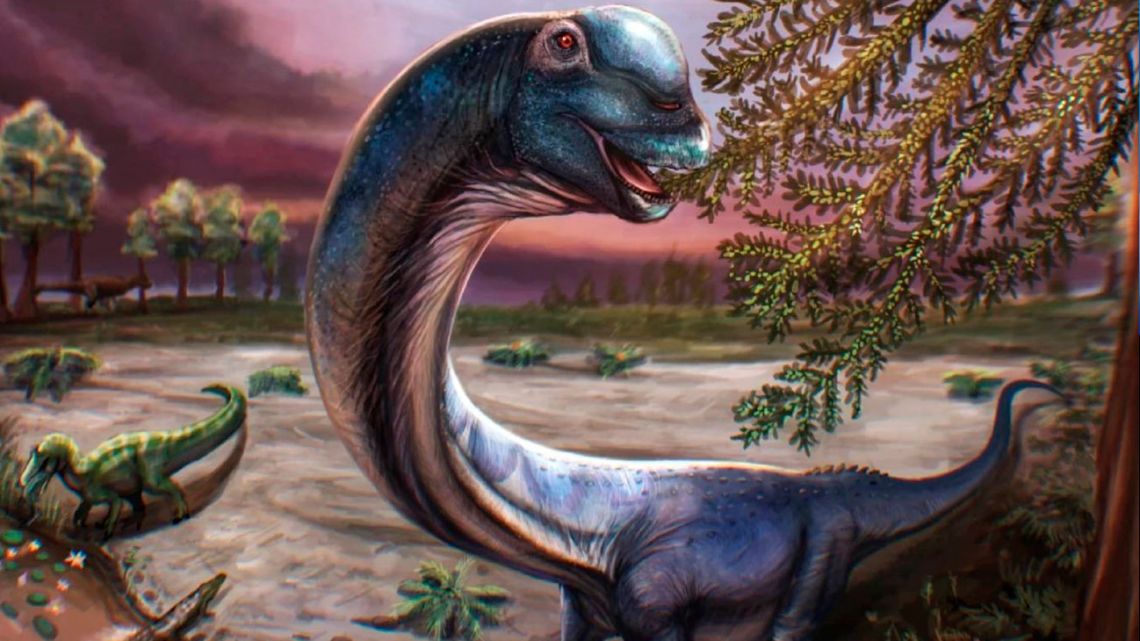
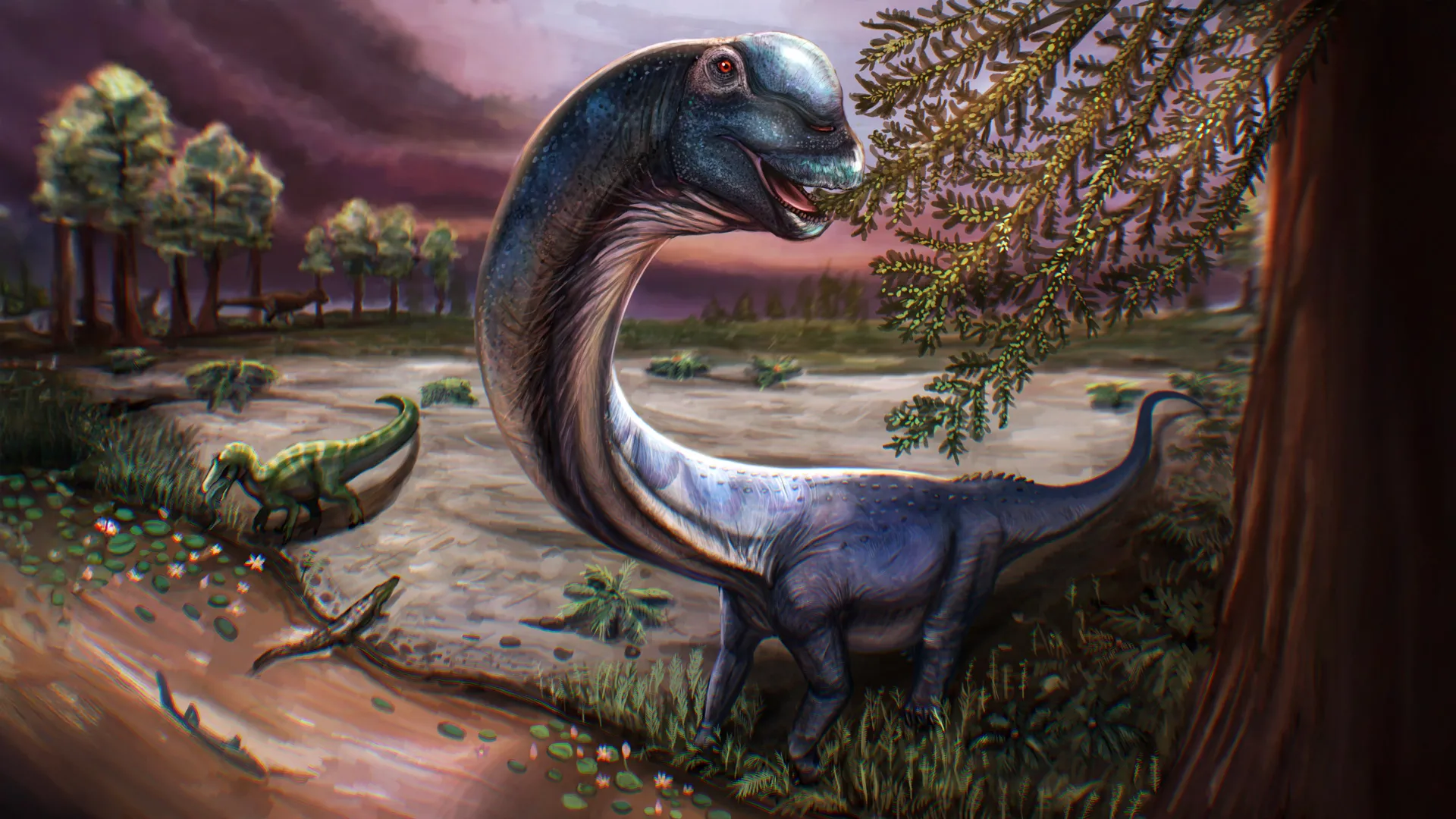
A new giant dinosaur species dubbed the "Last Titan" has been discovered in Thailand, researchers announced this week.The animal is the first sauropod dinosaur from the Lower Cretaceous Khok Kruat Formation of Thailand, according to a study published in Scientific Reports on Thursday, May 14.The dinosaur's bones were found at the edge of a pond in northeastern Thailand 10 years ago.The creature has been named Nagatitan chaiyaphumensis."Naga" refers to a mythological aquatic serpent in Thai and Southeast Asian folklore, a news release from University College of London states, while "Titan" refers to giants in Greek mythology. The dinosaur's fossils were discovered in the Thai province of Chaiyaphum, prompting the second part of the animal's name, chaiyaphumensis. It's the 14th dinosaur to be named in Thailand.What kind of dinosaur is it?The dinosaur belonged to the sauropod family, the famous long-necked, long-tailed plant-eaters. Similar species include the Diplodocus and Brontosaurus.The animals lived during the Early Cretaceous period between 100 and 120 million years ago.By analyzing the animal's spine, rib, pelvis and leg bones, including a front leg bone, researchers found the dinosaur would've weighed 54,000 pounds, or the equivalent of nine adult Asian elephants, and would've measured 88 feet in length.In a written statement, Thitiwoot Sethapanichsakul, a Thai PhD student at University College of London, and the study's lead author, said researchers named the animal "the last titan" because its fossils were discovered in Thailand's youngest dinosaur-bearing rock formation.Younger rocks in the region are unlikely to contain dinosaur remains, the release states, because the region had become a shallow sea by then.Large dino discovered could be Southeast Asia's last, researcher says"This may be the last or most recent large sauropod we will find in Southeast Asia," said Sethapanichsakul.During the Early Cretaceous, the region would've been an ideal habitat for dinosaurs as they relied on the surface area of their long necks and tails to shed heat and regulate their body temperature.Crocodiles, freshwater sharks and fish would've also thrived in the area.Other dinosaurs that would've roamed the terrain include iguanodontians and ceratopsians, plant-eating dinosaurs, in addition to carcharodontosaurians and spinosaurids, big meat-eaters. Flying reptiles called pterosaurs would've also eaten fish from the river.'I've always been a dinosaur kid'The discovery fulfills Sethapanichsakul's lifelong dream.“I’ve always been a dinosaur kid," he said. "This study doesn’t just establish a new species but also fulfills a childhood promise of naming a dinosaur.”Michelle Del Rey is a trending news reporter at USA TODAY. Reach her at mdelrey@usatoday.com.