May 15, 2026
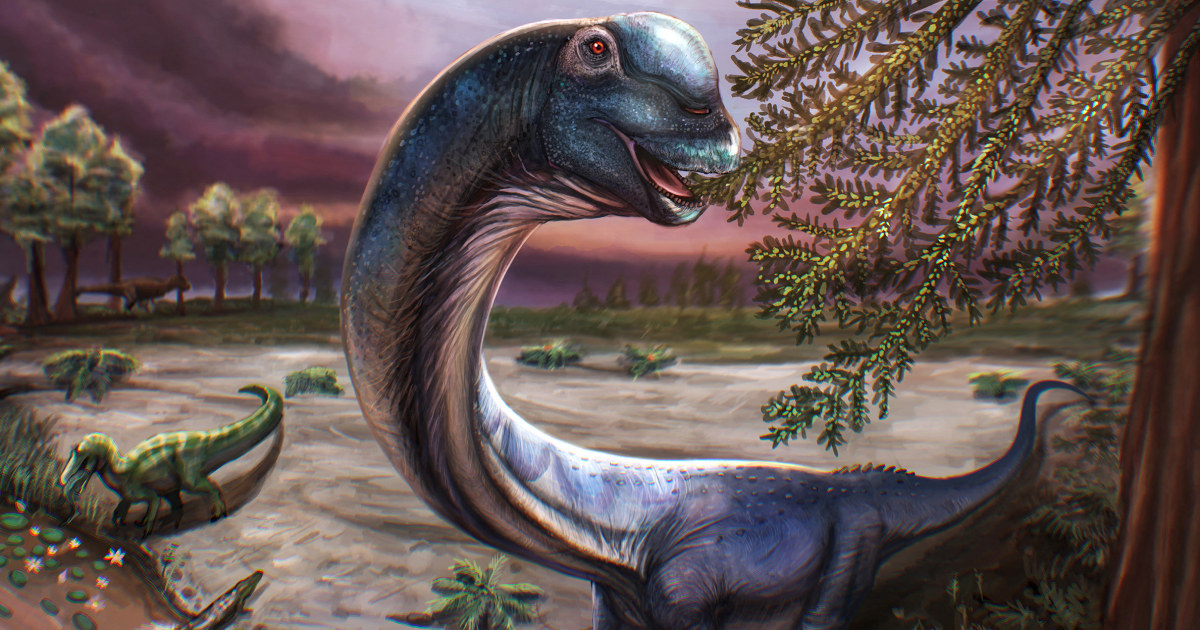
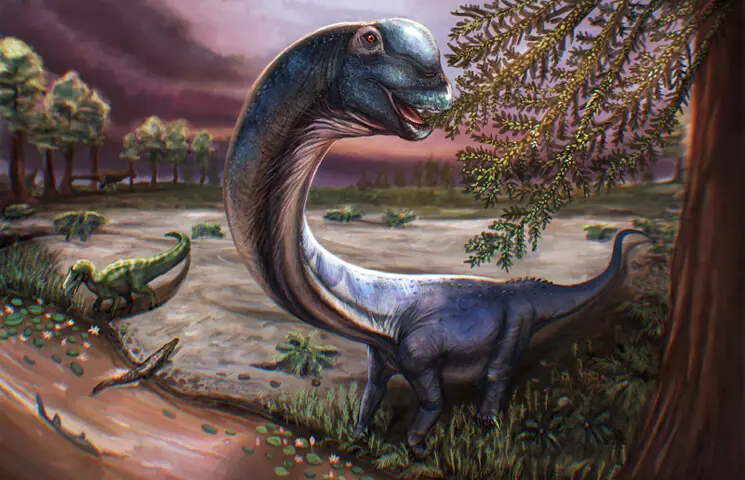
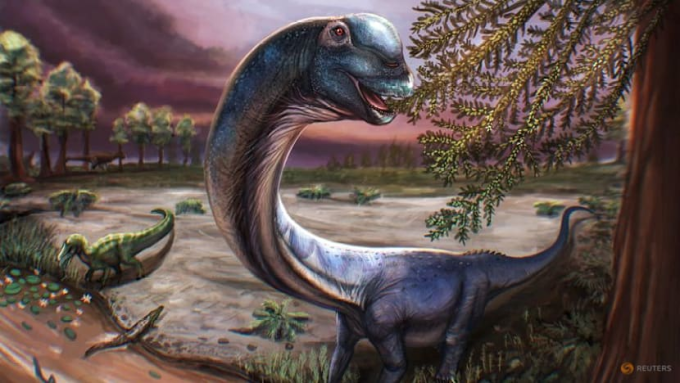
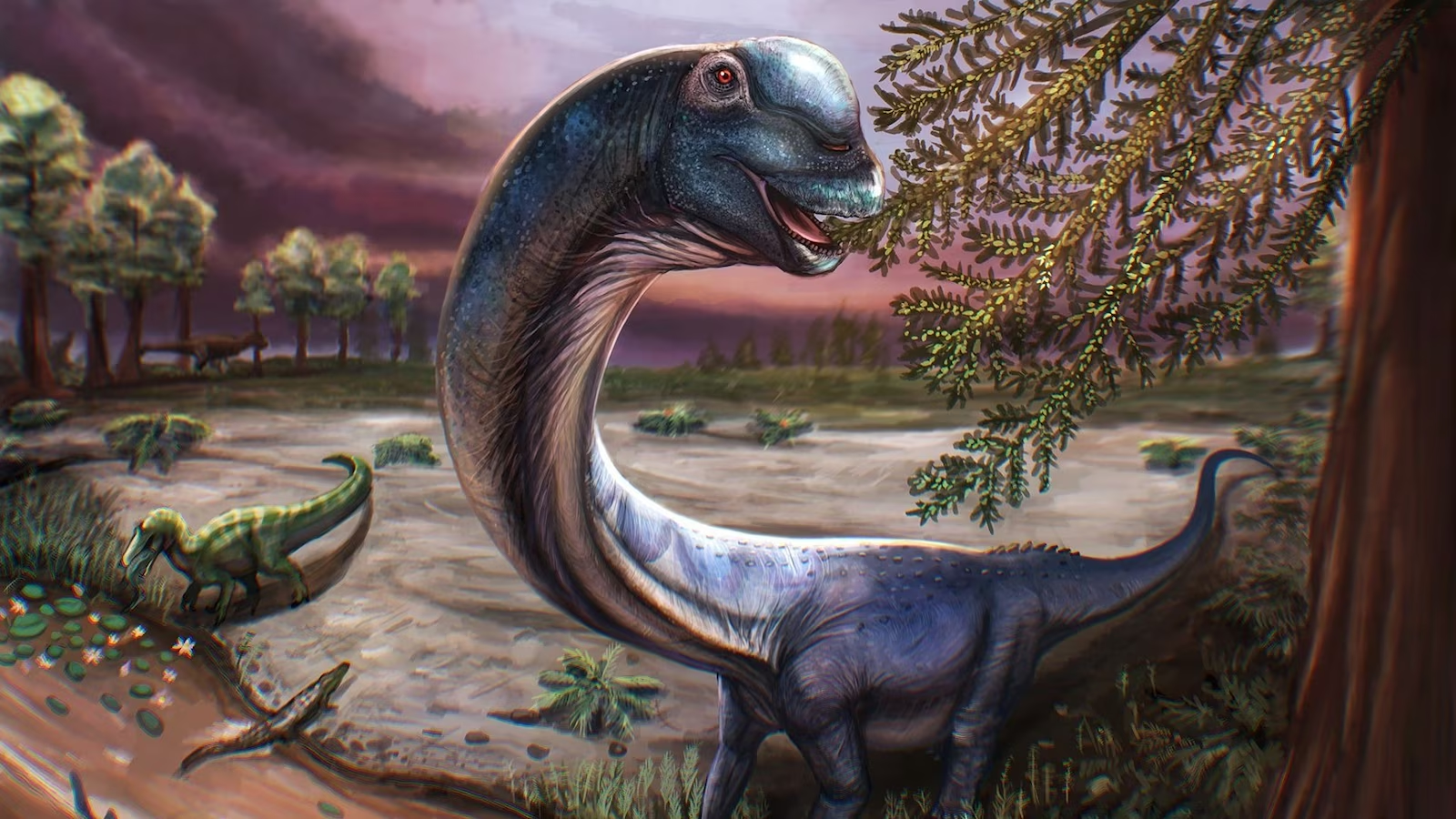
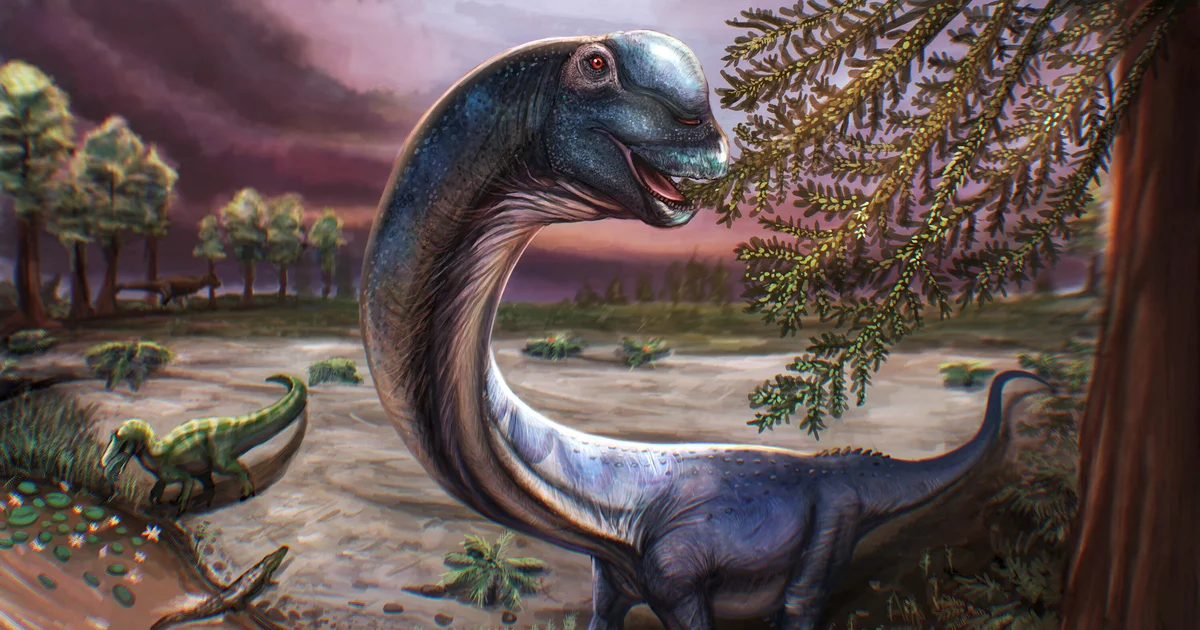
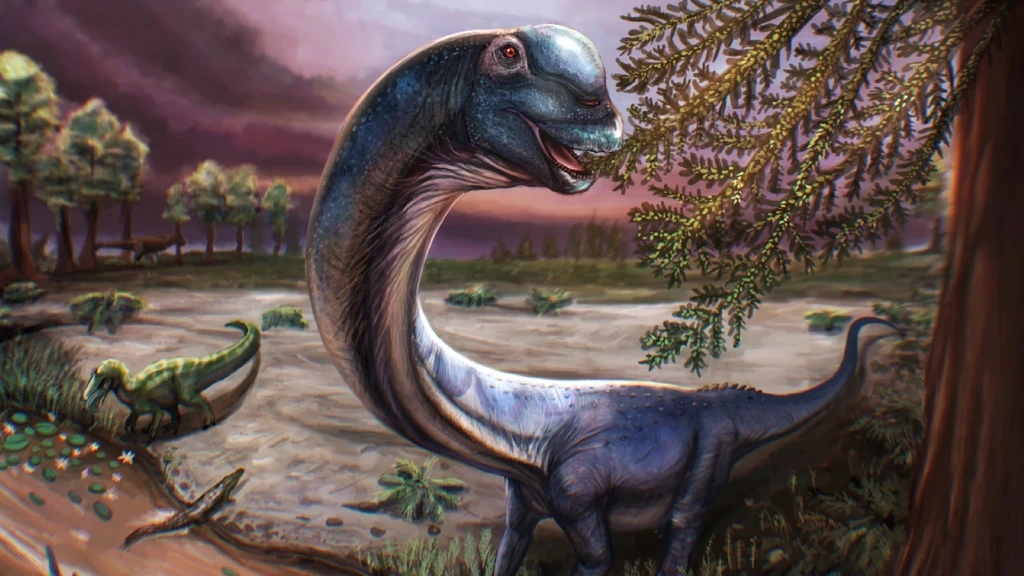
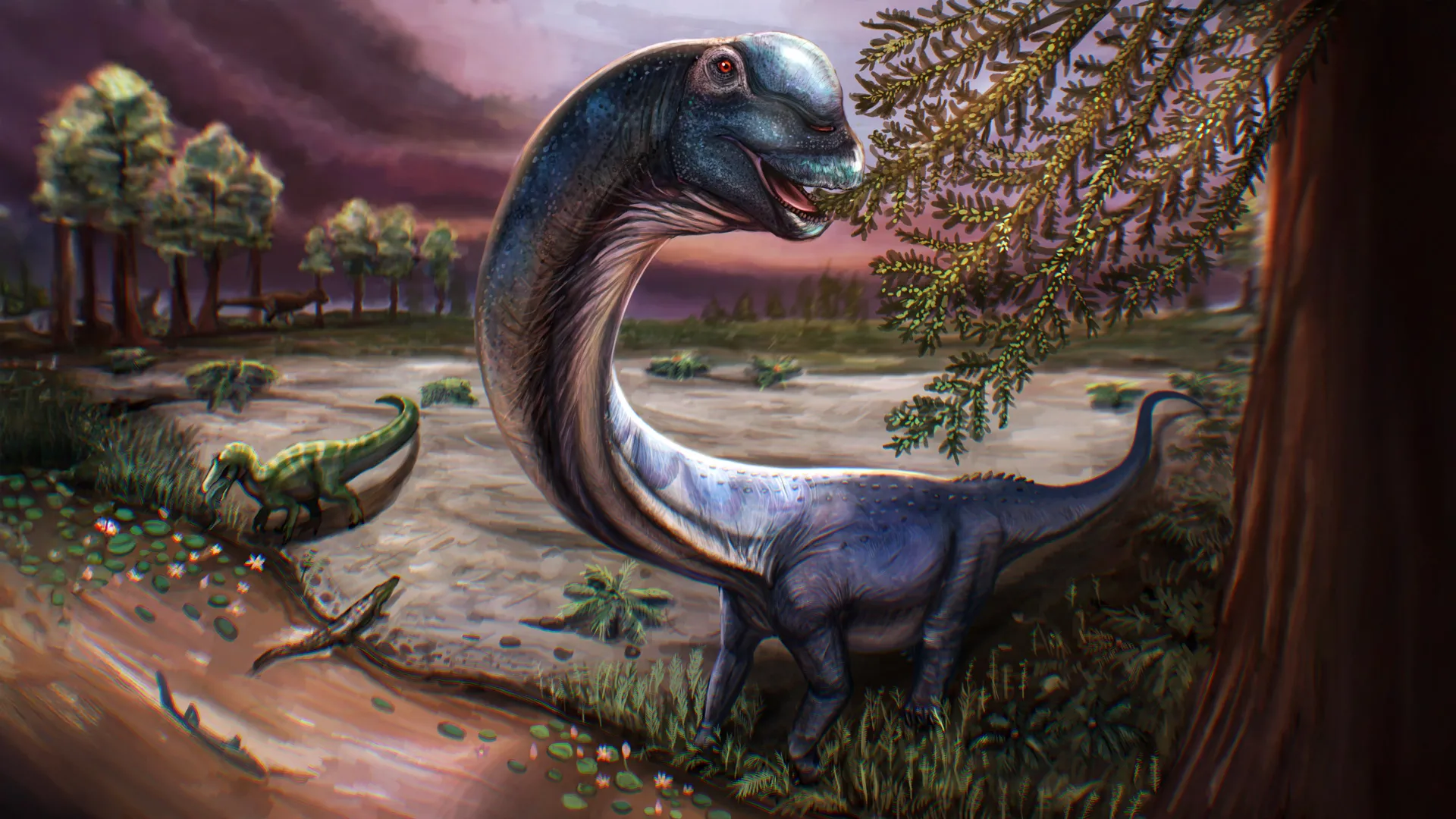
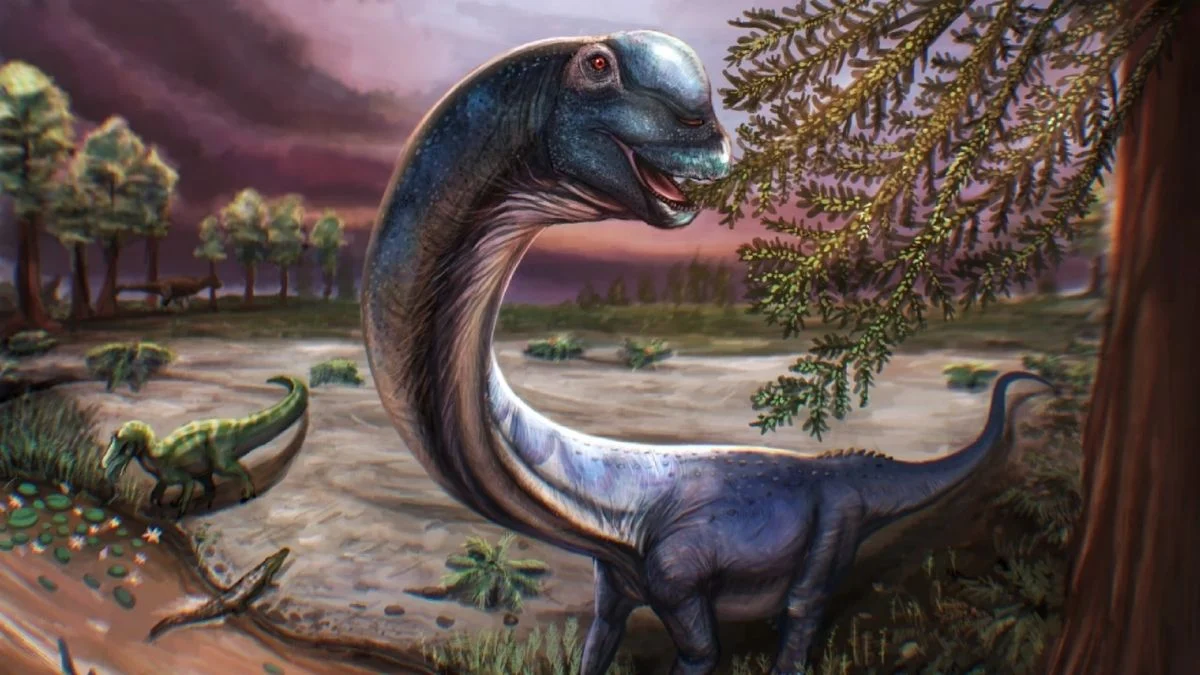
Along a meandering river in a warm and arid region that is now Thailand roughly 113 million years ago, a plant-eating behemoth almost 90 feet (27 metres) long browsed on the treetops without much fear of predators due to its sheer size. This was Nagatitan chaiyaphumensis, the largest-known dinosaur from Southeast Asia.
Researchers have unearthed skeletal remains of Nagatitan, a member of the dinosaur lineage called sauropods known for having a long neck, long tail, small head and four columnar legs.
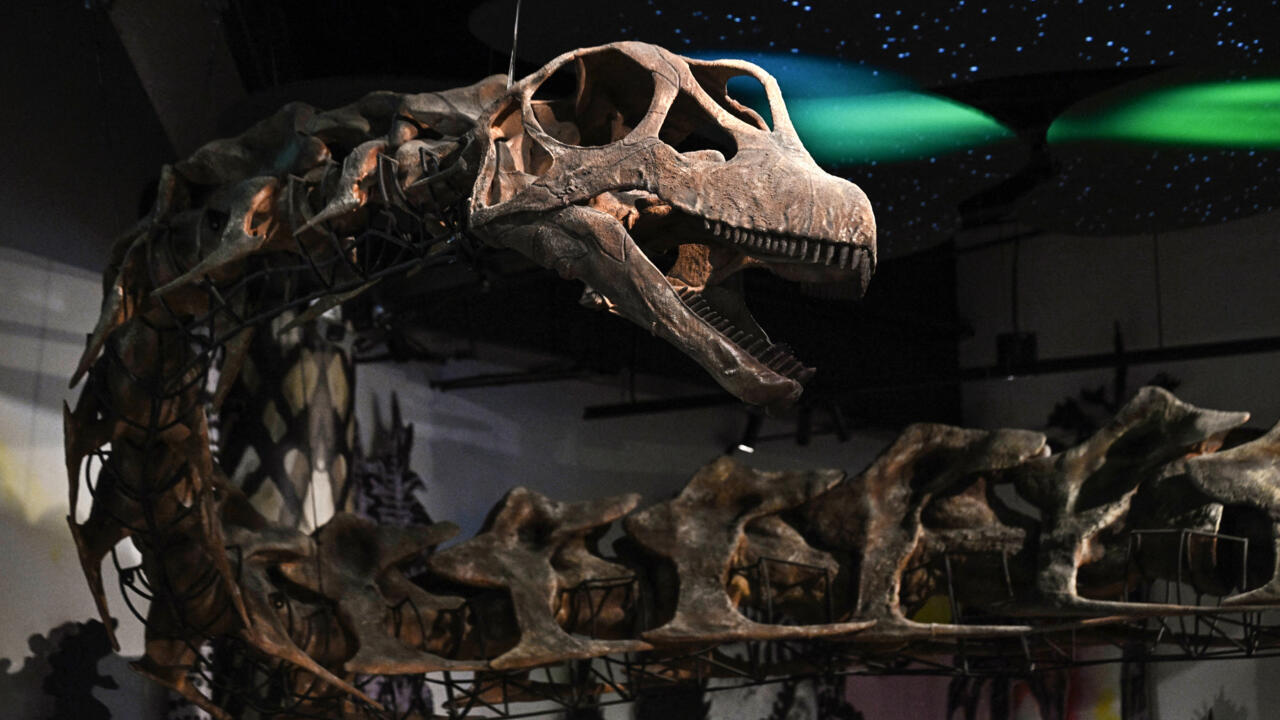
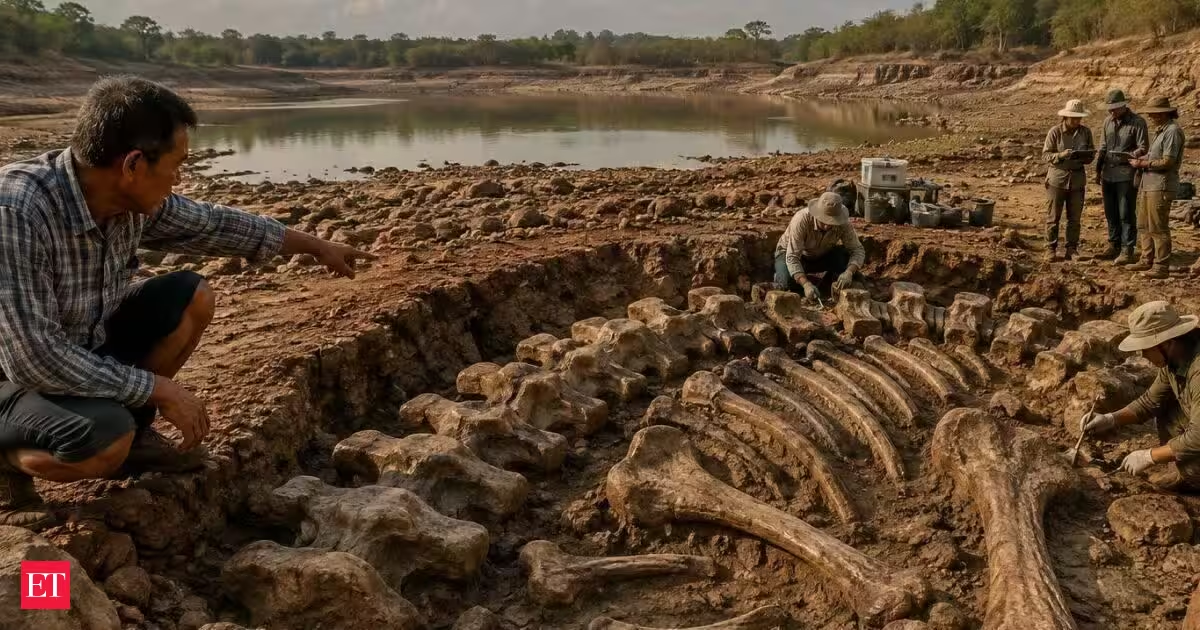
The fossils of this Cretaceous Period dinosaur were first spotted by a villager in Thailand's northeastern province of Chaiyaphum. Scientists over a period of years then dug up spine, rib, pelvis and leg bones including a front leg bone - the humerus - measuring 5.8 feet (1.78 metres) long.
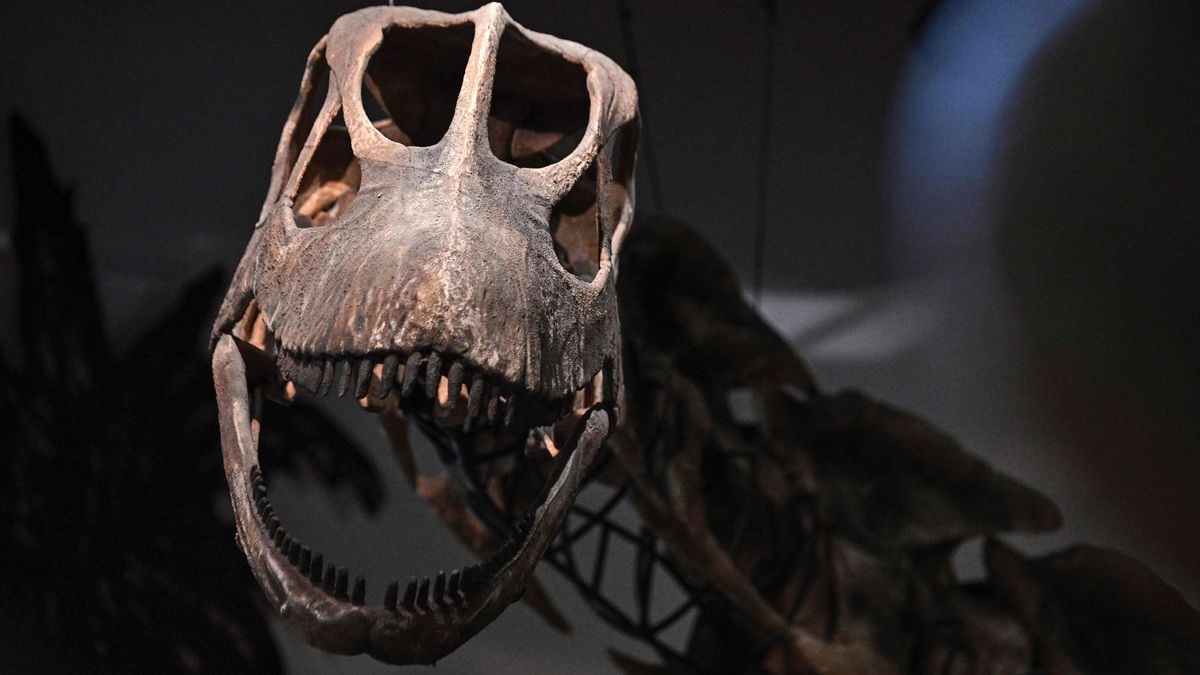
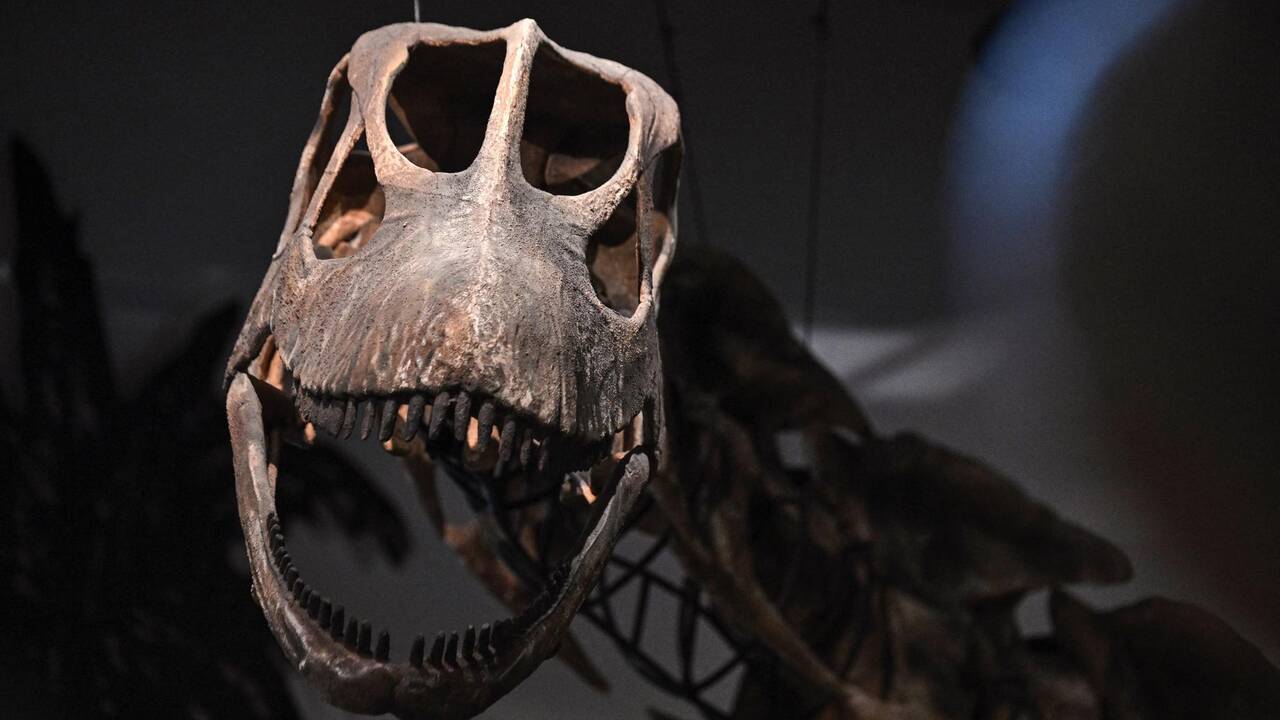
Based on the dimensions of its humerus and femur, the corresponding hind leg bone, the researchers estimated Nagatitan's body mass at 25 to 28 tonnes. Its head and teeth were not among the fossils recovered, but the researchers have a good idea of its feeding preferences based on other sauropods.