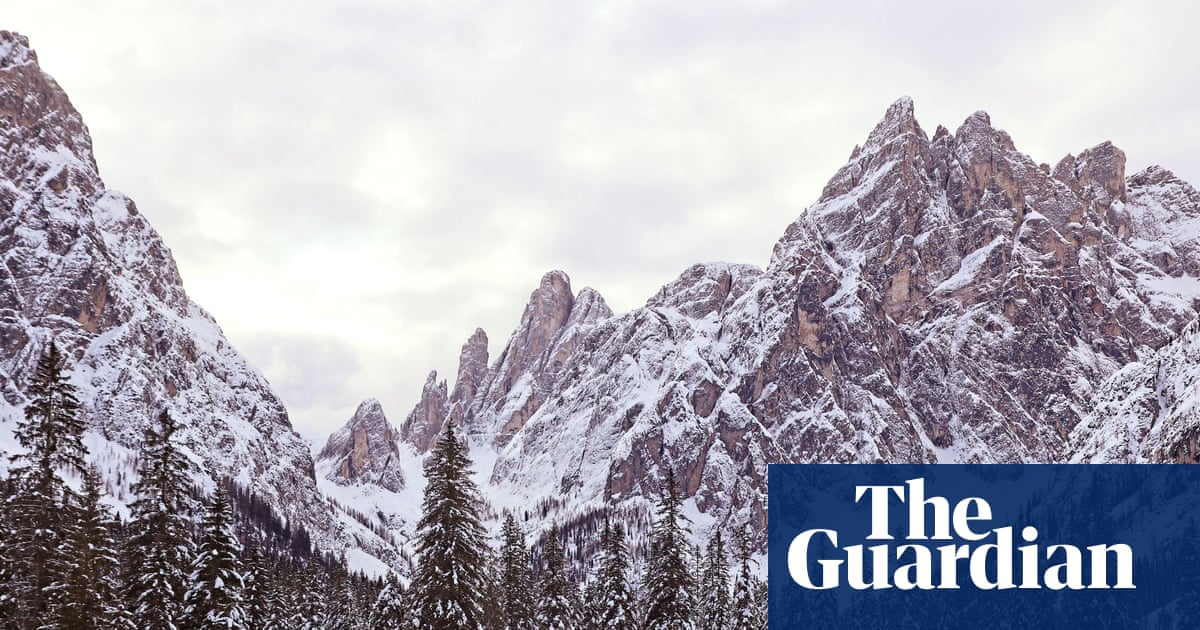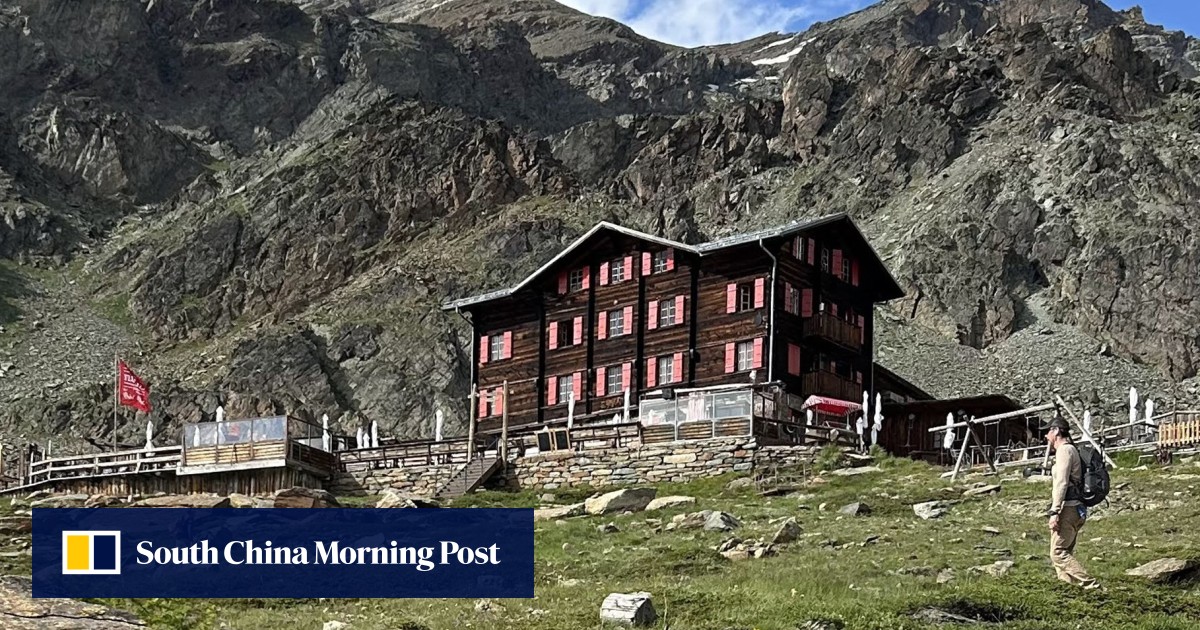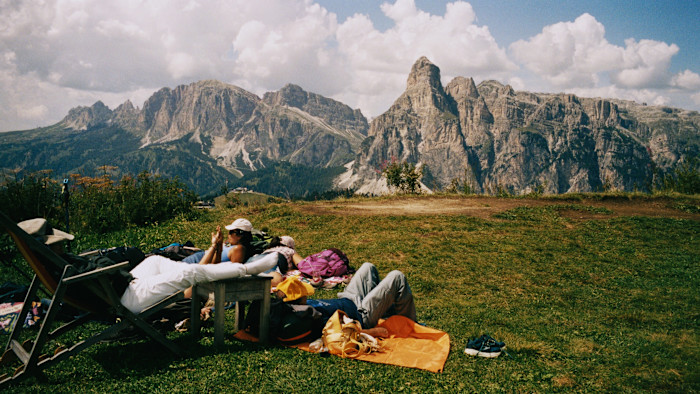
I went on a walking holiday in the Dolomites last summer. Lured in by Instagram reels of rolling alpine meadows as pristine as a Windows XP background, my boyfriend and I bought hiking sticks and hydration bladders and set out to climb the peaks that Le Corbusier once called “the most beautiful architectural work in the world”. We hiked to the chocolate-box Geisleralm mountain hut, with its postcard-perfect vista of pine trees and jagged, needle-like spires. We took pictures of the crystal-clear Lago di Carezza (carefully angled to crop out the swarms of drones and selfie sticks).
Rifugio Las Vegas, Bolzano © Angelo Pennetta
But though the viewpoints were all staggeringly beautiful (really), the best discoveries were the smaller ones we made along the way – the tiny wayside shrines and bursts of vanilla-scented spiky black orchids; an emerald-coloured pool we came upon after hours of scrambling over boulders; the satisfaction of a simple bowl of polenta al ragù after a long and knee-punishingly steep ascent.
The pilgrimage has long been a constant. From medieval devotees trudging from Canterbury to Rome on the Via Francigena, to the Islamic tradition of the Hajj, to the Shinto and Buddhist Kumano Kodo trail through the cedar forests of central Japan, the sacred walk has connected a multitude of cultures and religions for millennia. “Back then, [the pilgrimage] wasn’t just an act of religious devotion, it was also a social institution,” says Dr Guy Hayward, co-founder of The British Pilgrimage Trust. “It led to commerce, inns, guidebooks, relics… the pilgrim badge was a kind of medieval passport.”