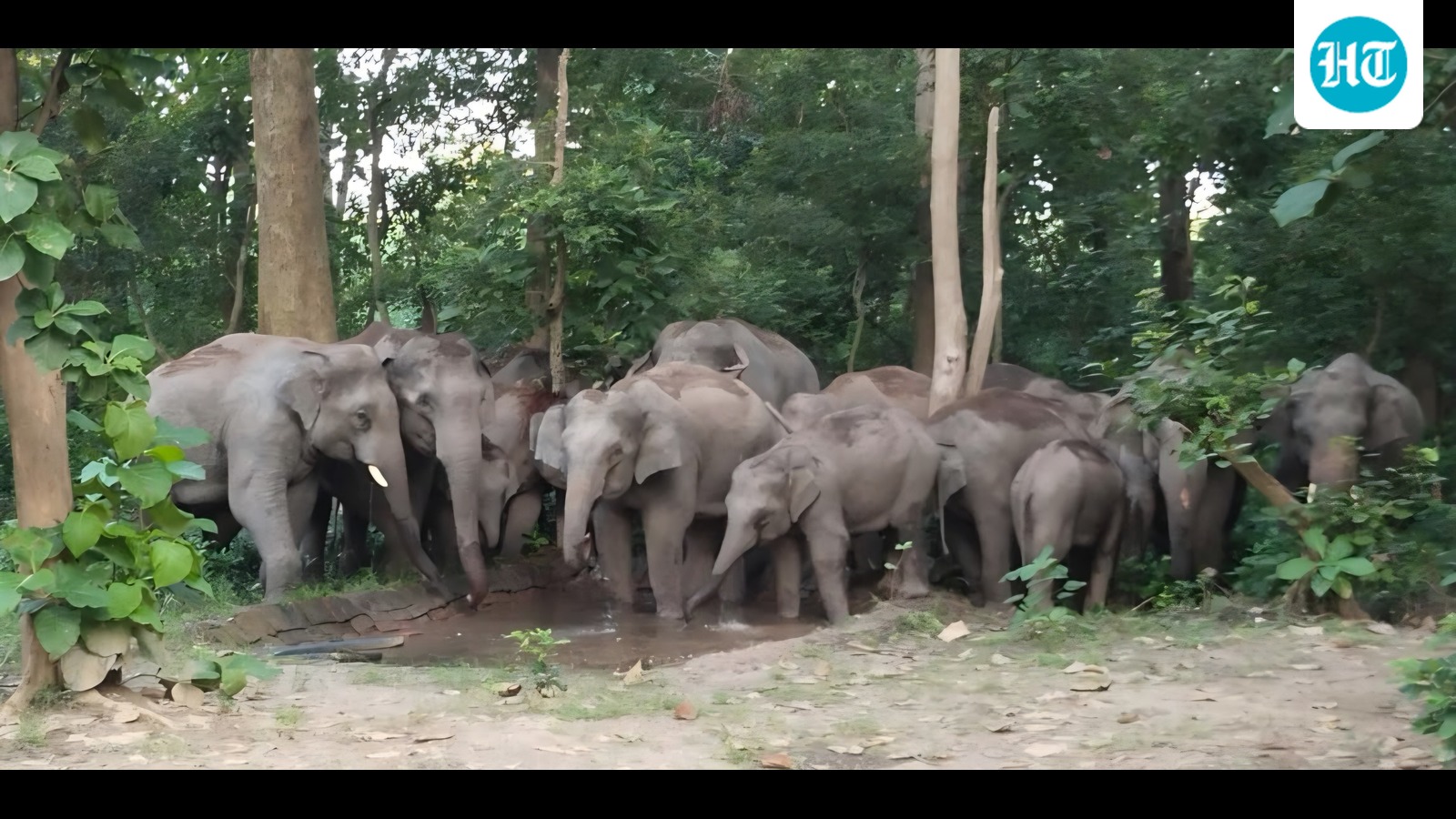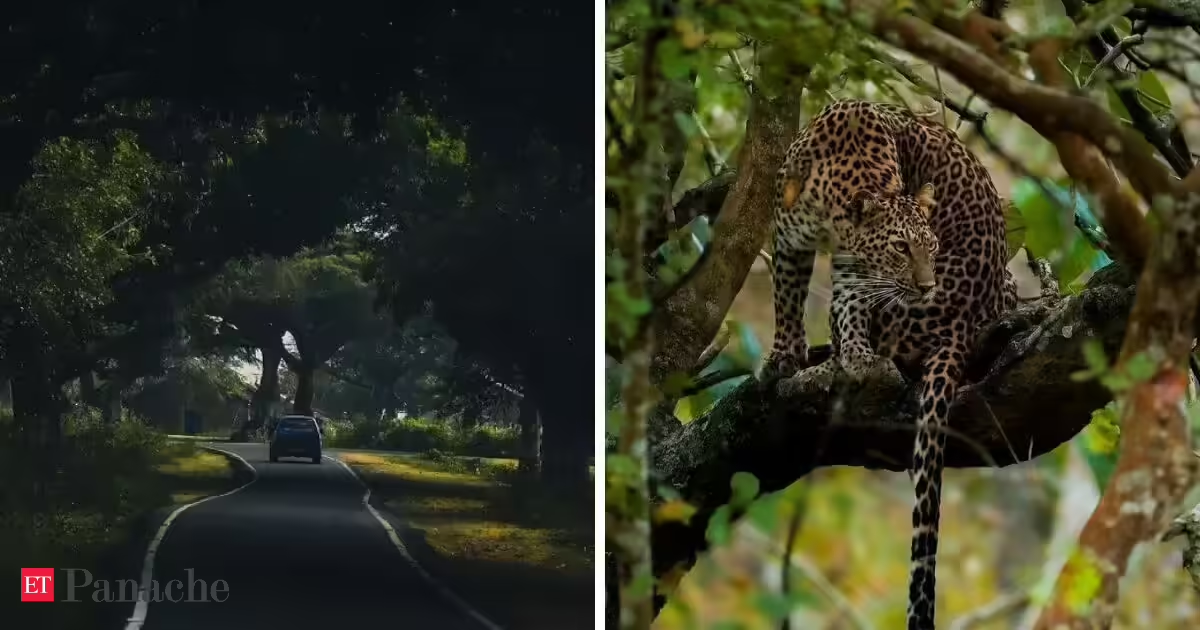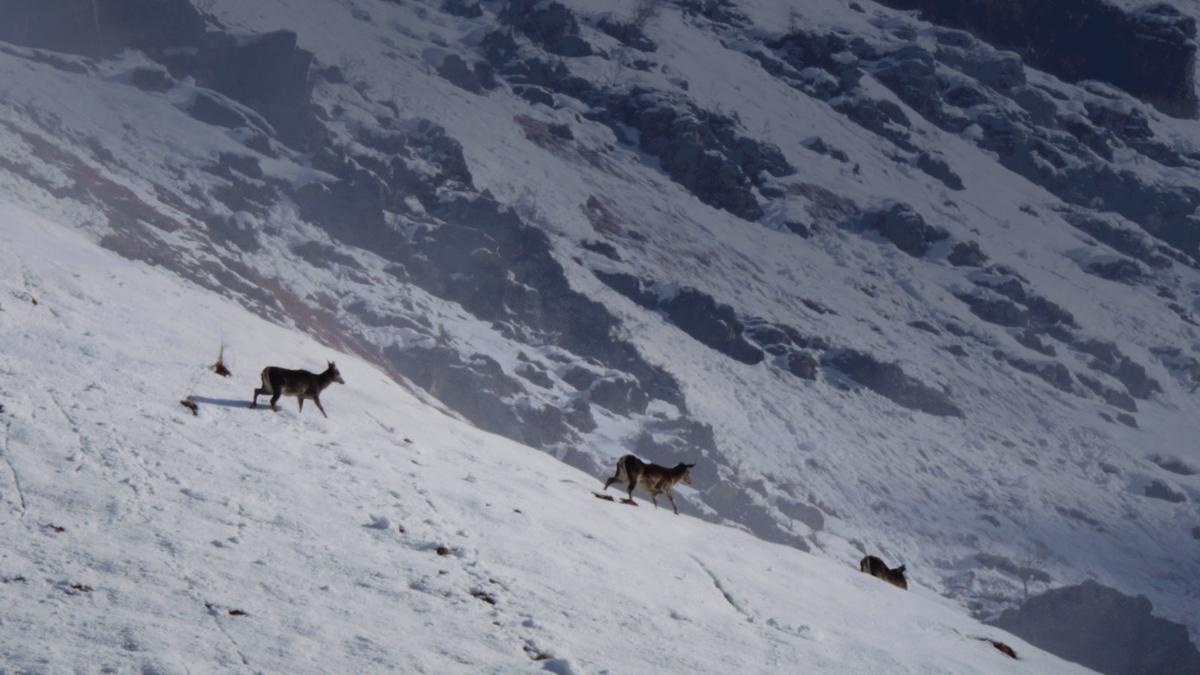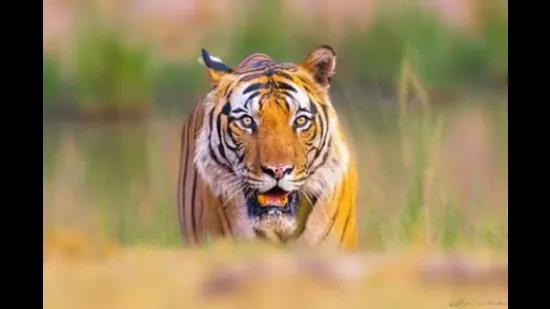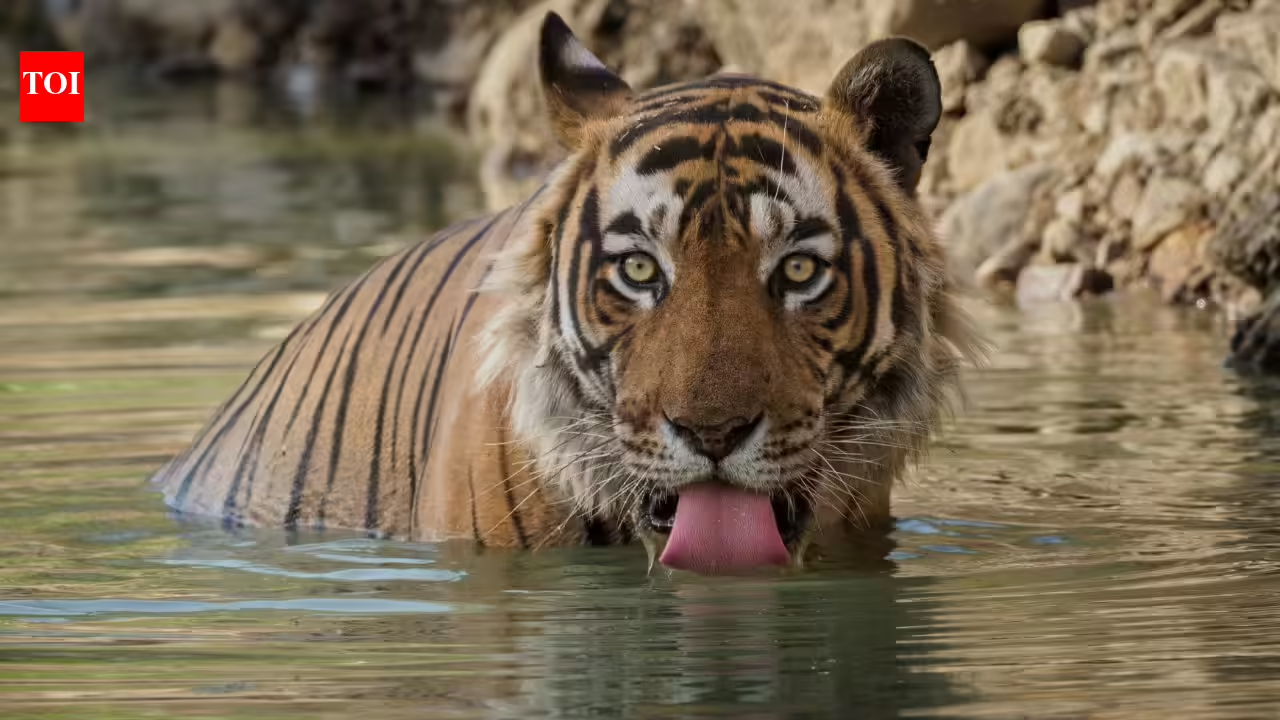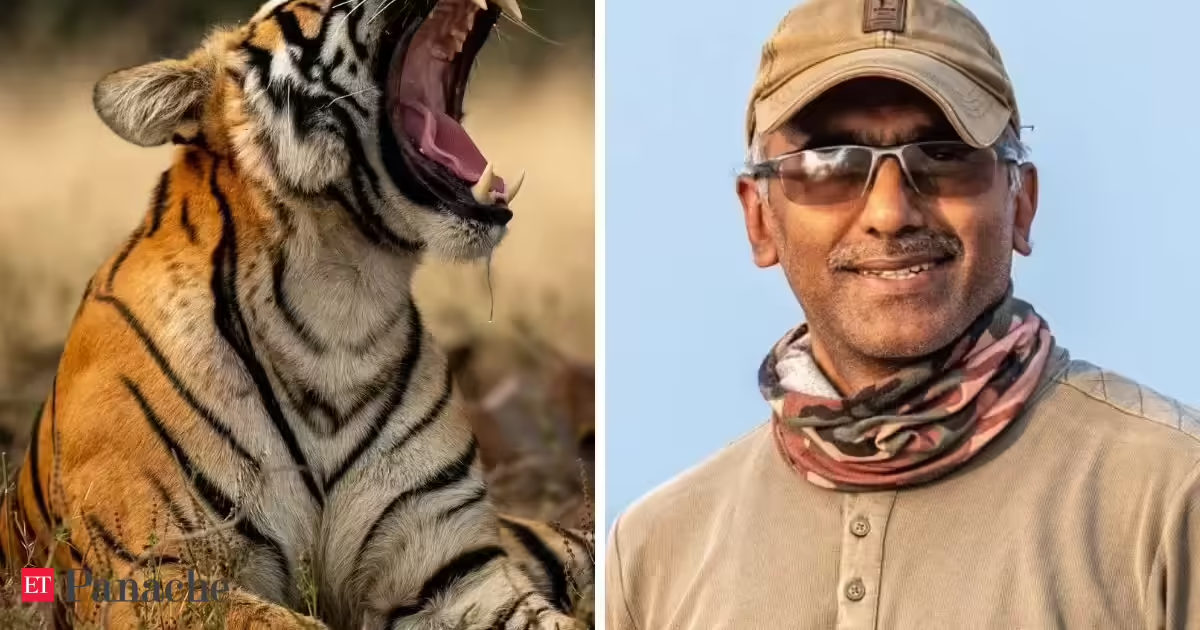
Far from the crowded safari circuits of India lies a jungle that still feels raw, untouched, and wonderfully wild. No endless tourist queues. No noisy jeep traffic. Just dense forests, grasslands stretching endlessly into the horizon, and the possibility of spotting a tiger quietly emerging from the tall Terai grass. Award-winning wildlife photographer and investor Sridhar Sivaram recently revealed why Uttar Pradesh’s Dudhwa National Park may be one of India’s most underrated wildlife destinations, calling it an “unexplored” paradise every nature lover should experience at least once. Sivaram, who is an Investment Director at Enam Holdings and also a passionate wildlife enthusiast, spoke about the hidden beauty of Dudhwa National Park during an interview with NDTV Profit. Known for his award-winning wildlife photography, he described the Terai landscape of Uttar Pradesh as one of the most beautiful jungle ecosystems in the country. Speaking about his experience, Sivaram said he was deeply impressed by Uttar Pradesh’s “beautiful jungles,” especially the untouched atmosphere of Dudhwa. According to him, the region still remains relatively unexplored. He recalled witnessing massive tiger sightings during his visit and strongly recommended wildlife lovers to explore the forests of Dudhwa for themselves. What stood out most for him was the lush green landscape that remains vibrant throughout the year due to the unique Terai ecosystem.Sridhar Sivaram and photography Sivaram is not only an investor but also a serious wildlife photographer whose work has earned international recognition. He won the Sanctuary Asia Awards in 2021 and was also the winner of the Wildlife Vets International Photo competition the same year. While photography began as a hobby, he became deeply involved in it after purchasing his first DSLR camera in 2015. Since then, many of his photographs have appeared in leading publications and wildlife magazines. His growing interest in photography eventually turned into a celebrated passion, allowing him to travel through forests and capture rare wildlife moments across India.Who is Sridhar Sivaram?Sridhar Sivaram is a veteran investment professional with more than two decades of experience in fund management and financial markets. He currently serves as an Investment Director at Enam Holdings and is regarded as one of the prominent names in India’s investment management space. Before joining Enam, Sivaram worked with Morgan Stanley, where he managed the firm’s flagship India investment fund. In 2011, he was the Managing Director at Morgan Stanley. Academically, Sivaram is a Commerce graduate from the University of Calcutta and also holds qualifications as a Chartered Accountant, Company Secretary, and Cost Accountant. Alongside finance, he is widely known for his passion for wildlife photography and has won multiple photography awards for his work. About Dudhwa National Park Located in the Lakhimpur Kheri district of Uttar Pradesh near the Indo-Nepal border, Dudhwa National Park forms a crucial part of the larger Dudhwa Tiger Reserve. According to information available on the Uttar Pradesh Eco Tourism website, the reserve combines two major sanctuaries of the Terai belt: Kishanpur Wildlife Sanctuary and Katerniaghat Wildlife Sanctuary. Together, these regions showcase some of the richest natural forests and biodiversity in northern India. Spread across nearly 811 square kilometres, the reserve is made up of marshes, dense forests, rivers, lakes, and vast grasslands that create the perfect habitat for wildlife. The park is especially famous for its magnificent Sal forests, considered among the best in the world. This untouched terrain has made Dudhwa a dream destination for nature lovers, wildlife enthusiasts, photographers, and birdwatchers looking for a quieter and more authentic jungle experience. Dudhwa has largely remained free from excessive tourism. Its relatively untouched atmosphere allows animals to thrive in a calmer and more natural environment.Wildlife and birdlife at Dudhwa Dudhwa National Park is home to more than 38 species of mammals, 16 species of reptiles, and hundreds of bird species. The reserve shelters iconic wildlife, including tigers, rhinoceroses, elephants, swamp deer, sambar, hog deer, cheetal, sloth bears, wild pigs, blue bulls, porcupines, otters, pythons, gharials, mugger crocodiles, turtles, and monitor lizards. One of the highlights of the reserve is its incredible bird diversity. Out of nearly 1300 bird species found across the Indian subcontinent, more than 450 species can reportedly be spotted within the Dudhwa reserve area. Birdwatchers visiting the park can witness species such as hornbills, peafowls, fishing eagles, serpent eagles, osprey, paradise flycatchers, Indian pitta, emerald dove, orioles, woodpeckers, and the rare Bengal florican. During winter, the lakes and wetlands of Dudhwa attract large numbers of migratory birds, transforming the reserve into a paradise for bird photography and birdwatching. How to reach Dudhwa National Park? Travellers planning a road trip from Lucknow can reach Dudhwa via Sitapur, Lakhimpur, Gola, Khutar, Mailani, and Palia. Visitors travelling from Delhi can take the route through Moradabad, Bareilly, Pilibhit, Khutar, Mailani, and Palia before arriving at the national park. The nearest airport to Dudhwa is in Lucknow, which is well connected to major Indian cities through regular flights. Ideal time to visit the parkThe ideal time to visit the park is between 15 November and 15 June, when safari conditions are most favourable and wildlife sightings are frequent.
'Possibly most beautiful jungle': Award-winning wildlife photographer and investor Sridhar Sivaram reveals a hidden destination wildlife and nature lovers must visit
Dudhwa National Park in Uttar Pradesh offers a raw and wild jungle experience away from crowds. Award-winning photographer Sridhar Sivaram highlights its untouched beauty and rich biodiversity. The park boasts dense forests, grasslands, and diverse wildlife including tigers and rhinos. Dudhwa provides a peaceful and authentic nature escape for enthusiasts.
844 words~4 min read