Let El-Rufai enjoy his constitutional rights, argues
The unfolding confrontation between the Independent Corrupt Practices Commission and the family of Nasir El-Rufai is gradually degenerating into something far more dangerous than a routine corruption investigation. It is becoming a test of whether Nigerian institutions can enforce the law without appearing vindictive, selective, or politically motivated.
No serious society can survive without strong anti-corruption institutions. Public officials who misuse public resources must face investigation and prosecution. Nigerians are exhausted by decades of impunity where powerful men enrich themselves while citizens suffer poverty, insecurity, and collapsing infrastructure. Therefore, no one, including El-Rufai, should be immune from scrutiny.
But anti-corruption agencies must understand a simple principle, the legitimacy of justice depends not only on punishment, but also on fairness, restraint, and respect for the law. Once an agency begins to look arbitrary, emotional, or politically weaponised, it weakens both itself and the broader democratic system.
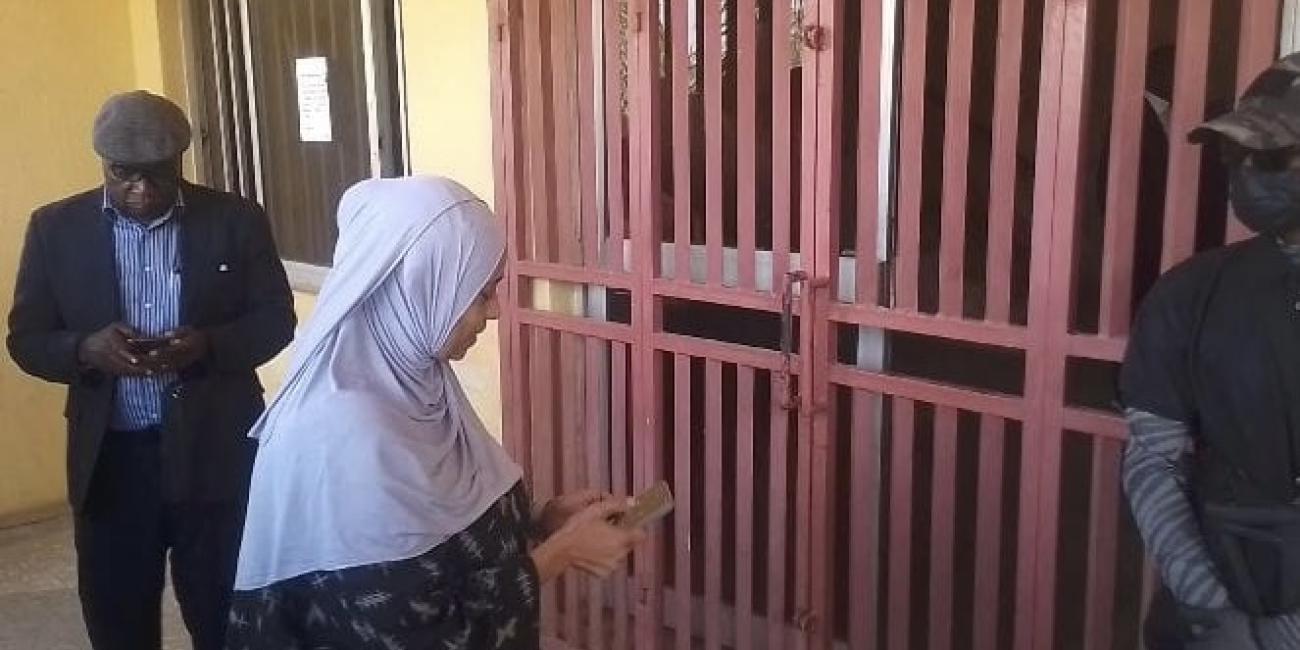
According to family sources, the ICPC allegedly denied El-Rufai access to his personal doctor despite an existing court order permitting unrestricted medical access. The agency also reportedly stopped his wife from delivering food because she arrived after an internally imposed 6:30pm deadline.