Tell us about your new novel, Runaway Road. The novel is an “on-the-run road trip” set in northwest Ireland in 2023. Siblings Ezra (16) and Evie (9) are raised in care and are used to feeling invisible, but after a crime goes badly wrong, they have to become invisible for real. It’s a page-turner with powerful themes, settings, emotions and wry humour.Set between Donegal and Derry, the Border looms large. Although now invisible, what does it feel like to live on the edge?I haven’t thought of it like “living on the edge” but it’s true. I live in Derry and out my back window I can see An Grianán Fort perched on the Donegal hills. The Border is road signs and road markings, but also an increasingly charged topic of conversation. That’s what feels edgy. I hope Runaway Road captures a little of that and makes people think. It’s a YA/crossover title pitched at adults and teens. How challenging or frustrating is it as a writer to have to define or pigeonhole your work?[ Sue Divin on Carnegie shortlist; Ewart-Biggs Literary Prize shortlist revealedOpens in new window ]I’d love novels to be novels, and let readers decide what to read. Imagine YA books could mingle on tables and shelves with adult books – it happens in many countries, but rarely here. Readers from 12 to 82 enjoy my writing, but the book industry labels work with “where are we going to put that on the shelf?” and “how will it be marketed?” questions. I love that my books captivate young adults. I’d love more adults to read why. Northern Ireland is described in the novel as “normal but not”. You have a Master’s in Peace and Conflict Studies, work in peacebuilding, and your writing often touches on diversity and reconciliation. What is your take on the place? Do you find it a rich subject for fiction?From my perspective, peacebuilding has struggled to tread water in the wake of Brexit. Despite excellent community work, questions on the Border and the N-S, E-W relationships between these islands have raised tensions, and the stakes. The island as a whole has seen increased racism and, arguably, increased sectarianism. In Guard your Heart, Iona says, “We fight with culture now, not guns.” That was set in 2016. Still pertinent? My fiction finds sociopolitical questions that may not have black-and-white answers. I pose those questions through fiction and ask readers, what do you think?Do you get a sense, though, that it is a turn-off for some, or are younger readers more open-minded?Key for me is finding the universal in the local. Identity, borders, conflict? Those aren’t just Northern Irish issues. I write fiction. Character, voice, plot, pace, authenticity, the strength of the writing – if a writer nails that, I’ll read their novel whether it’s based in Brazil, Botswana or Belfast.Tell us about the historical connection John Newton, who wrote Amazing Grace and was a slave trader turned abolitionist, has to Buncrana and the Wild Atlantic Way.Runaway Road had a working title of I Once Was Lost, a line from Amazing Grace. John Newton’s near-death Christian conversion experience happened aboard a ship in an Atlantic storm off the coast of Inishowen, Donegal. The ship limped ashore at Buncrana. Transformed, Newton (over time) assisted Wilberforce to abolish British slavery. Threads of that history weave through Runaway Road, but the redemptive metaphor, the concept of giving people today a second chance, that’s what is at the core of the novel.Is there a resurgence in YA writing in the North?The YA scene here is vibrant. 2026 sees new titles from Kelly McCaughrain, Jenny Ireland, Stephen Daly and myself. Shirley Anne McMillan has another title out in 2027. The Northern Lights publication by Children’s Books Ireland and the Laureate na nÓg’s visit North highlighted a powerhouse of northern writing and illustration. Your debut novel Guard Your Heart (2021) was shortlisted for a Carnegie Award. Tell us about it.It’s a “Romeo and Juliet” set in Derry/Londonderry in 2016. Two 18-year-olds, both born on the day of the peace deal, but on “opposite” sides of the tracks. Aidan becomes the victim of a sectarian attack. Iona is a witness and has a recording on a mobile phone. It’s about the complex legacy of conflict and the courage it takes to build peace.Your second novel, Truth be Told (2022), cleverly challenges the North’s binaries of identity. Tell us about it. Truth Be Told is the story of three generations of women in Derry and Armagh – stories that don’t fit the traditional “us versus them” reductionist narrative of the North. It’s a “Parent Trap meets Derry Girls” scenario. Two very different yet almost physically identical teens meet on a youth trip. Are they connected? It’s packed with big issues, dry humour and voice. I’m thrilled it’s on the Junior Cert curriculum.Which projects are you working on?Myself! And trying to find a work-life balance.[ YA fiction round-up: Debut novel focuses on friendship and love after the TroublesOpens in new window ]Have you ever made a literary pilgrimage?No. Unless you count the Camino de Santiago? James was a biblical writer.What is the best writing advice you have heard?Turn up to the desk. Who do you admire the most?Ordinary, everyday people who stay optimistic, lift others and inspire hope. You are supreme ruler for a day. Which law do you pass or abolish?That there can never be any more supreme rulers. Ever.The most remarkable place you have visited?Togo – a trip with charity Compassion Ireland. Eye-opening to realise the value of clean water on health, education and life chances.Which writers, living or dead, would you invite to your dream dinner party?Paul Maddern and Louise Kennedy because they’re brilliant chefs. Also, Lyra McKee, CS Lewis, Tolkien, Gabriel Garcia Marquez, Fergal Keane, Roisín O’Donnell, Kevin Barry, Manjeet Mann and Maggie O’Farrell. What is your favourite quotation?To thine own self be true.Who is your favourite fictional character?Wolverine. It’s all about angst and backstory…A book to make me laugh?Anything by Kevin Barry or Michelle Gallen.A book that might move me to tears?All the Light We Cannot See by Anthony Doerr or The Crossing by Manjeet Mann. Runaway Road is published by First Ink
Sue Divin: ‘Character, voice, plot, pace, authenticity – if a writer nails that, I’ll read their novel’
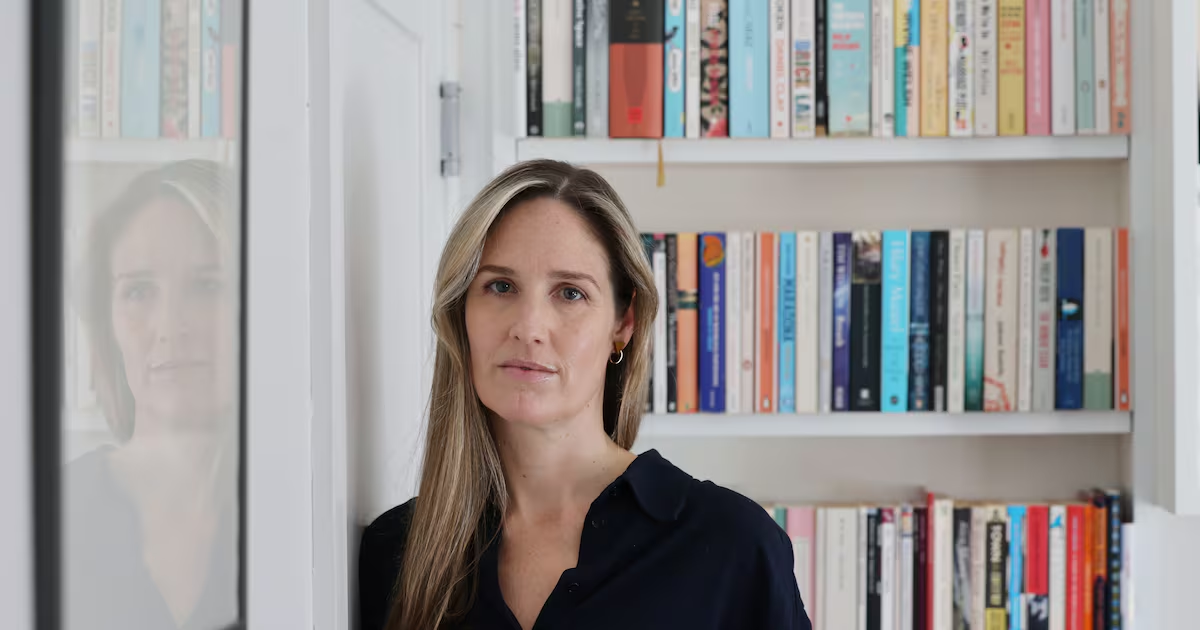
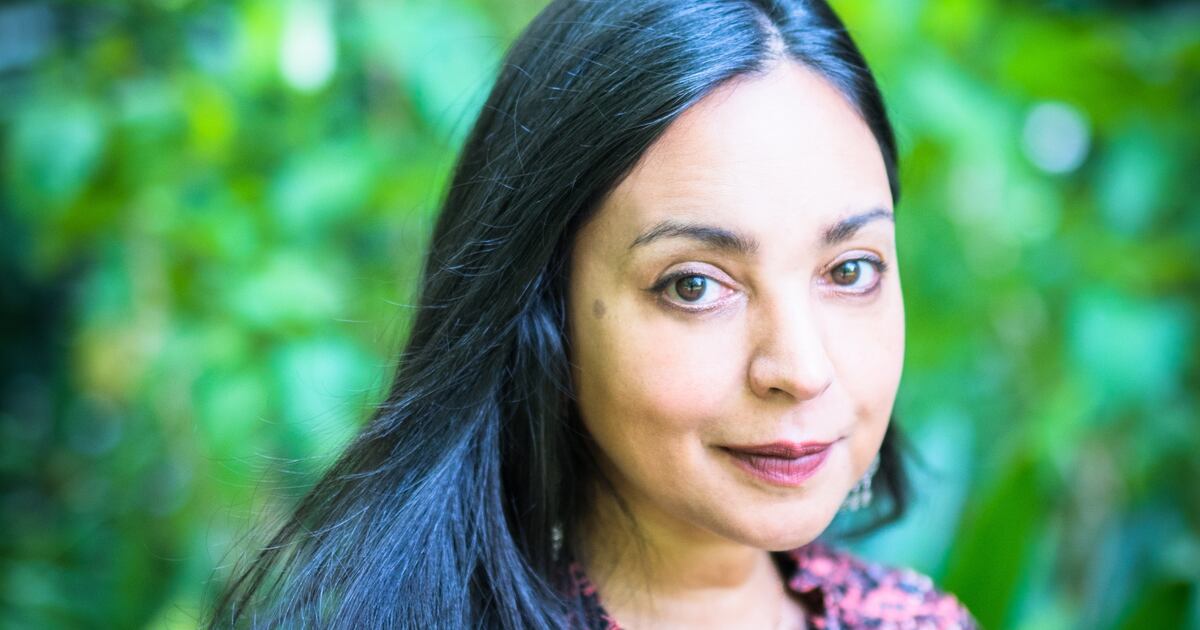
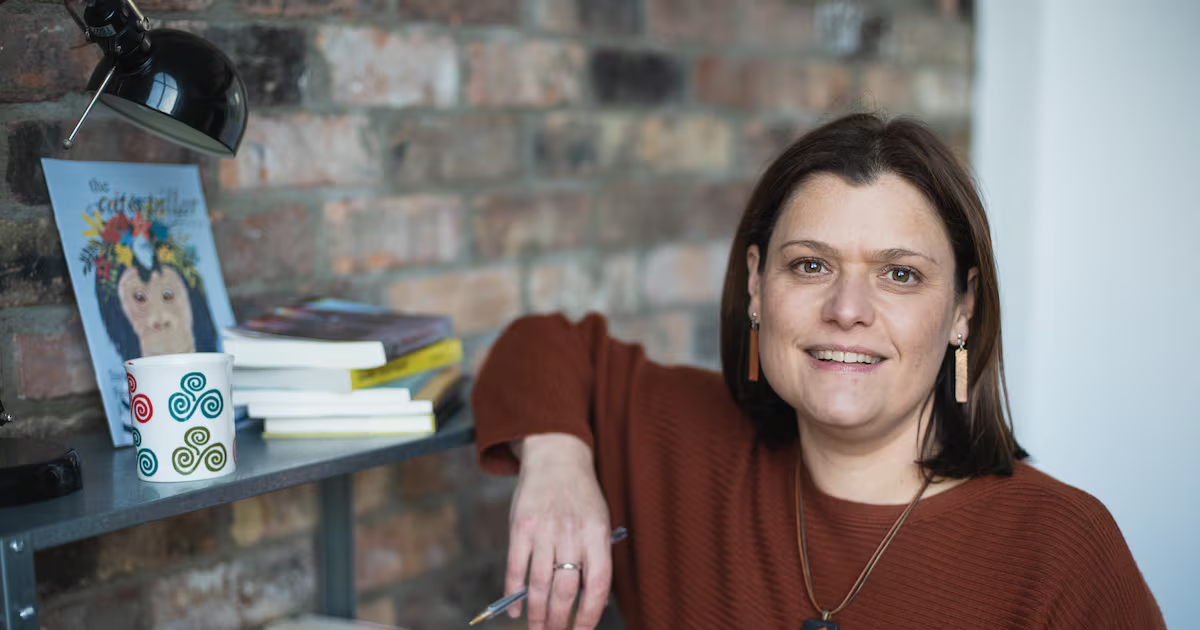
Author Sue Divin, who has a master’s in peace and conflict studies, helps to build peace at work and in fiction
1,033 words~5 min read