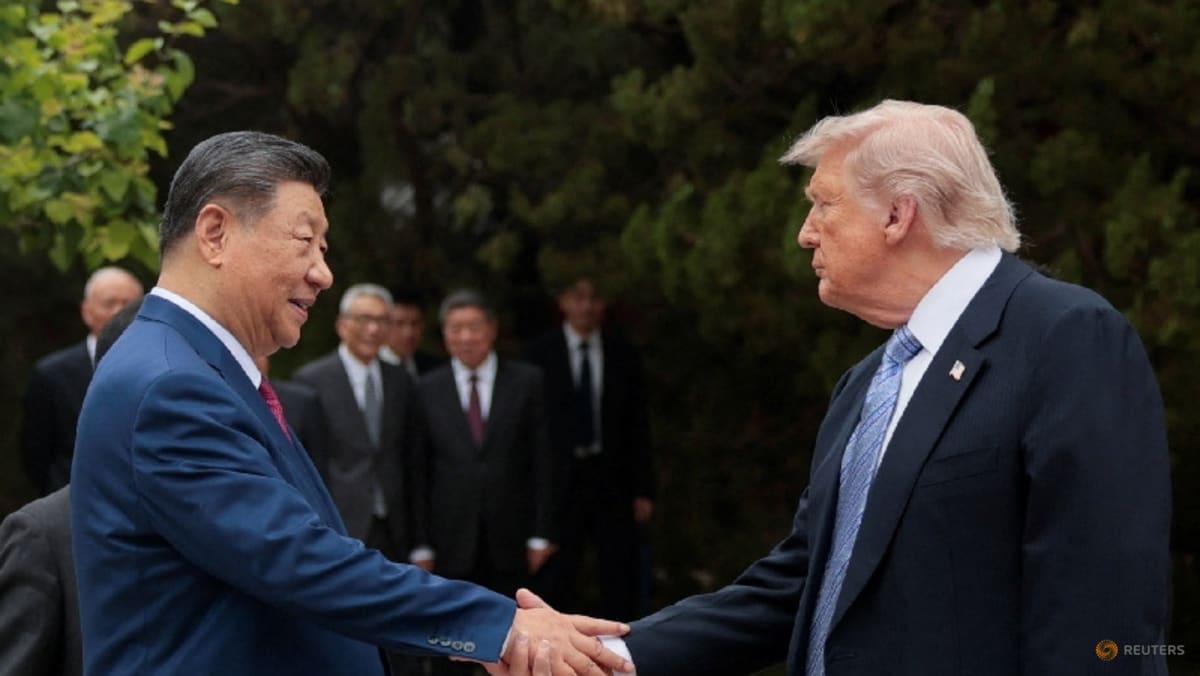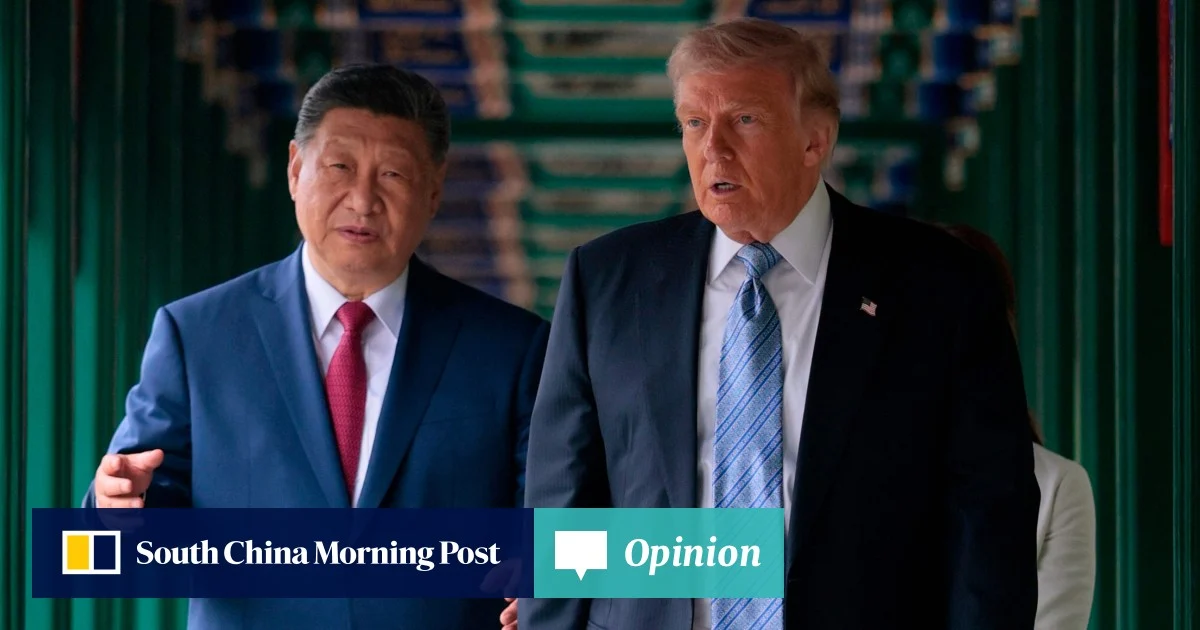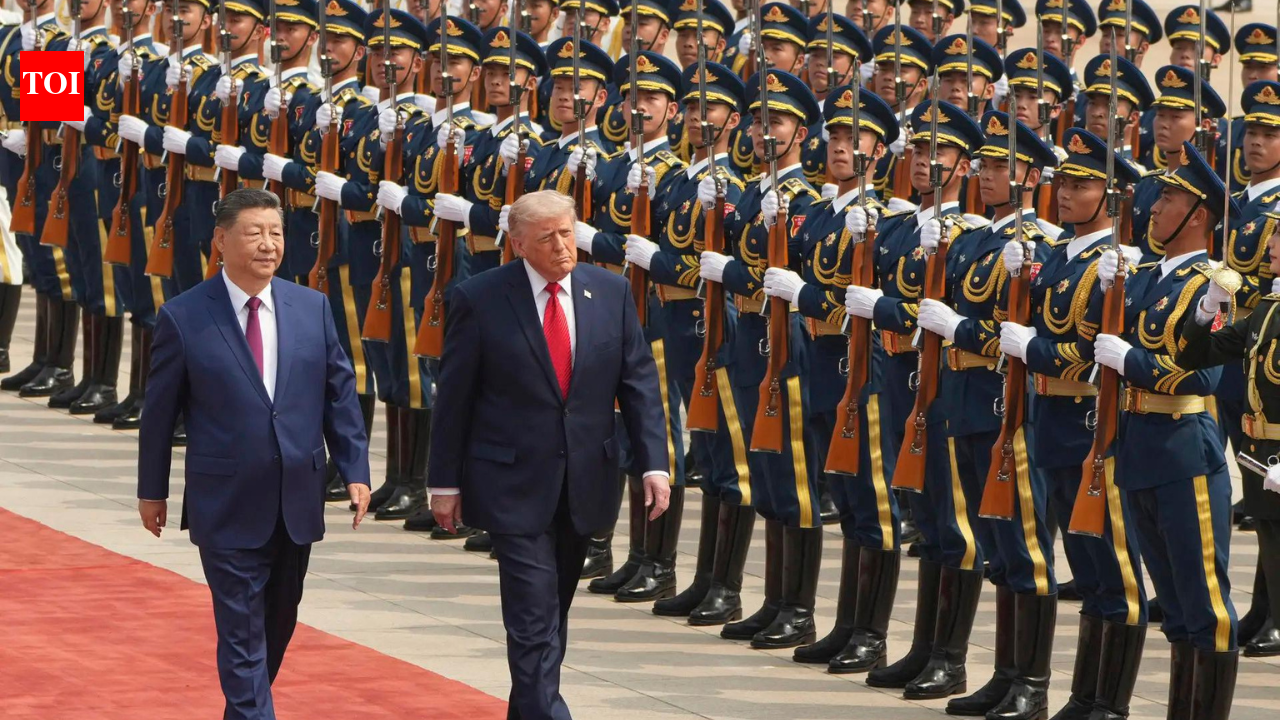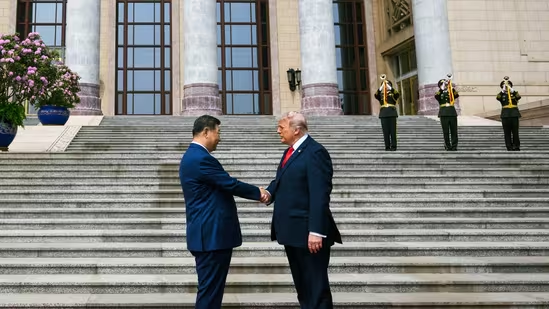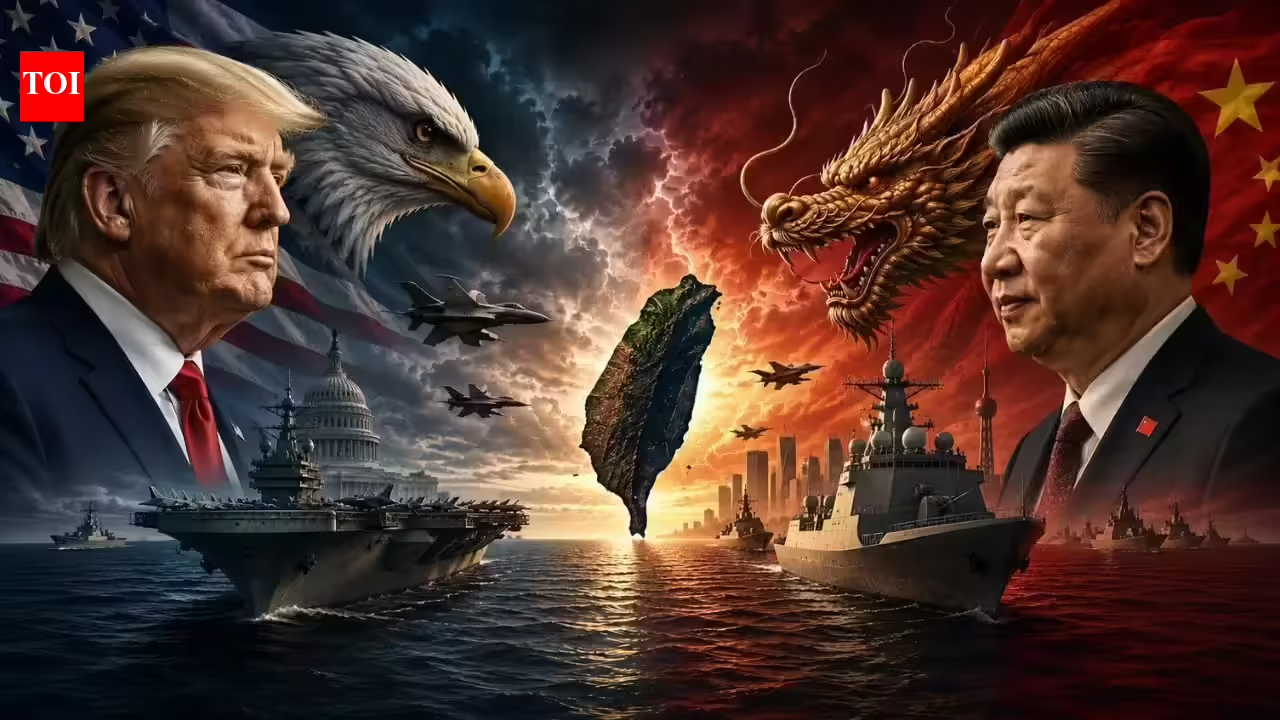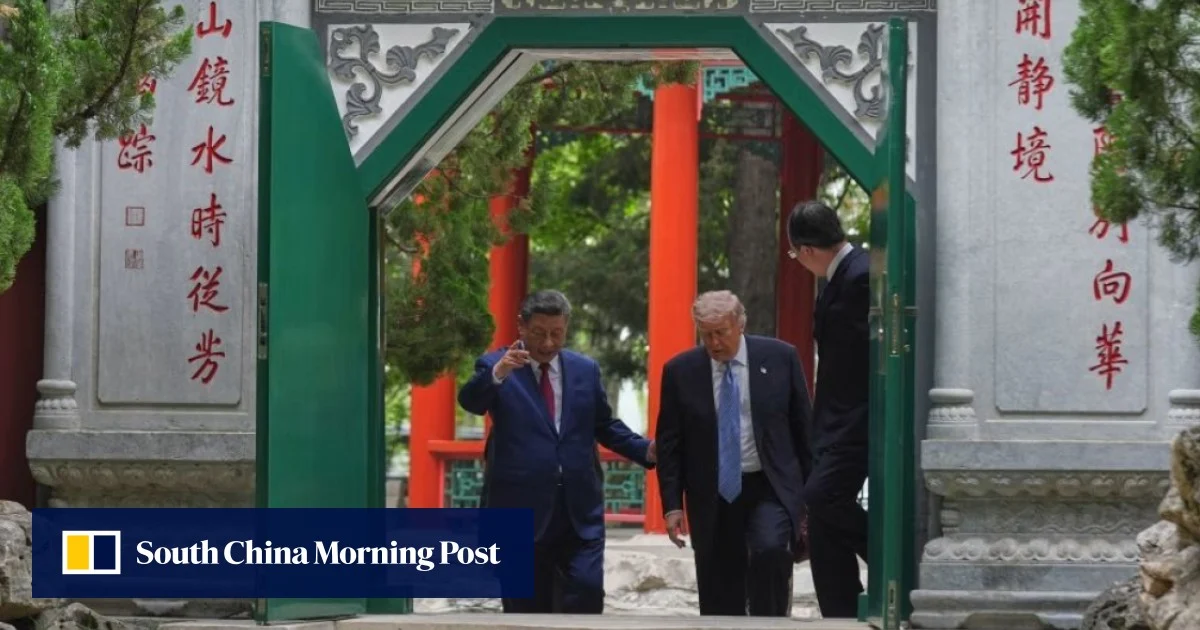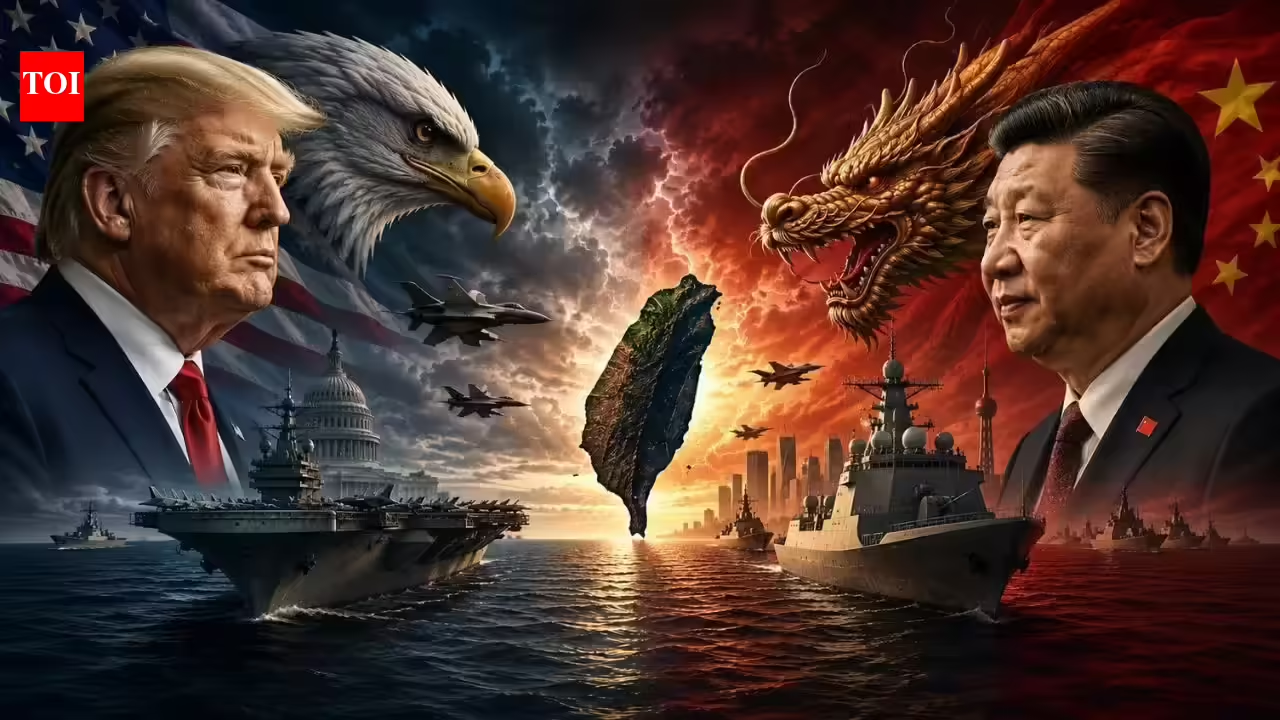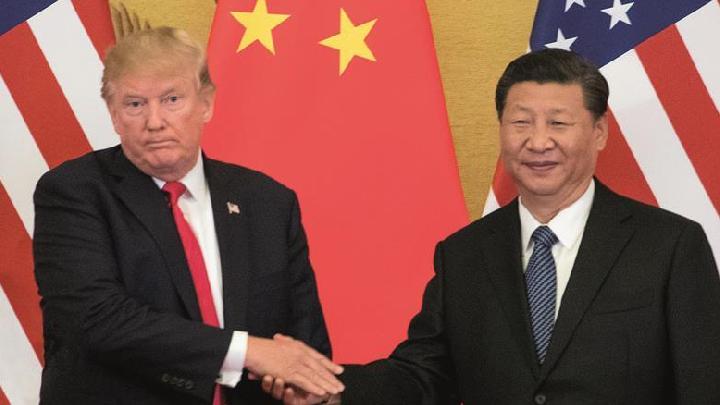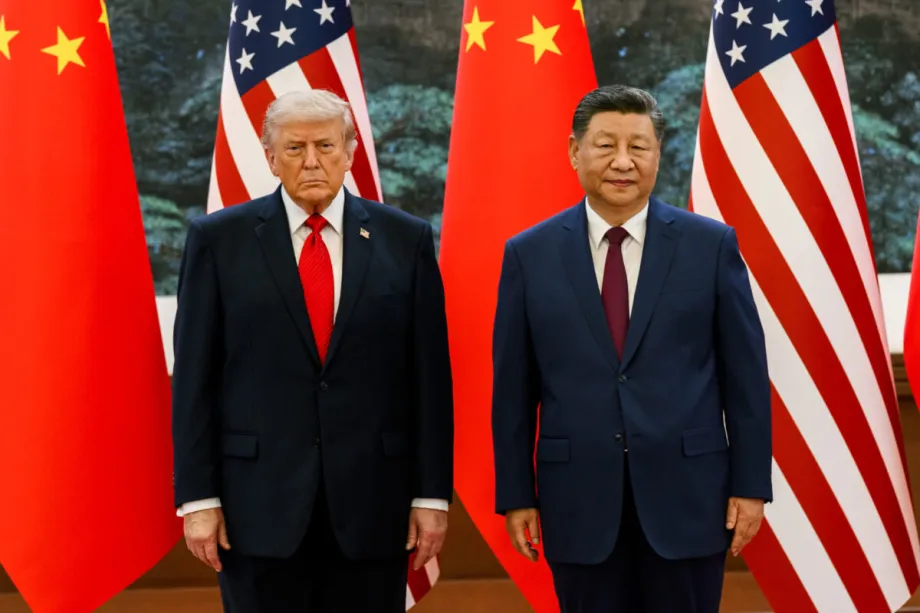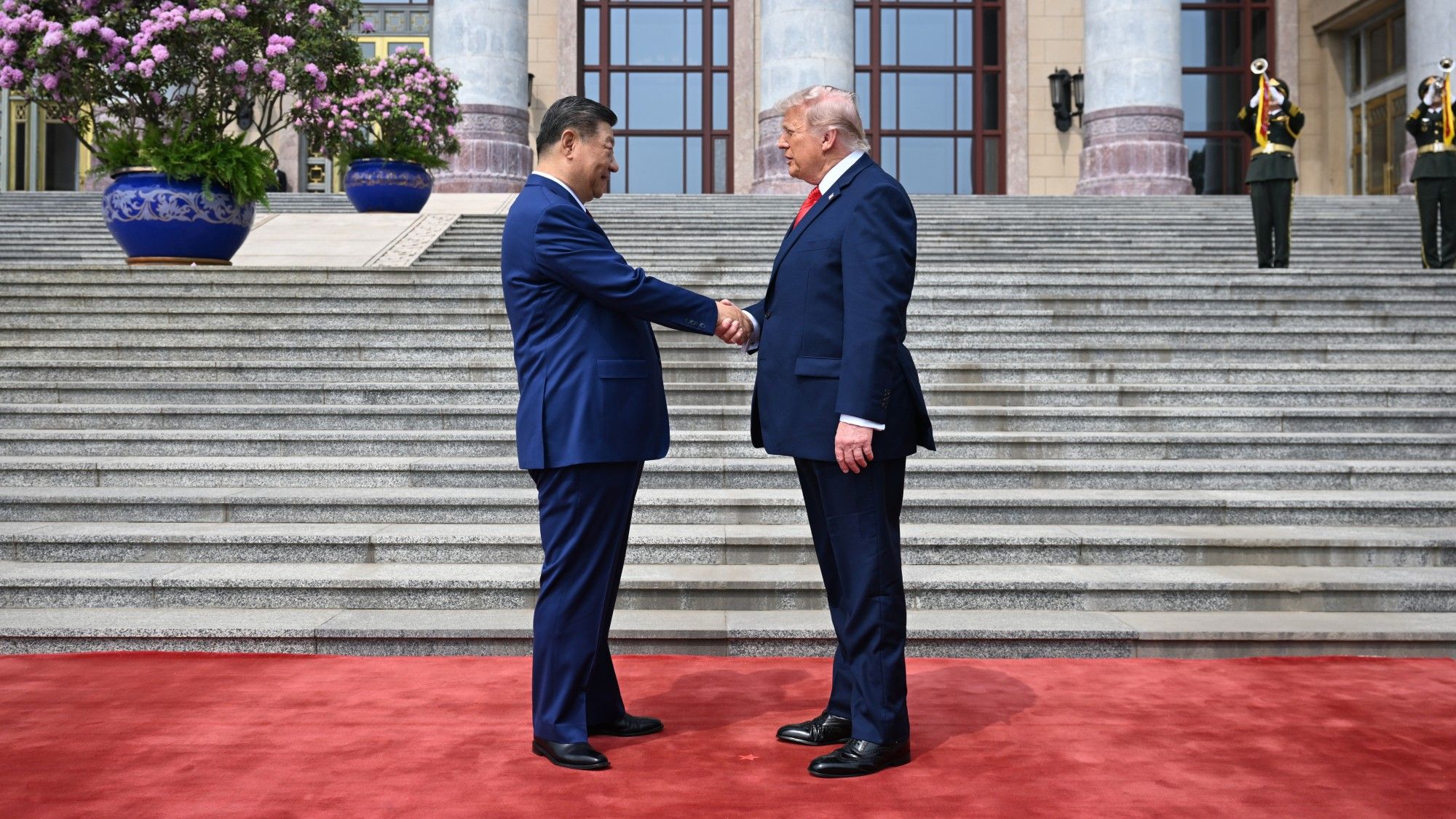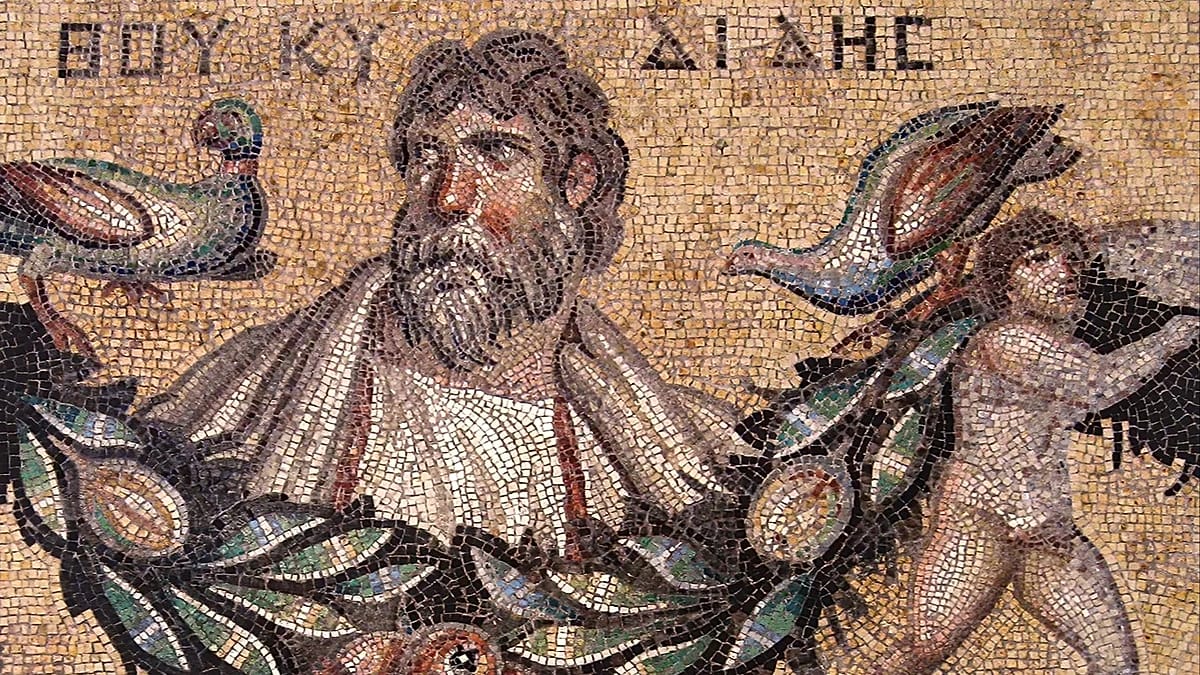
In October 1986, the world’s two undisputed superpowers met at an unprepossessing house in a desolate Reykjavik park, facing the grey North Atlantic. Ronald Reagan and Mikhail Gorbachev arrived discreetly, without pomp or ceremony, and – along with a few critical advisers – tried to reach an agreement on nuclear proliferation. Visiting the site decades later, I was struck by the modest nature of the location. This was the sort of place people came to get a deal done, the austerity of the architecture signalling competence and gravity. Contrast that solemnity with the al fresco, high-camp pageantry of Thursday’s summit at the Temple of Heaven in Beijing. The collapse of the all-powerful Soviet Union within years of that Icelandic summit convinced the Chinese politburo to turn its back on anything as anarchic, and in their eyes irresponsible, as democracy. Control beats chaos every time; authority outperforms anarchy. Since then, China’s outperformance has been startling. By prioritising getting rich without free speech, the politburo’s management has helped hundreds of millions of Chinese to lift themselves out of poverty, becoming the world’s largest and most dynamic middle class. This very success has led many to conclude that a conflict between the US and China is now inevitable, as a new superpower rises, threatening the old power, prompting a counter-reaction from the incumbent. The notion that some sort of conflict is inevitable is termed the Thucydides Trap and it’s fascinating that at the start of the summit, Xi Jinping mentioned this specifically and the need to avoid it. So what is the Thucydides Trap?In 431 BCE, the Greek historian Thucydides watched Athens, a rising democratic sea power flush with the silver of Laurion – borrowing from the Lydians to make Athens a truly monetised civilisation – slide into a 27-year Peloponnesian War against Sparta, the previously established land hegemon. Both polities ruined themselves. Thucydides, an Athenian general, recorded what he saw, and left the verdict that still haunts strategists today: It was the rise of Athens and the fear this inspired in Sparta that made war inevitable.In ancient Greece, Sparta and Athens were not natural enemies. Thirty years earlier, their combined fleets and armies had turned back the Persian invaders. In subsequent years, Athens surged, using its dexterity with money as well as its naval power to acquire an empire. The Athenian empire was never a land empire secured by large armies, rather it was a loose federation of maritime, mercantile city states bonded by the silver Athenian coin, commerce and Athenian culture and laws. Athens was also the first empire that could not feed itself and had to coax others to feed it willingly, paying them in silver coins. Athenian power grew so fast that, by mid-century, the Spartan elite began to fear the entire Greek world would shortly be governed from the Pnyx. Sparta felt it had to act. [ Xi Jinping warns Donald Trump that ‘mishandling’ Taiwan issue could lead to conflictOpens in new window ]According to Thucydides, the cause of the war was a quarrel over the small city of Corcyra. This was a pretext. The real cause was the simple but dangerous arithmetic of a rising power and an anxious incumbent. War broke out in 431 BCE; it ended in 404 BCE with the fall of Athens, the dismantling of its walls and the imposition of an oligarchy. Sparta itself, exhausted by victory, would be eclipsed by Thebes within a generation. Both contestants in the great rivalry of the fifth century BCE lost their political pre-eminence. It would take Athens several generations to recover its mojo. Sparta never really did. In 2017 the American historian Graham Allison published Destined for War: Can America and China Escape Thucydides’s Trap? in which he constructed the Thucydides’s Trap case file: 16 historical instances over the past 500 years in which a rising power threatened to displace an established one. Twelve of the 16, involving Portugal, Spain, France, Netherlands and Britain at various stages, ended in war. The four exceptions – Portugal yielding maritime primacy to Spain in the 15th century; Britain ceding its predominant economic position to the US around 1900; the post-Cold War rise of unified Germany inside an enlarged European Union; and most importantly the US and Soviet Union in Reykjavik avoiding direct conflict across the Cold War – had two important things in common. Each required either an unusually disciplined incumbent (Britain in the 1890s; the US in the late 1980s) or an unusually self-restrained rising power (Germany since 1990).Are the US and China in 2026 unusually disciplined?China has certainly been relatively restrained, although it dials up and down its ambitions in Taiwan depending on domestic circumstances. [ Beijing puts Peking duck aside to serve Trump-friendly fareOpens in new window ]The US on the other hand is the most undisciplined superpower we have seen in a long time. In 2026 we have already had US aggression in Venezuela, Greenland and Iran and it is still only May, not to mention one-off tariffs and insults. Yet Donald Trump is in Beijing to explicitly implore China to help him end his war in Iran – a war he started but can’t finish. Taiwan now looks like a pawn in a geopolitical game, where the future of Taipei will be determined by Tehran as much as Beijing. But what about a conflict between the two great superpowers?Given America’s indiscipline, it’s difficult to remain overly sanguine. Maybe the best argument against conflict is that both sides simply have too much to lose, so intertwined are they. This was the argument put forward before the first World War in the bestselling book of 1913, The Great Illusion, by Norman Angell. His thesis postulated that in an age of integrated banking, intercontinental shipping and globalised industry, the cost of conquering a modern industrial economy would dwarf any conceivable gains. He argued that war between great powers had, by 1913, become economically irrational. It would not happen because nobody would win. This form of commercial mutually assured destruction was extremely popular. Before it wasn’t. Angell looked at the military build-up of Germany and the UK and saw sabre-rattling. The book sold more than a million copies, and yet in August 1914 the lights went out all over Europe. The mechanism that turned this rivalry into war was not one calculated decision, but a series of miscalculations triggered by a Bosnian Serb assassin in Sarajevo. The notion that miscalculations, mistakes and rushes of blood to the head can spark something much worse is maybe the scariest notion in 2026. We’ve already seen an impetuous war with Iran. What might come next?It’s times like this that we miss the measured seriousness of Reagan and Gorbachev and their modest little house in windswept Reykjavik. Pageants, banquets and buffoonery make me nervous.
David McWilliams: A conflict between the US and China now looks inevitable
The cause is rooted in the Thucydides Trap – referred to this week by Xi Jinping – the simple but dangerous arithmetic of a rising power and an anxious incumbent
1,133 words~5 min read