Not long ago, I decided spur of the moment to attend an estate sale in my Washington, DC, neighborhood. As I walked the few blocks to the address I’d seen advertised, I admired the beauty of the late-nineteenth-century row houses that line the streets where I live. I love their bay windows, turrets, and decorative brickwork. I didn’t really need to buy anything; mostly, I wanted the chance to see inside one of these historic homes. As I ambled down the sidewalk, I hoped that the house hadn’t been renovated too much—as a historian, I always regret it when the original moldings and fireplaces and other pieces of charming old architecture have been stripped away.Article continues after advertisement
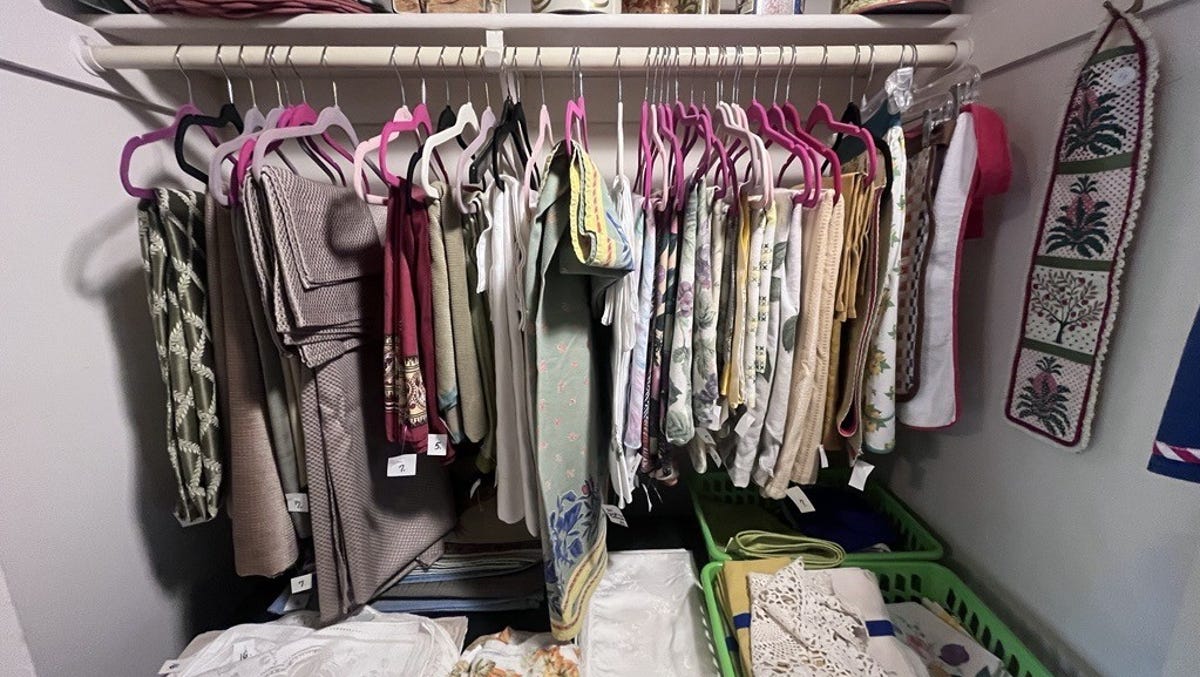
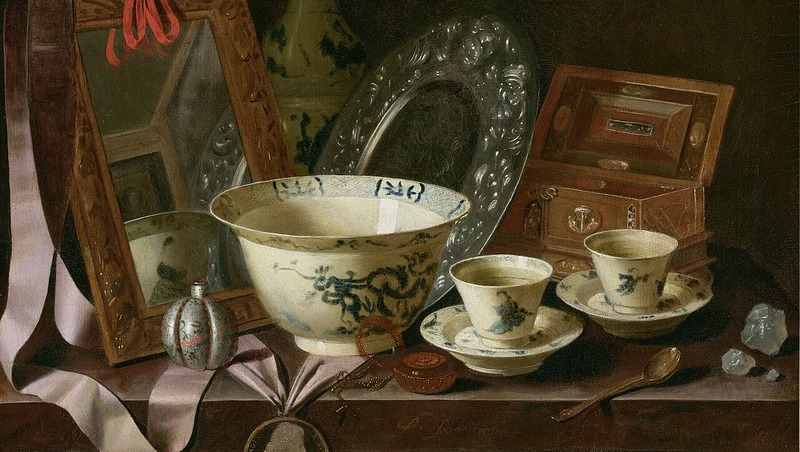
As soon as I climbed the front steps and went in through the door, I understood this estate sale had not been quickly thrown together by a bereaved family member—clearly, professionals had been called in, and for good reason. In the kitchen alone, there were hundreds of plates, cups, bowls, platters, glasses, pitchers, vases, and cutlery, impressively organized by type and boxed up in sets, with prices neatly marked on matching labels. I was stunned by the sheer volume of table settings, but the kitchen was just the beginning—in every corner of the old house, there were many neatly arranged piles of somebody’s worldly possessions, obviously amassed over many decades, if not passed down for generations.