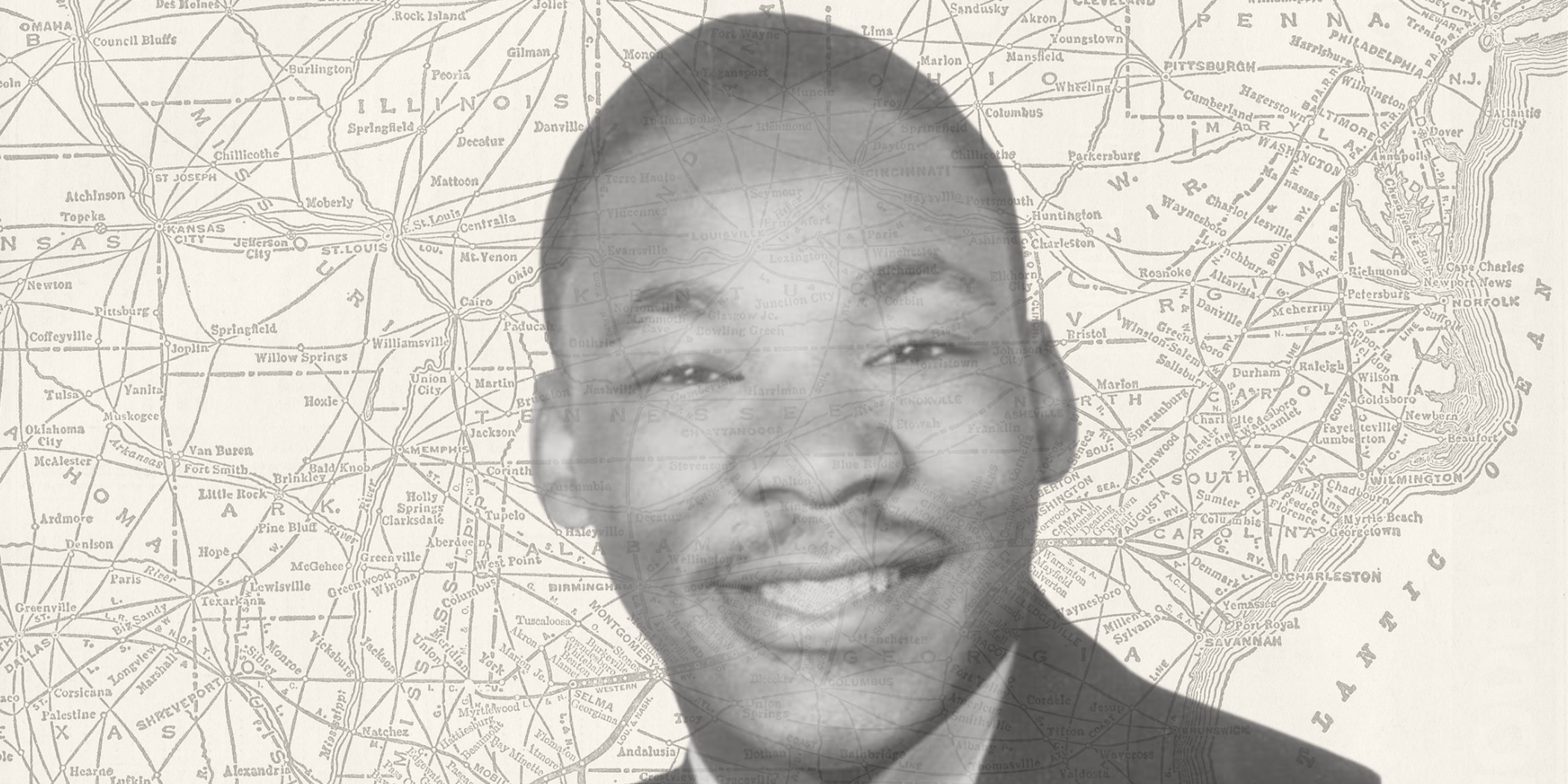
At some point during Martin Luther King Jr.’s 1944 train trip from Atlanta to Simsbury, Conn., the hungry, rambunctious teenager left the company of his fellow Morehouse students and went to the state-of-the-art dining car to enjoy Southern Railway’s fine dining on wheels. He had no idea what was awaiting him.Article continues after advertisement
The tagline of the Southern Railway Company was “Southern serves the South.” The company motto referred to more than just geography, but also the “Southern way of life.” The Crescent offered the first dining cars on trains departing Atlanta beginning in the nineteenth century. And the company had no plans to change its nineteenth-century segregationist roots. The observation and dining cars were designed to resemble a hotel tavern-lounge, inviting passengers to relax and enjoy complimentary coffee and orange juice, or alcoholic beverages for purchase. Usually, a crew of twelve workers handled the wood-fired kitchens and table service. They served traditional Southern cuisine and traditional Southern mores. African American men often labored in these environments— as servers or cooks—but African American passengers like ML were not welcome.
Access to these spaces was heavily policed. Black passengers could procure food on board but, as Du Bois summed up for readers in The New Republic, “it is difficult.” William Pickens, the NAACP director of branches and assistant field secretary, chronicled how difficult it was even to purchase decent food and beverages during an interstate Southern train excursion. He was “gruffly informed by the trainmen” there were “no sanitary drinking cups” offered in the Jim Crow car.