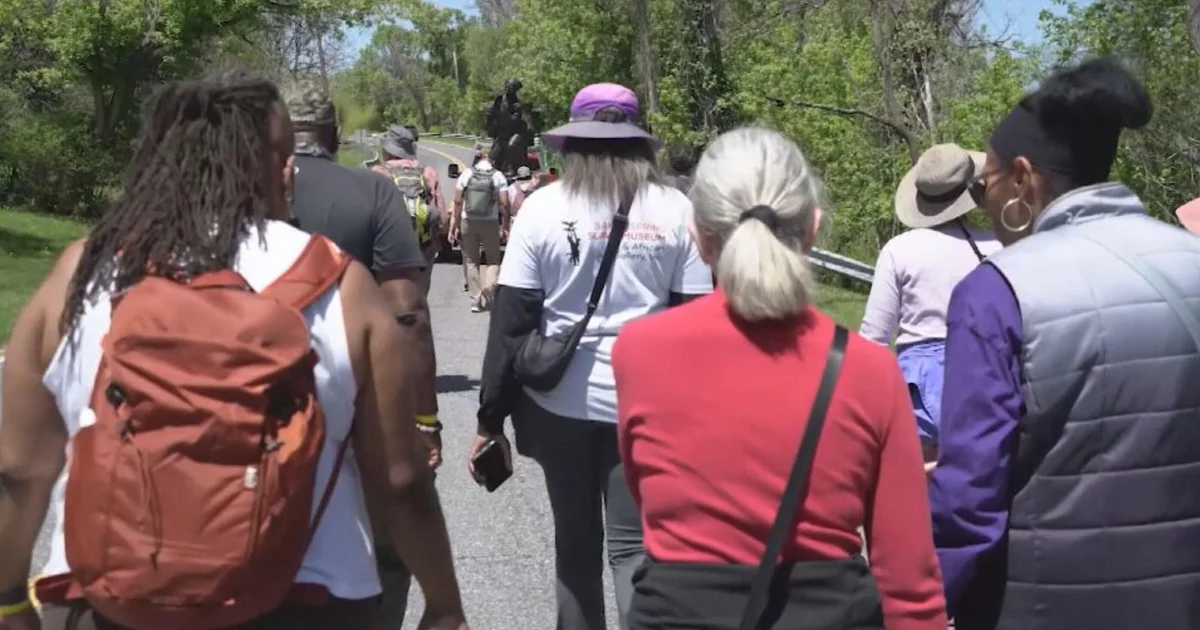
CHURCH CREEK, Maryland ‒ Arnold Montgomery looks to the future by looking back through Harriett Tubman's eyes.
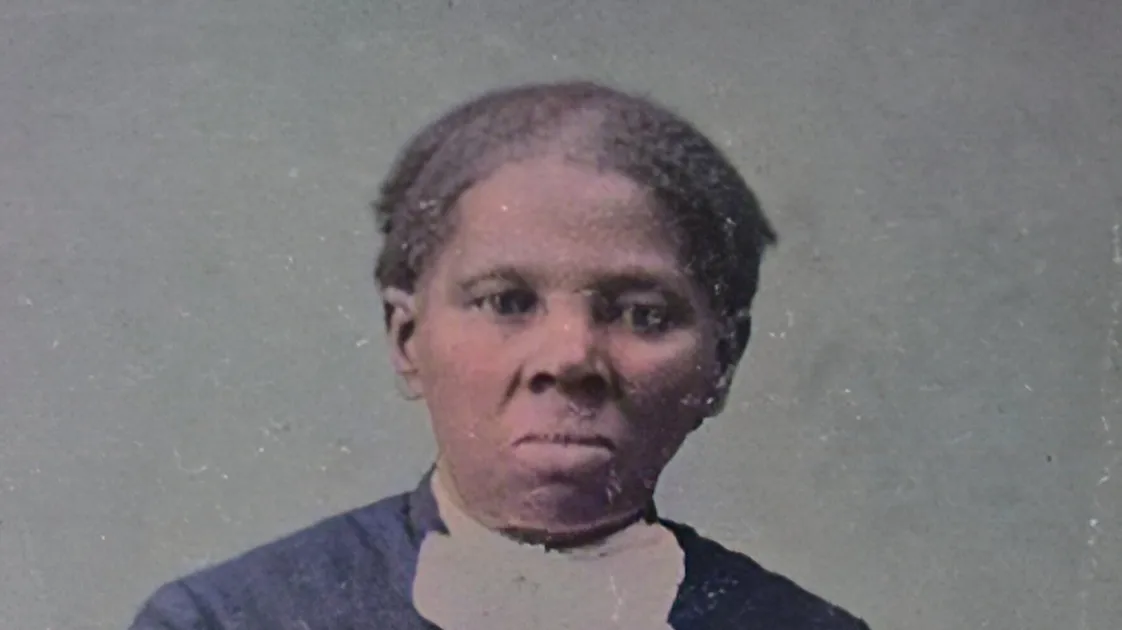
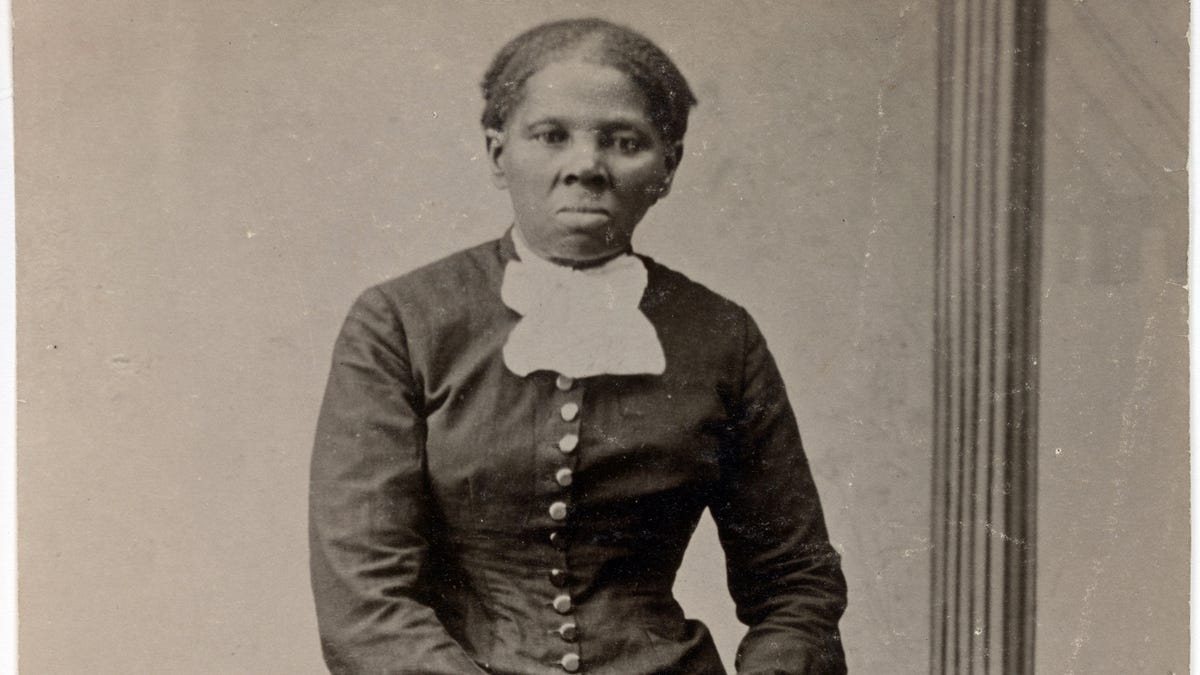
On a recent visit to the rural area where the Underground Railroad's most famous conductor was born enslaved in 1822, Montgomery, 71, can't help but be moved by her tenacity. Her resilience. Her refusal to quit.
And he worries that the current political climate means historians and everyday Americans are being encouraged to downplay the reason she's famous: She helped dozens of enslaved people escape to freedom at a time when owning another human was not just legal but socially acceptable.
"How can you move forward if you don’t know where you came from?" the retired substance abuse counselor from Canton, Ohio, asks out loud.
While many enslaved people tried to escape when what's formally known as "chattel slavery" was legal in the United States, Tubman is the most-remembered name from the Underground Railroad, a loosely organized system that aided people running away from enslavers by crossing the Mason-Dixon Line. Tubman escaped in 1849.