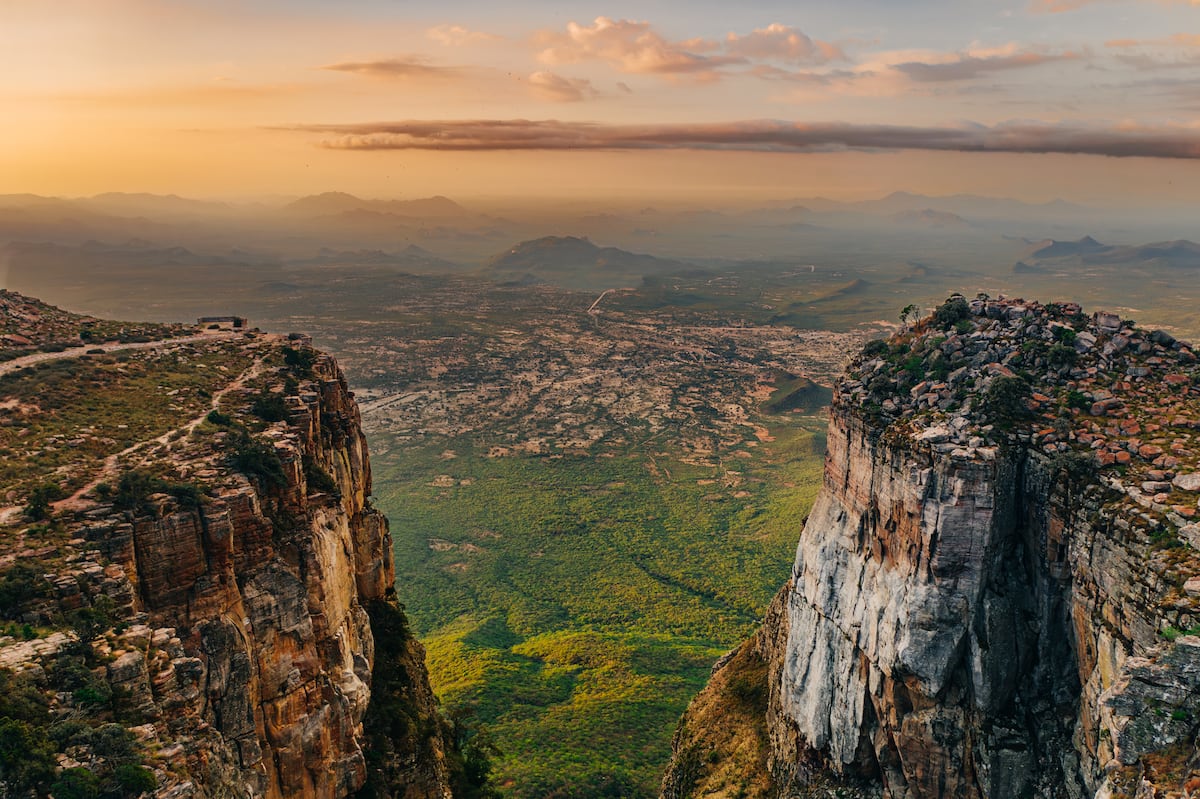
MASSANGANO, Angola — As the sun beat down on us, we slowly walked down the dirt path, stirring up red dust as we headed toward the centuries-old fort atop a hill here.
The chatter hushed. The 21 of us understood the gravity of the moment. We dreaded the history lesson ahead.
On one side of the path still stood a church built in the 15th century by the Portuguese, key players in the Transatlantic Slave Trade there. On the other side was the Kwanza River, its beauty masking centuries of ships transporting human cargo.
It was in the village some 400 years ago that Angolans were marched, likely in shackles, to a life of enslavement in faraway lands, including what would become the United States.
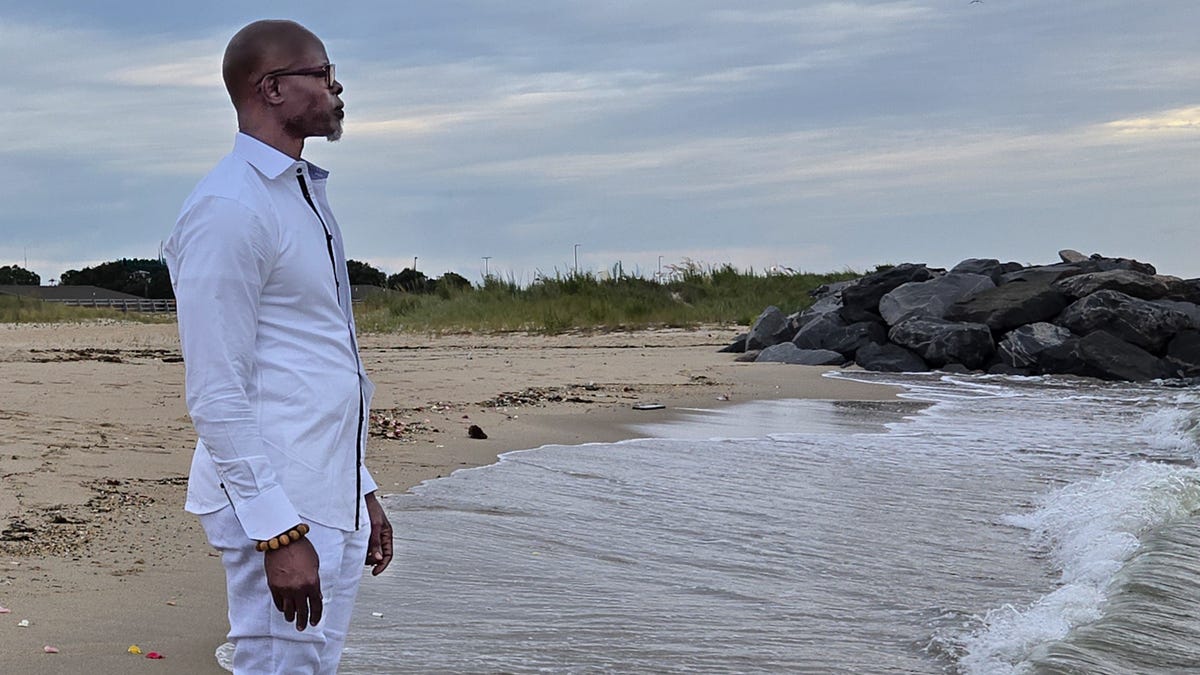
Massangano, east of Luanda, the capital of Angola, was one of several stops on the Tucker Family Angola Heritage Tour. The group of Americans joined the tour early this summer, exploring places where Angolans were forced to leave, but are still remembered.