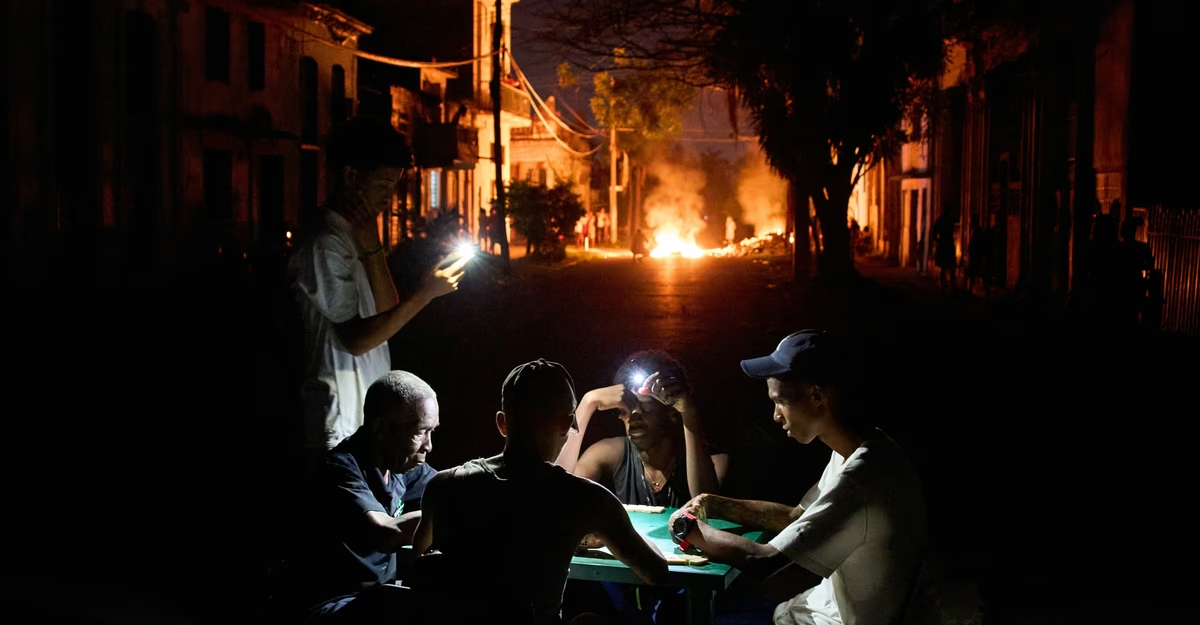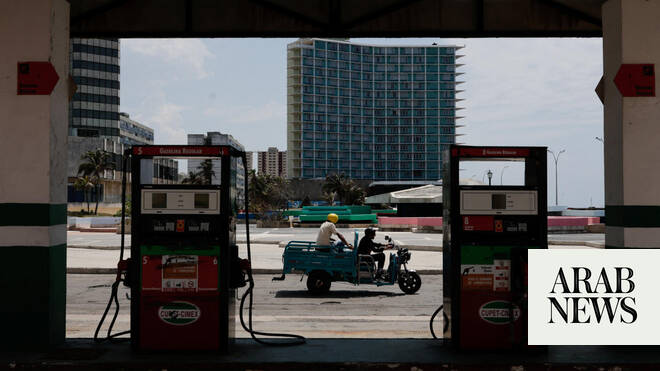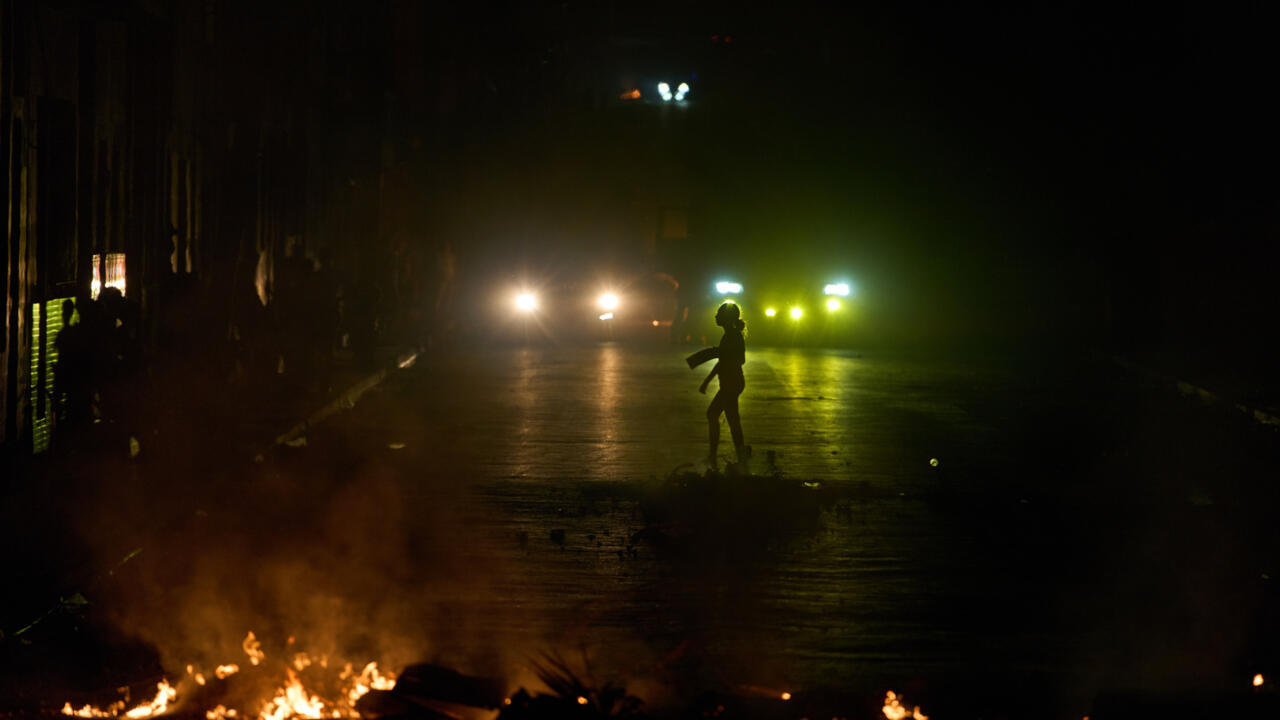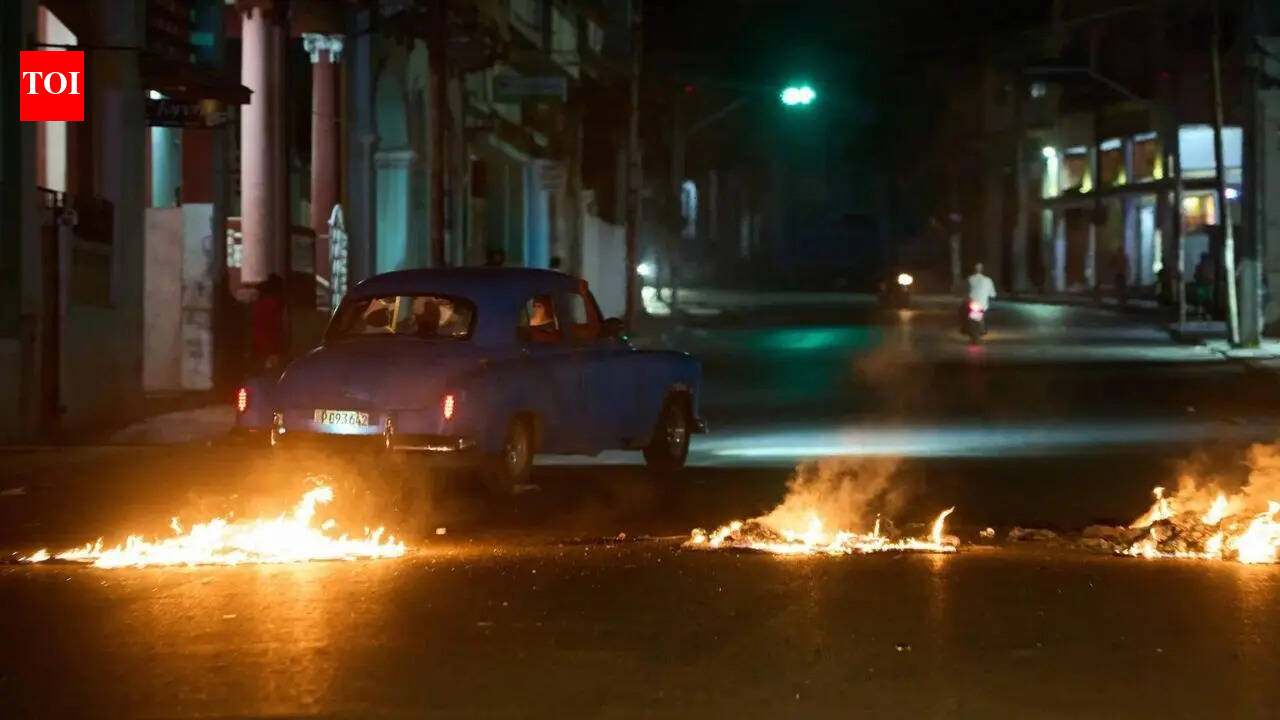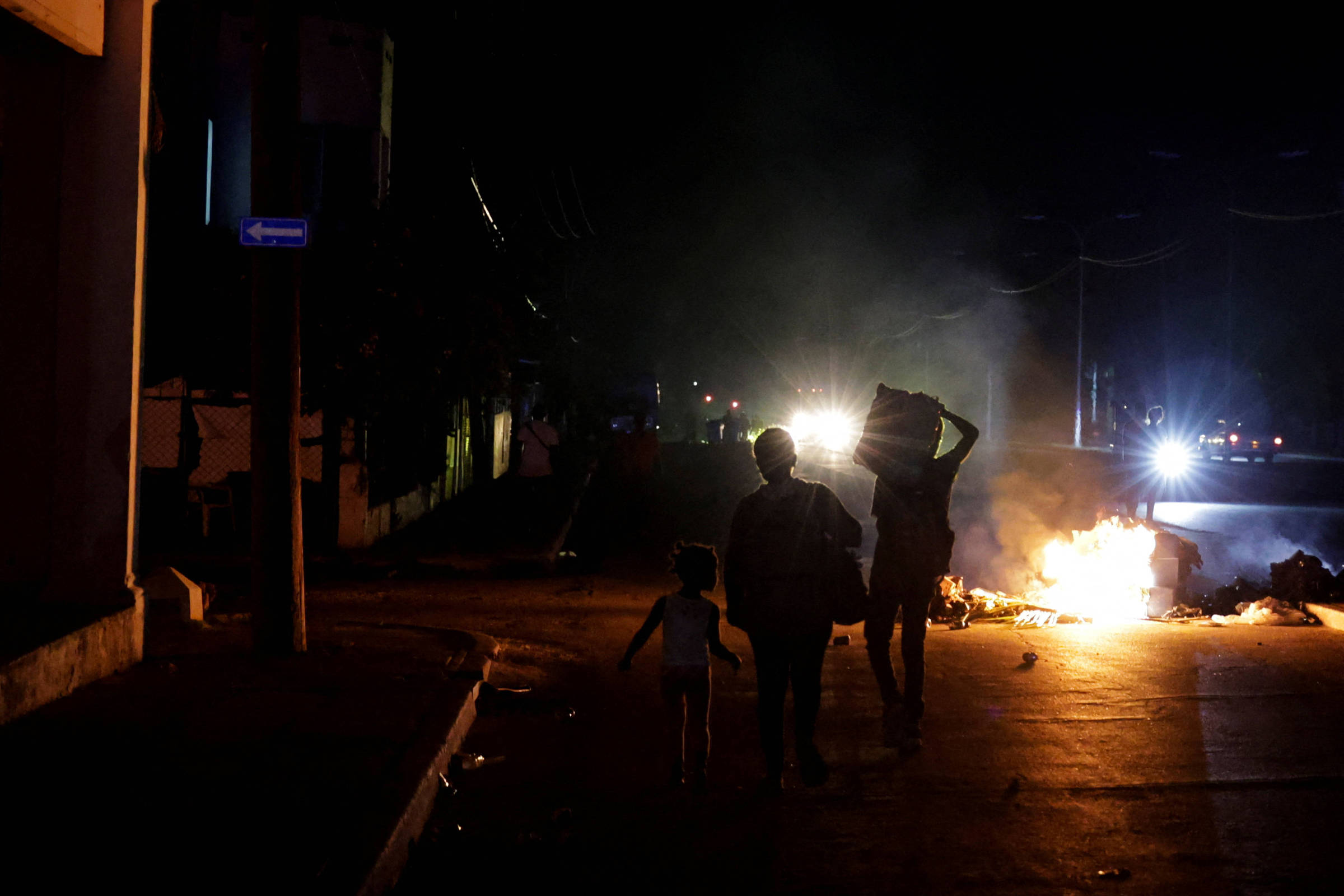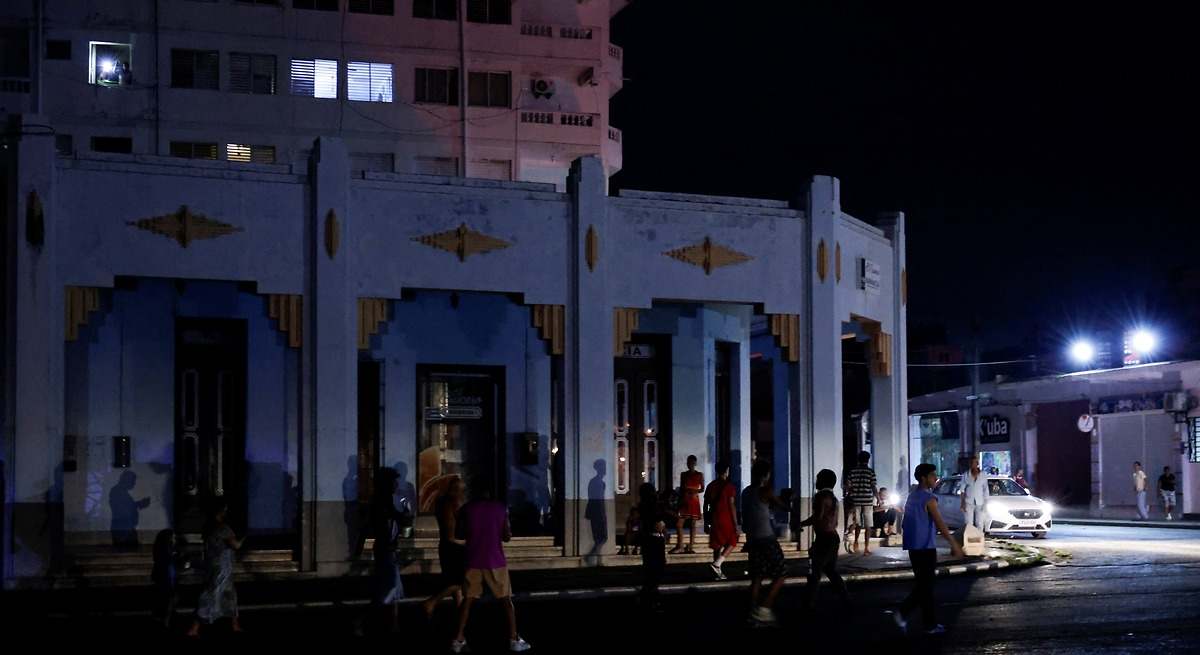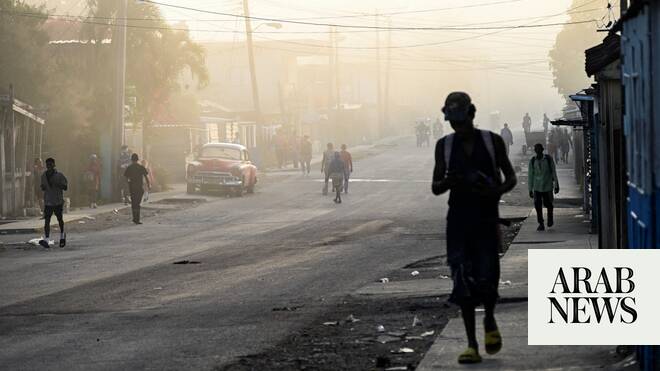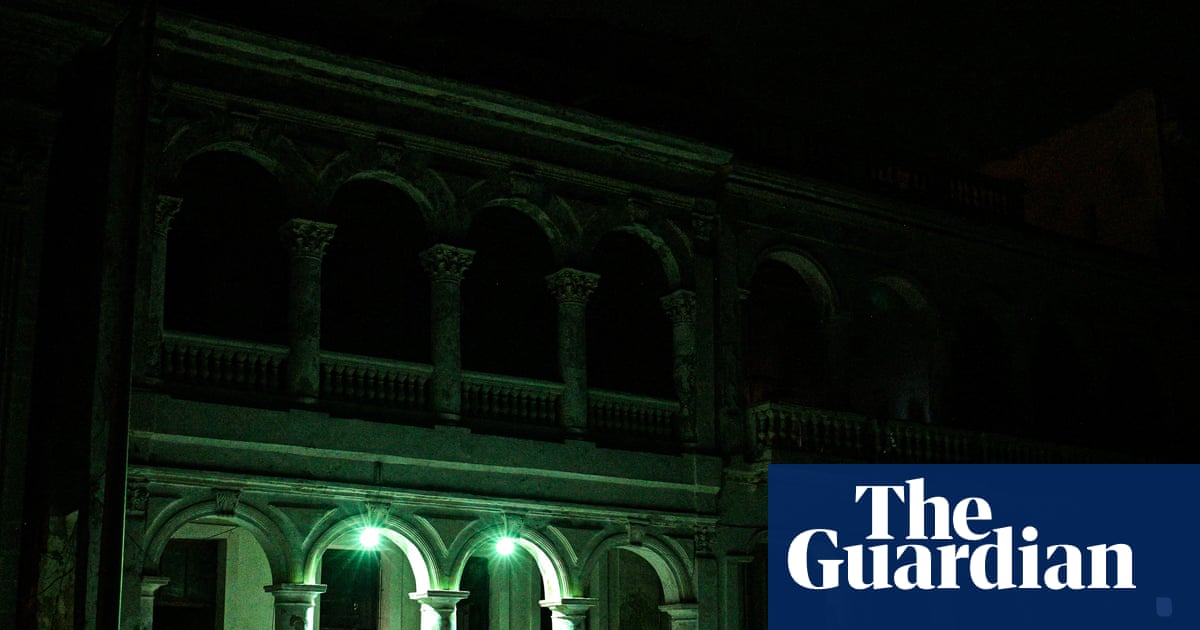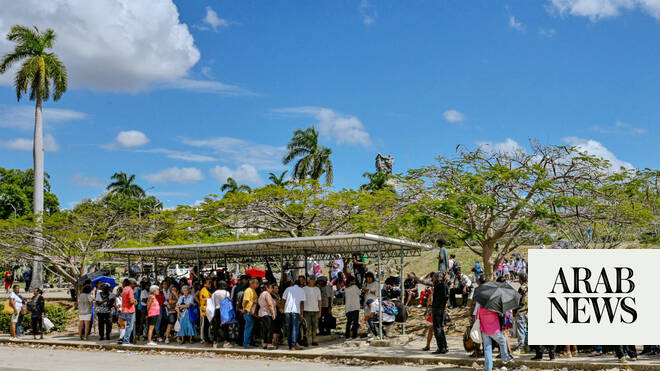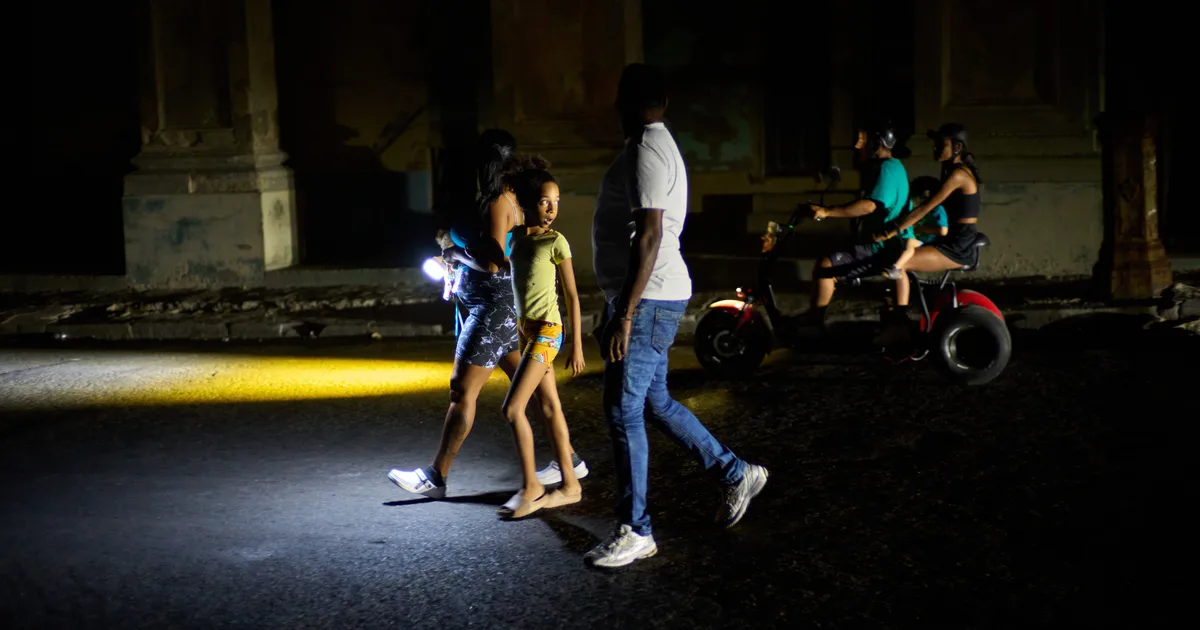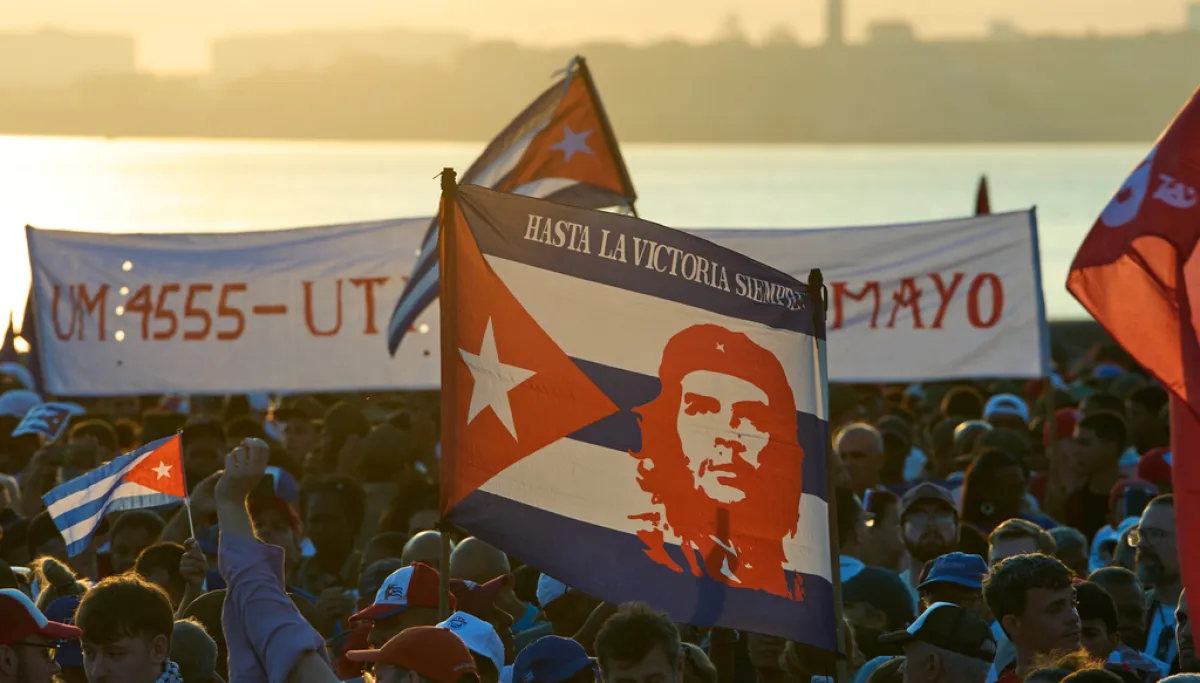
Residents in Havana, Cuba, who had been sitting in darkness for the better part of a day, poured into the streets on Wednesday night. They blocked roads with burning rubbish, erected barricades, and shouted at the government to turn the lights back on. By Thursday, the blackouts had encompassed the island in the latest round of nationwide shutdowns. Some areas are reporting power losses lasting 24 hours a day, with the capital enduring outages stretching beyond 22 hours.Making matters worse, Cuba’s energy minister appeared on state television to explain that his country had run out of oil and fuel. The reserves, he said, were empty. Cuba produces only about 40% of its required oil. Its two largest external suppliers, Venezuela and Mexico, have entirely cut off shipments since January, when the United States tightened restrictions on fuel shipments. Since then, only one Russian tanker has reached the island. Washington said it allowed that shipment considering the humanitarian situation. After that tanker delivered oil, Havana released 2,000 prisoners.
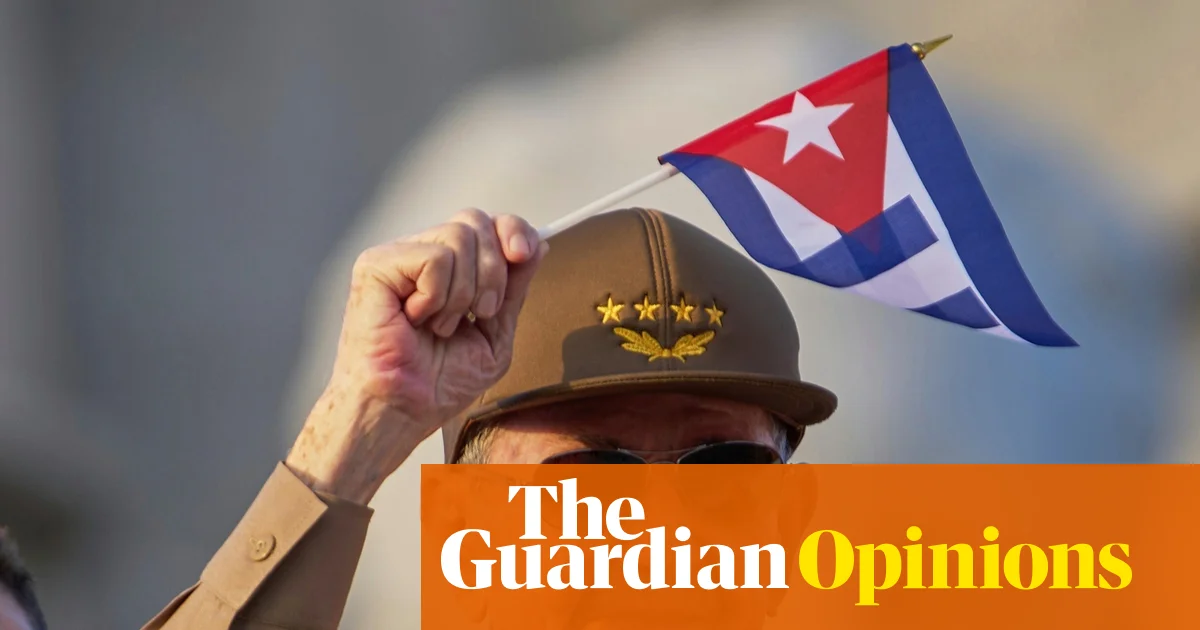
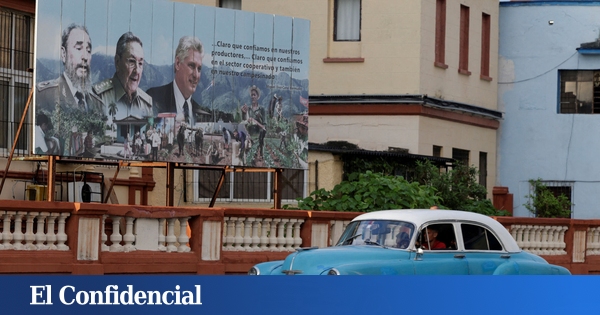
It all leads back to the January capture of Venezuelan dictator Nicolas Maduro. Venezuela had for two decades been the Cuban regime’s essential backer, sending heavily subsidized oil that kept the Cuban economy from collapse. Those shipments had already been declining for years as Venezuela’s own crisis deepened, but Havana had built its survival around the supplies that continued.