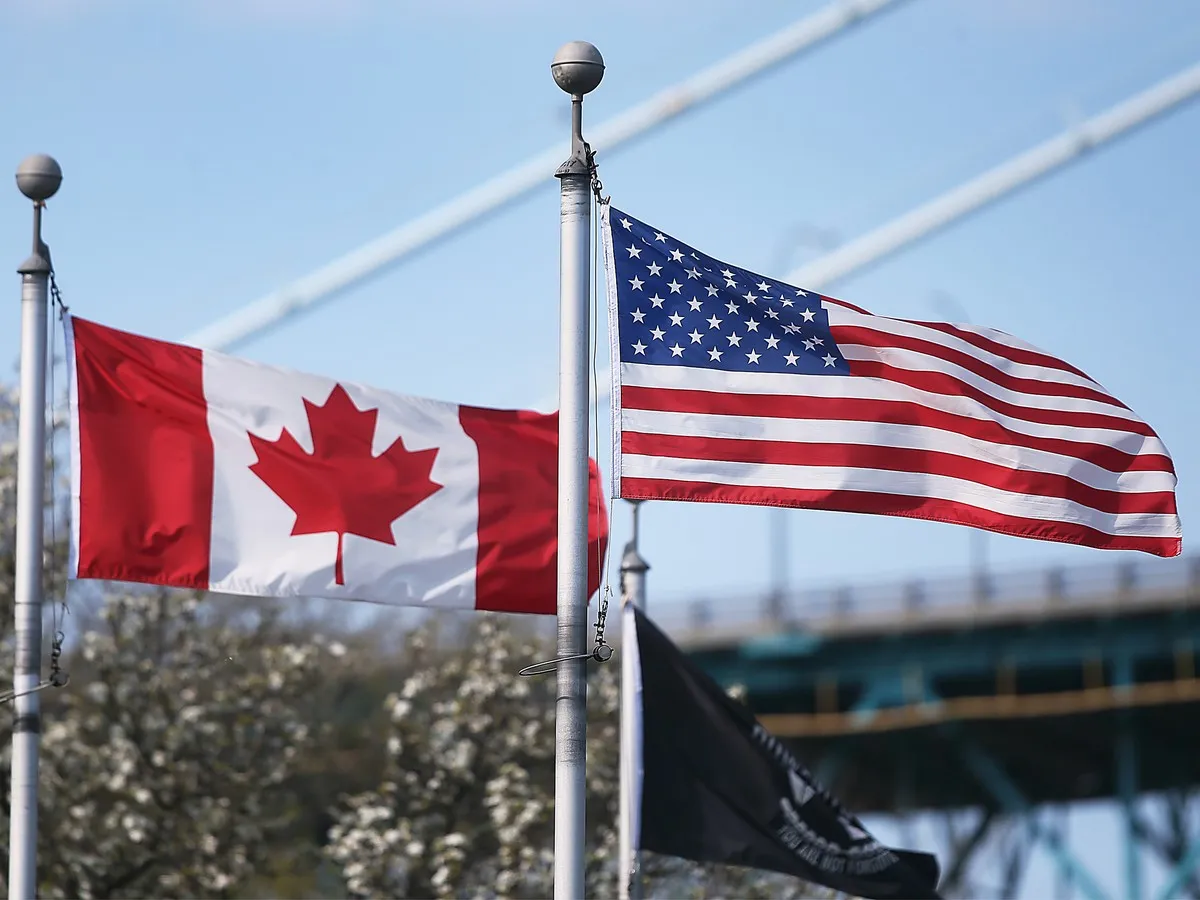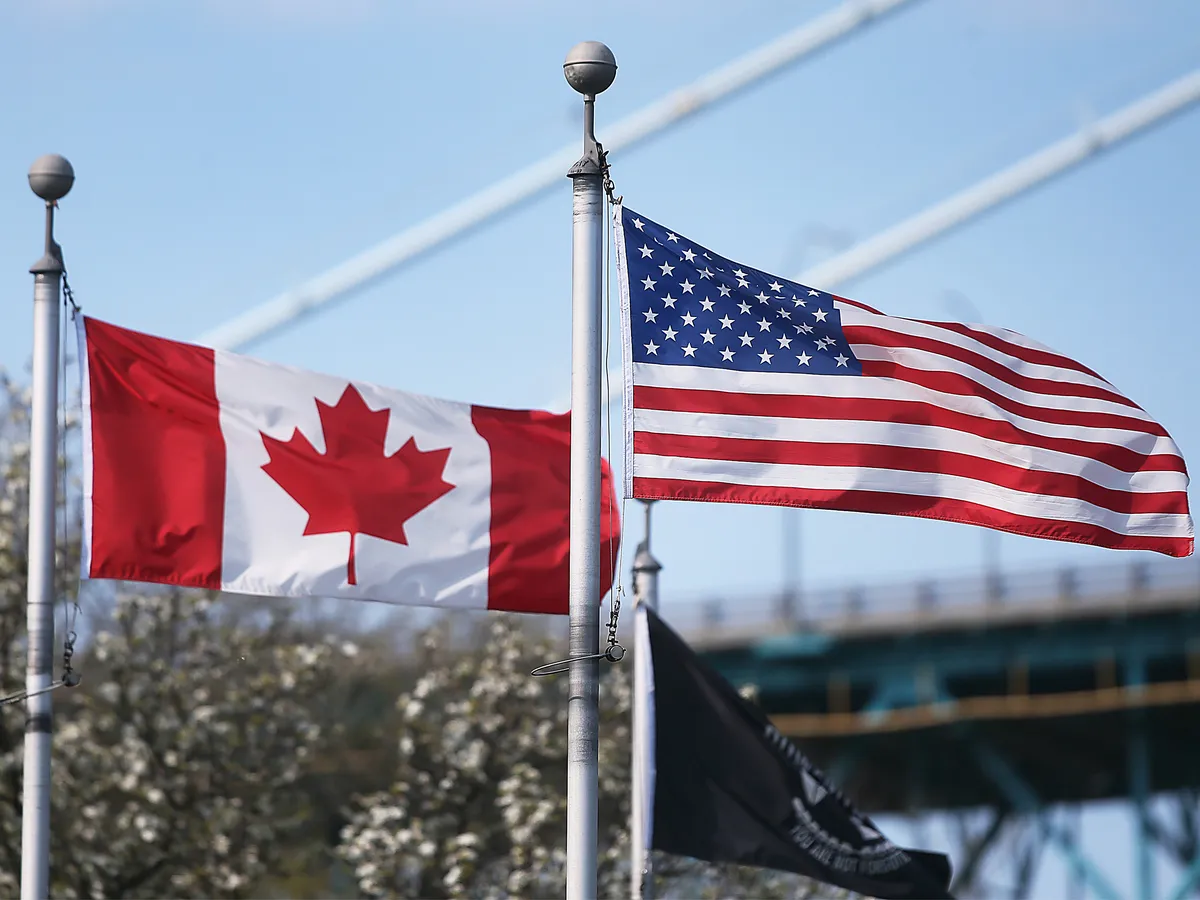
Skip to Content Subscribe Our Offers My Account Manage My Subscriptions FAQ Newsletters Canada Canadian True Crime Canadian Politics Health World Israel & Middle East Financial Post NP Comment Longreads Puzzmo Diversions Comics NP News Quiz New York Times Crossword Horoscopes Life Eating & Drinking Style Sponsored Play for Ontario Travel Travel Canada Travel USA Travel International Cruises Travel Essentials Culture Books Celebrity Movies Music Theatre Television Business Essentials Advice Lives Told Tails Told Shopping Buy Canadian Home Living Outdoor Living Tech Style & Beauty Kitchen & Dining Personal Care Entertainment & Hobbies Gift Guide Travel Guide Deals Savings National Post Store More Sports Hockey Baseball Basketball Football Soccer Golf Tennis Driving Vehicle Research Reviews News Gear Guide Obituaries Place an Obituary Place an In Memoriam Classifieds Place an Ad Celebrations Working Business Ads Archives Healthing Epaper Manage Print Subscription Profile Settings My Subscriptions Saved Articles My Offers Newsletters Customer Service FAQ Newsletters Canada World Financial Post NP Comment Longreads Puzzmo Diversions Life Shopping Epaper Manage Print Subscription HomeNewsCanada'Not a snowbird thing': Even researchers are puzzled why Canadian visits to these 3 U.S. cities have spiked'We have puzzled over that one,' U of T professor Karen Chapple said of the latest studyLast updated 3 days ago You can save this article by registering for free here. Or sign-in if you have an account.A Canadian and American flag are shown along the Detroit River in Windsor on Tuesday, April 21, 2026. Photo by Dan Janisse/PostmediaA large study of cellphone presence in more than 250 U.S. destinations reveals a sharp drop of up to 65 per cent in the number of Canadian visitors to American locations in the two years between April 2024 and March 2026.Oddly, however, exactly three places showed an increase, in the form of a surge of between 21 and 35 per cent. Researchers are not sure why, but Gainesville Fla., Cleveland, Ohio, and Portland, Ore., alone saw the number of Canadians shoot up, at least based on their cellphone usage.Researchers at the School of Cities at the University of Toronto analyzed cellphone activity data from about seven million phones each month, finding a year-over-year decline of about 42 per cent in Canadian visits to U.S. metropolitan areas.“This is significantly higher than the (roughly) 25 per cent drop recorded by border crossings estimates,” they wrote in an online post, referencing data from Statistics Canada. “This means that (a) border crossing data is not capturing the full drop in Canadian business and trade-related travel and (b) when Canadians travel to the U.S., they are visiting fewer locations and staying for less time than they used to.”The data in chart form are shocking. Snowbird havens like Myrtle Beach, S.C., and Yuma, Ariz., have seen visits drop by more than 60 per cent. In chart form, two years of data looks like a heart monitor that shows several strong pulses before basically flat-lining.Enjoy the latest local, national and international news.Exclusive articles by Conrad Black, Barbara Kay and others. Plus, special edition NP Platformed and First Reading newsletters and virtual events.Unlimited online access to National Post.National Post ePaper, an electronic replica of the print edition to view on any device, share and comment on.Daily puzzles including the New York Times Crossword.Support local journalism.Enjoy the latest local, national and international news.Exclusive articles by Conrad Black, Barbara Kay and others. Plus, special edition NP Platformed and First Reading newsletters and virtual events.Unlimited online access to National Post.National Post ePaper, an electronic replica of the print edition to view on any device, share and comment on.Daily puzzles including the New York Times Crossword.Support local journalism.Create an account or sign in to continue with your reading experience.Access articles from across Canada with one account.Share your thoughts and join the conversation in the comments.Enjoy additional articles per month.Get email updates from your favourite authors.Create an account or sign in to continue with your reading experience.Access articles from across Canada with one accountShare your thoughts and join the conversation in the commentsEnjoy additional articles per monthGet email updates from your favourite authorsSign In or Create an Accountor Data from the U of T study shows cities with the five biggest drops, and those with an increase. Photo by Handout /U of TProfessor Karen Chapple, director of the School of Cities at the University of Toronto, told National Post in an interview that she was uncertain exactly why three relatively unremarkable cities were drawing more Canadian visitors. “We have puzzled over that one.”Get a dash of perspective along with the trending news of the day in a very readable format.By signing up you consent to receive the above newsletter from Postmedia Network Inc.A welcome email is on its way. If you don't see it, please check your junk folder.The next issue of NP Posted will soon be in your inbox.We encountered an issue signing you up. Please try againGainesville, with a population of just 141,000, is a university town and a sports hub. Its University of Florida campus is the third largest public university campus in the country by enrolment, and its Ben Hill Griffin Stadium seats 90,000.“It’s not a snowbird thing,” Chapple said. “It could be something to do with sport travel, sports tournaments or student travel of some kind, or conferences. So I’m never surprised to see Gainesville pop up; it’s a big college place.”But Cleveland and Portland are another matter. “What is going on there?” she said. “Your guess is as good as mine.”Neither city is an economic or tourism powerhouse. With 365,000 people, Cleveland is only the second-largest city in Ohio by population and the 53rd in the U.S. Portland is a little higher up at number 28, with about 635,000 people.“So there must have been some big event in Cleveland, and it could even have been related to the Blue Jays travelling and sports teams generally,” said Chapple.“And Portland also, if you look at that trend, it was summer travel, and there’s a big bump up in late summer, and you’re not seeing that in some of the other places. So it suggests, again, there was some sort of festival or tourist attraction at that time that created kind of a blip.”Cleveland does have a Major League Baseball team that might draw fans of the Toronto Blue Jays, and Portland puts on its popular Rose Festival in May and June. However, neither one hosted a major conference in the summer months that would draw lots of Canadians, and in any case the trend has been for U.S. conferences to relocate to Canada during the Trump administration.“We can only hypothesize,” Chapple said. “One of the interesting things we’re doing as a followup is we’re looking at correlations between this visitation rate and the composition regional economy.” She hopes to have more data on that front soon.As to the decrease in so many other locations, Chapple said data from Statistics Canada doesn’t capture as much detail as her group’s cellphone numbers.She points to Grand Rapids, Mich., a city about 250 kilometres west of the U.S./Canada border at Detroit and Windsor. It’s 23rd on the list of declining visitors, with a 53.2 per cent drop.“If you look at the automobile industry, there’s very close relationships between establishments in Ontario and Grand Rapids,” she said. “That made us think it’s the tariffs and it’s trade-related travel, not just tourism, which is what the media had picked up on. ‘Oh, the tourists are not going, the snowbirds are not going.’ That’s all true, but it’s also that the workers aren’t going. It’s related to trade and it’s related to fundamental shifts in work travel.”She added that she has seen colleagues and students express a desire to avoid travel to the U.S. for meetings or conferences. “And so you’re seeing this massive shift back to Zoom; Zoom meetings for work, travel, where you would have seen before people making trips and making trips to multiple U.S. cities at the same time.”The study authors in an online post add: “The introduction of major tariffs, such as the 25 per cent tariff in automotive parts, may explain the reduction in trade-related trips beginning in April 2025. In addition, our data measures not only Canadians crossing the border, but also Canadians living temporarily in the U.S., suggesting that the decrease in activity may reflect return migration to Canada.”Our website is the place for the latest breaking news, exclusive scoops, longreads and provocative commentary. Please bookmark nationalpost.com and sign up for our newsletters here. Join the Conversation This website uses cookies to personalize your content (including ads), and allows us to analyze our traffic. Read more about cookies here. By continuing to use our site, you agree to our Terms of Use and Privacy Policy.
'Not a snowbird thing': Even researchers are puzzled why Canadian visits to these 3 U.S. cities have spiked
U of T researchers analyzed data from millions of cellphones and found an average decline of 42 per cent in Canadian visits.
1,450 words~7 min read