(The views expressed in this article are those of the author and do not necessarily reflect the views of Al-Fanar Media)
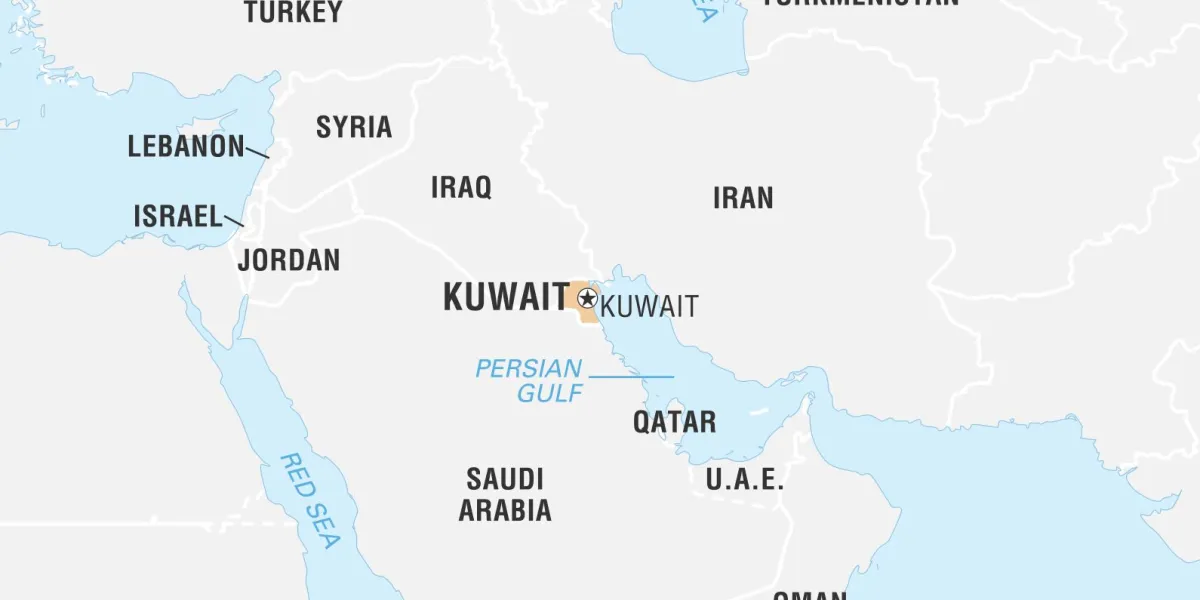
Few regions on Earth have embraced the digital age as rapidly or as enthusiastically as the six nations of the Arabian Gulf (Bahrain, Kuwait, Oman, Qatar, Saudi Arabia, and the United Arab Emirates). These Gulf Arab States have, to varying degrees, pursued aggressive programmes of tech-infrastructure development and society-wide digitalisation.
By 2023, all six states had achieved 100% population coverage of mobile internet (3G or higher) [1]. Beyond the dazzling tech infrastructure, digital service adoption is also relatively high. As of 2025, Saudi Arabia was reported to have the world’s highest social media penetration rate (the share of active social media users in the total population), with the United Arab Emirates ranking second [2]. With youthful populations, universal high-speed internet access, and a general mood of techno-optimism, the Gulf region is benefiting from digital technologies and also leading the way in navigating the associated challenges and unintended consequences.
Beyond the obvious link between sedentary pastimes and obesity, tech-related challenges began to emerge in the early 1990s. Psychologists began reporting “technology-related disorders”, noting similarities between excessive technology use, such as video gaming or chat room use, and pathological gambling. The idea that technologies could be addictive by design was born. Furthermore, in 2019, the World Health Organisation added Gaming Disorder to its diagnostic system (the 11th edition of the International Classification of Diseases) under the section on behavioural addictions.