https://arab.news/4nvkq
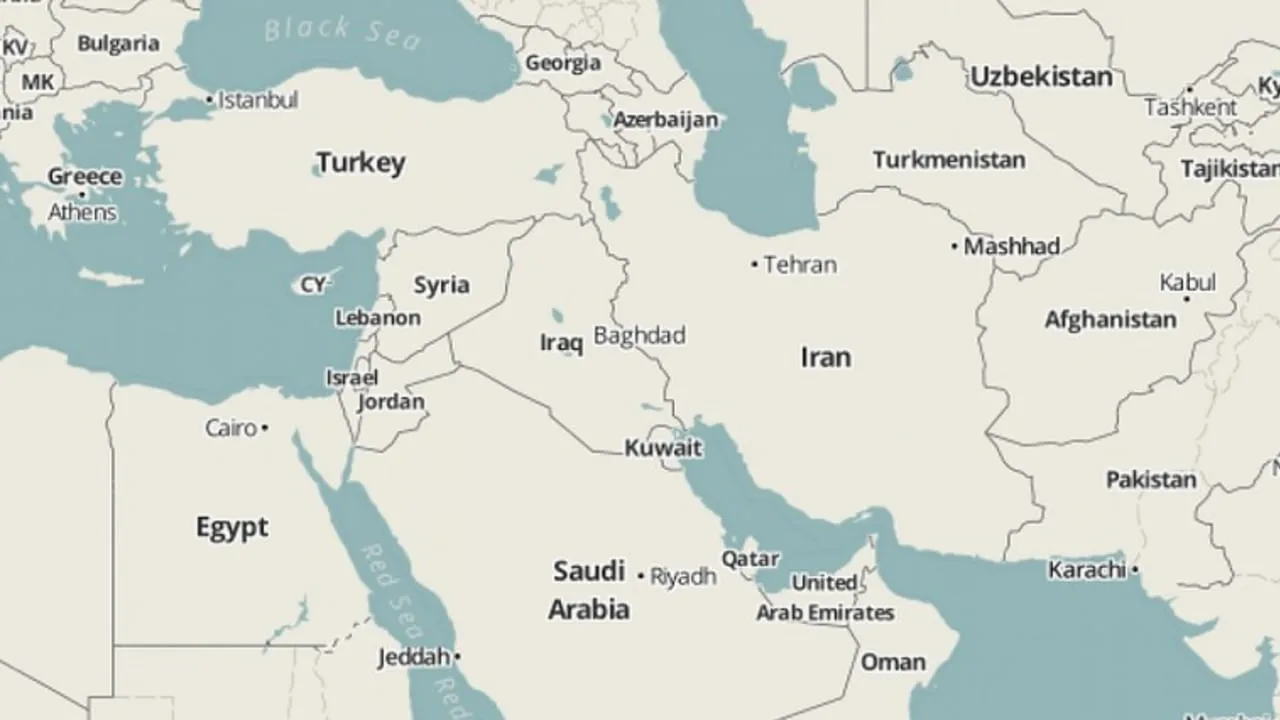
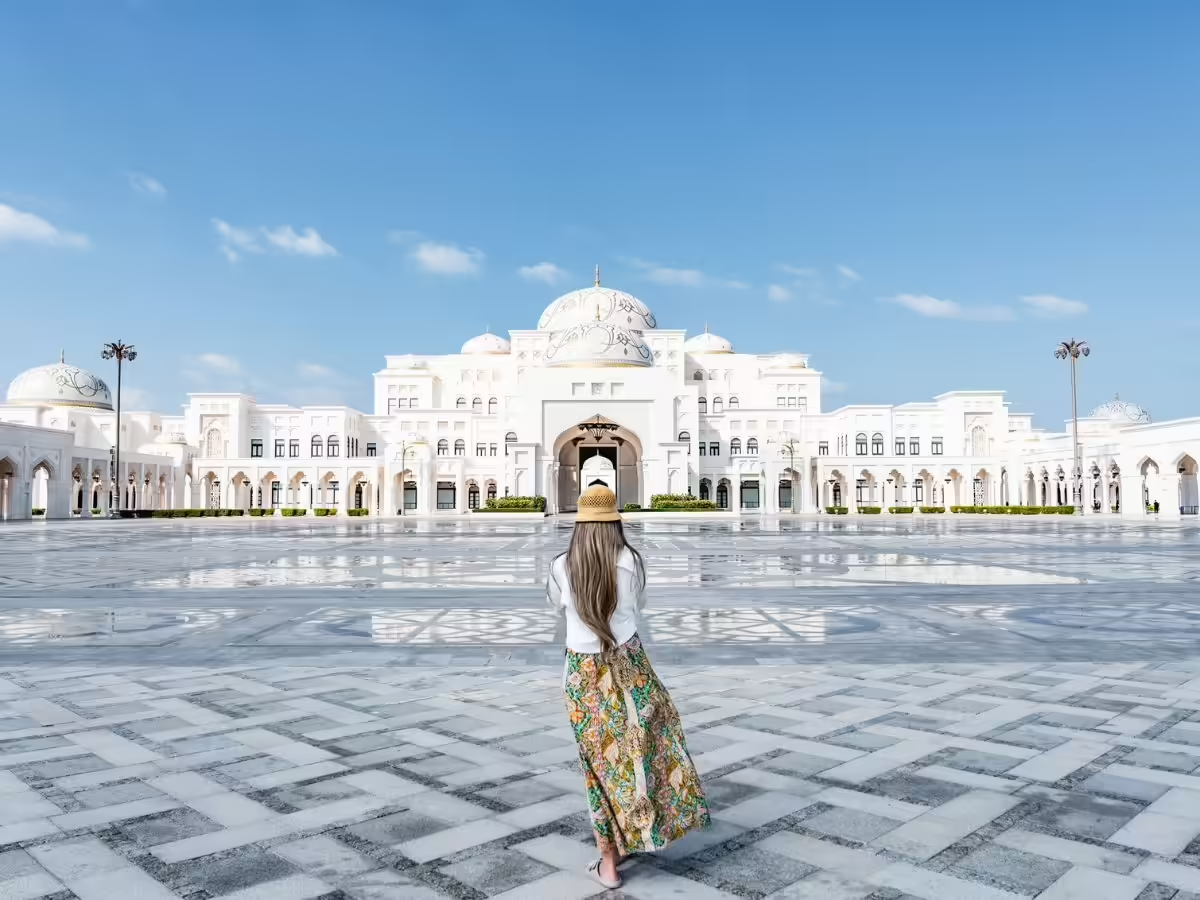
As meetings, conferences, exhibitions and festivals in the Gulf region once again draw tens of thousands of visitors, and the usual throngs of winter tourists return, one thing is obvious: the entrepreneurial energy, imagination and diversity once synonymous with Western cities have migrated eastward. Across the Arabian Peninsula, a constellation of metropolises — Riyadh, Dubai, Abu Dhabi, Doha, Jeddah and Manama — have risen to prominence, playing the role that Paris, London, Vienna and New York did in earlier centuries.
Together, they form the beating heart of a region that has moved from the sidelines of world commerce to its crossroads. Supported by vast investments in infrastructure, technology, sustainable urban planning and culture, the Gulf region has become a magnet for talent, capital and ambition from every continent.
It is tempting to attribute the phenomenon entirely to hydrocarbon revenues. Indeed, the Gulf Cooperation Council remains a global energy powerhouse: the region’s crude oil exports in 2023 amounted to nearly 12.4 million barrels per day, representing about 28.2 percent of the global total.
But that alone does not explain the transformation. For example, in the UAE, non-oil activity now accounts for a sizable portion of gross domestic product, having recorded 5 percent growth in 2024 to reach 1.3 trillion dirhams ($350 billion). Countries such as Venezuela, Libya and Angola had petro-wealth but none of them built modern metropolises comparable to Riyadh, Abu Dhabi or Dubai, which lead in global rankings for livability, innovation and economic growth. The difference lies in governance, vision and execution.