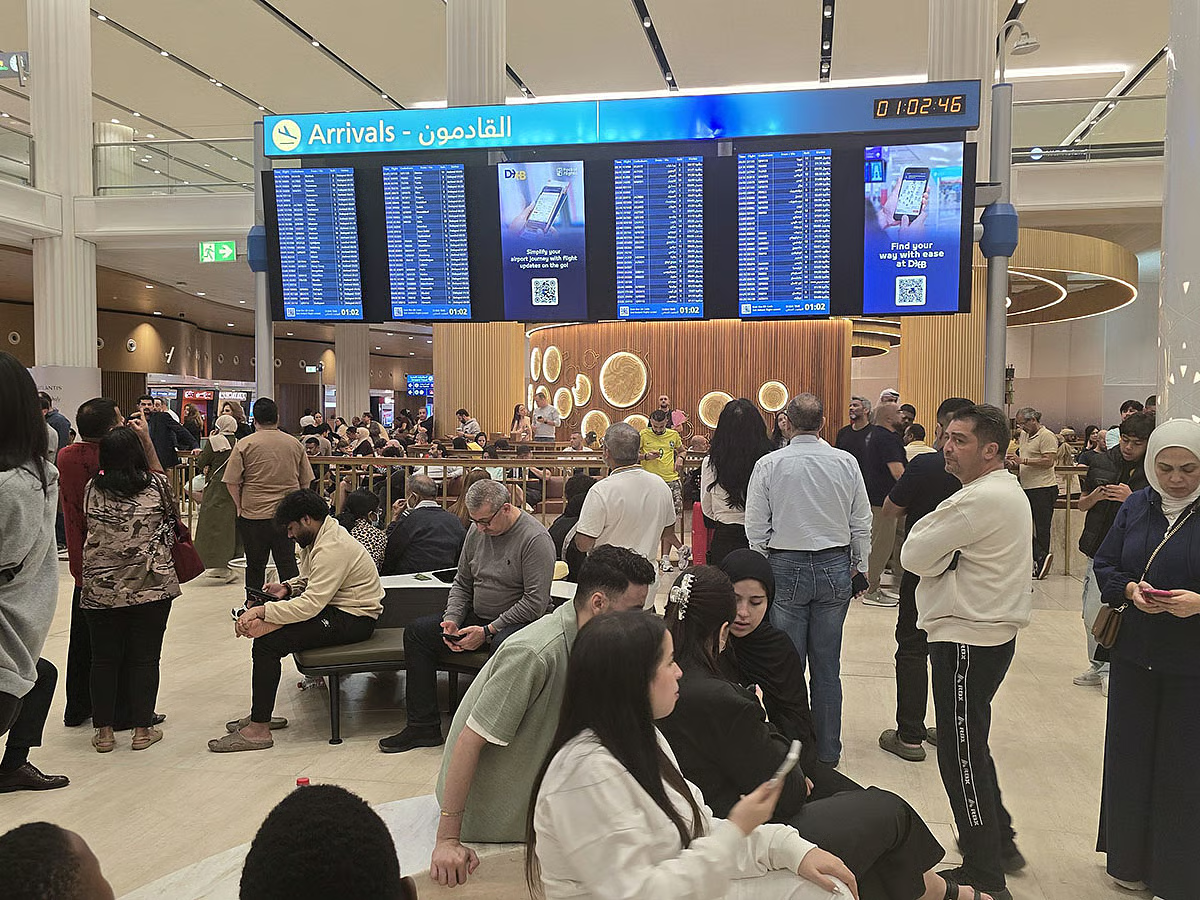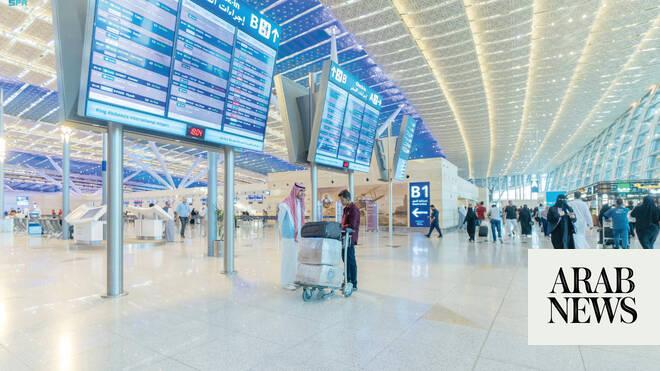
CAIRO: Once defined by fleeting layovers and duty-free corridors, airports across the Gulf Cooperation Council are increasingly gateways to short-stay tourism, driving non-oil growth, hospitality revenues and job creation.
Across the region, governments, airlines and airport operators are treating aviation not merely as a transport sector but as a central pillar of tourism and economic strategy. Through streamlined visa regimes, airline-led stopover programs and sustained investment in airport infrastructure and technology, GCC countries are turning transit passengers into visitors.
“Across the GCC, destinations have shifted from functioning primarily as global transit hubs to positioning themselves as places travelers actively choose to visit, even for short stays during onward journeys,” Nicholas Nahas, partner at Arthur D. Little, told Arab News.
Airports in the Middle East are investing heavily in biometric processing systems, e-gates and digital border controls designed to shorten waiting times and improve passenger flow. These upgrades, backed by coordinated public-private initiatives, are narrowing the gap between arrival and exploration, making short stays viable even for passengers transiting for less than 48 hours.