https://arab.news/g84ef
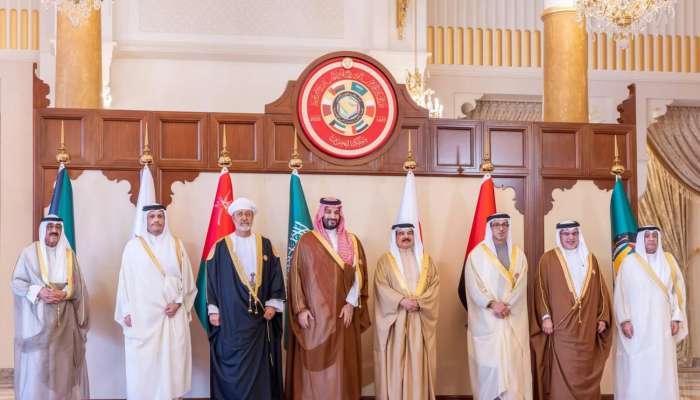
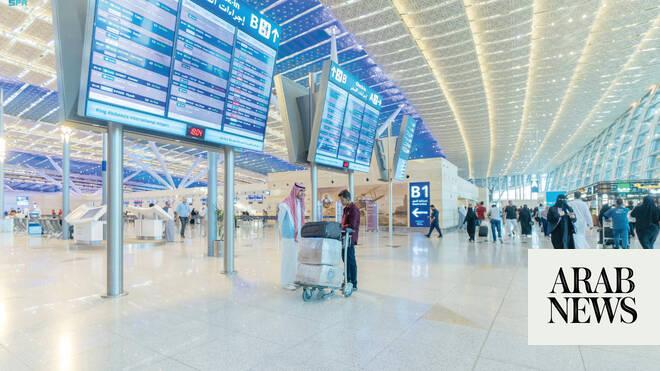
After years of speculation and deliberation, the Gulf Cooperation Council (GCC) has finally green-lit a unified tourist visa, a long-awaited move that promises to reshape travel and mobility across the region. While this step is undoubtedly a major win for regional tourism, its impact on the Pakistani diaspora, one of the largest expatriate communities across the Gulf, is particularly noteworthy.
For decades, Pakistani workers, students and families have navigated complex, often frustrating visa procedures for each individual Gulf state. From applying for separate visas for travel between Dubai and Doha to struggling with student documentation or missing out on major events like concerts or expos due to last-minute rejections, the process has been anything but seamless. The unified tourist visa offers a glimmer of relief. Though designed primarily for tourists, the ripple effect is far more expansive, opening doors for short-term mobility, job exploration, educational opportunities, and cross-border family reunions.
Consider this: In the first three months of 2025 alone, over 151,000 Pakistani workers relocated to GCC countries. These include both skilled professionals and unskilled laborers seeking better livelihoods and the chance to support families back home. For them, even temporary mobility between GCC countries can mean access to new job markets, interviews, trade expos, and skill training opportunities that would otherwise be financially and bureaucratically out of reach.