https://arab.news/pmf9e
In the Arabian Gulf, there is an understandable fascination with the future: smart cities, AI clusters, and economic zones that promise diversification beyond oil. But amid this forward momentum, we risk forgetting that the Gulf’s economy was once thriving not because of central planning or industrial zoning, but because of something far more organic: trust, adaptability, and deeply human connections.
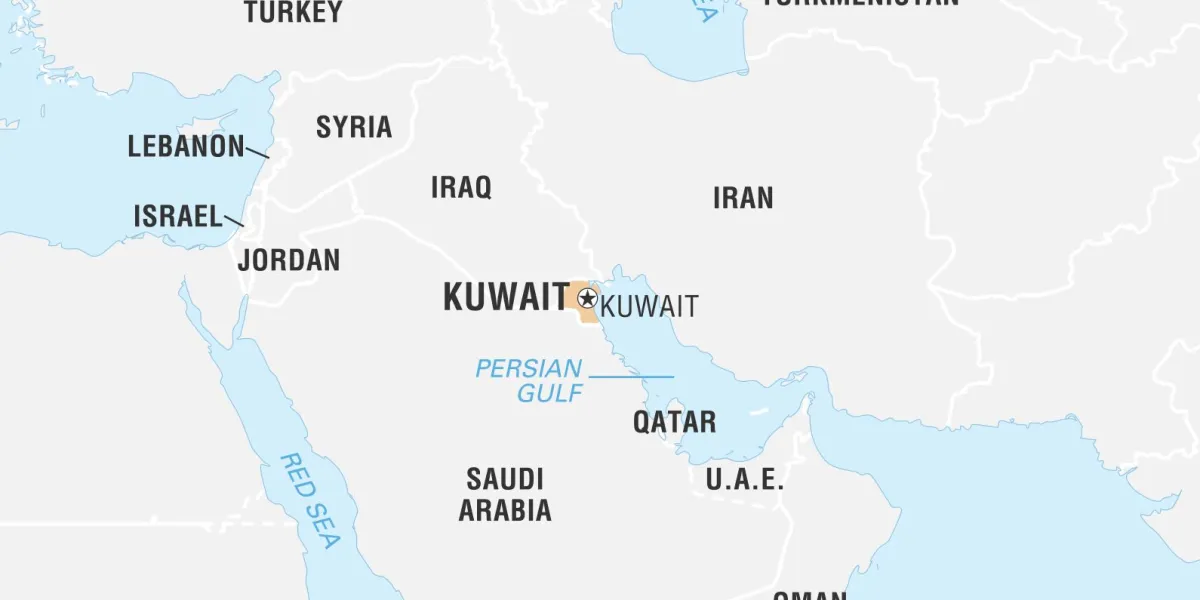
Before the modern nation-state drew hard borders across the Arabian Peninsula and southern Iran, the Gulf was part of a far older and more fluid geography. Communities in places such as Qeshm, Dubai, Muscat, and Bandar Abbas did not simply trade — they lived, moved, worked, and married across regions. Their strength lay not in homogeneity or formality, but in intersectionality: the convergence of professions, identities, and roles within and across households and communities.
In my research on the history of trade in the Gulf — families with ancestral and economic ties stretching across the region — I found that their livelihoods were anything but linear. One person might be a pearl diver during the season, a scholar the next, and an informal arbitrator within his community when called on. Women, too, played roles beyond the domestic: managing household finances, facilitating trade relationships, and anchoring family ties across shores. These were not exceptions; they were features of a society that understood economic resilience as a communal endeavor, grounded in social versatility and collective trust.