In 2025, Space42’s systems helped save over 660 lives across 25 distress events, from earthquakes in Myanmar, Nepal, and Turkey to cyclones in Mozambique and floods in Nigeria. In each case, the difference between data received and aid delivered came down to connectivity, observation, and response working in unison.
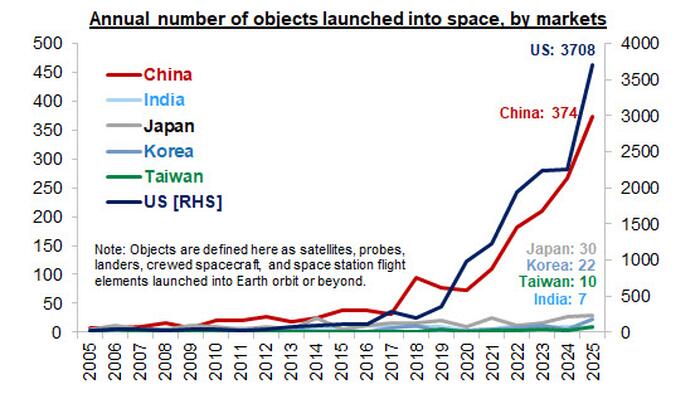
The space economy is scaling quickly. Its value is estimated to reach $1.8 trillion by 2035, as satellite communications, Earth observation (EO), and data platforms become foundational to how other industries operate. Yet the pace of capability growth has outrun the architecture holding it together, and we think that is the central problem the industry needs to confront. The real gap is between what individual systems can do and what the world actually needs them to do: work as one.
When fragmentation becomes the bottleneck
Sulaiman Al Ali, Chief Commercial Officer – Business, Space42
Connectivity has expanded significantly but remains uneven, with an estimated 2.2 billion people still offline in 2025. Even where coverage is available, the environments that depend on it most (remote energy platforms, maritime corridors, disaster zones) operate far from terrestrial networks and under conditions where fragmented systems extract the highest cost.