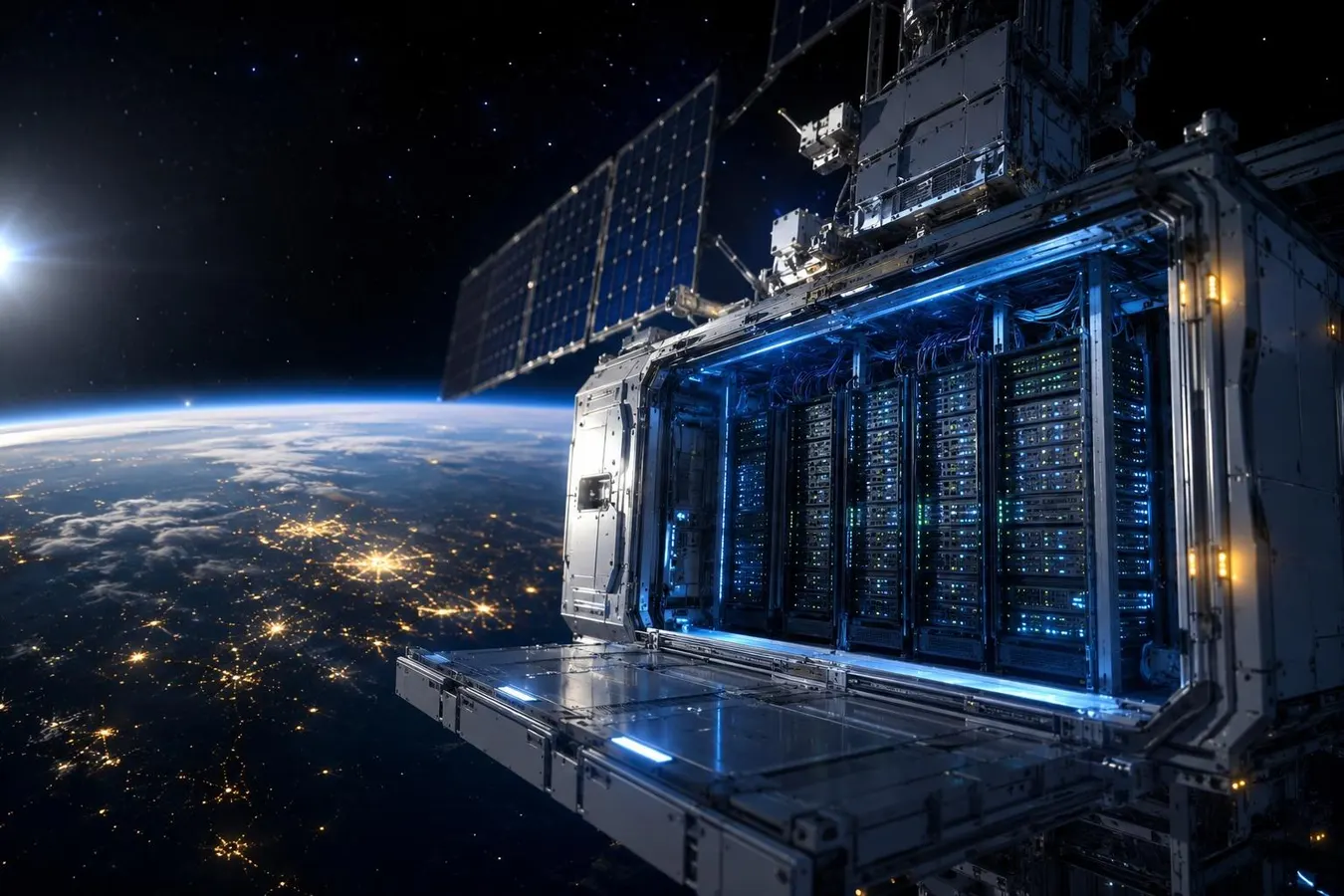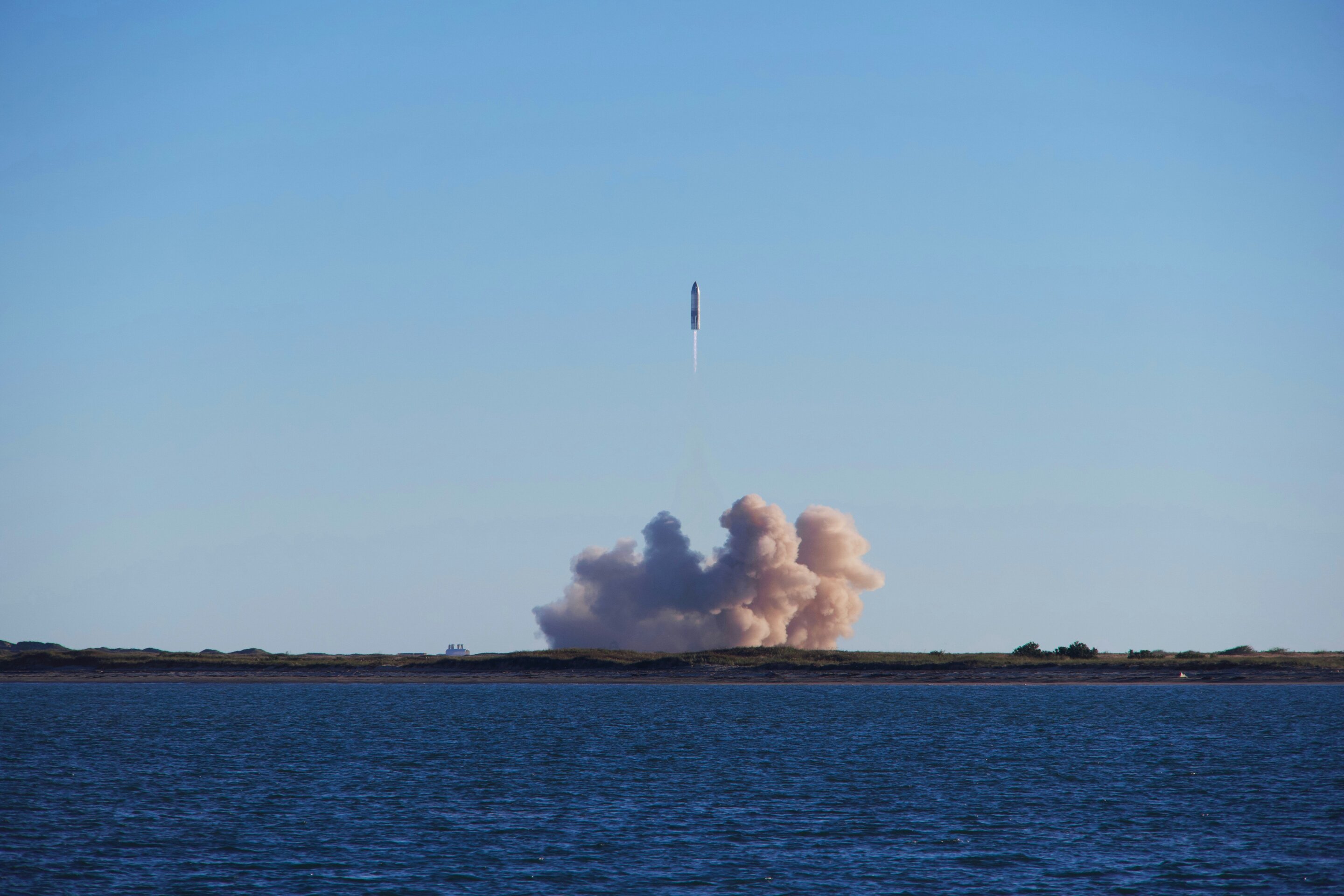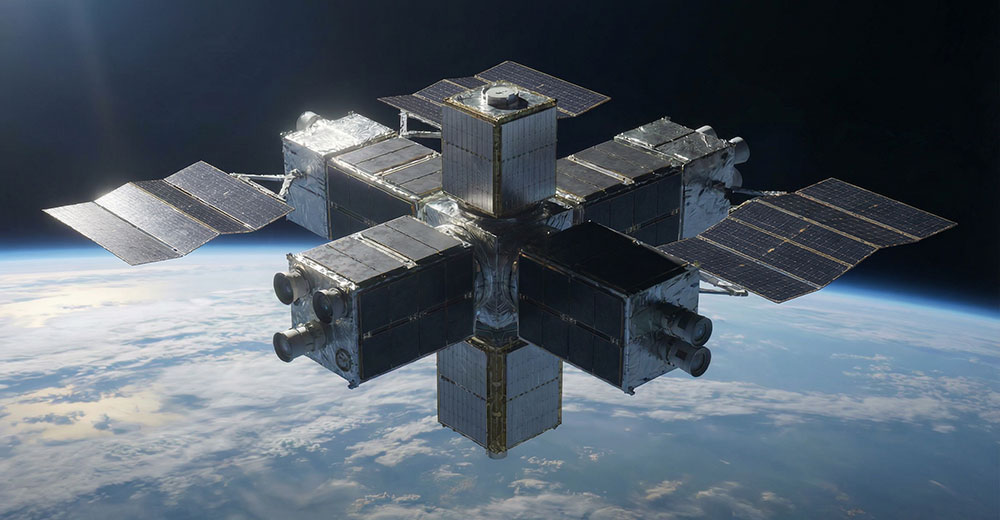
Shelli Brunswick is CEO & Founder of SB Global LLC and an international keynote speaker on tech used for the betterment of humanity.gettyFor years, artificial intelligence (AI) was defined by software, algorithms, automation and models. Now, as these systems expand, the real hurdle has shifted from innovation to infrastructure.Training advanced AI now requires vast computing networks running continuously across thousands of processors. These facilities consume extraordinary amounts of electricity, generate immense heat and place growing pressure on local grids and water management used for cooling.This immense energy demand is driving advanced AI facilities beyond traditional enterprise data centers, making them resemble industrial-scale operations. As these pressures intensify, industries are considering unconventional solutions, such as space-based platforms.I've been watching this space closely, and I've found that what was once speculative now drives an expanding debate on sustaining the digital backbone of a data-intensive economy.The AI Race Is About Compute And EnergyFor decades, technology competition centered on software innovation and platform growth. Today, artificial intelligence is altering priorities. The organizations leading the next phase of AI will likely be those securing stable access to processing power, semiconductor supply chains, electricity and thermal management. Increasingly, success depends not only on software, but also on the ability to sustain the massive operational demands of training and scaling advanced AI systems.Electricity demand from data centers and AI is expected to rise in the coming years as hyperscale facilities expand to support advanced AI models processing enormous volumes of information. Communities are already confronting the environmental realities of this expansion, as large AI facilities place growing pressure on land, energy and water resources and strain grid resilience. Governments now recognize computational capacity as a strategic asset, directly tied to economic competitiveness, leadership and national security.Modern civilization already depends heavily on invisible infrastructure functioning above Earth, from communications and navigation to logistics and global finance. As terrestrial networks approach physical, environmental and energy constraints faster than many anticipated, leaders are rethinking what the next generation of capability could look like in the decades ahead.Why Orbital Computing MattersAt first glance, the idea of placing data centers in orbit sounds like science fiction. Yet, advancements in AI, energy demand and launch innovation have brought space-based data centers into strategic focus. The main argument is that, as terrestrial facilities are constrained by power, cooling and scalability, considering orbital alternatives may become essential to sustaining AI progress.Space offers theoretical advantages that are reshaping how digital capacity is evaluated. Satellites in certain orbits can receive near-continuous solar exposure, enabling uninterrupted renewable energy generation without many of the atmospheric limitations on Earth. Cooling is another factor. Data centers generate significant heat, and cooling systems are among the largest constraints for hyperscale facilities. In the vacuum of space, radiative cooling mechanisms can improve efficiency.Reusable launch vehicles are lowering costs and transforming access to space, accelerating the growth of commercial markets. This transformation is already redefining the space sector, from orbital manufacturing and commercial stations to services supporting communications, navigation, logistics, agriculture and financial transactions.Within that context, orbital computing no longer feels disconnected from larger technological trends. Significant obstacles remain, including launch costs, radiation exposure, orbital debris, cybersecurity risks and latency challenges. Even so, the conversation itself reveals something important: AI is pushing humanity toward rethinking infrastructure on a planetary scale.From Exploration To Economic CapabilityHistorically, space was viewed through the lens of exploration and scientific achievement. Today, it has evolved into critical economic infrastructure that supports an expanding range of industries and daily operations.Satellites already underpin services, ranging from communications and mobility to supply chains and disaster response. What is changing now is the depth of integration between space technologies and other transformational sectors. AI, robotics, cybersecurity, advanced manufacturing and energy production are converging into interconnected industries spanning Earth and orbit.This reflects a transition I often describe as moving from a “space economy” to a “space-enabled economy.” In a space-enabled economy, it becomes part of the operational backbone supporting industries, commerce and economic activity.That shift is already influencing healthcare through space-based biomedical research, orbital manufacturing and breakthroughs from the convergence of AI, energy and specialized computing.The nations and companies best positioned for success in this space will likely be those capable of thinking beyond traditional silos, recognizing that technology alone does not drive growth; resilient ecosystems do. As terrestrial and orbital activities become more connected, long-term resilience will depend on collaboration among government bodies, various industries, academia and emerging research sectors to build markets, talent and scale.Rethinking The AI EconomyThe case for space-based data centers goes beyond moving servers to orbit. The core issue is that AI is driving a fundamental rethinking of how digital infrastructure will be designed and where it will operate.Just as railroads, highways, electrical grids and fiber networks transformed earlier economic eras, the next generation of critical systems may extend beyond our planet. Near-term adoption is not the replacement of terrestrial data centers, but rather the emergence of orbital processing platforms tied to satellite operations, Earth observation, cybersecurity and defense applications.The discussion of off-world computing is less about hardware for its own sake and more about the need for resilient global connectivity. As AI accelerates, the central argument is that economies will depend on capabilities that span both terrestrial and orbital environments.The future economy may not be fully Earth-bound. As AI reshapes industrial and energy demands, space is emerging not simply as a frontier of exploration, but as an extension of technologies that drive economic growth and resilience. Now is the time for leaders, innovators and stakeholders to engage in shaping the framework, partnerships and investments needed to realize the potential of space-based data centers.Forbes Technology Council is an invitation-only community for world-class CIOs, CTOs and technology executives. Do I qualify?
Why Space-Based Data Centers Could Become Critical Infrastructure
The discussion of off-world computing is less about hardware for its own sake and more about the need for resilient global connectivity.
950 words~4 min read