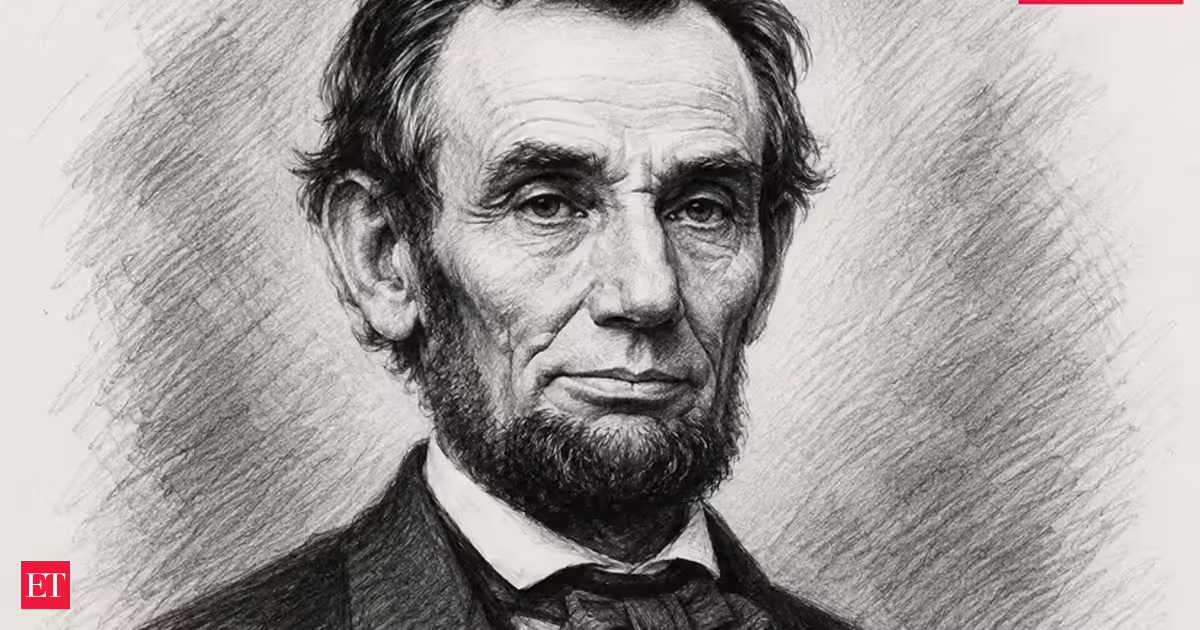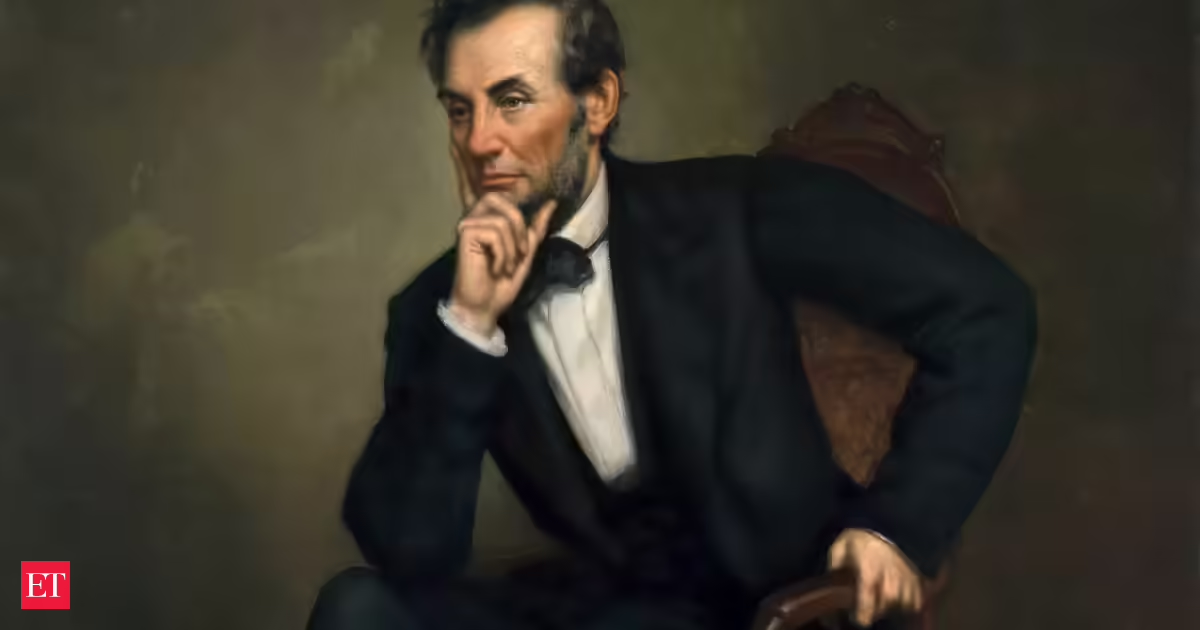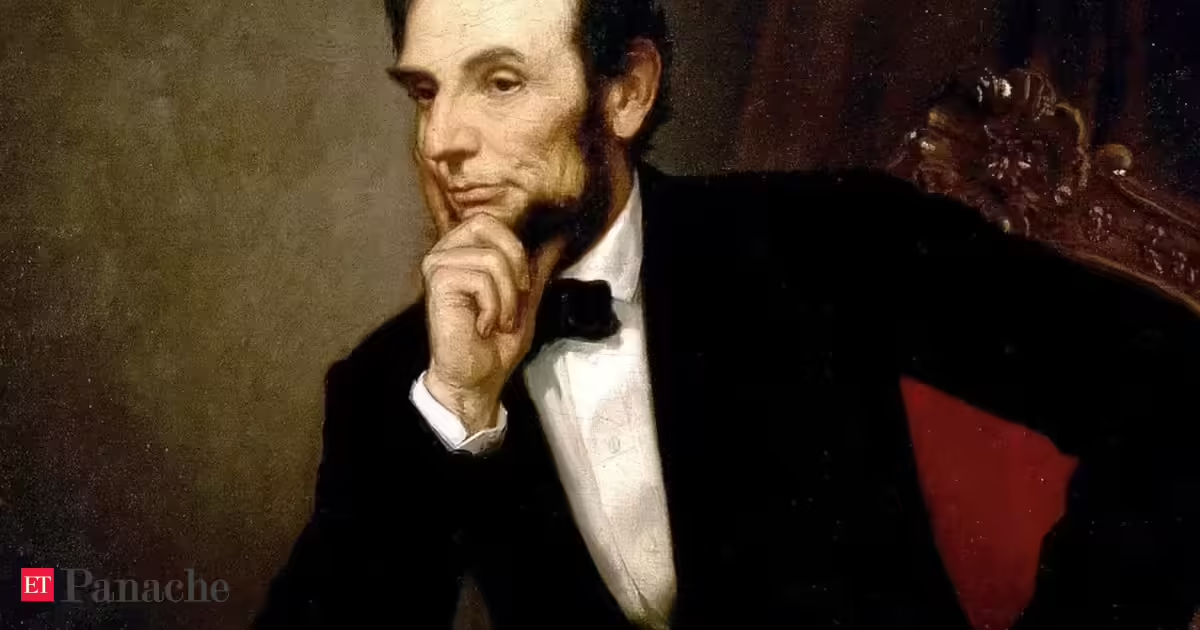
Long before he became one of the most respected presidents in American history, Abraham Lincoln was writing deeply personal letters filled with humour, heartbreak and self-doubt. One particular quote from 1838 has now resurfaced online and continues to strike a chord with readers even after nearly two centuries. At first glance, the line sounds funny and sarcastic. But underneath the wit lies a very human emotion that many people still struggle with today - insecurity, fear of rejection and the feeling of not being “good enough” for love.Where did Abraham Lincoln’s famous quote come from?The famous line: "I have come to the conclusion never again to think of marrying, and for this reason, I can never be satisfied with anyone who would be blockhead enough to have me", came from a letter Lincoln wrote to his friend Mrs Orville H. Browning in 1838.At the time, he was going through emotional struggles and uncertainty in his personal life. Historians have often described his younger years as emotionally turbulent, and many of his letters show loneliness and anxiety. This particular quote stood out because it mixed humour with vulnerability in a way that still feels surprisingly modern.Even though the statement sounds playful, Lincoln was also expressing a deep lack of confidence in himself. He joked that if someone actually wanted to marry him, he would question their intelligence for choosing him.You Might Also Like:What did Abraham Lincoln actually mean?The quote works on two levels. On the surface, it sounds like a witty joke about marriage. But underneath it reveals a much deeper emotional reality. Lincoln was essentially talking about insecurity and self-worth. He felt so doubtful about himself that he could not imagine why anyone would genuinely choose him as a life partner. The line reflects emotions many people continue to experience even today, fear of rejection, low self-esteem and overthinking relationships.At the same time, the quote also shows how people often use humour to hide emotional pain. Instead of openly admitting sadness or loneliness, Lincoln turned his feelings into a clever joke. That balance between comedy and vulnerability is one reason why the quote still feels relatable.However, despite his dramatic declaration, Lincoln’s views on marriage eventually changed. As per the reports, a few years later, in 1842, he married Mary Todd Lincoln. According to historians and archives at the Abraham Lincoln Presidential Library and Museum, Lincoln’s relationship with Mary Todd was complex but deeply devoted.Their marriage was not always easy. They faced political pressure, personal grief and emotional struggles throughout their lives. Yet Lincoln remained closely attached to her, proving that the man who once joked about never marrying eventually found lasting companionship.You Might Also Like:That shift also gives the quote a deeper layer of meaning. It reminds readers that emotions change with time, and moments of insecurity do not always define a person’s future.Why the quote still matters todayOne reason this quote continues to trend online is because the emotions behind it remain timeless.Even in today’s world, many people struggle with self-doubt in relationships. Social media, comparisons and personal insecurities often make people question whether they are worthy of love or acceptance. Lincoln’s words capture that feeling in a surprisingly honest way.The quote also teaches an important lesson: people are often far harsher on themselves than others are. It reminds readers not to let insecurity completely shape their self-worth or stop them from forming meaningful relationships.More importantly, it shows that vulnerability is part of being human. Even someone who later became one of history’s most admired leaders once dealt with emotional uncertainty and fear.Who was Abraham Lincoln?Abraham Lincoln was born in a small log cabin in Kentucky and largely educated himself before becoming a lawyer and politician. He eventually became the 16th President of the United States during one of the country’s most difficult periods. During the American Civil War, Lincoln led the nation through deep political division and conflict. He also issued the historic Emancipation Proclamation, which paved the way for the abolition of slavery in the United States.Lincoln was assassinated in 1865 by John Wilkes Booth shortly after the Civil War ended. Despite his tragic death, he remains widely regarded as one of the greatest presidents in American history.Yet beyond politics and leadership, quotes like this continue to remind people that Abraham Lincoln was also deeply human, thoughtful, insecure, emotional and capable of laughing at himself even during difficult times.
Quote of the day by Abraham Lincoln: 'I have come to the conclusion never again to think of marrying, and for this reason, I can never be satisfied with anyone who would be blockhead enough to have me' - What ex-US President wanted to say about love, insecurity and relationships
A resurfaced 1838 letter from Abraham Lincoln reveals his deep-seated insecurity about love, humorously questioning why anyone would marry him. This quote, mixing wit with vulnerability, resonates today as it shows common struggles with self-doubt and fear of rejection. Despite his early pronouncements, he later married Mary Todd. Read on!
732 words~3 min read