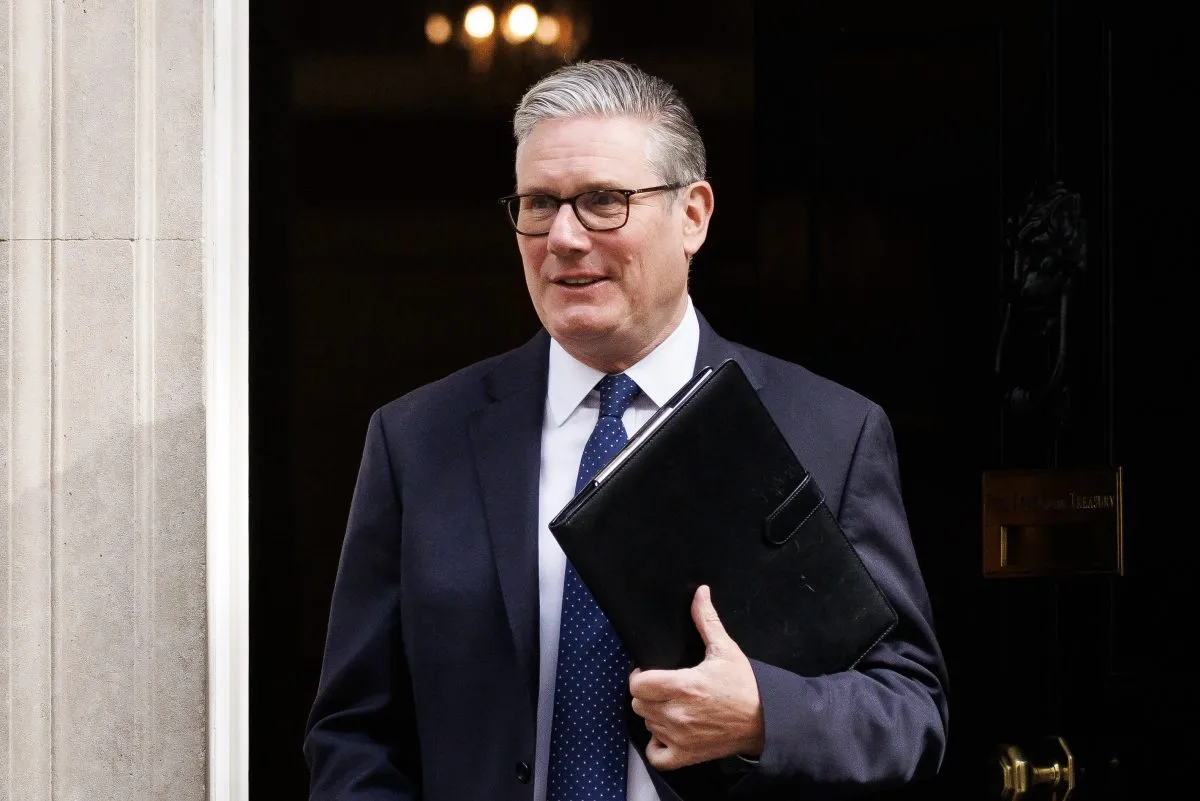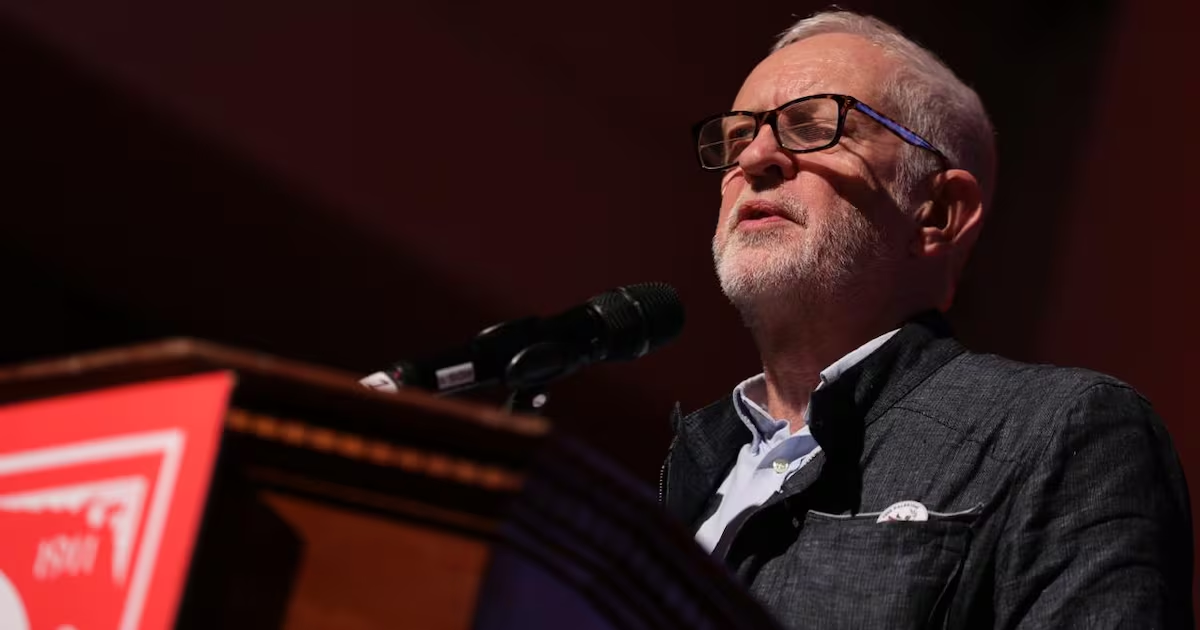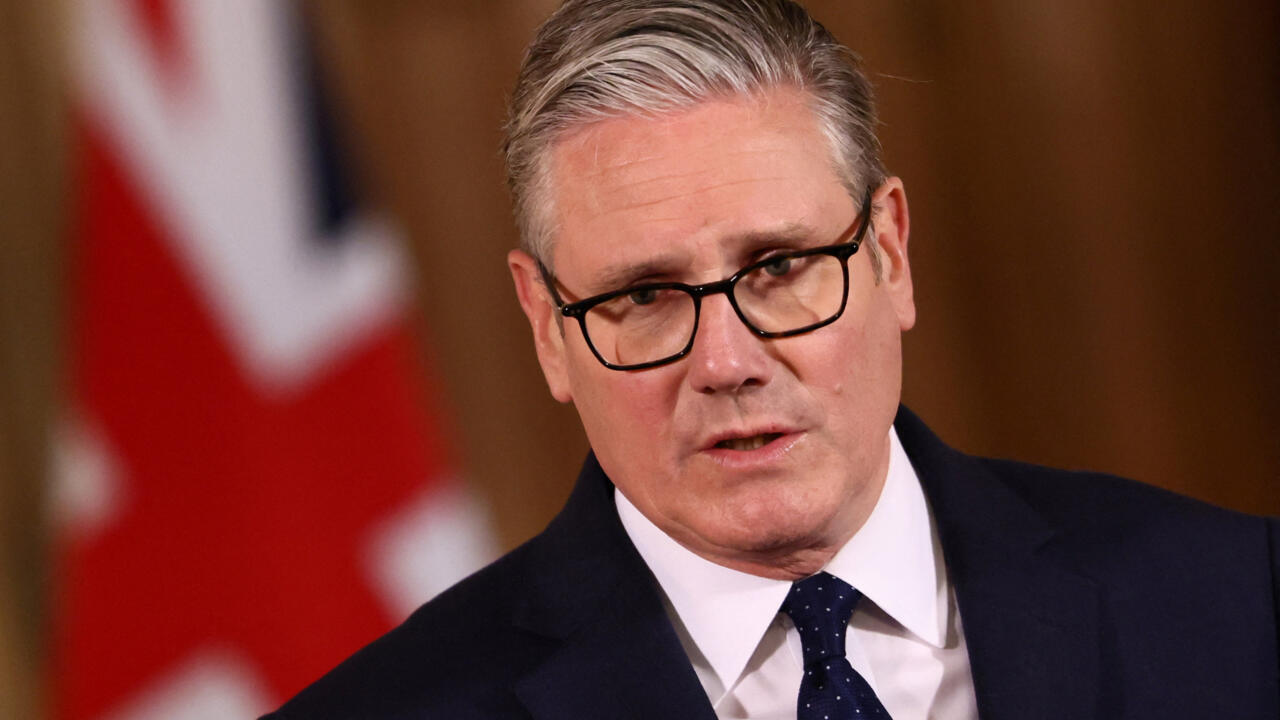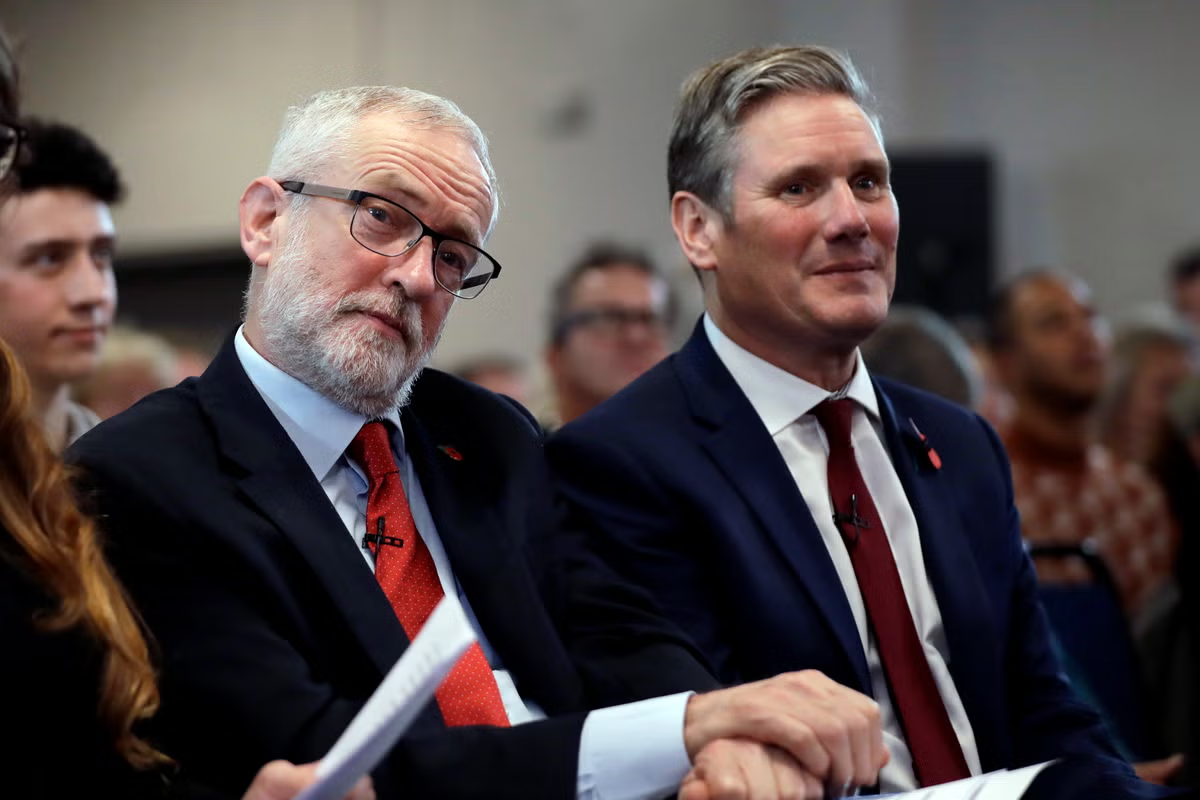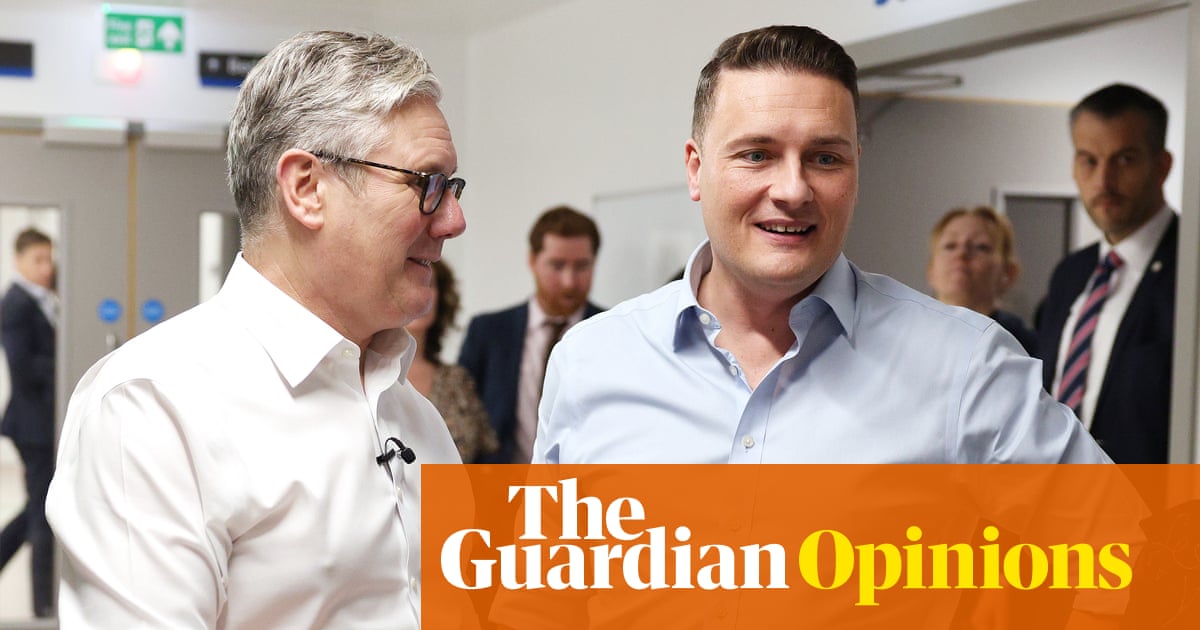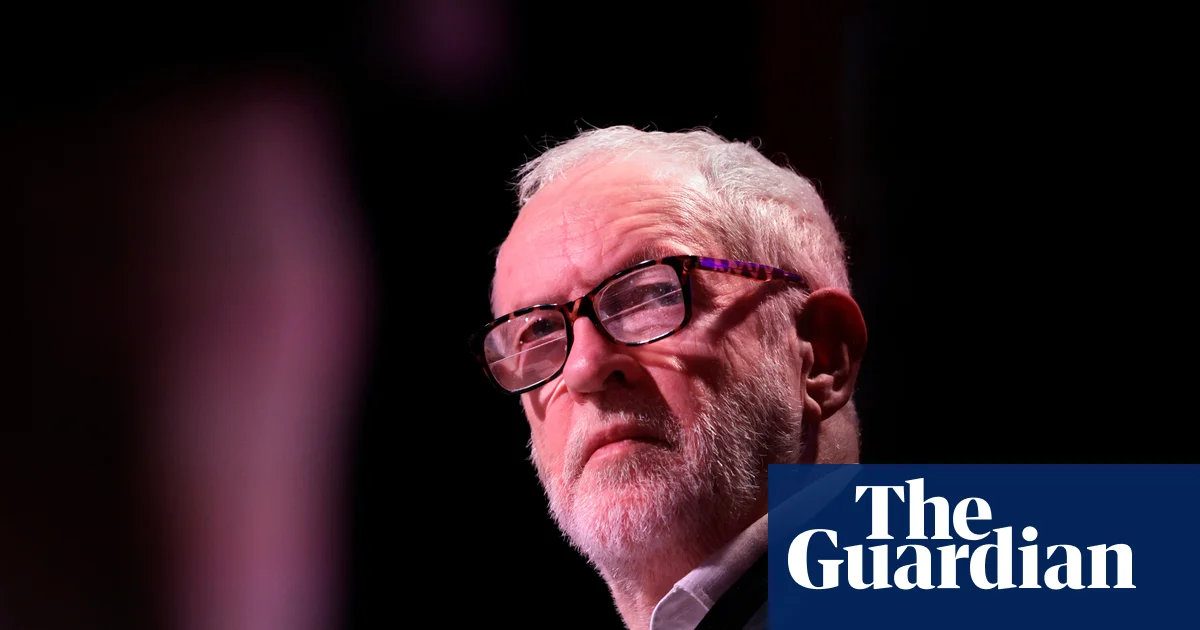
“Yeah, I do feel [sorry for him],” said Jeremy Corbyn, with only a little hesitation. “On a personal level it must be devastating. It is a horrible feeling. You suddenly realise that this person doesn’t trust you at all and really doesn’t wish you well at all, and you suddenly realise that any trust that was there actually disappears.”There are few in politics who have had the experience of being the subject of a Labour party-style coup, the British equivalent of being dragged from your office to be put up against a wall. Letters of resignations from so-called political friends, condemnatory statements on social media, all dripped out for maximum effect with the end goal of pushing the target, once the subject of standing ovations and gushing plaudits, out on their tail.Keir Starmer has had it this week. Tony Blair endured a rather mild version of it in 2006, and the ousting of Boris Johnson in 2022 was a proper all-party effort. But for the real deal in Labour history it is to Corbyn, leader from 2015 to 2020, that one must look.Keir Starmer leaves Downing Street on 13 May with his wife, Victoria, whom he has described as ‘his rock’. Photograph: WIktor Szymanowicz/NurPhoto/ShutterstockIt was on the evening of Saturday 25 June in 2016, a couple of days after the EU referendum, that Corbyn’s ordeal began. The Observer reported online that the Labour leader’s shadow foreign secretary was busy plotting a mass walk-out at the top of the party. “That was the one that was rather rapidly brought to my attention,” Corbyn said. “I immediately phoned Hilary [Benn] and didn’t succeed getting hold of him for the whole evening and finally spoke to him at one in the morning. I said, this story in the Observer, is it true?”Benn confirmed that it was. “So I said, that makes your position absolutely untenable, that’s the end of it,” recalled Corbyn. “He said: ‘So you’re dismissing me?’ I said: ‘Yes.’ And that was it and I then called Seumas [Milne, Corbyn’s press secretary] to immediately put out a statement. And that was the start of it.”Throughout Sunday, Corbyn took calls and letters from party colleagues telling them that they were leaving his shadow team. There were an unprecedented 21 resignations. “I was sort of ticking them off,” said Corbyn with a dry laugh. “Some were blunt and rude, some pleasant. In the afternoon, I went to the allotment. I got a few resignations in the allotment. I wrote them down and made notes at home: so I could call them the potato rebel, the beetroot rebel. It was a very, very intense period.”Jeremy Corbyn in 2019 with his wife, Laura Alvarez, who ‘was really angry about the whole thing’. Photograph: Sean Smith/The GuardianA meeting of the parliamentary Labour party on Monday was “very rough, horrendous really. Basically, an hour of abuse thrown at me,” recalled Corbyn. “‘You should get out of the way, you brought all this on us, you brought all this on yourself.’ It was all personal and very, very abusive, not that I particularly care, because these things don’t worry me very much, but others got very upset by it.”A motion of no confidence was passed by 172 to 40. Corbyn took the piece of paper bearing the result, folded it and put it in his draw, he recalled. He was not going to budge. But it was difficult, Corbyn admitted, not to take such a show of rejection personally. “It is [overwhelming]. You think, ‘Wow this is a big deal.’ Various friends rang up. Len [McCluskey, the then leader of the Unite union] for example said: ‘This is a coup against you and all of us. There is only one way to go, that’s fight it.’ I said: ‘I am not resigning.’ I was elected with a clear majority and it was up to the members to decide.”During the recent storm, Starmer has described his wife, Victoria, as his “rock”. Corbyn, too, said that his wife, Laura Alvarez, was a vital steadying influence. “She is from Mexico and she thinks Britain is more corrupt than Mexico – in Mexico it is just more obvious,” said Corbyn. “She was really angry about the whole thing, really wound up by it. Absolute total support, as with my sons, and all of the wider family. My ex-wife comes from Chile, she just said: ‘It’s a coup, stop them. We have seen coups before.’”Angela Rayner, centre, with Starmer and Burnham at a school in Ashton, Greater Manchester, on 11 May. Photograph: Paul Ellis/PACorbyn, who later beat the challenger, Owen Smith, by 61.8% to 38.2% of the membership, said he had taken succour during the crisis from shows of mass support. After the parliamentary Labour party meeting, thousands had assembled to cheer him on outside the gates of Westminster palace.Starmer was seen on Monday, where he gave a speech that he hoped would rally the party to his side. It instead galvanised his newfound opponents in the party, who claimed it was more evidence of his lack of political touch and bravery. The prime minister has maintained a low-profile since.It might be that he had been advised to hide away, said Corbyn, who is today the parliamentary leader of Your Party after the Labour party’s ban on him standing for Starmer’s party in the 2024 general election. But Starmer would be better to make himself seen and to make his case, Corbyn suggested. “There’s a temptation [to go into the bunker] because you’re always full of advisers, and sometimes the advice is contradictory,” he said.Corbyn said Wes Streeting’s problem ‘was [giving contracts to] Palantir and privatisation of the NHS’. Photograph: Toby Melville/Reuters
‘An hour of abuse’: Jeremy Corbyn on Labour coups, and whether he feels sorry for Starmer
As Keir Starmer endures a slow ousting as PM, former Labour leader Corbyn recalls his own expulsion and looks at the runners and riders
1,347 words~6 min read