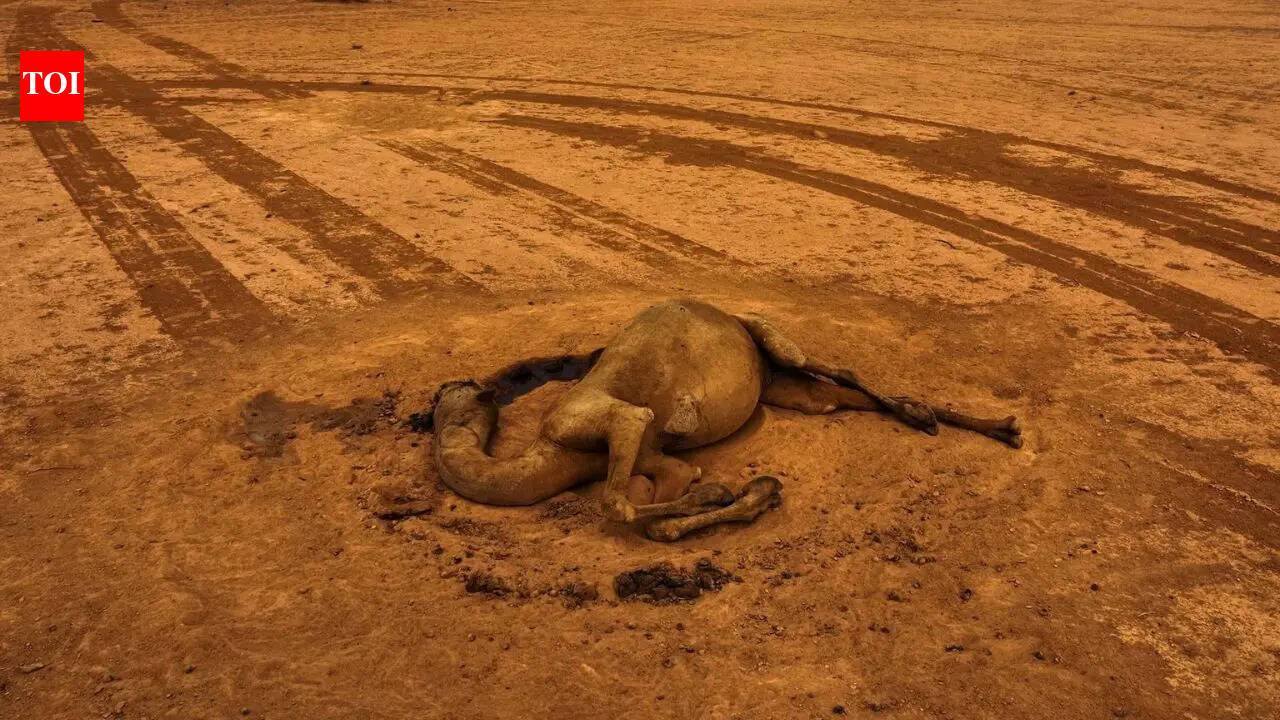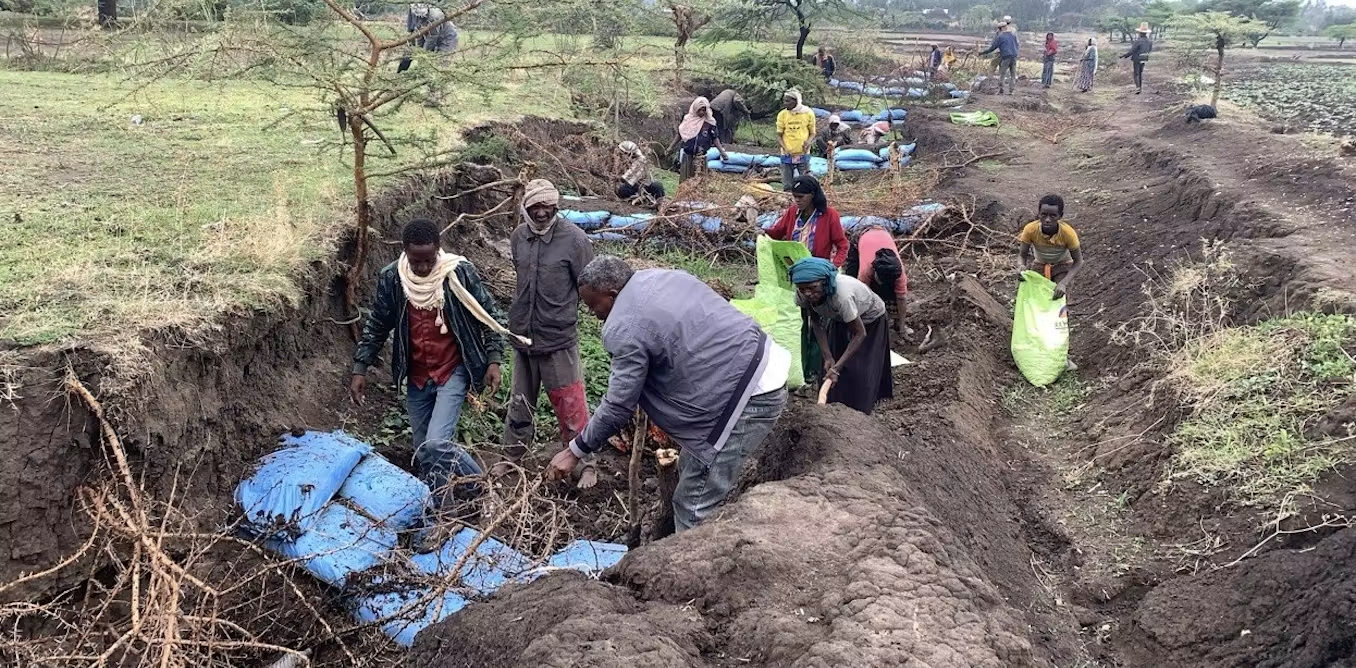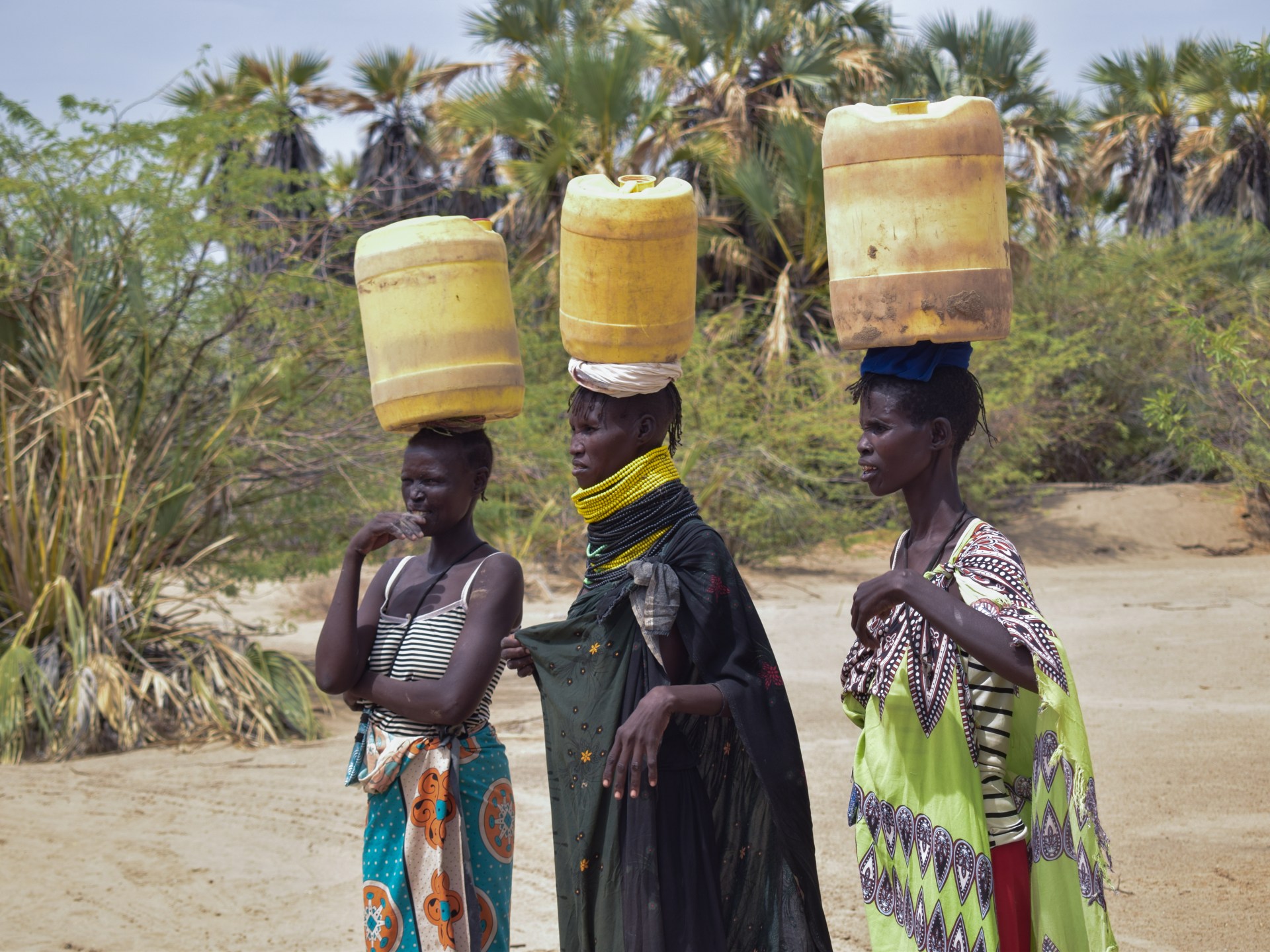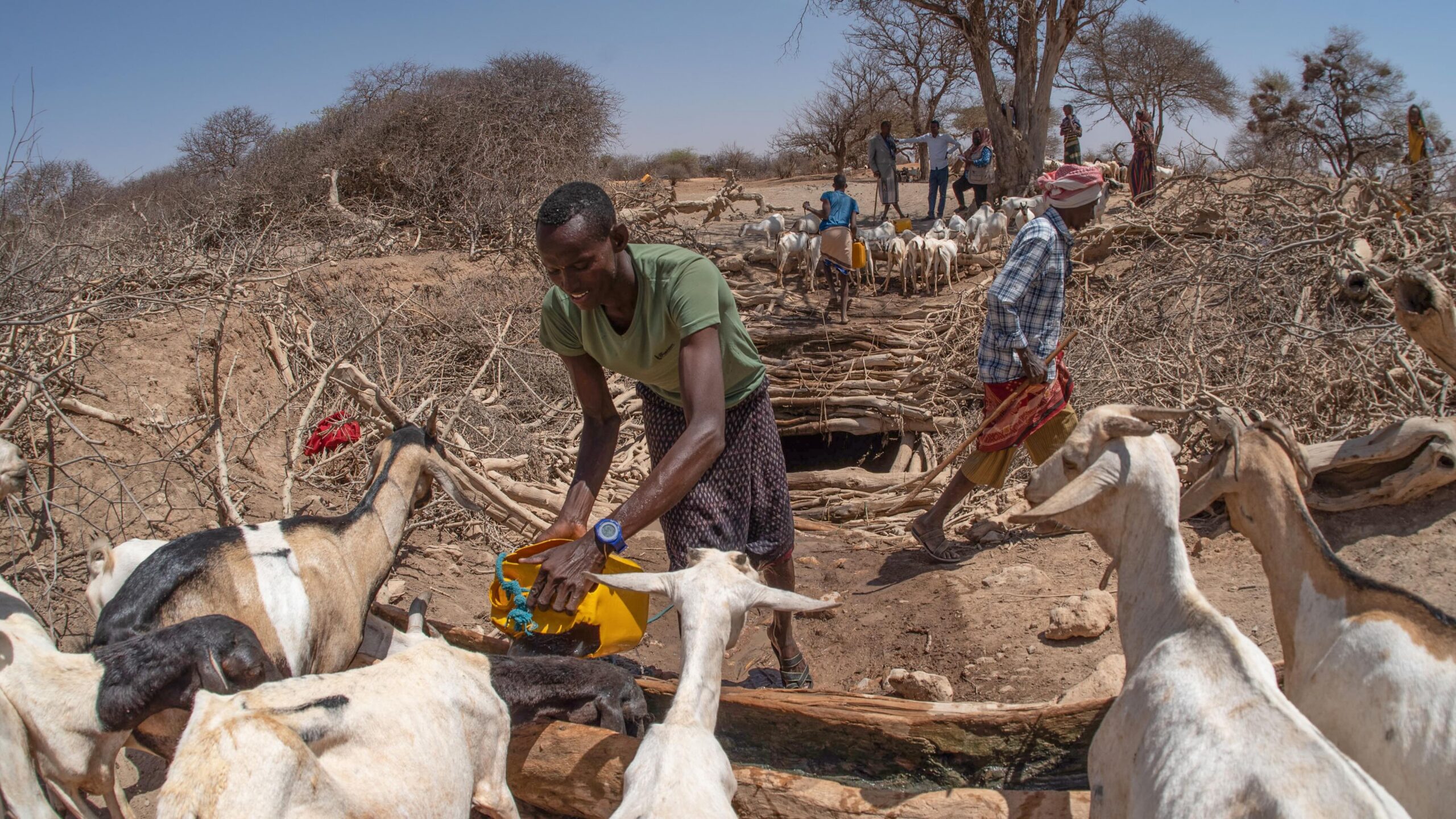
Pastoralists in Ethiopia’s Somali region say that worsening drought is eroding traditional systems of sharing that once helped communities survive.A recent study finds rainfall patterns have grown increasingly unpredictable, making it harder for pastoralists to plan and sustain their herds.Indigenous systems such as Gergar — a form of social insurance — and communal grazing are weakening as households struggle to sustain their own herds.As climate pressures grow, pastoralists are turning to alternative livelihoods, while assistance struggles to keep up with the scale of the problem.
JIJIGA, Ethiopia — The land here used to speak.
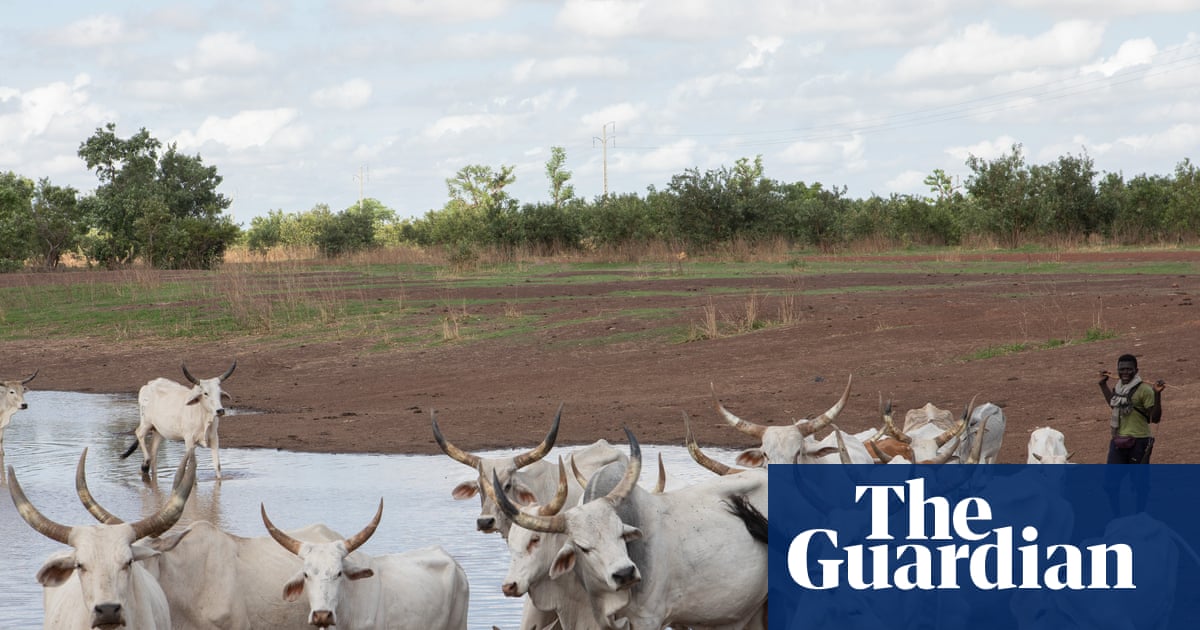
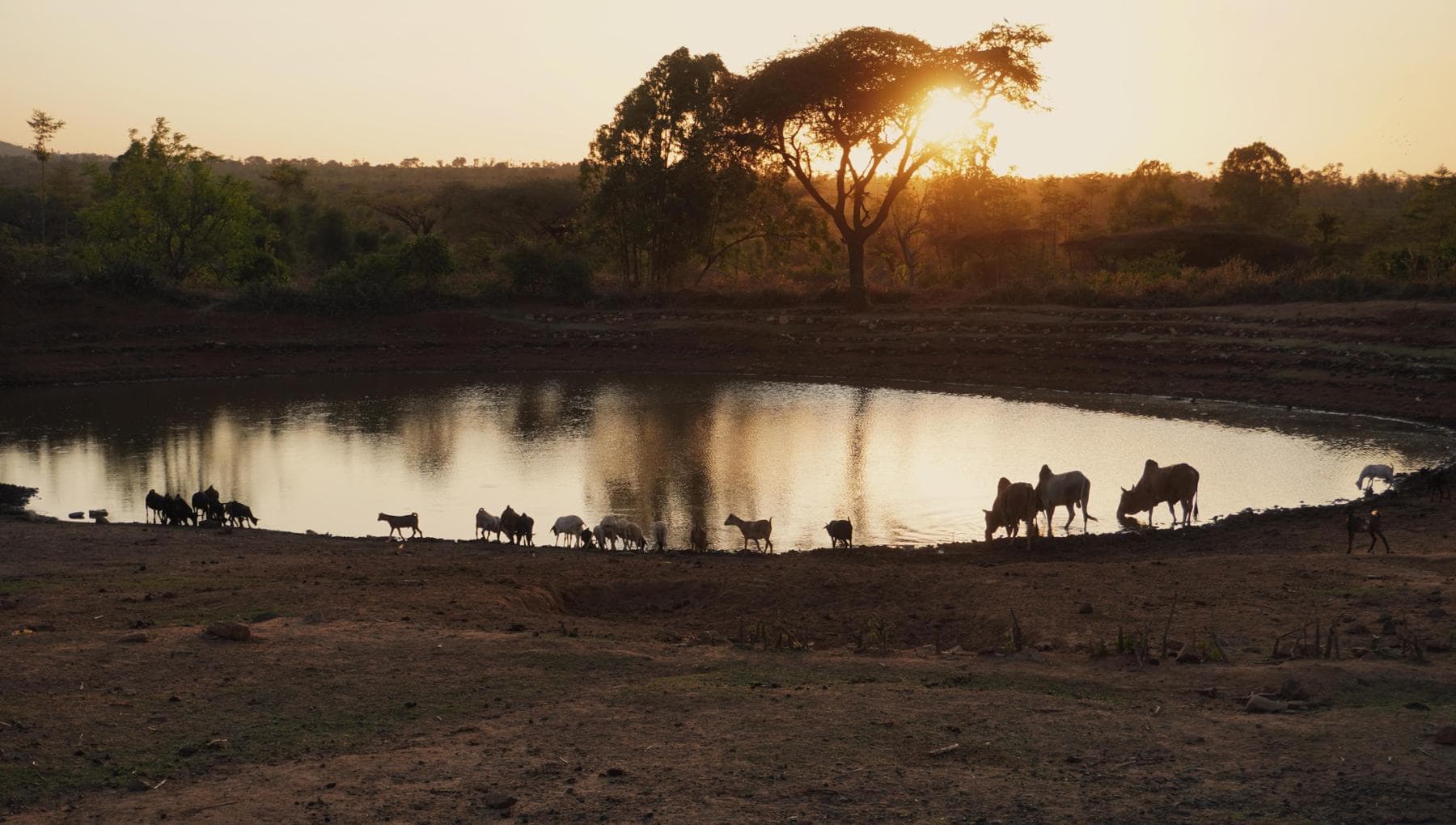
At dawn in Kebribeyah district, Somali Regional State, eastern Ethiopia, the plains stretch wide beneath a pale sky, with dusty shades of brown and yellow broken by thorny acacia trees and the slow movement of livestock across the horizon.
For generations, pastoralists learned to read the landscape. The arrival of seasonal winds, the timing of the rains, and the alignment of stars all carried meaning.
Mohamoud Sulub, a 50-year-old livestock herder, grew up relying on these signs in Guuyow village. They told him when to move his herd and when to stay. He knew his neighbors would, in hard times, understand them, too — and help when needed.