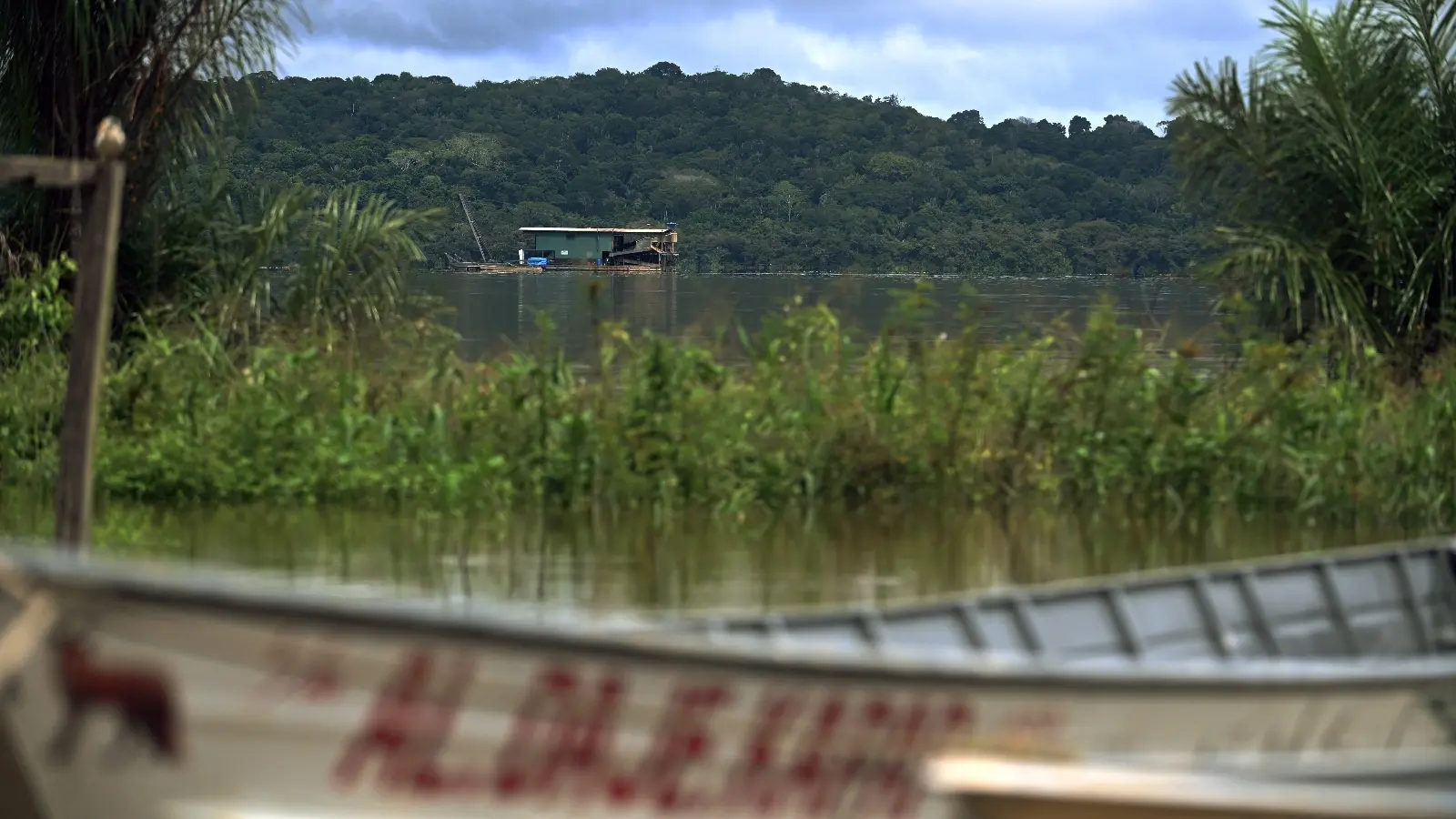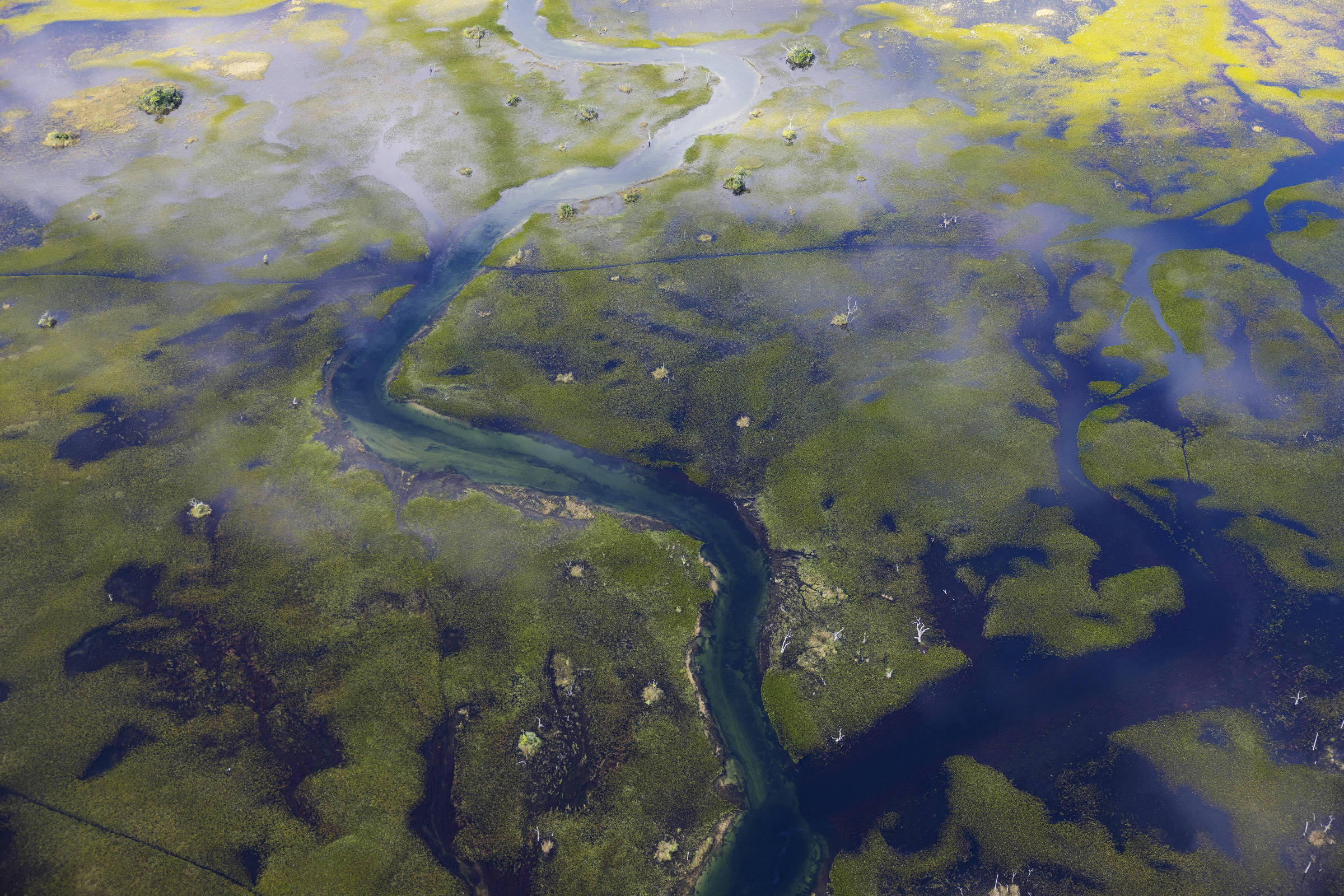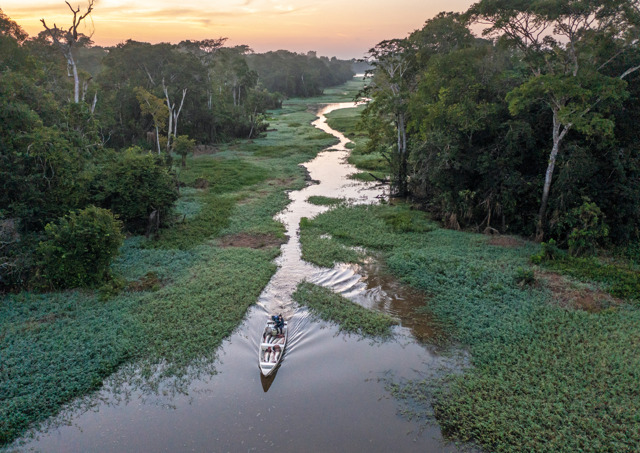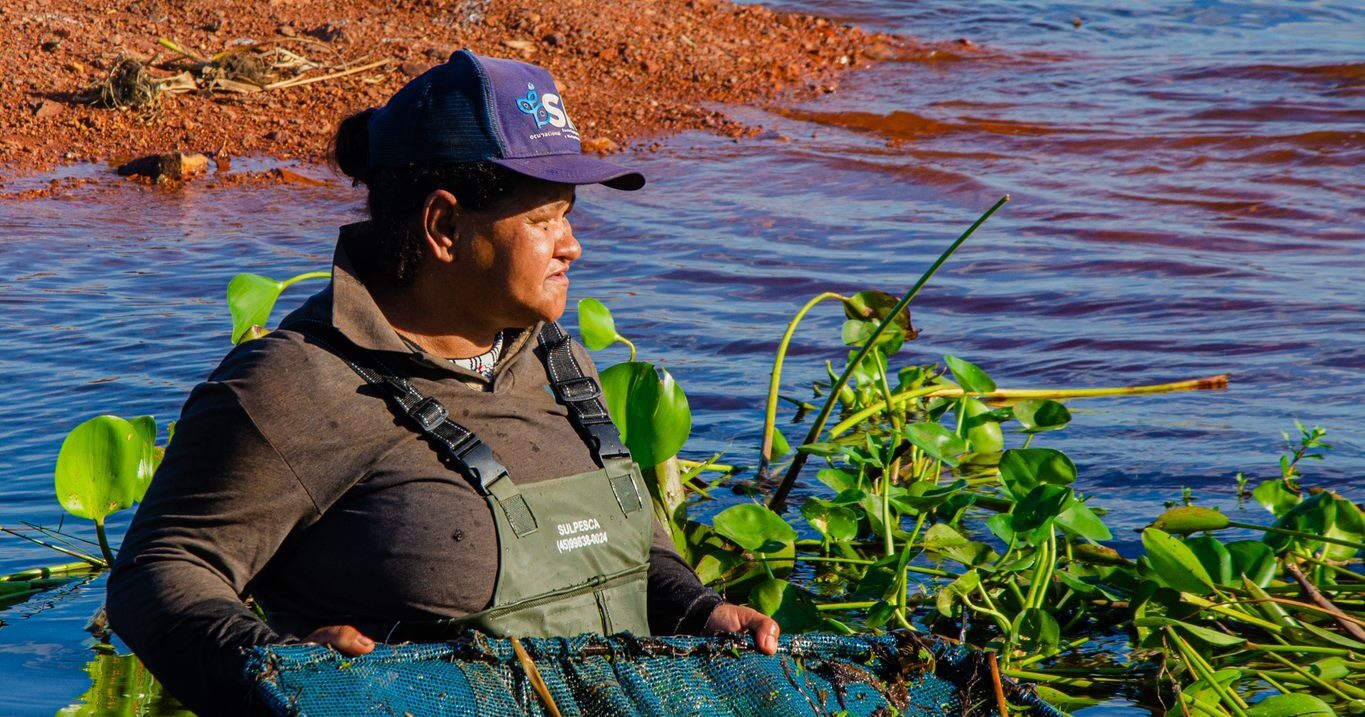
In the heart of the Pantanal wetland, women from riverine communities spend up to 12 hours a day in murky waters, surrounded by caimans and snakes, to gather live bait that feeds a multimillion-dollar fishing tourism industry.Sportfishing in the Pantanal generates around $20 million a year, but the gatherers receive only a few cents for each piece of bait.During the close season, from November to February, when fishing is banned, they are supposed to receive compensation from the state; but this season there was still no payment as of early February.According to government data, women make up 40% of professional fishers in Brazil’s two Pantanal states, and they do most bait collection in the biome.
CORUMBÁ, Brazil — “Lord, go ahead of me and clear my paths, removing every beast, every wild animal, everything that does not come from you; let they be driven away, and may the Lord bless my work. I am in your hands. Walk with me, Father.”
It is 3 a.m. on Baguari Island when Roseli Oliveira says her daily prayers before entering the dark waters of the Pantanal here in Brazil’s Mato Grosso do Sul state. With her flashlight off so as not to scare away the bait, she submerges up to her waist — sometimes up to her chest — surrounded by caimans, anacondas and stingrays. She has 12 hours of work ahead of her, with the dirty water penetrating her worn-out overalls. But she has no choice: no bait means no income. She is 48 and she has been doing this work for 36 years.