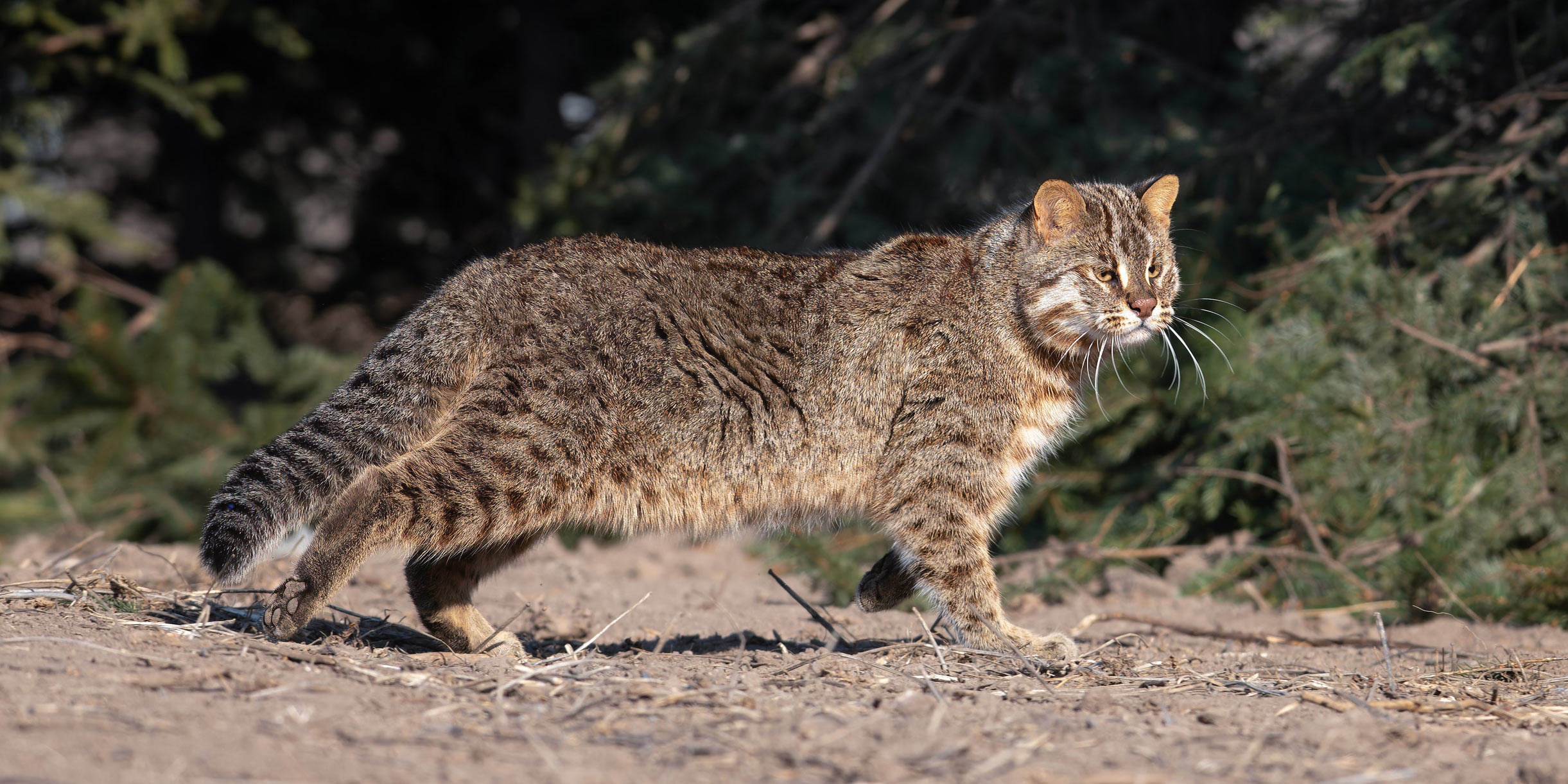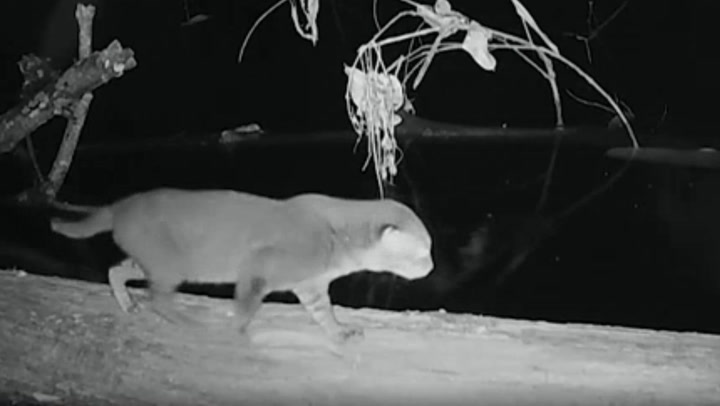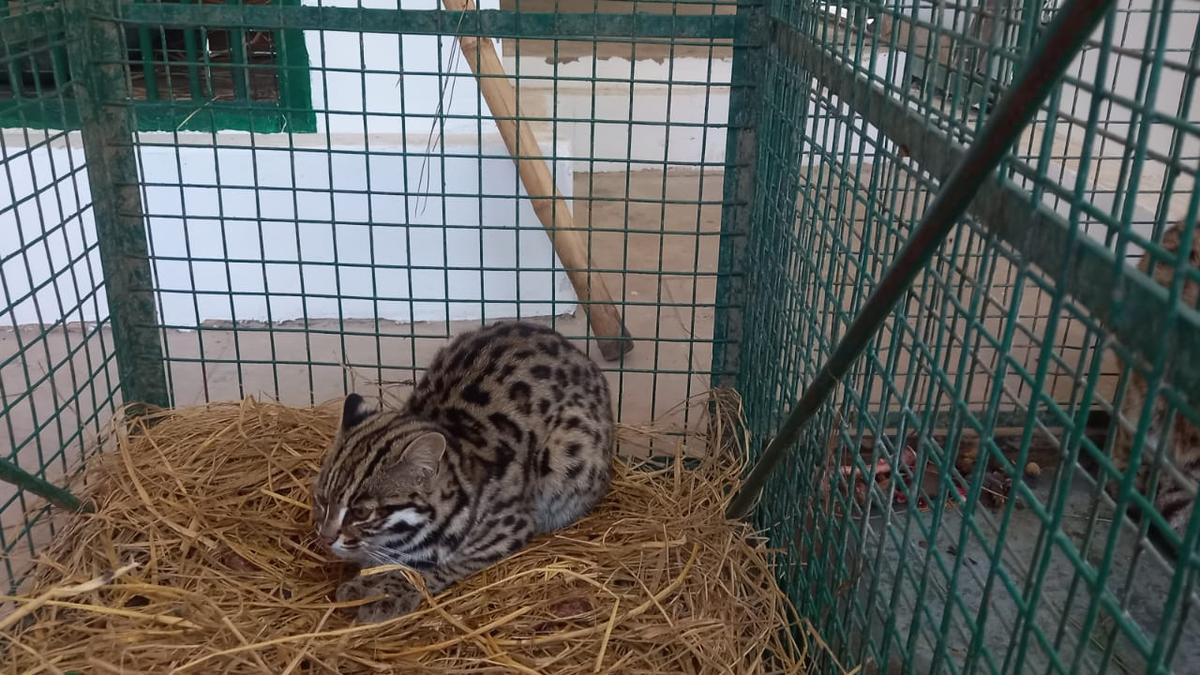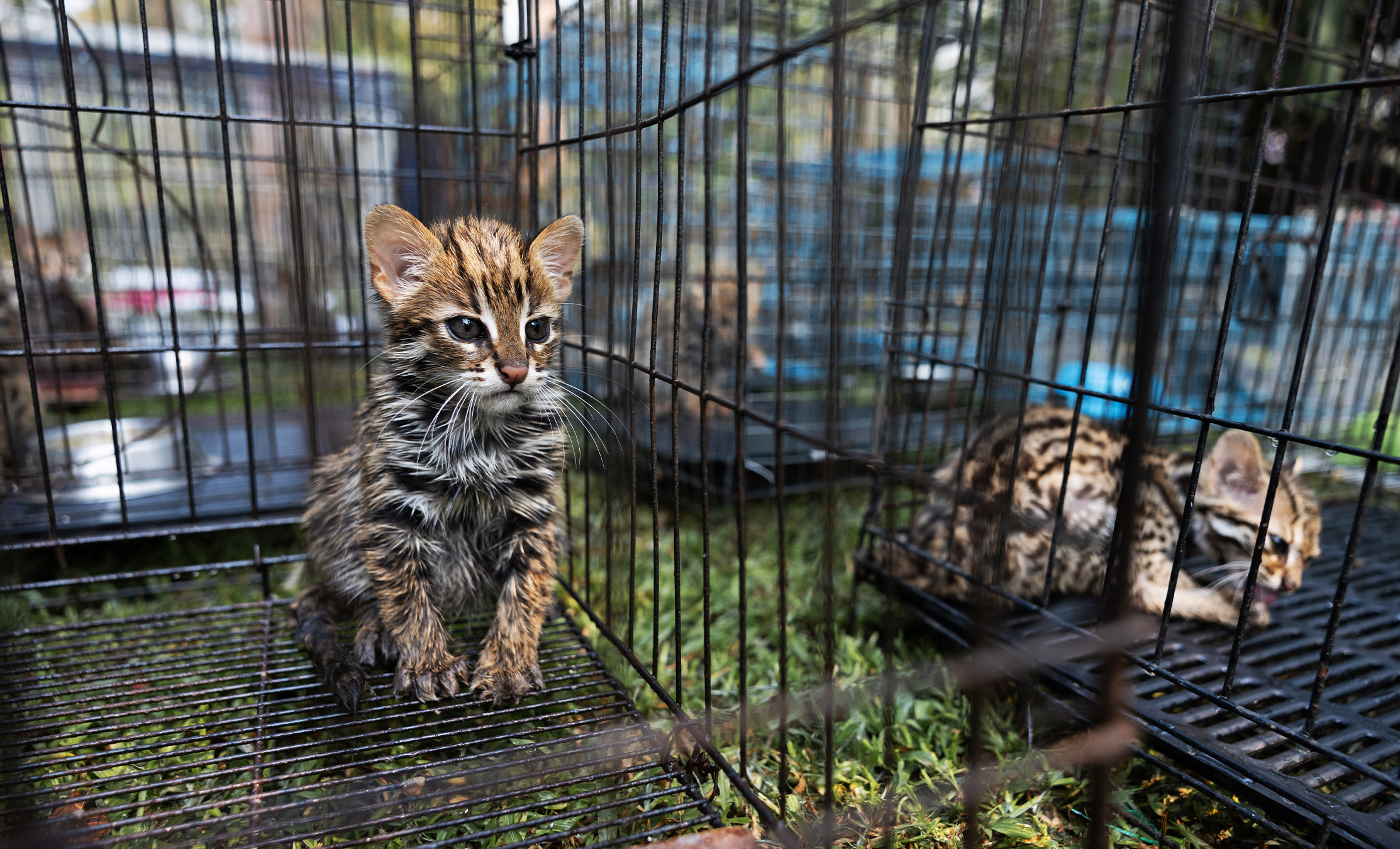
Every crop burning season, dozens of leopard cat cubs are admitted to a wildlife rescue center in northeastern Thailand as fires tear through the sugarcane plantations where the cats shelter and hunt.Since 2023, admissions have risen sharply, from around 10 per year to between 40 and 65, likely driven by a combination of habitat fragmentation, high fire activity and a higher number of rescues due to a wildlife hotline introduced in 2019.This season’s survival rate was around 80% — markedly higher than in previous years. Fewer cubs arrived with severe burns, possibly linked to recent government regulations on agricultural burning.But researchers say fires reflect a deeper problem: Habitat fragmentation and climate change are pushing leopard cats into agricultural landscapes where they face compounding threats, including not just fires but also human-wildlife conflict, disease and the illegal wildlife trade.
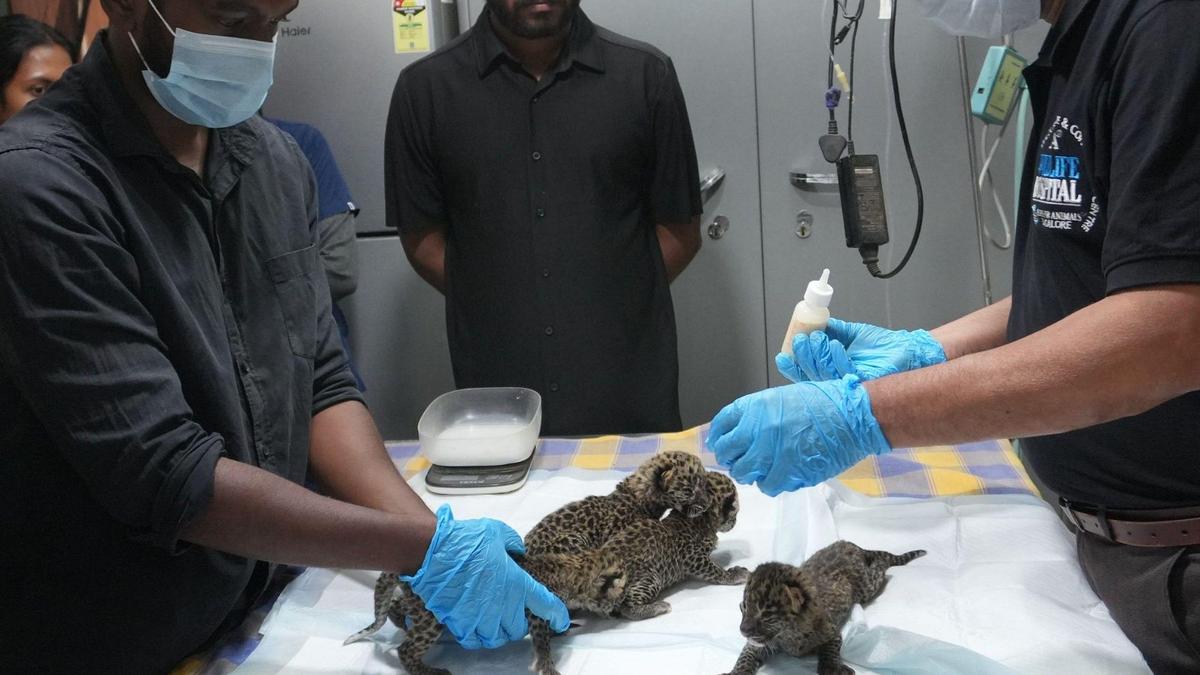
Nuntita Ruksachat, head veterinarian at the Khon Kaen wildlife rescue center in northeastern Thailand, holds up a feline cub no larger than her hand. Part of a litter rescued just days ago, the cub’s fur is patchy, revealing blistered skin underneath. Its whiskers, clearly singed, are short and stubby. “They were rescued from a burned sugarcane plantation,” she says. Behind her, cats pace inside rows of cages.