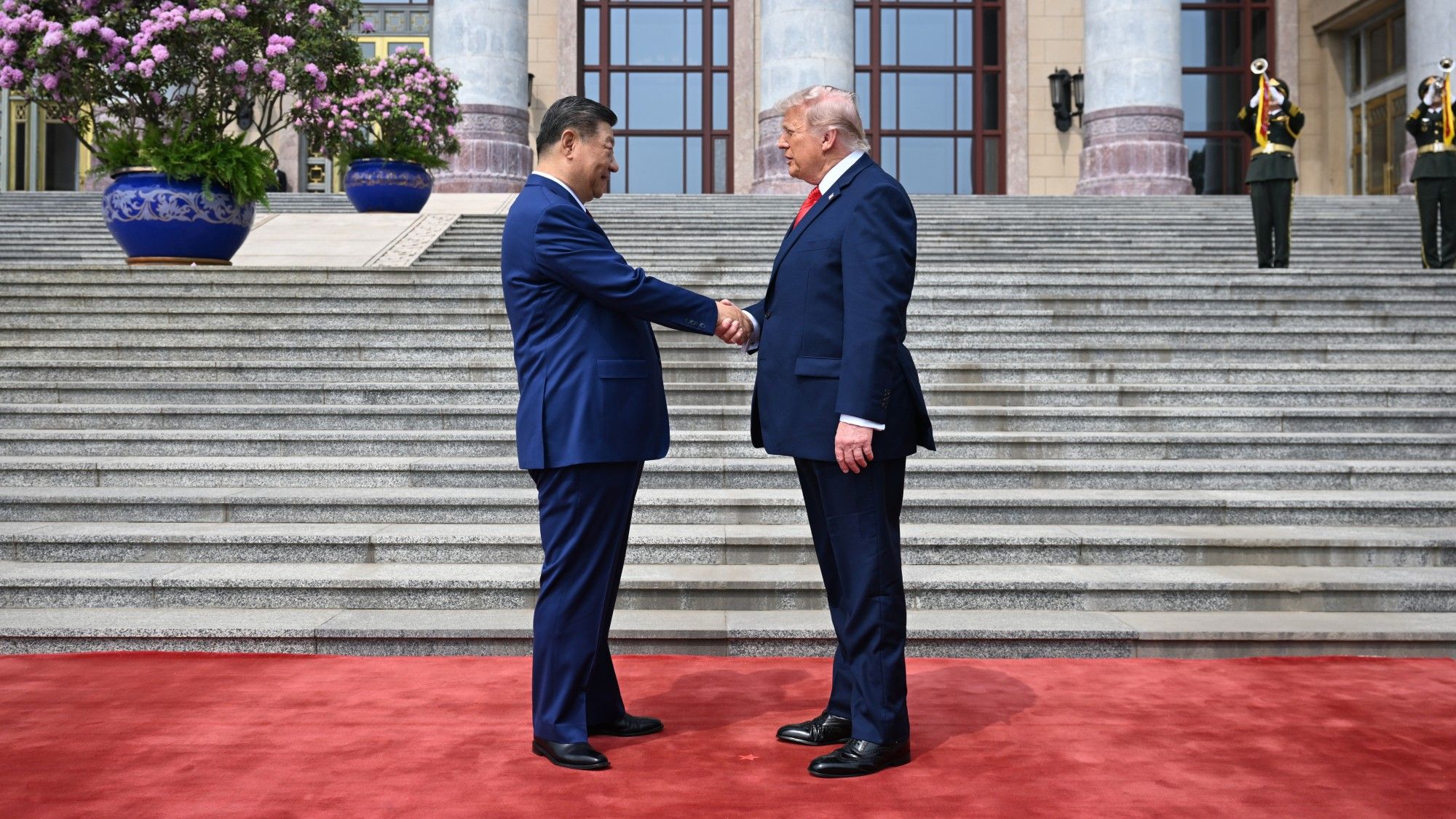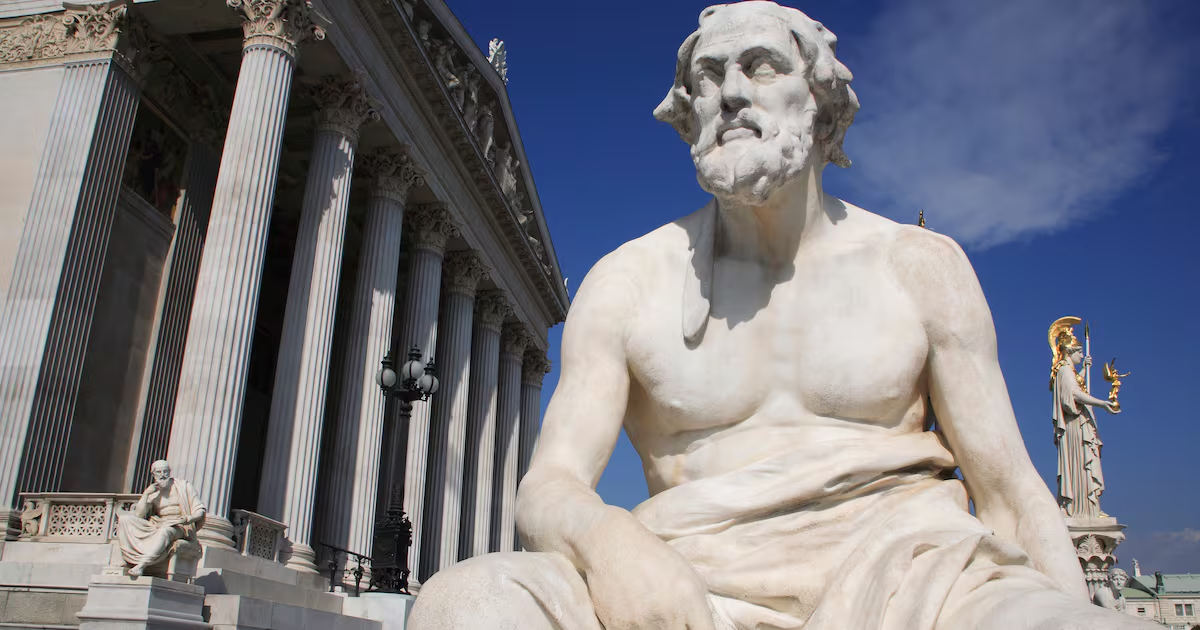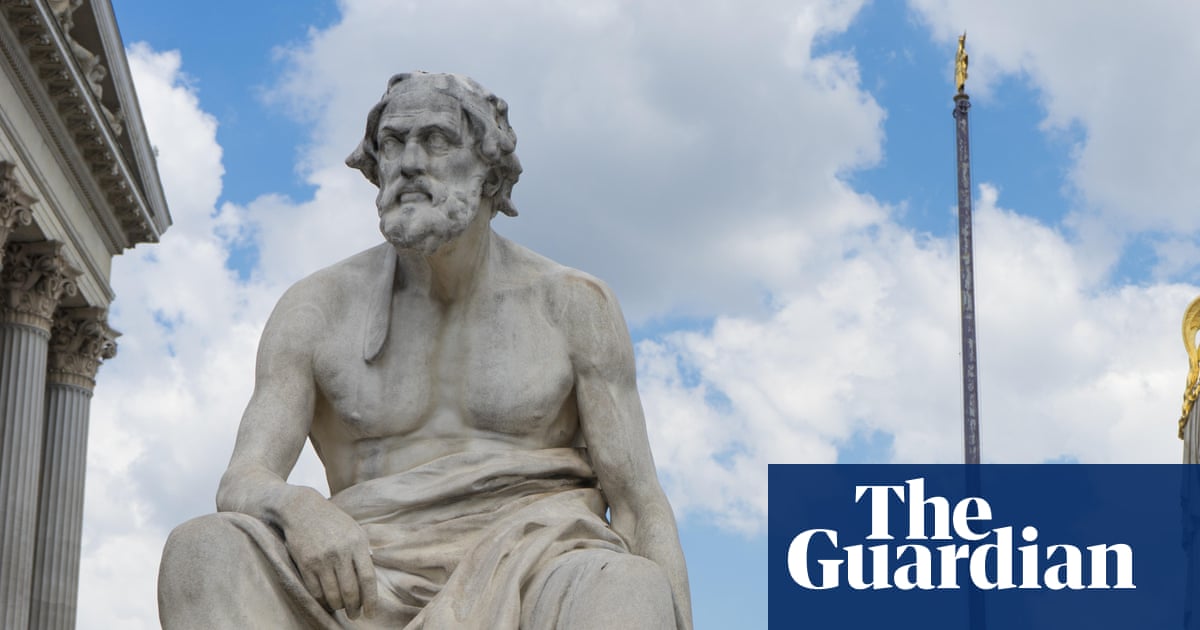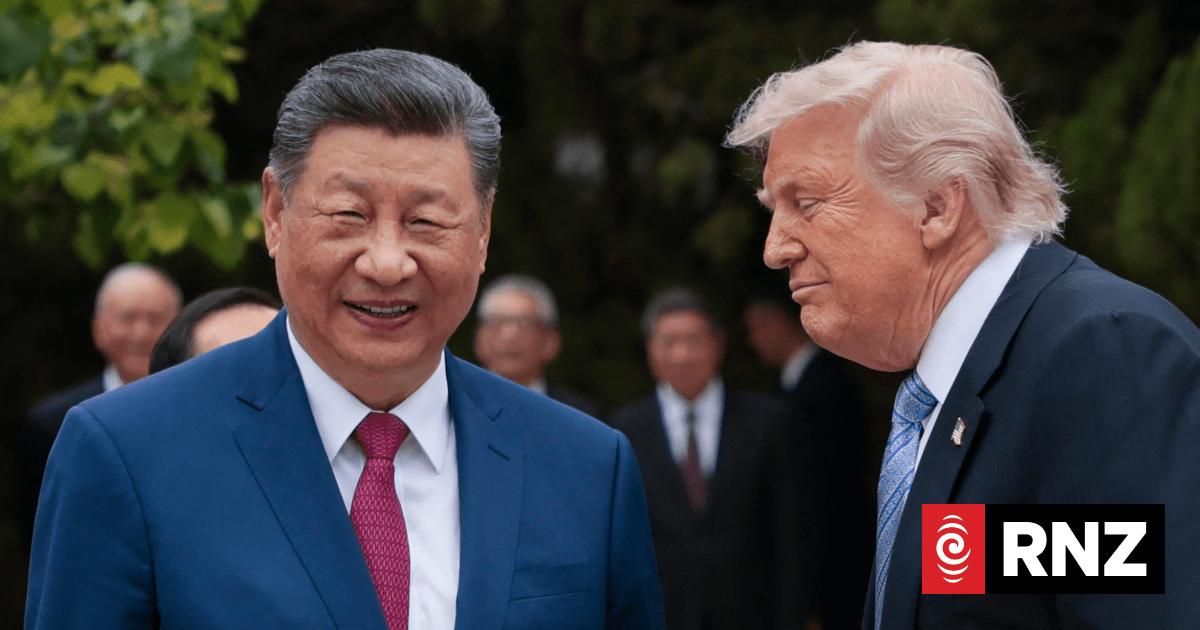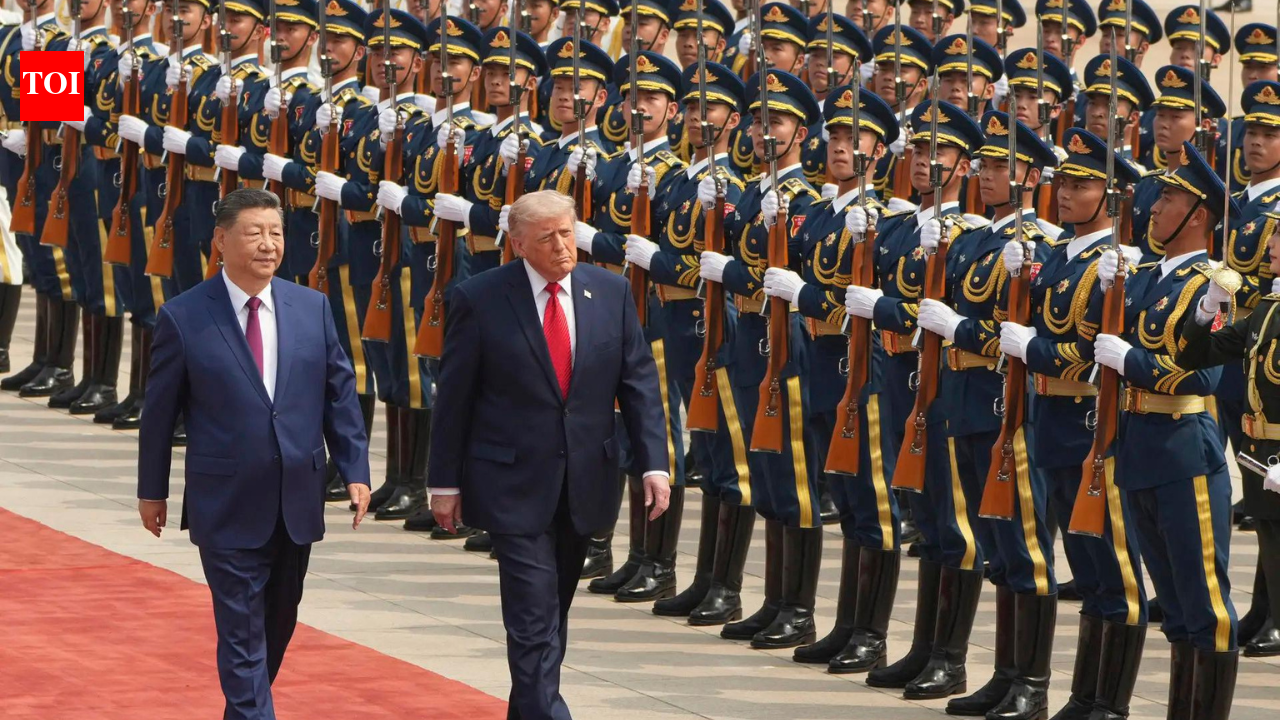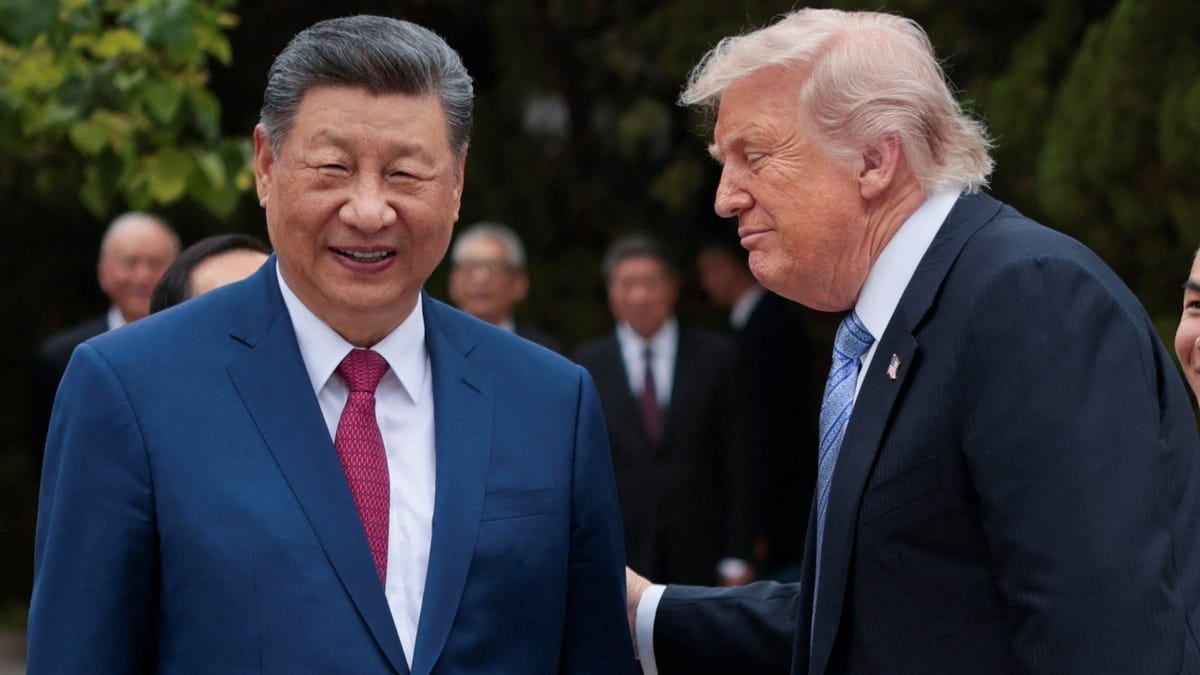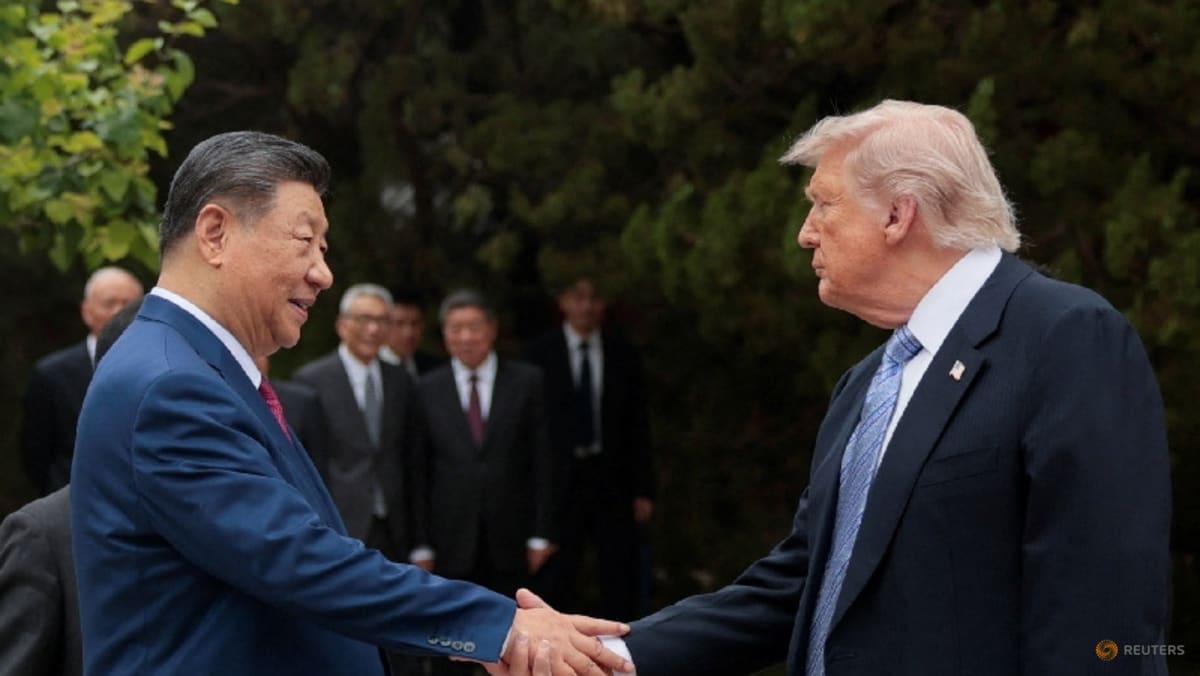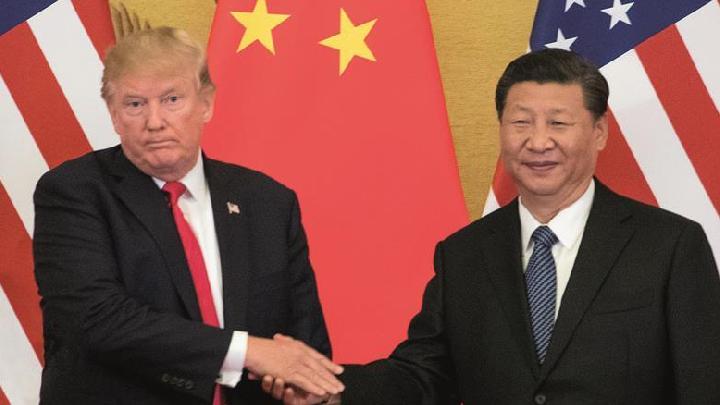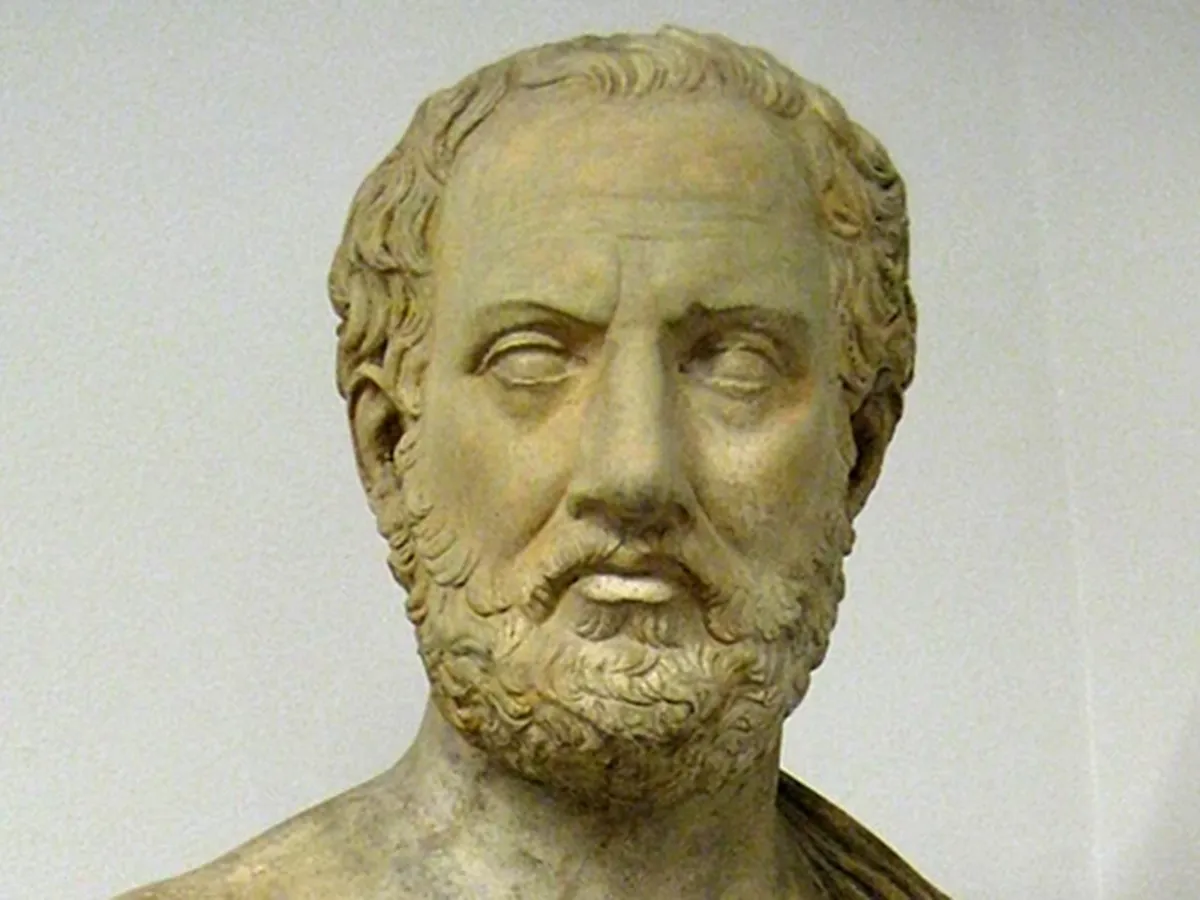
Skip to Content News Archives Economy Energy Oil & Gas Renewables Electric Vehicles Mining Commodities Agriculture Real Estate Mortgages Mortgage Rates Finance Banking Insurance Fintech Cryptocurrency Work Wealth Smart Money Wealth Management Investor Personal Finance Family Finance Retirement Taxes High Net Worth FP Comment Executive Women Puzzmo Newsletters Financial Times Business Essentials More Innovation Information Technology FP500 Podcasts Small Business Lives Told Tails Told Shopping Financial Post Store Obituaries Place a Notice Advertising Advertising With Us Advertising Solutions Postmedia Ad Manager Sponsorship Requests Classifieds Place a Classifieds ad Working Profile Settings My Subscriptions Saved Articles My Offers Newsletters Customer Service FAQ News Economy Energy Mining Real Estate Finance Work Wealth Investor FP Comment Executive Women Puzzmo Newsletters Financial Times Business Essentials HomeNewsWho was Thucydides, the ancient Greek general referenced by Carney and Xi?Thucydides is considered the ‘guiding light’ of political realism, the philosophy that states operate out of self-interest and the pursuit of power, not morals or ethics You can save this article by registering for free here. Or sign-in if you have an account.A plaster cast bust of the Athenian historian and general Thucydides made in the early 1900s based on a copy of an early 4th Century BCE Greek original. Photo by Shakko/Wikimedia CommonsDuring his summit with U.S. President Donald Trump in Beijing on Thursday, Chinese President Xi Jingping posed a question: “Can China and the United States transcend the so-called ‘Thucydides trap?’ and forge a new paradigm for major-power relations?” It was the second prominent reference to the ancient Greek general and historian made by a world leader this year, the first being by Prime Minister Mark Carney during his speech at Davos in January. So, why is Thucydides having a political moment, and what makes his writing relevant today?Subscribe now to read the latest news in your city and across Canada.Exclusive articles from Barbara Shecter, Joe O'Connor, Gabriel Friedman, and others.Daily content from Financial Times, the world's leading global business publication.Unlimited online access to read articles from Financial Post, National Post and 15 news sites across Canada with one account.National Post ePaper, an electronic replica of the print edition to view on any device, share and comment on.Daily puzzles, including the New York Times Crossword.Subscribe now to read the latest news in your city and across Canada.Exclusive articles from Barbara Shecter, Joe O'Connor, Gabriel Friedman and others.Daily content from Financial Times, the world's leading global business publication.Unlimited online access to read articles from Financial Post, National Post and 15 news sites across Canada with one account.National Post ePaper, an electronic replica of the print edition to view on any device, share and comment on.Daily puzzles, including the New York Times Crossword.Create an account or sign in to continue with your reading experience.Access articles from across Canada with one account.Share your thoughts and join the conversation in the comments.Enjoy additional articles per month.Get email updates from your favourite authors.Create an account or sign in to continue with your reading experience.Access articles from across Canada with one accountShare your thoughts and join the conversation in the commentsEnjoy additional articles per monthGet email updates from your favourite authorsSign In or Create an AccountorBreaking business news, incisive views, must-reads and market signals. Weekdays by 9 a.m.By signing up you consent to receive the above newsletter from Postmedia Network Inc.A welcome email is on its way. If you don't see it, please check your junk folder.The next issue of Posthaste will soon be in your inbox.We encountered an issue signing you up. Please try againThucydides was a Greek general and historian known for penning the “History of the Peloponnesian War,” an account of the conflict between Sparta and Athens — the two dominant powers of Ancient Greece — that lasted from 431 to 404 BCE.As a general during the early part of the war, Thucydides was an eyewitness to many events and his writing stands out for being more of a “logical analysis” compared to other writing from the time that leaned on storytelling and mythology, said Michael Carter, a professor in the department of classics and archaeology at Brock University in St. Catharines, Ont.“It’s very rational, almost scientific in a way,” said Carter. “And in many ways, I would say he’s the first real modern Western historian.”While the “History of the Peloponnesian War” is considered a foundational work, the man who wrote it is more mysterious. What little is known about Thucydides’ personal life is in his book and, for reasons unknown, his account of the war ends mid-sentence in 411 BCE.During the summit on Thursday, President Xi posed a series of questions to President Trump about future relations between their two countries, including the one referencing the ‘Thucydides trap.’The term ‘Thucydides trap’ was popularized by political scientist Graham Allison in “Destined for War,” his 2017 book about China–U.S. relations. It the idea that conflict is the likely outcome when a rising power threatens to challenge a ruling one (in the 16 historical examples Allison cites, only four avoid it).The theory is derived from a line in the “History of the Peloponnesian War”: “It was the rise of Athens and the fear that this instilled in Sparta that made war inevitable,” according to a common translation.“That’s what Graham Allison’s argument is, that the United States is the hegemon or the leader of the world and then there’s China as a rapidly rising power,” Carter said. “And at one point, something is going to happen and there’s going to be a break.”In response to his own questions, Xi said the two leaders would have to answer them together.In his speech to the World Economic Forum in Davos in January, Carney also referenced a Thucydides quote.“It seems that every day we’re reminded that we live in an era of great power rivalry, that the rules-based order is fading, that the strong can do what they can, and the weak must suffer what they must,” Carney said in his remarks.The line about the strong and weak comes from the Melian dialogue portion of Thucydides’ book and describes the Athenians’ capture of the strategically important island of Melos.In discussions between the two sides’ leaders, Carter said the Melians’ arguments for why it was unjust to attack an independent state centered around ethics, morality and justice. This didn’t sway their invaders — when the Melians resisted, the Athenians killed all the men and enslaved the women and children.“What the Athenians are saying to the Melians at this point is, ‘it’s nothing personal. We’re stronger than you and big fish eat little fish, and if you don’t put on your big boy pants and join our empire, we’ll destroy you,’” Carter said.Carter said Thucydides is considered the “guiding light” of political realism, the philosophy that states operate out of self-interest and the pursuit of power, not morals or ethics.In his Davos speech, Carney said Thucydides’ aphorism about the strong and the weak is presented as “inevitable” or the “natural logic” of international relations. But compliance won’t buy safety, he said, urging middle power countries to build strategic autonomy and stating that Canada would pursue a “values-based realism” approach to foreign policy.Carter said Thucydides’ quote is sometimes misunderstood as an endorsement rather than a historian’s observation about the attitude that led to the decline of a great city-state, which was ultimately defeated by Sparta.“I think what Thucydides is describing here is the tragedy of Athens and the foreshadowing of the destruction of Athens,” he said.Carter said the conflict between Sparta and Athens endures as a template for the theory of clashes between great powers because it represents a key theme that historians see repeated: a dominant power challenged by a rising one.“The remarkable thing is Thucydides knew that, because he understood human nature,” said Carter. “And that’s one of the very first things he says in the book is that, ‘I’m writing this as an example, for all time, because people don’t change, and this will happen again.’” Join the Conversation This website uses cookies to personalize your content (including ads), and allows us to analyze our traffic. Read more about cookies here. By continuing to use our site, you agree to our Terms of Use and Privacy Policy.
Who was Thucydides, the ancient Greek general referenced by Carney and Xi?
Thucydides is a “guiding light” of political realism — operating out of self-interest and the pursuit of power, not morals or ethics.
1,362 words~6 min read