A
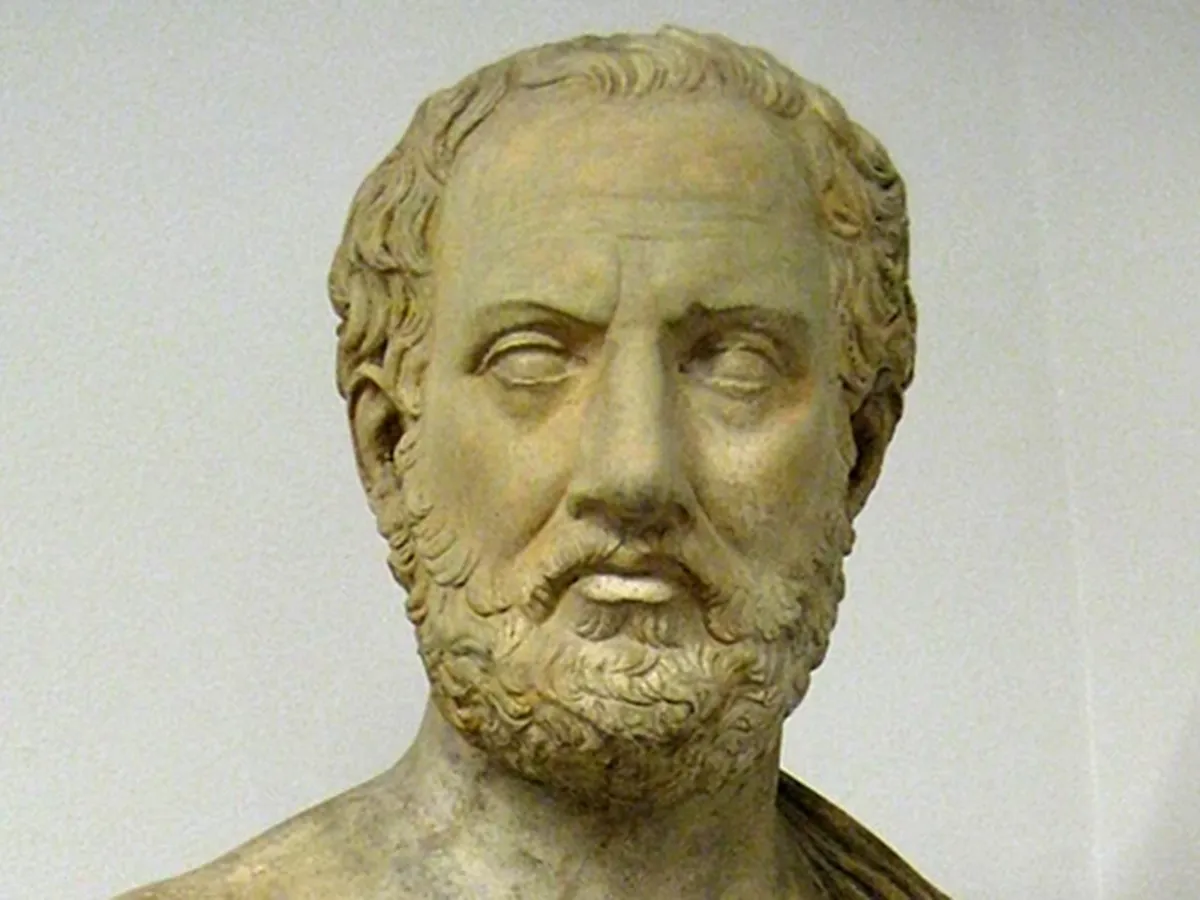
t the start of the History of the Peloponnesian War, the Athenian historian Thucydides [460-395 BCE] declares that his account would be "a possession for all time." It turns out this was not an empty boast. Thucydides' history launched a thousand commentaries. For more than two millennia, scholars and strategists have raked over this text, the former finding the material to build theories of international relations and power dynamics, the latter a manual for winning (and losing) wars.
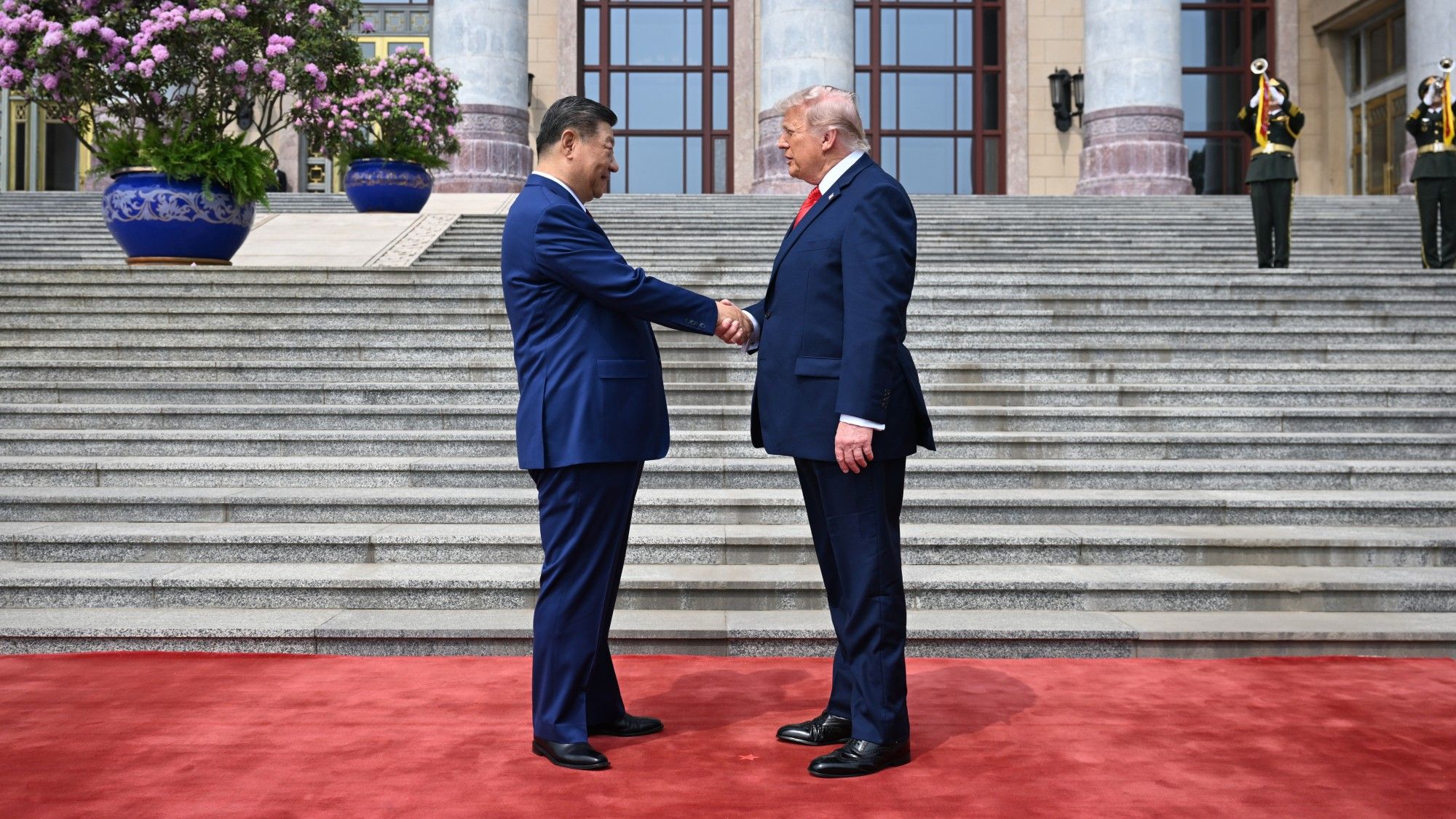
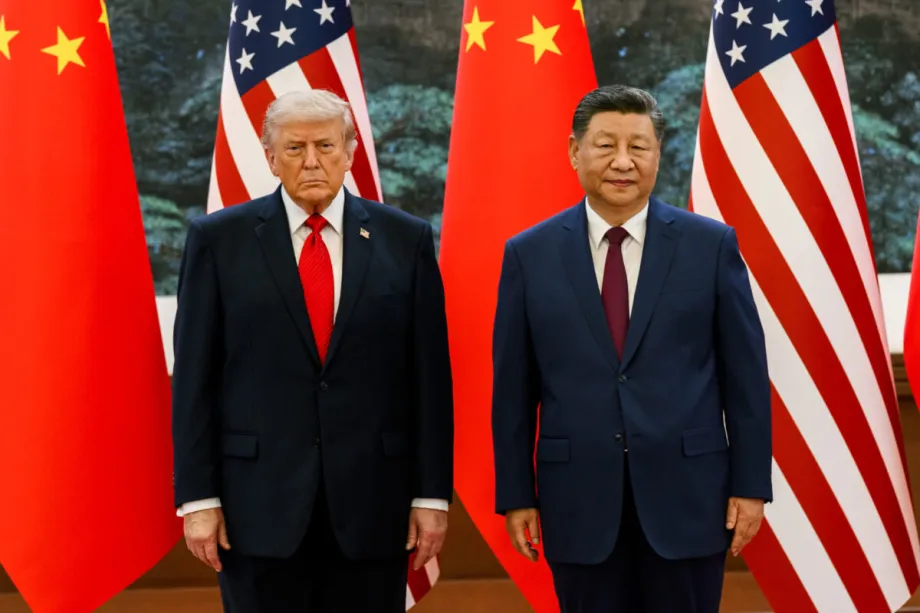
Yet more commentaries have now been launched by a remarkable speech given by the Canadian Prime Minister, Mark Carney, at Davos. Carney observed that a great rupture had occurred, one wrought in the postwar liberal and democratic order by Donald Trump’s brutally transactional attitude towards traditional allies of the United States.
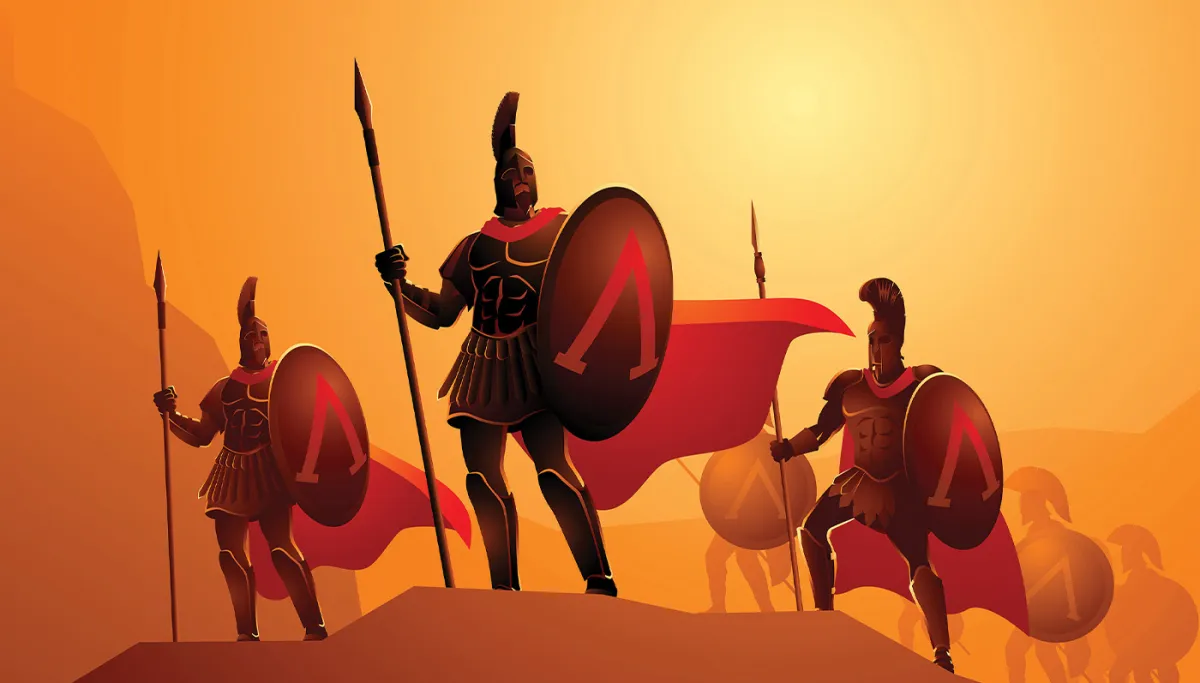
Tellingly, he never mentioned the US by name, but he did repeatedly pronounce the word "hegemon," the same term Thucydides uses for both Sparta and Athens. But Carney goes further: He cites one of the most famous lines from Thucydides' account – "The strong do what they can and the weak suffer what they must." However, the Canadian prime minister said nothing about the events that, in the History of the Peloponnesian War, immediately follow the dialogue in which this line appears.