The American worker is on a productivity tear and it may have more to do with a surge in working from home than the effects of AI, according to a Stanford economist.
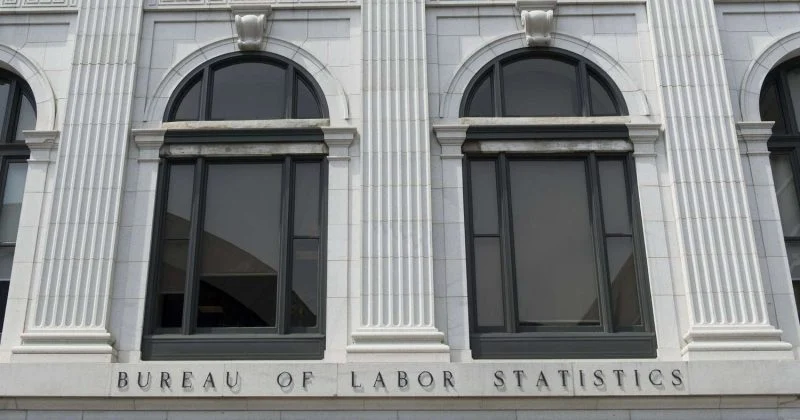
For the past five years, the output for non-farm businesses has increased by a sizable 2% per year, The Economist reported citing statistics from the Bureau of Labor Statistics. This is a marked increase from the 1% productivity growth per year that defined most of the 2010s, and a trend that has taken even Federal Reserve Chairman Jerome Powell by surprise.
“I never thought I’d see this many years of really high productivity,” Powell said in a March press conference.
Yet, while the hype around AI over the past several years makes it a logical candidate for the main driver behind the productivity boom, Nicholas Bloom, a Stanford economics professor who is known for explaining the Great Resignation of the early 2020s, says it’s more likely work-from-home policies since the pandemic are fueling the trend.
In trials, researchers found working from home has led to increased productivity because workers are saving time on commuting and general office time wasting. Bloom wrote in a post on LinkedIn earlier this week that working from home supports business creation and increases the labor supply by allowing more people to participate in the workforce.