Jan-Emmanuel De Neve is Professor of Economics and Behavioural Science at the University of Oxford, where he also directs the Wellbeing Research Centre. De Neve co-authored the main textbook on wellbeing science, is an editor of the World Happiness Report, and much of his recent research is compiled in Why Workplace Wellbeing Matters: The Science Behind Employee Happiness and Organizational Performance (HBR, 2025).
Why Companies That Choose AI Augmentation Over Automation May Win in the Long Run
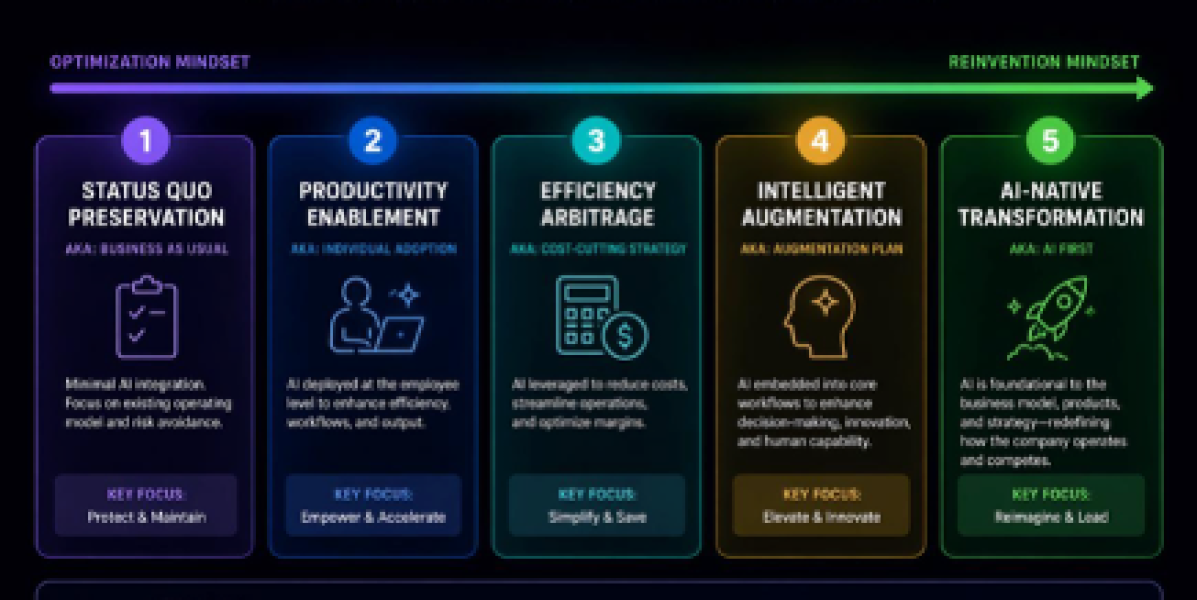
Leaders are making a choice with their AI strategy: Are they primarily seeking to improve the bottom line through automation and headcount reduction, or grow the top line in innovative ways through augmentation? As they make this decision, leaders are underestimating how employee perception—and the predictable behavioral dynamics that follow—will determine the success of their AI strategy. While automation strategies will likely show early gains relative to the deeper investment required for augmentation, but that augmentation will likely perform better in the long run. That’s because while automation offers immediate cost-savings, a company’s long-term success is determined by how people feel about their work, whether they meaningfully engage with new tools, and whether top talent stays.
63 words~1 min read