Regional differences
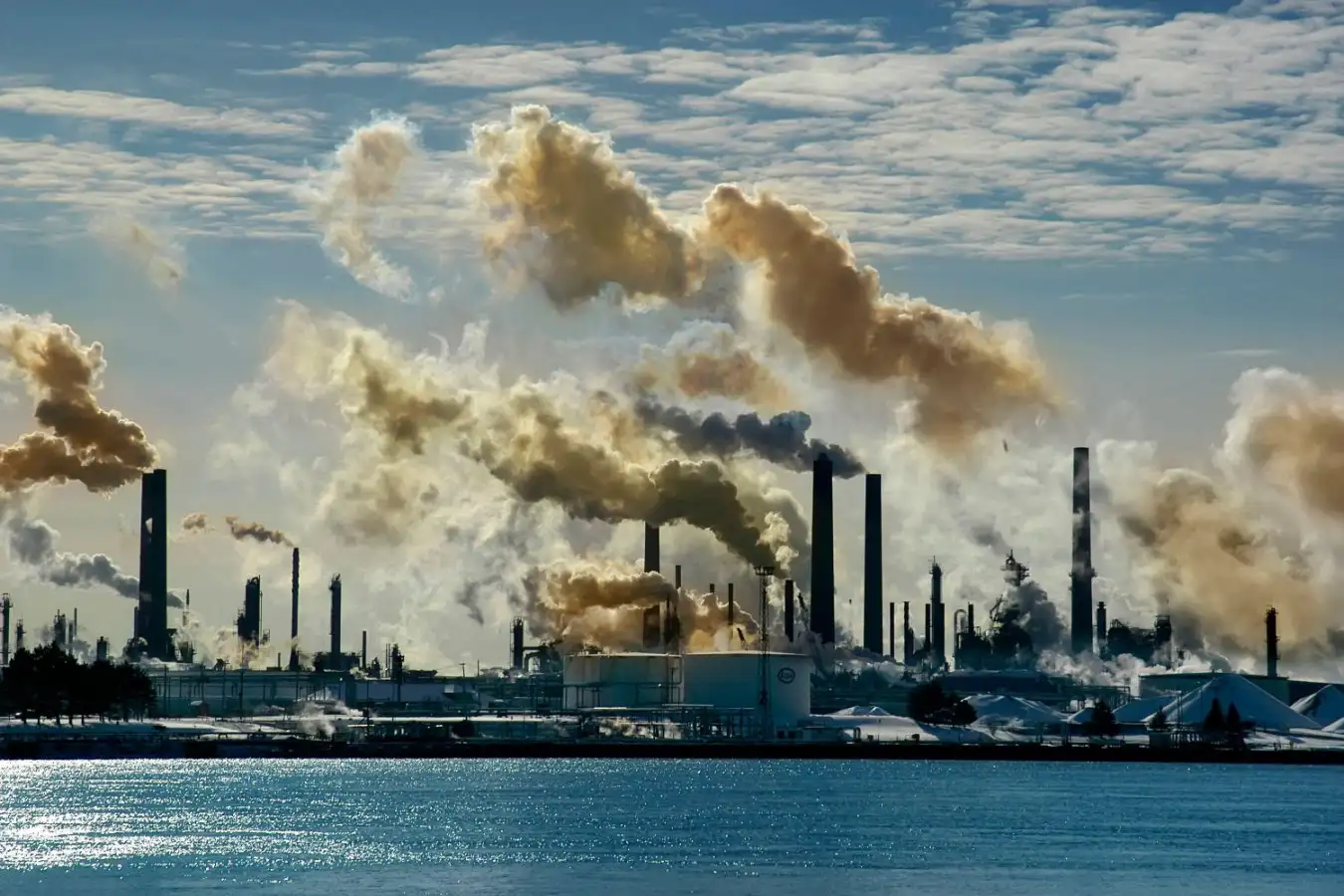
The researchers note that aerosols can also contribute to cloud formation, which also causes further losses. But the degree of that contribution is much harder to estimate, so the researchers focus on aerosols for much of the analysis. Some of those aerosols occur naturally, typically from dust kicked up by winds in desert regions. However, despite deserts’ reputation as sunny paradises, the world as a whole hasn’t built much solar infrastructure in the desert yet, so this isn’t as much of a factor as you might expect.
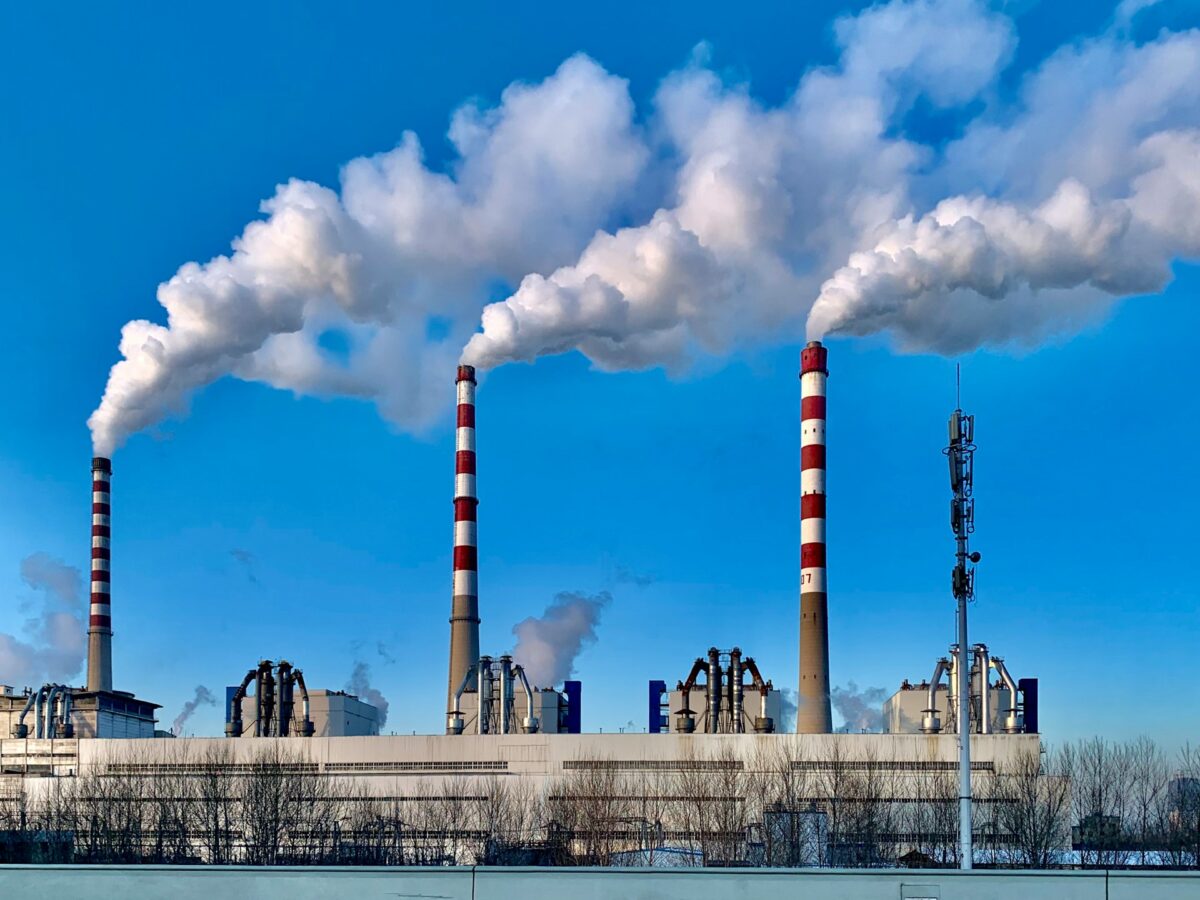
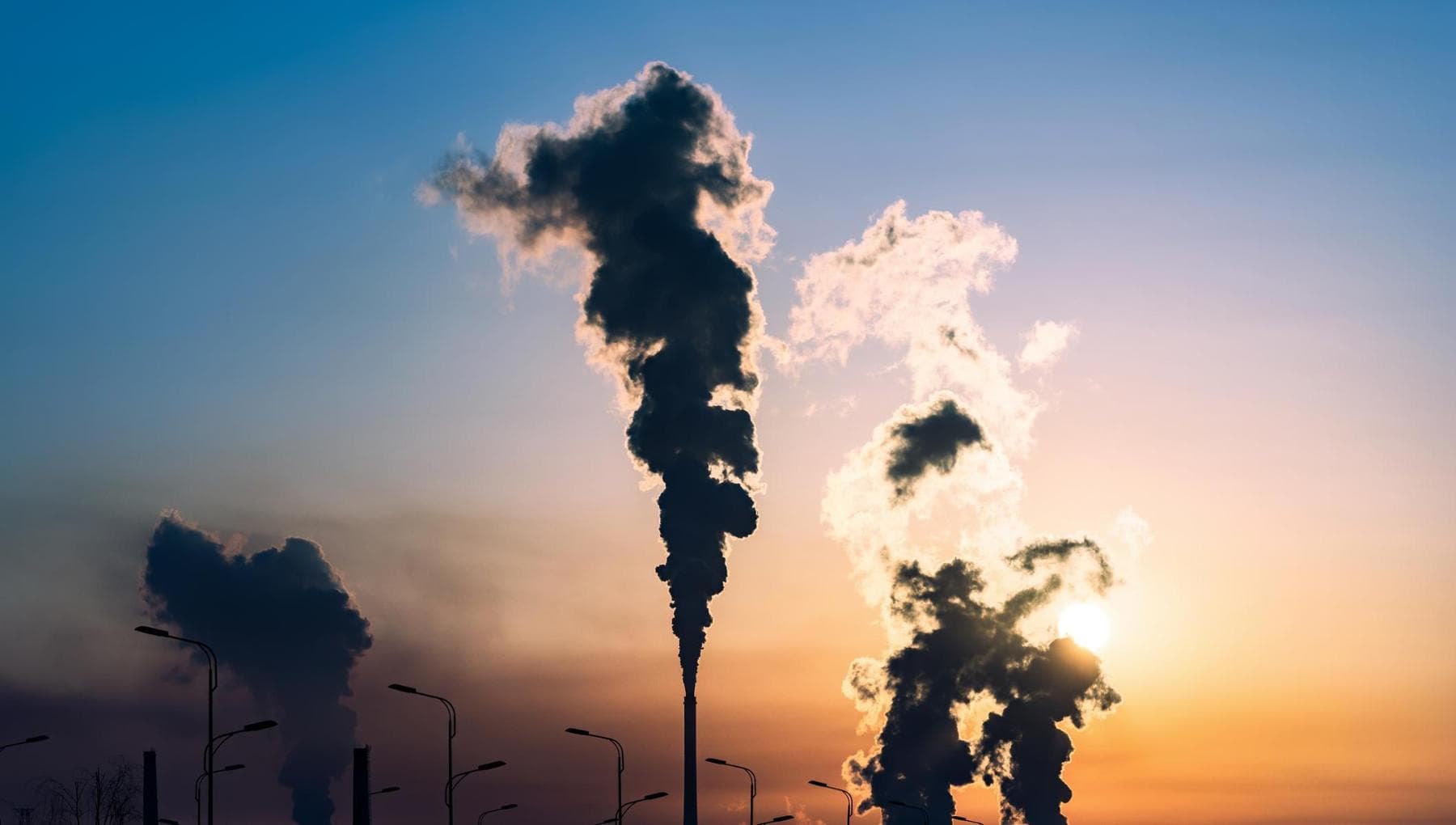
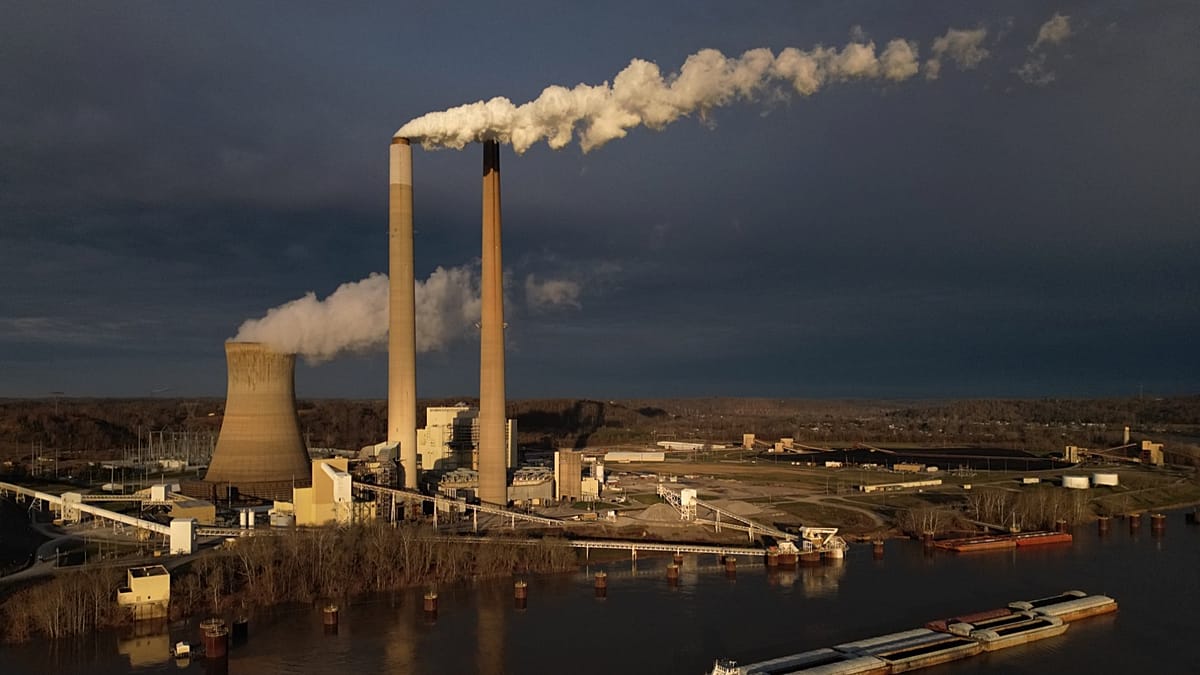
Coal appears to be a major contributor. It’s estimated that sulfur dioxide aerosols, primarily produced through coal burning, account for nearly half of the aerosols analyzed here. Carbon-rich material, which also typically comes from fossil fuels, accounts for another 18 percent.
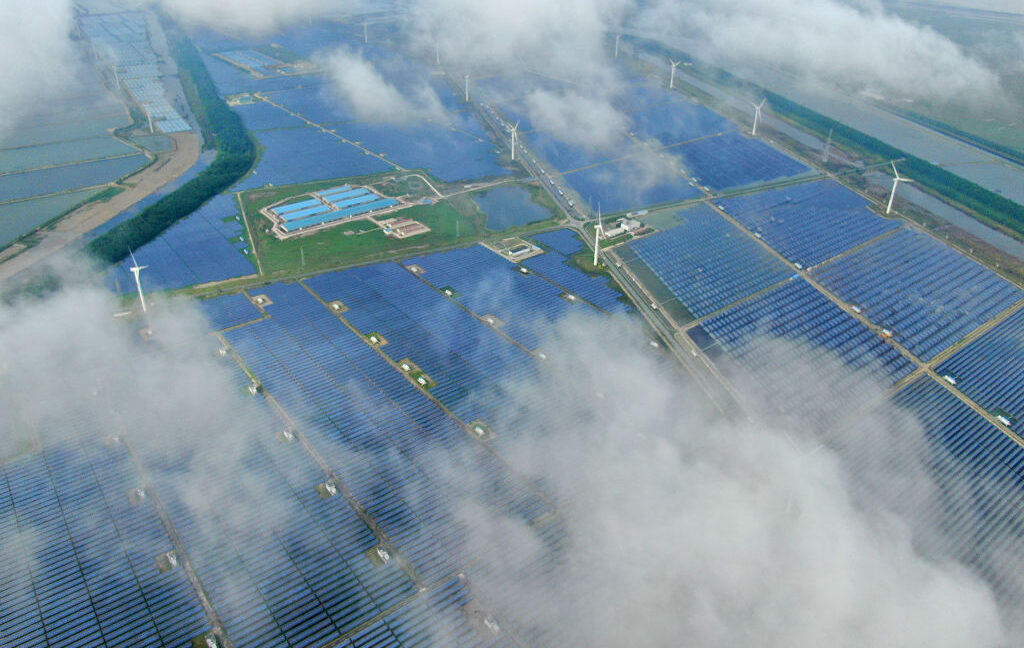
The impact of aerosols, however, is not evenly distributed. In China, the researchers estimated that aerosols were reducing solar production by 7.7 percent overall and offsetting anywhere from a third to half of its annual growth. The researchers note that “the spatial distribution of photovoltaic losses in China mirrors that of its coal-fired power capacity,” and an analysis of pollution data from China shows that 30 percent of the losses due to aerosols can be attributed to coal burning.