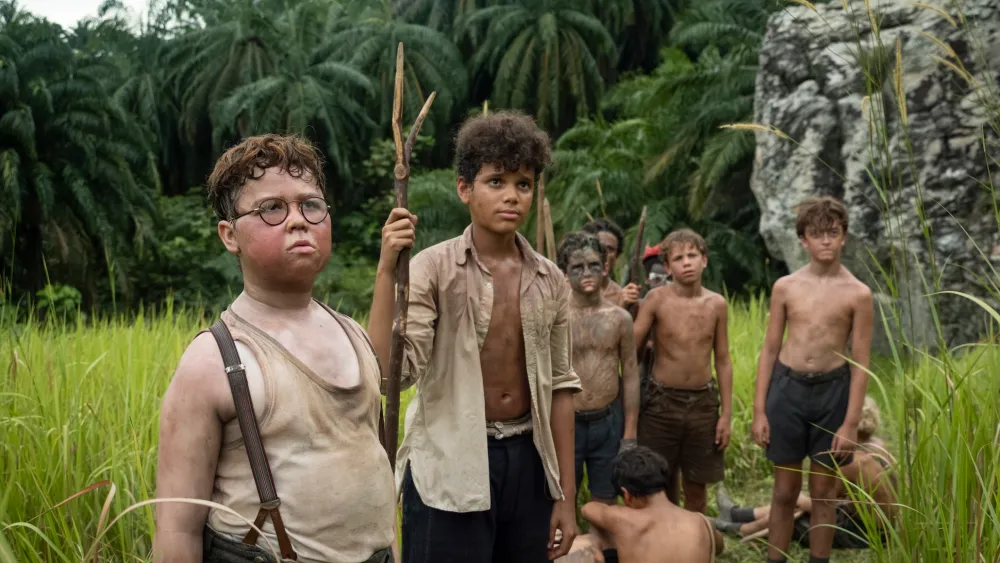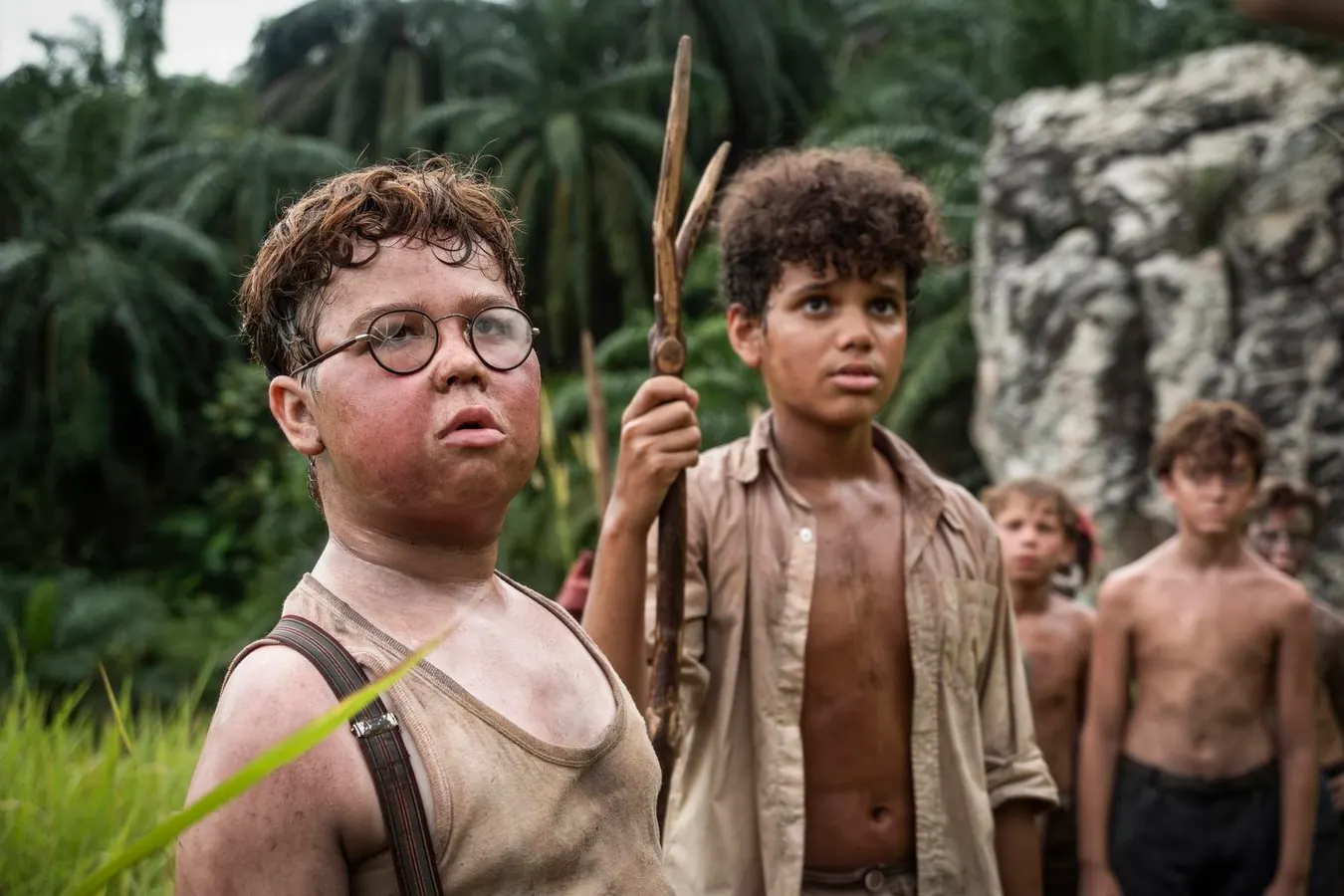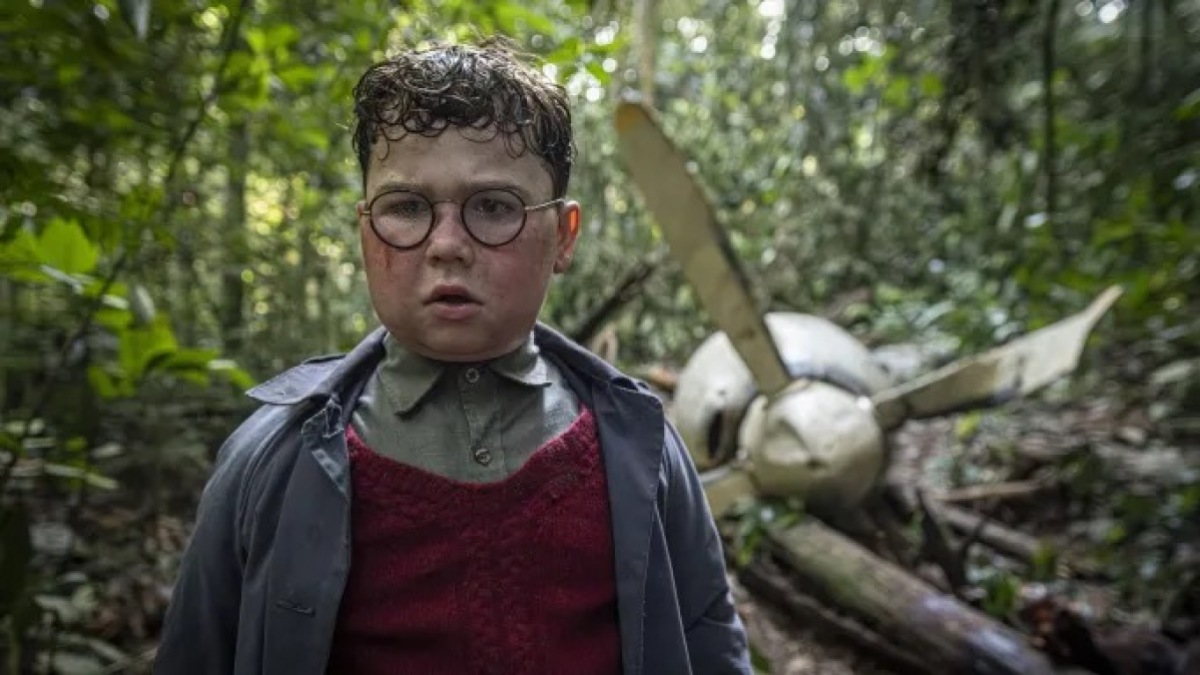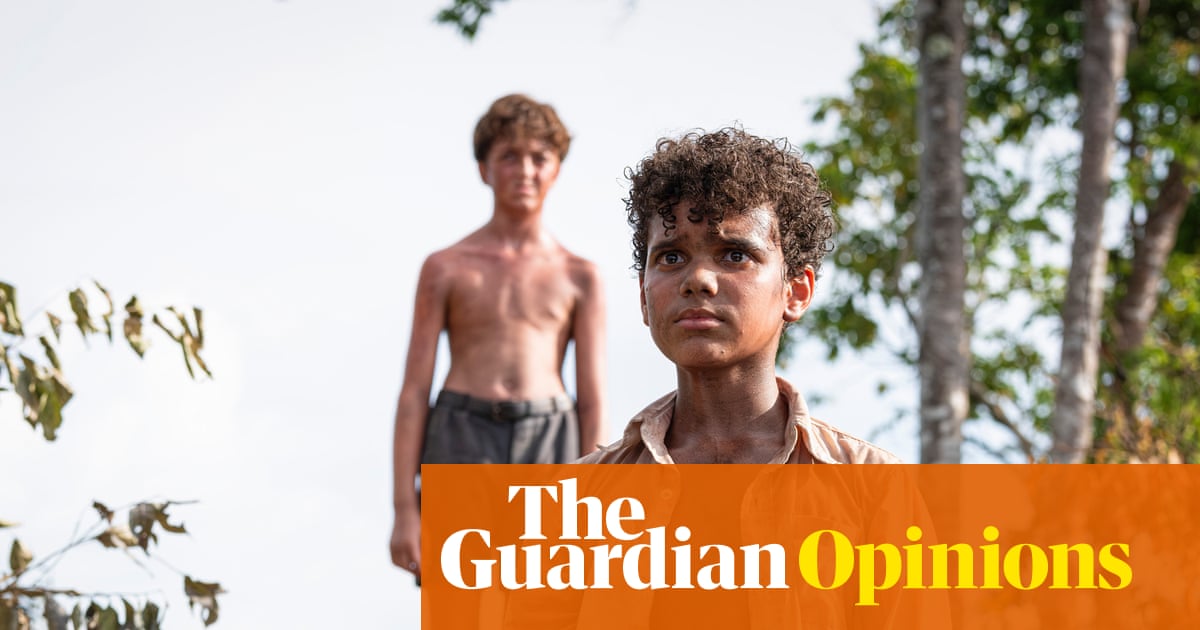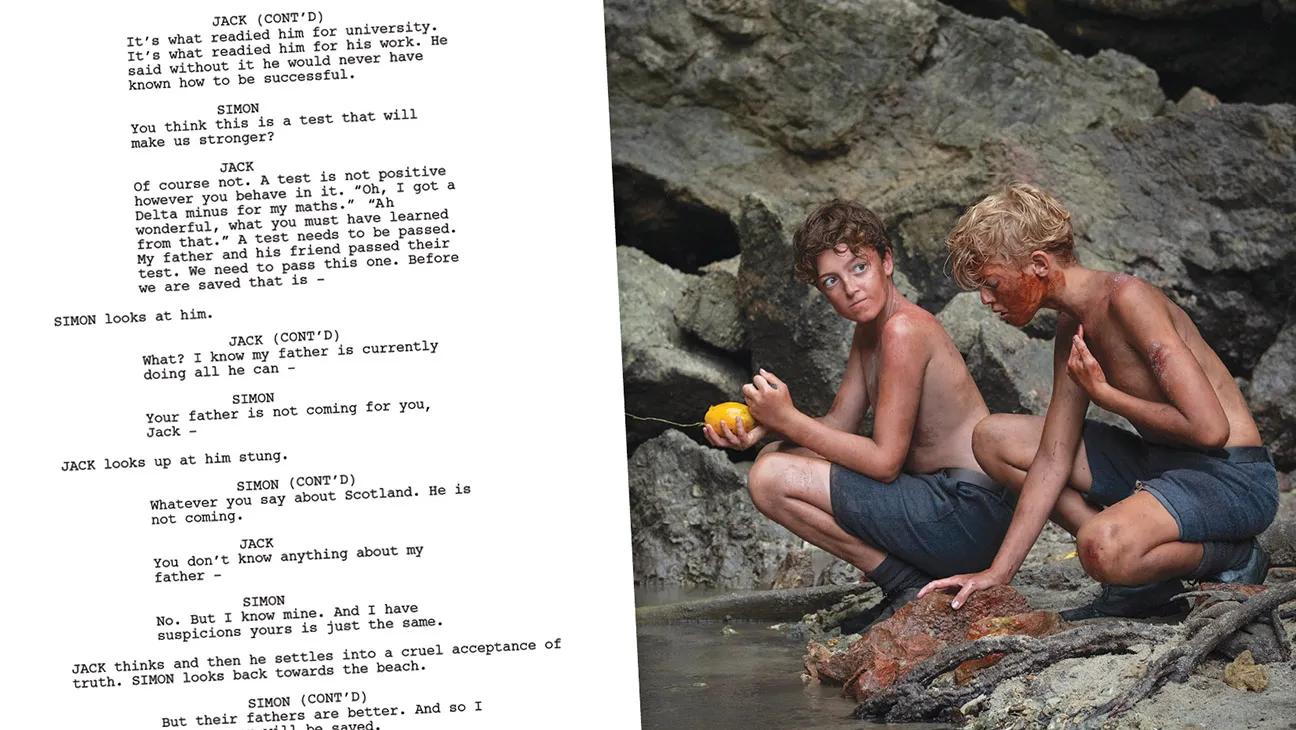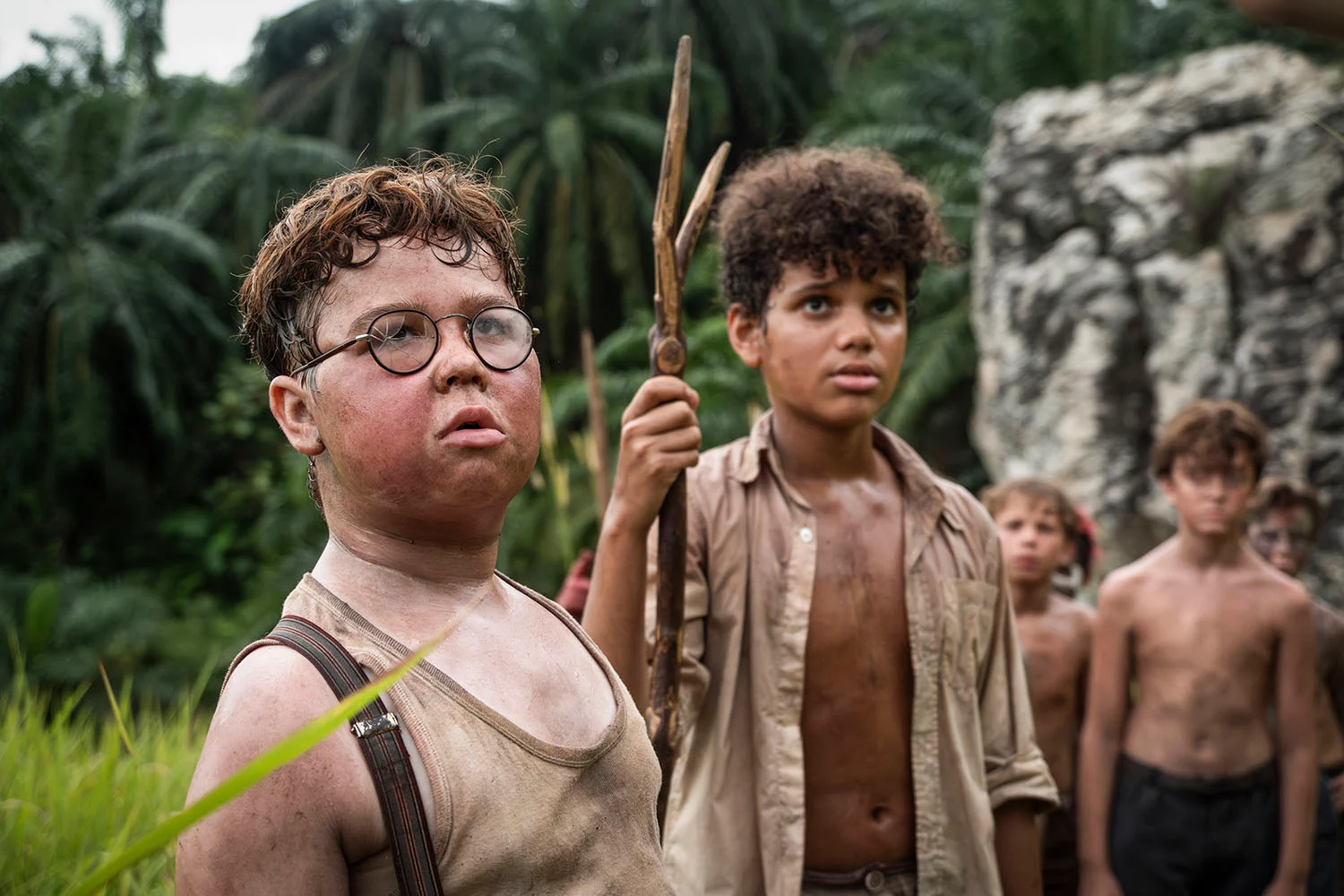
In North America right now, Netflix has the conch.
The phrase “lord of the flies” has been deployed by hacky comedians to describe brutal, survival-of-the-fittest violence for so long it’s almost lost its power. (I can’t remember who said it, but the description of the group dressing room at Loehmann’s department store as “Lord of the Flies in pantyhose” sure brought the house down for my grandmother and her friends.) The BBC’s new, robust adaptation of William Golding’s book reclaims the title’s urgency.
Created and written by Jack Thorne and presented in four hour-long episodes on Netflix in the United States, it is a terrific work that expands the original text in ways that range from thought-provoking to quite brilliant. And while there’s never been a period when this tale of what Theodore Dalrymple has called “the fragility of goodness” hasn’t been relevant, with current world leaders growing more frank in their bullying, there’s no better time than now to revisit the uninhabited, fruit-and-pig rich island that quickly turns from paradise to hell for a group of stranded English schoolboys.
If it’s been a while since you picked up the 1954 novel that quickly became enmeshed in school curricula, it functions as both a grand metaphor for the darkness of human existence as well as a ripping good yarn—which is precisely what Golding had in mind. As a schoolteacher in the early 1950s, the World War II veteran and scholar of Greek literature was annoyed by adventure stories like R. M. Ballantyne’s Coral Island, a popular castaway adventure. He had witnessed unspeakable horrors in combat but also had few illusions about the way boys—even supposedly well-heeled boys—really behaved. (Having once been a boy myself, I can confirm that the on-off switch of group behavior when an adult is around is not dissimilar from the menagerie of toys when a human steps into—or out of—the room in Toy Story.)