William Golding’s classic tale is about civilisation, ‘savagery’ and empire – can a a colour-blind cast do that justice?
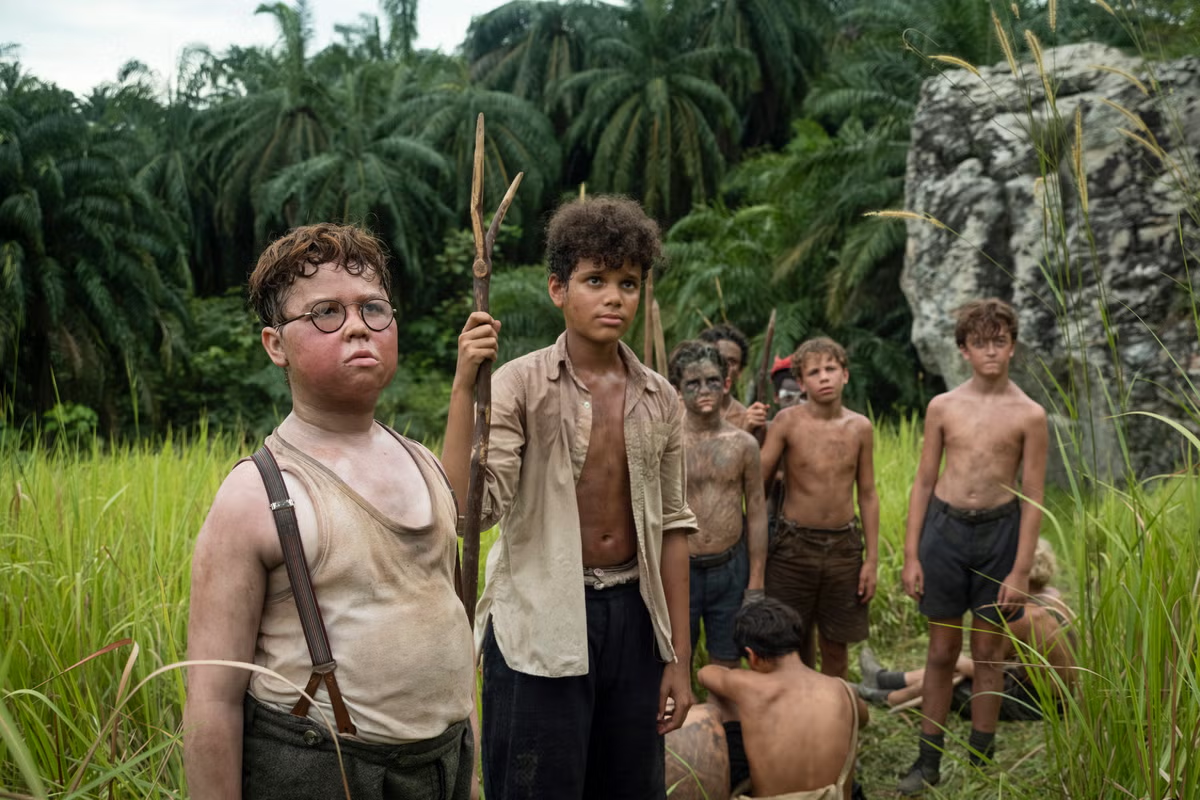
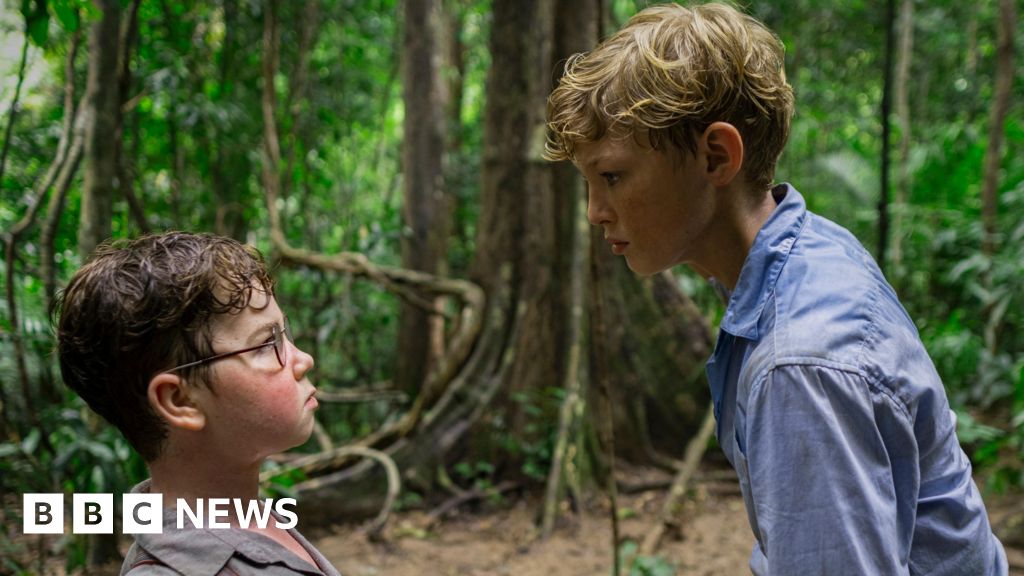
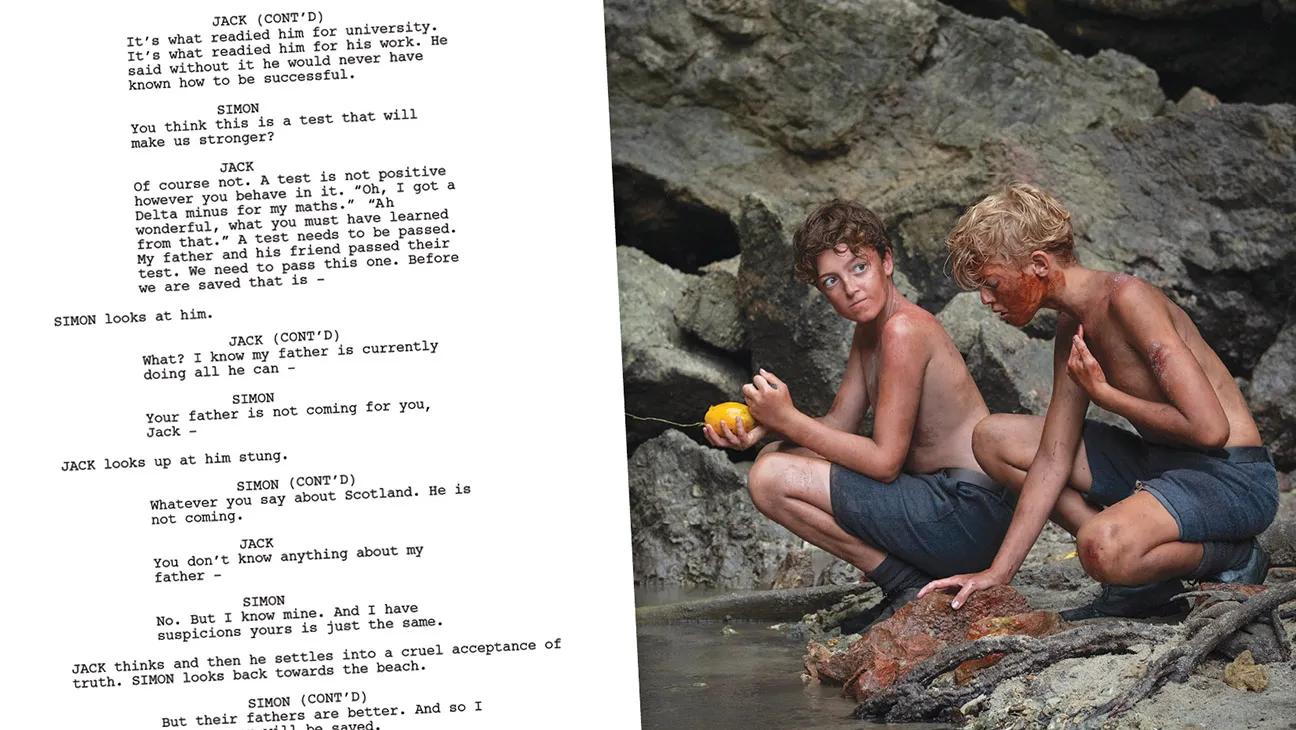
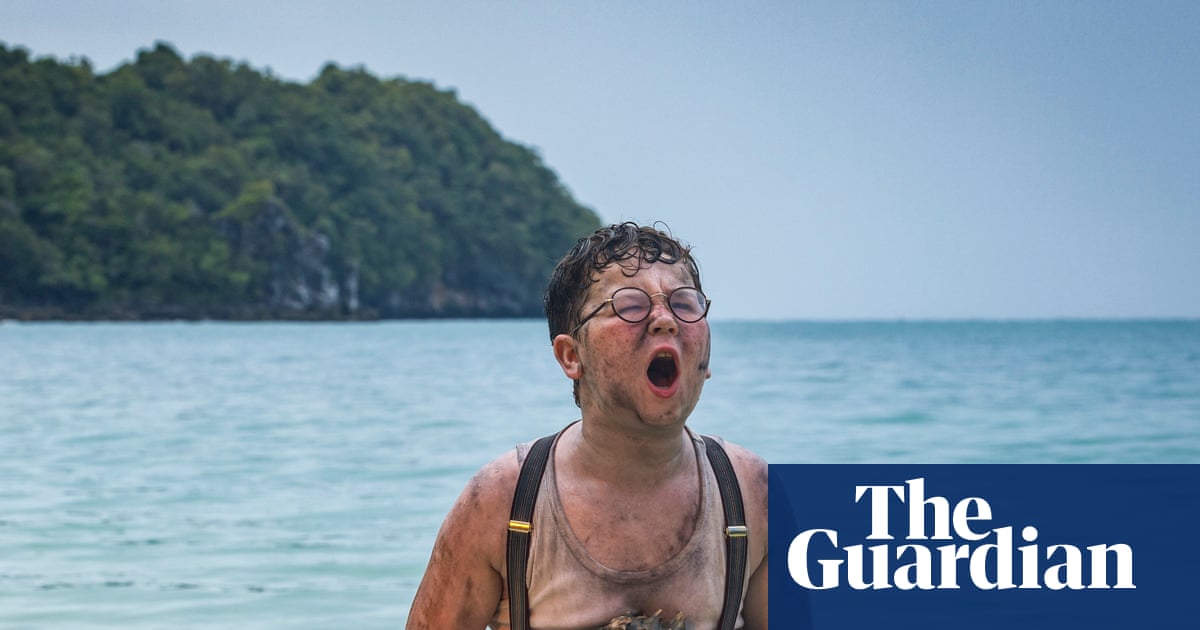
Adolescence creator Jack Thorne’s new BBC series sees him return to the subject of masculinity, this time turning to William Golding’s Lord of the Flies. The novel, which remains a GCSE set text, has been a staple of secondary school English departments almost since its publication in 1954. The decision to include a diverse cast, including the excellent Winston Sawyers who plays Ralph, will probably be viewed by many as a progressive move, ensuring that not only white actors are offered roles and not only white people are represented on screen. But for all its progressive aspirations, an adaptation like this obscures some of the most interesting themes discernible in the book.
It’s important to state at the outset that I am certainly not suggesting there are too many Black and Asian people on television. The opposite is often true. Instead, I’m questioning what aspects of Golding’s original story are obscured by the inclusion of Black and Asian actors in the series.
A key trope of the “Robinsonade” genre, that takes its name from Daniel Defoe’s 1719 novel Robinson Crusoe, is white English men finding themselves on an island where they encounter non-European Others. If you’re not thinking about this, it is hard to understand Piggy’s declaration in Golding’s text: “We’ve got to have rules and obey them. After all we’re not savages. We’re English; and the English are best at everything.”