Artificial intelligence could reshape the labour market in ways that disproportionately affect women. Research suggests women are more likely than men to work in jobs exposed to automation.
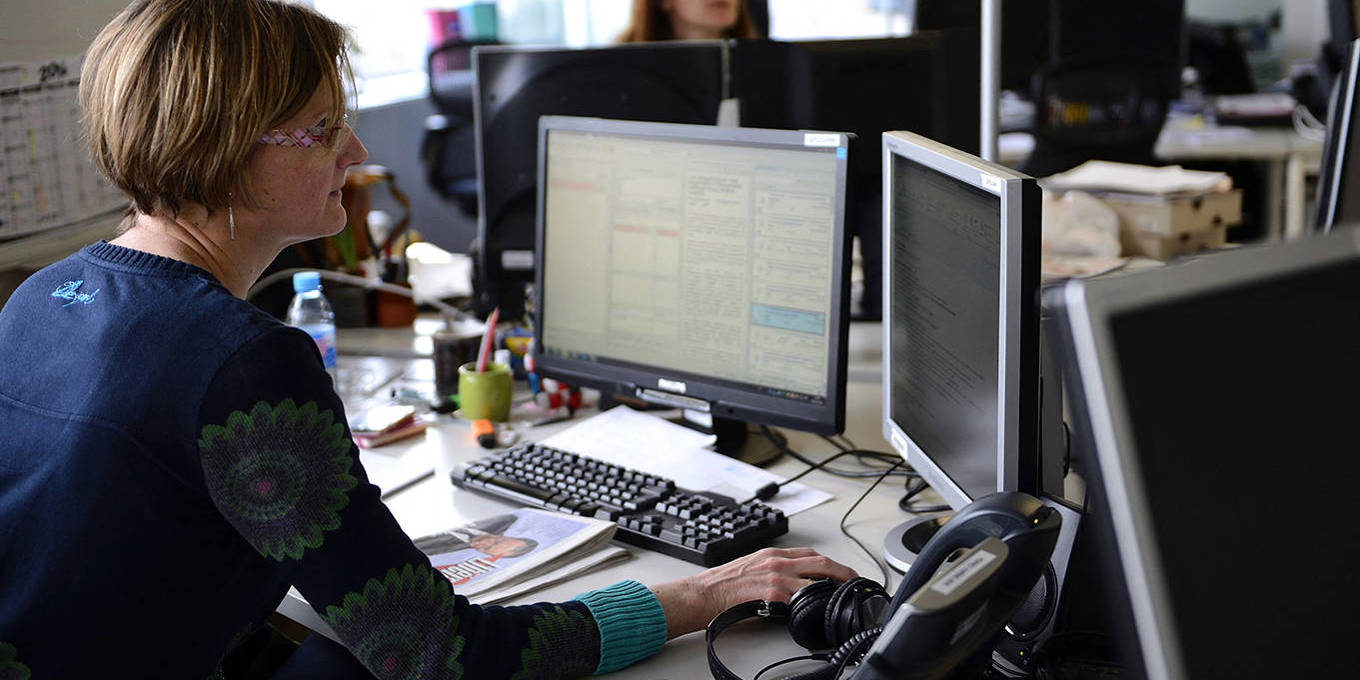
Data suggests employed women are almost twice as likely to work in jobs at high risk of automation. At stake are 65 million jobs for women versus 51 million for men. The gap is more severe in high income countries such as Australia and New Zealand. Photo by Andres Siimon/Unsplash
Artificial intelligence could reshape the labour market in ways that disproportionately affect women. Research suggests women are more likely than men to work in jobs exposed to automation.
The world is now at a critical crossroads: on one hand, there’s the transformative potential of a technological revolution, and on the other, the risk of reinforcing gender prejudices within the digital infrastructure.
For decades, women have faced numerous challenges, including hunger, poverty, domestic violence, the burden of unpaid care work, and child marriage.