Decentralised systems can endure only when sustained by a larger sense of meaning. But the meaning itself must remain alive through debate, discussion, and the possibility of disagreement.
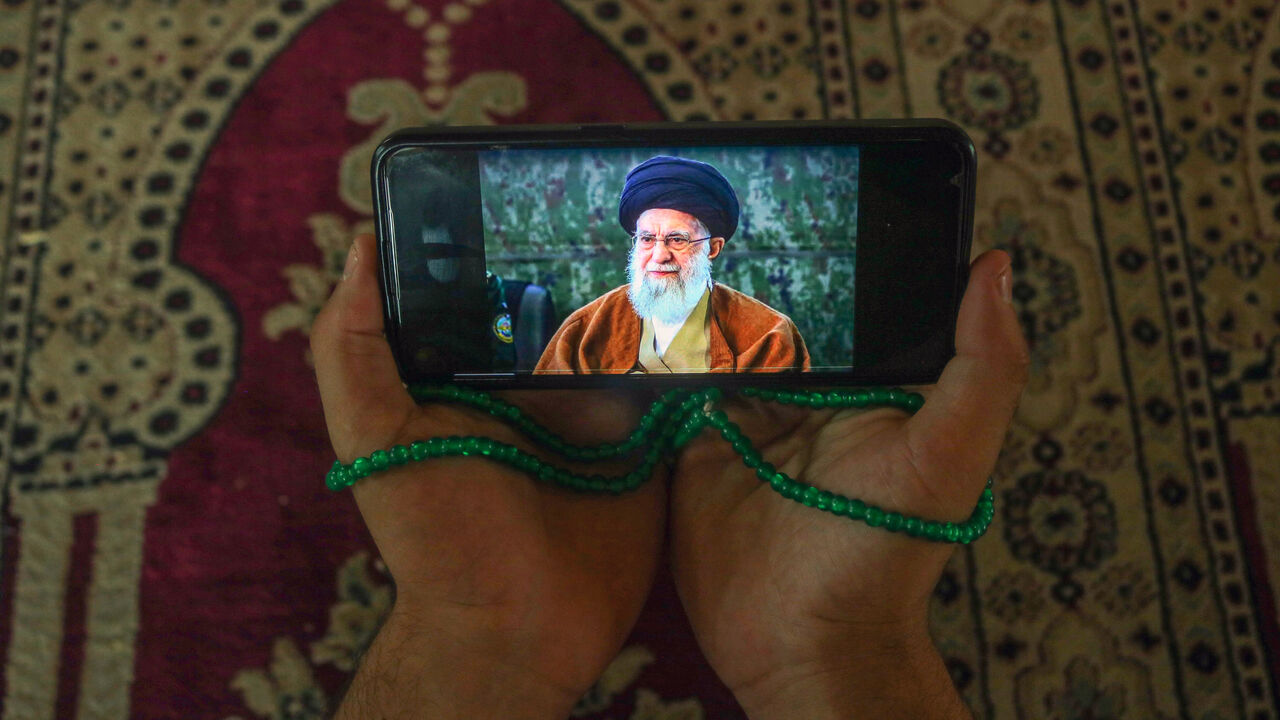
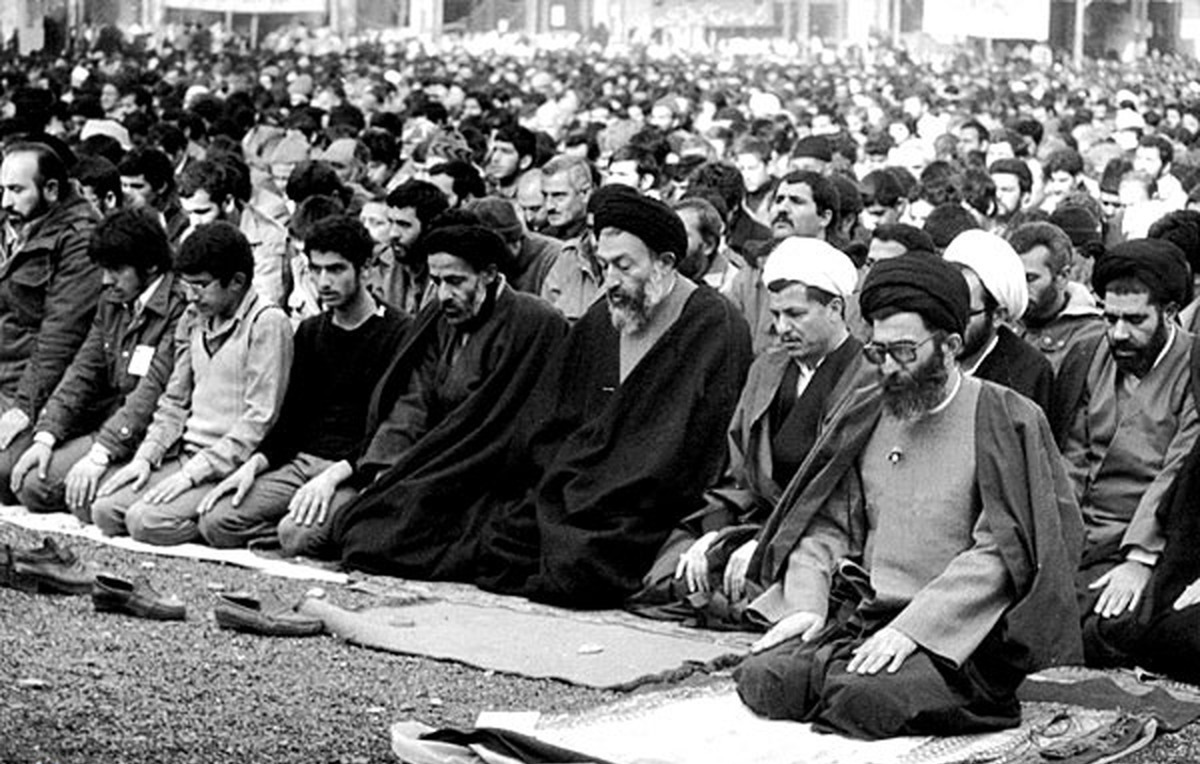
Senior Iranian leaders including the late supreme leader Ayatollah Ali Khamenei at a Friday prayer, somewhere in the 1980s. Iran’s position in the current conflict is an example of decentralised resilience that has allowed political and strategic systems to continue functioning under sustained stress. Photo credit: Wikimedia Commons/Khamenei.ir/CC 4.0
Decentralised systems can endure only when sustained by a larger sense of meaning. But the meaning itself must remain alive through debate, discussion, and the possibility of disagreement.
As the conflict involving Iran, Israel and the United States deepens, there’s increasing clarity on the manner in which Iran has continued to retaliate and, more importantly, hold its ground for far longer than expected.
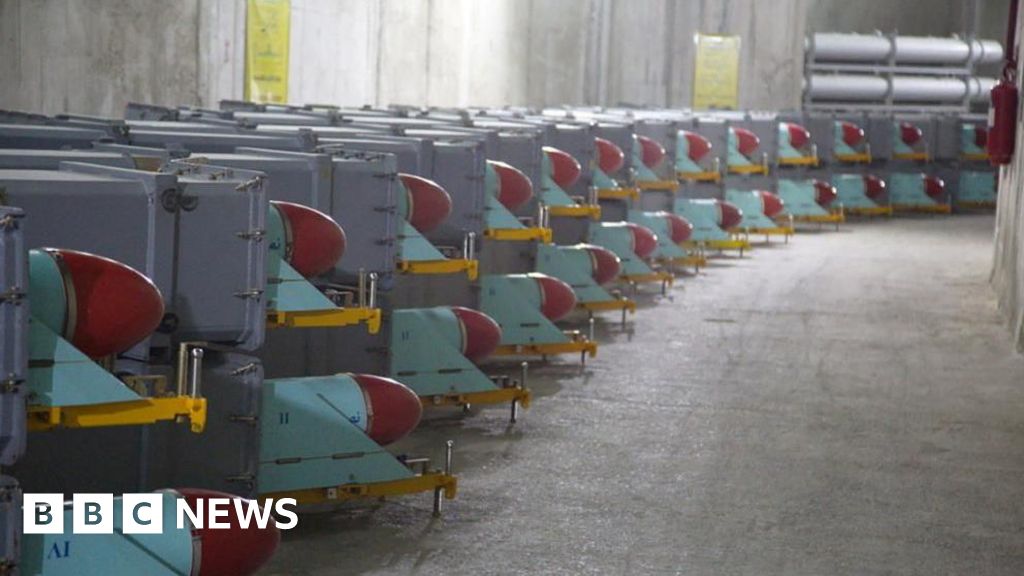
In a world saturated with surveillance, layered intelligence systems, and highly digitised strategic monitoring, it is difficult to believe that the broad contours of Iran’s capabilities, facilities, or infrastructure were unknown to Western intelligence and policy establishments.